logo
0

Beetroot Puree for Babies: Recipes & Easy Combinations

Discover a simple beetroot puree for babies with age-wise recipes, nutritional benefits, preparation methods, puree combinations, texture guidance and essential safety tips.

article image

Dr.J.T.Hema Prathima

When your little one reaches the exciting milestone of starting solid foods, you might find yourself wondering what to put on their spoon first. While sweet potatoes, avocados, and apples are classic choices, there is another colourful, nutrient-dense option you should consider: beetroot puree for baby. This vibrant, naturally sweet root vegetable is packed with essential vitamins and minerals that support your baby's rapid growth.

But you might have a few questions before you begin cooking. Is beetroot good for babies, and when is the best time to introduce it to their diet? In this comprehensive guide, we will explore the health benefits of beets, explain safety precautions regarding nitrates, and provide easy, delicious recipes your little one will love.

Nutritional Benefits: Is Beetroot Puree Good for Babies?

As parents, we want to ensure every spoonful of food we offer our infants is packed with nutrition. You might ask, is beetroot puree good for babies? The short answer is yes. Beetroot is an exceptional addition to your infant’s diet. It is loaded with essential nutrients that support physical growth and cognitive development.

Here is a breakdown of what makes beetroot baby food so beneficial:

  • Rich in Dietary Fibre: Beets are excellent for digestive health. The fibre content helps maintain healthy bowel movements and prevents constipation, which is common when babies transition from liquid to solid foods.
  • High in Folate (Vitamin B9): Folate is crucial for cellular growth and brain development. Since babies grow at a rapid rate, getting enough folate in their diet is highly beneficial.
  • Packed with Essential Minerals: Beets contain potassium, magnesium, calcium, and iron. Potassium helps regulate fluid balance and muscle function, while calcium is vital for developing strong bones and teeth.
  • Abundant in Antioxidants: The deep red colour of beets comes from betalains, which are powerful antioxidants. These compounds help protect cells from damage and support your baby's developing immune system.
  • Vitamin C Boost: Although beets are not as famous for Vitamin C as citrus fruits, they still contain a helpful amount, which assists the body in absorbing iron from dietary sources.

When Can I Introduce Beets? (6 Months and Beyond)

As your baby approaches half a year of age, you might wonder: can I give beetroot to my 6-month-old baby?

According to paediatric guidelines from organisations like the World Health Organisation (WHO), babies should start complementary solid foods around 6 months of age. At this point, you might ask, can I give beetroot puree to 6 month baby safely? Yes, you can. However, there are a few important details to keep in mind regarding nitrates.

Understanding Nitrates in Vegetables

Naturally occurring nitrates are found in soil and are absorbed by vegetables like beets, spinach, and carrots. In very young infants (under 3 to 4 months), excess nitrates can interfere with the blood's ability to carry oxygen.

However, by the time your baby reaches 6 months, their digestive tract and metabolic systems have matured significantly. Therefore, when parents ask, Can we give beetroot puree to 6 month baby meals, pediatricians generally agree that it is safe, provided it is prepared properly and given in moderation.

If you are introducing beetroot puree for 6-month baby diets, start with small portions (1 to 2 teaspoons) to see how their stomach handles it. Always consult your paediatrician before introducing new foods if your baby has a history of digestive sensitivities.

How to Make Beetroot Puree for Baby: A Step-by-Step Guide

Making homemade baby food is easier than you think, and it allows you to control the quality and freshness of the ingredients. If you are wondering how to make beetroot puree for a baby sweet and smooth, follow these simple steps.

Step 1: Selection and Washing

Choose fresh, firm, medium-sized organic beetroots. Larger beets tend to be more fibrous and woody, making it harder to achieve an ultra-smooth consistency. Wash the beets thoroughly under cold running water to remove any dirt or soil.

Step 2: Peeling and Slicing

Use a sharp vegetable peeler to remove the tough outer skin. Cut off the stem and the root end. Dice the beet into small, uniform cubes. This ensures they cook evenly and quickly.

Step 3: Cooking the Beets

While you can boil beets, steaming or roasting is highly recommended. Steaming preserves the maximum amount of water-soluble vitamins, such as Vitamin C and folate.

  • Steaming Method: Place the diced beets in a steamer basket over boiling water. Cover and steam for 15 to 20 minutes, or until the beets are tender enough to be easily pierced with a fork.
  • Roasting Method: Wrap the diced beets in parchment paper and foil, and bake at 375°F (190°C) for about 30 to 40 minutes until tender. Roasting coaxes out the natural, sweet sugars in the root.

Step 4: Blending to a Smooth Texture

Transfer the cooked beets to a blender or food processor. To create a baby-smooth beetroot puree, blend on high speed. Add a splash of breast milk, prepared formula, or cooking water to adjust the consistency to your baby's preference.

Now you have a nutritious batch of beet puree for baby ready to serve.

Healthy Beetroot Recipe for Baby Ideas

Once you have mastered the basic puree, you can experiment with different variations to keep mealtime exciting. Below are two simple, delicious recipes that are perfect for younger infants.

1. Basic Beetroot Puree for a 6-Month-Old Baby

This single-ingredient beetroot puree for 6 months baby recipe is the perfect way to introduce the earthy taste of beets to your child.

Prep time: 10 minutes

Cook time: 20 minutes

Ingredients: 2 medium organic beets; 2-4 tablespoons of breast milk, formula, or warm water.

Instructions:

1. Peel and chop the beets into small, even cubes.

2. Steam the cubes for 15-20 minutes until they are fork-tender.

3. Allow the beets to cool slightly.

4. Place them in a blender and blend until completely smooth, adding liquid gradually to reach a thin, easily swallowable consistency.

5. Serve a small spoonful to your baby and store the rest.

This simple how to make beetroot puree for 6 months baby recipe is highly digestible and helps your baby explore a single, clean flavour.

2. Homemade Beetroot Baby Food Recipe (For 7+ Months)

As your baby grows, you can start combining beets with other nutrient-rich ingredients to create a hearty beetroot baby food recipe.

Ingredients: 1 medium beet; 1 small sweet potato; a pinch of ground cumin (optional, for mild spice exposure).

Instructions:

1. Peel and dice both the beet and the sweet potato.

2. Steam them together for about 20 minutes until soft.

3. Puree the cooked vegetables in a food processor with breast milk or water.

4. Stir in a tiny pinch of cumin to gently expand your baby’s palate.

Delicious Beetroot Puree Combinations for Baby

Offering various flavour pairings is a wonderful way to prevent picky eating later in life. Because beets have an earthy, slightly sweet undertone, they pair beautifully with naturally sweet fruits and mild vegetables.
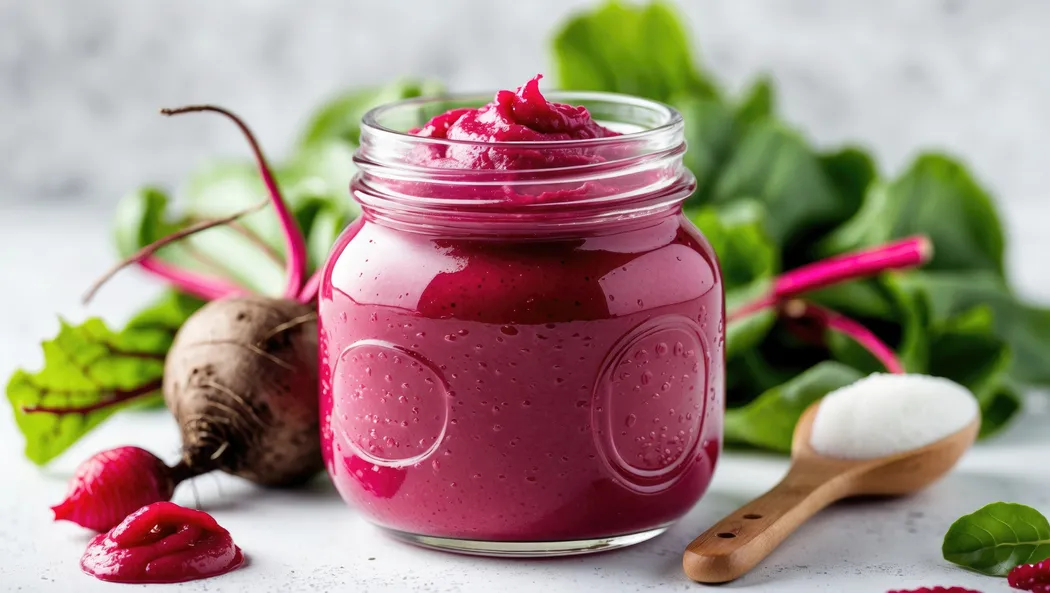
Here is the best beetroot puree combination for baby meals:

The Classic Apple and Beet Pairings

Apples are an excellent match for beets because their natural acidity balances the deep, earthy undertones of the root vegetable.

  • Beetroot and Apple Puree for Baby: Steam equal parts diced apples (peeled and cored) and diced beets. Blend until smooth. This combination is highly palatable and easy on sensitive tummies.
  • Apple and Beetroot Puree for Baby: Try roasting the beets and apples together before blending. Roasting carmelizes the natural sugars, creating a gourmet treat.
  • Beetroot Apple Puree Baby Blend: For a slightly different ratio, use two parts apple to one part beetroot. This creates a milder, sweeter apple beetroot puree for babies that is perfect for hesitant eaters.

Other Great Pairings

  • Beets and Pear: Similar to apple, the high water content and sweetness of pears create a silky-smooth puree when combined with beets.
  • Beets and Sweet Potato: This pair provides an excellent dose of beta-carotene, fibre, and complex carbohydrates to keep your baby satisfied.
  • Beets and Oatmeal: Stir a tablespoon of warm beetroot puree into your baby's morning oat cereal for a striking pink colour and a nutritional upgrade.

Textures and Growth: Beetroot Puree for 7 Month Baby and Older

As infants transition past the initial stage of weaning, their oral motor skills develop rapidly. You will want to move away from watery purees and adjust the textures to match their developmental stages.

Beetroot Puree for 7 Month Baby

At seven months, your child is likely ready for slightly thicker foods. Instead of thinning out the puree with large amounts of liquid, keep the beetroot puree for a 7-month-old baby meal a bit thicker, similar to the consistency of warm pudding.

Beetroot Puree for 8 Month Baby

By eight months, your little one can likely handle soft lumps. Instead of running the blender on high, you can transition to a beetroot mash baby food style.

How to make it: Simply steam or roast the beets until they are incredibly soft, then mash them thoroughly with a hand masher or a sturdy fork. This rustic beet recipe for baby encourages chewing motions and prepares them for soft table foods.

Crucial Safety Tips and Storage Guidelines

To make your experience cooking homemade beetroot puree baby food as safe and stress-free as possible, keep these practical tips in mind:

  1. Watch Out for Red Urine and Stools: Don't panic if your baby’s diaper contains reddish stools or pinkish urine after they eat beets. This harmless condition is called beeturia. It is caused by the natural pigments in beets passing through the digestive tract. It is completely benign and will resolve on its own.
  2. Storage and Freezing: Homemade purees do not contain artificial preservatives, so they must be stored correctly:
  • In the Refrigerator: Store the puree in an airtight, BPA-free container for up to 3 days.
  • In the Freezer: Pour the puree into clean silicone ice cube trays and freeze. Once frozen, transfer the cubes into a freezer-safe bag. Frozen puree stays fresh for up to 3 months. Thaw individual portions in the refrigerator overnight before heating and serving.

FAQS

Can beets cause an allergic reaction in babies?

Allergies to beets are extremely rare, but they are possible with any new food. When introducing beets, follow the "three-day rule." Introduce beets alone, without any other new foods, and monitor your baby for three days for signs of an allergic reaction, such as a rash, hives, vomiting, or diarrhoea.

Can I use canned beets to make baby food?

It is highly recommended to use fresh, organic beets rather than canned ones. Canned beets often contain added sodium and preservatives that are not suitable for an infant's delicate kidneys.

How often can I feed beetroot puree to my baby?

While beets are highly nutritious, moderation is key due to their natural nitrate content. Offering beets 1 to 2 times a week is a safe and healthy way to diversify your baby’s diet.

Does cooking beets reduce their nutritional value?

Some vitamins, like Vitamin C and folate, are sensitive to high heat. To preserve the maximum nutritional value, choose steaming or roasting over boiling, as boiling causes many nutrients to leach out into the cooking water.

Can I use raw beets for baby food?

No. Raw beets are far too hard and present a severe choking hazard for infants. They are also difficult for a baby’s developing digestive system to break down. Always cook beets until they are fork-tender before serving.

Apollo 247 Floating Action Button