logo
0

Blueberries for Babies: How to Make Blueberry Puree for Baby

Learn how to safely introduce blueberries to your little one. Discover an easy blueberry puree for baby, nutritional benefits, combinations, and tips.

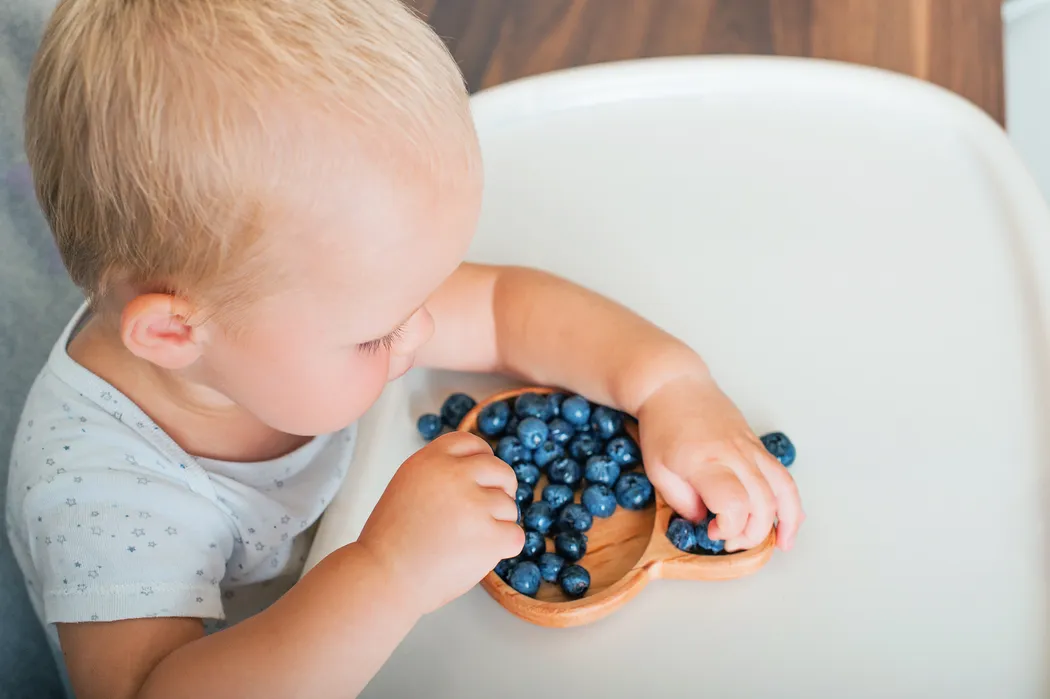
article image

Dr. Kamran

Introducing solid foods to your baby is an exciting milestone in their development. As a parent, you want to offer baby food that is not only delicious but also packed with the essential nutrients your growing infant needs. If you are looking for a vibrant, nutrient-dense ingredient to add to your child's high chair tray, blueberries are an exceptional choice. Preparing a smooth, homemade blueberry puree for baby is a wonderful way to introduce these tiny, antioxidant-rich berries to your infant's diet.

But how do you prepare them? When can your baby start eating them? And what are the best ways to serve them to prevent choking?

In this comprehensive guide, we will cover everything you need to know about serving blueberries to your little one. We will explore the health benefits of this superfruit, share a simple blueberry recipe for baby, discuss safe serving sizes, and provide creative meal combinations to excite your baby's developing palate.

Is Blueberry Good for Babies?

If you are asking yourself, is blueberry good for babies, the short answer is yes. These tiny berries contain essential vitamins, minerals, and plant compounds that can contribute to your baby's growth and development.

Here are some of the nutritional benefits of blueberries:

  • High in Antioxidants: Blueberries contain anthocyanins, natural plant compounds that give the berries their deep blue colour and have antioxidant properties.
  • Immune System Support: Blueberries contain vitamin C, which supports normal immune function and helps the body absorb iron from plant-based foods.
  • Healthy Brain Development: The nutrients and plant compounds in blueberries can contribute to a varied, balanced diet that supports normal growth and development.
  • Digestive Health: Blueberries provide dietary fibre, which supports normal bowel function as part of a varied diet.
  • Bone Health: Blueberries contain vitamin K and manganese, nutrients involved in normal bone health and physiological functions.

When Can Babies Eat Blueberries?

A common question among new parents is: can babies eat blueberries right from the start of their solid food journey?

According to guidelines from the World Health Organization (WHO) and the Centers for Disease Control and Prevention (CDC), babies can begin complementary foods at around 6 months of age when they show signs of developmental readiness, such as good head control, sitting with minimal support, and showing interest in food.

However, whole blueberries are small, round, and slippery, so they can present a choking hazard for infants and young children. To serve them safely, their texture and shape should be modified. Starting with a smooth blueberry puree for baby or transitioning to mashed blueberries as your baby develops their feeding skills can help make the fruit easier to manage.

How to Make Blueberry Puree for Baby

Making your own baby food at home is simple and allows you to control the ingredients while avoiding added sugars and unnecessary additives.

Here is a step-by-step guide on how to make blueberry puree for baby that is smooth, nutritious, and easy to serve.

Ingredients:

  • 2 cups of fresh or frozen blueberries
  • 1 to 2 tablespoons of breast milk, prepared infant formula, or water (to adjust the consistency)

Step-by-Step Instructions:

  1. Wash and Prep: If using fresh berries, rinse them thoroughly under cool, running water and remove any stems, leaves, or bruised berries. If using frozen berries, follow the package instructions and heat them appropriately before serving.
  2. Steam the Berries: Briefly steaming the berries for 3 to 5 minutes can soften the skin and make it easier to achieve a smooth texture for younger babies.
  3. Blend: Transfer the softened blueberries to a food processor or high-speed blender. Blend until as smooth as possible.
  4. Adjust Consistency: To thin the blueberry puree baby blend, add a splash of breast milk, prepared infant formula, or water. For older babies who are ready for thicker textures, you can leave the purée thicker.
  5. Strain (Optional): If your blender leaves pieces of blueberry skin behind and your baby is new to solids, press the purée through a fine-mesh strainer to remove remaining fragments.
  6. Serve or Store: Allow the purée to cool to an appropriate temperature before serving.

Tasty Blueberry Puree Combinations for Baby

Once your baby has tried plain blueberry puree and shown no signs of an allergic reaction, you can begin mixing it with other foods. Combining blueberries with other fruits, vegetables, and grains is an excellent way to introduce new flavours and textures.

Here are some nutritious blueberry puree combinations for baby:

  • Blueberry and Banana: Mash half a ripe banana and stir in two tablespoons of blueberry puree. The natural sweetness of the banana balances the slight tartness of the blueberries.
  • Blueberry and Avocado: Blend blueberry puree with ripe avocado. The avocado provides healthy monounsaturated fats and creates a creamy texture.
  • Blueberry, Apple, and Oatmeal: Stir a spoonful of blueberry puree baby food into warm, prepared baby oatmeal along with unsweetened applesauce.
  • Blueberry and Greek Yoghurt: For babies who have been introduced to dairy, swirl blueberry puree into plain, full-fat Greek yoghurt for a combination containing protein and calcium.

Portion Sizes: How Many Blueberries Can a Baby Eat Per Day?

When introducing any new food, it is best to start small. As your baby grows, you can gradually increase the amount according to their appetite and overall diet.

  • For Beginners (6 to 7 months): Start with around 1 to 2 teaspoons of blueberry puree. This allows you to monitor how your baby tolerates the food.
  • For Older Infants (8 to 12 months): Once they are accustomed to the fruit, you can offer around 1 to 2 tablespoons of blueberry puree or mashed blueberries per serving.
  • For Toddlers (12 months+): Toddlers can have blueberries as part of their daily fruit intake. Serve fresh blueberries flattened or quartered rather than whole to reduce choking risk.

Always remember that variety is key to a healthy diet. While blueberries are nutritious, they should be offered alongside a wide range of other fruits, vegetables, proteins, and healthy fats.

Safety and Allergy Precautions

While blueberries are not classified as one of the major common food allergens, an allergic reaction can occur with any food.

When introducing blueberries for the first time, offering them as a single ingredient can make it easier to identify a possible reaction. There is no universal requirement to follow a rigid four-day waiting period for every new food. Monitor your baby for signs of an allergic reaction, such as:

  • Hives or skin rashes
  • Swelling of the lips, tongue, or face
  • Vomiting or diarrhoea
  • Wheezing or difficulty breathing

If you notice mild symptoms, contact your paediatrician. If your baby experiences severe breathing difficulties or significant swelling, seek emergency medical care immediately.

Additionally, whole blueberries can be a choking hazard. Never give a baby whole, round blueberries. Always purée, mash, flatten, or cut them into an age-appropriate shape and texture.

FAQS

Can I use frozen blueberries to make blueberry baby food?

Yes. Frozen blueberries can be a convenient option and can be used to make baby food. Heat or steam them as appropriate before blending, then allow the purée to cool to a safe temperature before serving.

Can blueberries cause changes in my baby’s stool?

Yes. Blueberries can temporarily change the colour of your baby's stool to dark blue, purple, or almost black because of their natural pigments. This is generally harmless. If you are concerned about your baby's stool or notice other symptoms, speak with your paediatrician.

How do I store homemade blueberry puree for baby?

Store fresh homemade puree in a clean, airtight container in the refrigerator and use it promptly. For longer storage, spoon the puree into clean silicone ice cube trays and freeze. Once frozen, transfer the cubes to a freezer-safe bag. Thaw a cube safely in the refrigerator before serving.

How do I safely transition from puree to mashed blueberries baby food?

Once your baby is comfortable with smooth purées and is developmentally ready for thicker textures, you can transition to mashed blueberries. Use a fork to mash fresh or softened blueberries thoroughly. Ensure there are no large, round, intact berries left, as these can remain a choking hazard.

Do I need to peel blueberries before making puree?

No, you do not need to peel blueberries. The skin contains dietary fibre and plant compounds. Briefly steaming the berries before blending can soften the skin and help create a smoother consistency.

Apollo 247 Floating Action Button