logo
0

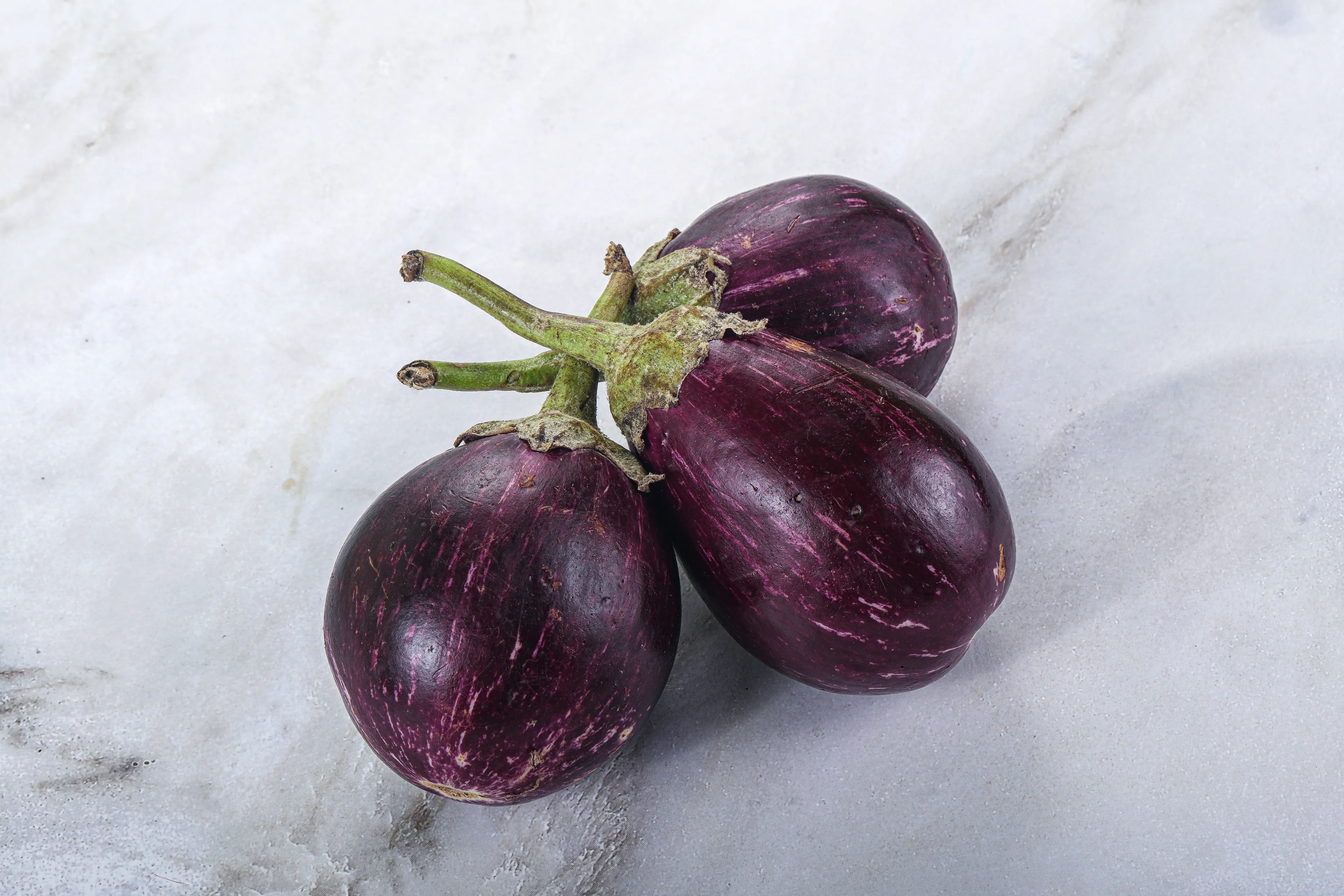
Brinjal for Babies: Can I Give Brinjal to My Baby?

 Learn if brinjal is safe for babies, when to introduce it, its health benefits, safe preparation methods, and easy baby-friendly recipes.

article image

Dr. Mayank

Introducing solid foods to your infant is an exciting milestone. As your little one transitions from a milk-only diet, a world of rich flavours, textures, and essential nutrients opens up. During this transition, you might look at various vegetables in your kitchen and wonder which ones are safe. One vegetable that frequently sparks questions among parents is the eggplant, commonly known as brinjal or aubergine.

If you are currently  planning your child's weaning menu, you may find yourself asking: can I give brinjal to my baby?

In this comprehensive, evidence-based guide, we will explore everything you need to know about introducing brinjal to your baby’s diet. From nutritional benefits and safety precautions to step-by-step preparation methods and delicious recipes, we have got you covered.
 

Can I Give Brinjal to My Baby? The Golden Rules for Starting

The short answer is yes, you can give brinjal to your baby. However, timing and preparation are key to ensuring a safe and positive experience.

Most paediatricians and international health organisations, including the World Health Organization (WHO), recommend introducing solid foods to babies around 6 months of age. At this stage, your baby’s digestive system is mature enough to process solid foods, and they have usually developed the necessary motor skills to swallow safely.

When you first ask yourself, "can I give brinjal to my baby?", it is best to wait until they have already tolerated a few basic starter foods. Mild, easily digestible vegetables like carrots, sweet potatoes, and pumpkin are excellent first choices. Once your baby has successfully adjusted to these, brinjal can be a wonderful, nutrient-dense addition to their plate.

Nutritional Benefits: Why Brinjal is Great for Growing Infants

Brinjal is far more than just a versatile culinary ingredient. It contains essential vitamins, minerals, and dietary fibre that can support your baby’s growth and development. Here is a breakdown of what makes brinjal a nutritious option for infants:

1. Supports Healthy Digestion

Transitioning to solid foods can sometimes cause constipation in babies as their digestive systems adapt. Brinjal contains dietary fibre, which supports regular bowel movements and contributes to a healthy gut.

2. Rich in Essential Vitamins and Minerals

Brinjal contains a range of micronutrients that contribute to infant development:

These include:

  • Folate (Vitamin B9): Supports normal cell division and development.
  • Vitamin K: Plays a role in normal blood clotting and bone health.
  • Vitamin C: Supports immune function and helps the body absorb iron from plant-based foods.
  • Potassium: Supports normal muscle and nerve function and fluid balance.

3. Contains Antioxidants

The purple skin of many brinjal varieties contains antioxidants, including anthocyanins such as nasunin. Brinjal also contains other plant compounds, including chlorogenic acid, that contribute to its antioxidant properties.

4. Provides Hydration

Brinjal has a high water content, making it a hydrating vegetable to include as part of a varied complementary diet.

At What Age Can I Introduce Brinjal?


The way you prepare brinjal should be adjusted according to your baby's age and developmental abilities:

Baby's AgeRecommended Texture / Serving MethodPreparation Tip
6 to 8 MonthsSmooth purée or thoroughly mashedPeel the skin if needed and cook until completely soft.
8 to 10 MonthsMashed with small soft lumps or soft-cooked finger foodsContinue to cook thoroughly and adjust the texture to your baby's abilities.
10 to 12 MonthsSmall, soft, bite-sized piecesEnsure the pieces are soft enough to mash easily.
12+ Months     (1 Year)Chopped table foods, roasted wedges, or mixed curriesSkin can be left on if cooked until completely soft.

Can I Give Brinjal to My 1 Year Old Baby?

As babies grow into toddlers, their dietary capabilities expand significantly. If you are wondering, can I give brinjal to my 1 year old baby, the answer is yes.
By 12 months of age, many babies have developed a stronger pincer grasp and can manage a wider variety of textures. At this stage, you can serve roasted brinjal cubes, mild brinjal curries, or baked brinjal pieces, provided they are prepared without excessive salt and are soft enough to chew.
Providing brinjal to your 1-year-old is an excellent way to continue broadening their palate and offering a diverse range of vegetables.

How to Select and Store Brinjal for Baby Food

To ensure your baby gets the best taste and nutrition, it is important to select the right brinjal.

Keep these points in mind when selecting and storing brinjal:

  • Look for freshness: Choose brinjals that have smooth, shiny, and unwrinkled skin. The stem should be bright green and free from mould.
  • Check the firmness: Gently press the brinjal. It should be firm but have a slight give. If it feels very hard, it may be underripe. If it is soft and leaves a deep indentation, it may be overripe.
  • Size matters: Opt for small-to-medium-sized brinjals. Larger brinjals can have more mature seeds and may be more bitter or fibrous.
  • Storage: Keep fresh brinjal in a cool place and use it promptly. If refrigerated, store it appropriately and use it within a few days for the best quality.

How to Safely Prepare and Serve Brinjal for Your Baby?

When preparing brinjal for your infant, safety and digestibility should be your top priorities.

Follow these steps to prepare it safely:

Step 1: Wash Thoroughly

Rinse the brinjal under cool, running water to remove any dirt or debris.

Step 2: Peel the Skin for Younger Babies

Parents often ask, "should I peel the brinjal?" For babies between 6 and 9 months of age, peeling the skin can make the vegetable easier to chew and swallow. Brinjal skin can be fibrous, so removing it may be helpful when your baby is just starting solids. Once your baby is older and has developed stronger chewing skills, the skin can be left on if it is cooked until completely soft.

Step 3: Cook Thoroughly

Raw brinjal is firm and unsuitable for young babies. Cook it thoroughly to soften the vegetable and make it easier to digest.

  • Steaming or boiling: Cut the brinjal into cubes and steam or boil until fork-tender.
  • Roasting or baking: Roast brinjal halves or slices with a light coating of olive oil until the flesh is completely soft.

Step 4: Choose the Right Texture

The texture should match your baby's developmental stage:

  • For 6 to 8 months: Blend the cooked brinjal into a smooth purée. You can add a little breast milk, prepared infant formula, or water to achieve the desired consistency.
  • For 9 to 12 months: Mash the cooked brinjal with a fork, leaving some soft texture to encourage chewing. You can also offer soft, wide pieces of cooked brinjal for babies practising baby-led weaning.

Potential Risks: Allergies and Digestive Sensitivities

While brinjal is generally safe, parents should be aware of a few potential reactions.

1. Digestive Sensitivities

Some babies may experience mild digestive discomfort when trying a new food. Introduce brinjal in a small quantity and monitor how your baby responds.

2. Food Allergies

True allergies to brinjal are relatively rare, but they can happen. When introducing brinjal for the first time, offer it without another new food so that you can identify the cause of any reaction.

Watch for symptoms such as:

  • Hives or skin rash
  • Swelling of the lips, tongue, or face
  • Vomiting or diarrhoea
  • Wheezing or difficulty breathing

If you notice signs of a severe allergic reaction, seek immediate medical attention.

3. Choosing Fresh, Properly Prepared Brinjal

Choose fresh brinjal and cook it thoroughly before serving. If the vegetable appears spoiled, excessively soft, or has an unusual smell, discard it rather than using it for baby food.

Simple and Healthy Baby-Friendly Brinjal Recipes

Here are three simple, nutrient-dense ways to serve brinjal to your growing baby:

1. Creamy Brinjal and Apple Purée (6+ Months)

The natural sweetness of apple pairs beautifully with the mild, earthy flavour of brinjal, making it appealing to young infants.

Ingredients:

  • 1/2 cup peeled and cubed brinjal
  • 1/2 cup peeled and cored apple slices

Instructions:

  1. Steam both the brinjal and apple together until completely soft, about 10 to 12 minutes.
  2. Transfer them to a blender.
  3. Purée until smooth.
  4. Allow it to cool to a suitable temperature before serving.

2. Roasted Herb Brinjal Spears (8+ Months, Great for BLW)

These soft, graspable spears are suitable for babies learning to feed themselves.

Ingredients:

  • 1 small brinjal, peeled
  • A pinch of mild herbs, such as dried oregano or thyme
  • 1 teaspoon of olive oil

Instructions:

  1. Cut the brinjal into finger-length, wide spears.
  2. Toss gently with olive oil and herbs.
  3. Place on a baking sheet lined with parchment paper.
  4. Bake at 375°F (190°C) for 20 to 25 minutes, turning halfway through, until the interior is extremely soft.
  5. Allow it to cool before offering it to your baby.

3. Mashed Brinjal with Sweet Potato (10+ Months)

A comforting, textured mash that provides fibre, vitamin A, and potassium.

Ingredients:

  • 1/2 cup peeled and diced brinjal
  • 1/2 cup peeled and diced sweet potato

Instructions:

  1. Boil or steam both vegetables until very tender.
  2. Drain and mash them together using a fork or potato masher.
  3. You can stir in a tiny pinch of cumin powder for a gentle introduction to mild spices.

Conclusion: A Nutritious Addition to Your Baby's Diet

Brinjal can be a nutritious addition to your baby's complementary diet once they are developmentally ready for solids. It provides dietary fibre, vitamins, minerals, water, and beneficial plant compounds. With appropriate preparation and an age-appropriate texture, it can be included as part of a varied diet.

When introducing brinjal, start with a small portion and observe how your baby responds. Cook it thoroughly and adjust the texture according to your baby's developmental stage. As your child grows, you can gradually introduce different preparations and textures to help expand their palate.

FAQS

Can I give brinjal to my baby every day?

Brinjal can be part of a varied and balanced diet, but it is better to offer a range of different vegetables and other foods rather than relying on one food every day. Serving it a few times a week can provide variety while allowing your baby to explore different flavours and nutrients.

Does brinjal cause gas in babies?

Some babies may experience mild gas or bloating when introduced to a new, fibre-containing food. To minimise discomfort, start with a small quantity, cook the brinjal thoroughly, and monitor your baby's response.

Why is brinjal turning brown after I cut it, and is it safe for my baby?

Brinjal can turn brown after being cut because its flesh reacts with oxygen. This natural oxidation is generally harmless. To minimise browning, cook the brinjal soon after cutting or keep the pieces submerged in water until you are ready to cook them.

Can babies eat the seeds of a brinjal?

Yes, babies can eat the seeds of a well-cooked, soft brinjal. However, choosing small, young brinjals can make the texture milder and easier for a baby to manage.

Can I use frozen brinjal to make baby food?

Yes, you can use frozen brinjal to make baby food. Cook it thoroughly, then purée or mash it according to your baby's developmental stage. If freezing homemade brinjal purée, use clean, airtight freezer-safe containers and label them with the date.

Apollo 247 Floating Action Button