logo
0

Cerelac for Babies: Is It Good, Side Effects

Wondering if Cerelac is good for babies? Discover its health benefits, potential side effects, safety guidelines, and when to start feeding baby cereal.

article image

Dr.Vasantha Sree

Introducing your baby to the world of solid foods is a beautiful, exciting milestone. As your little one grows, their nutritional needs change, and breast milk or formula alone is no longer enough to support their rapid development. During this transitional phase, many parents look for convenient, nutrient-dense options on supermarket shelves.

Among the most popular choices globally is Nestlé’s Cerelac, an instant fortified infant cereal. However, as a loving parent, it is completely natural to look at the box and wonder: is cerelac good for babies?

While this instant cereal is highly convenient and packed with essential vitamins, there are several nutritional factors, ingredient choices, and potential drawbacks that parents need to consider. In this comprehensive, evidence-based guide, we will explore the benefits, safety, developmental readiness, and potential side effects of cerelac baby food to help you make the best feeding choices for your little one.

When Should a Baby Start Eating Solid Foods?

Before introducing any commercial cereals, understanding developmental readiness is crucial. Knowing when baby eat cerelac or other complementary solid foods is vital for preventing digestive issues and choking hazards.

According to the World Health Organization (WHO) and the Centers for Disease Control and Prevention (CDC), infants should be exclusively breastfed for the first six months of life. Around the six-month mark, babies begin to require complementary foods alongside breast milk or formula to meet their expanding nutritional demands.

Signs Your Baby Is Ready for Solids:

  • Good Head Control: Your baby can hold their head up steadily and sit with minimal support.
  • Loss of Tongue-Thrust Reflex: They no longer automatically push food out of their mouth with their tongue.
  • Curiosity About Food: They watch you eat, reach for your plate, or open their mouth when food is nearby.
  • Doubled Birth Weight: Most babies are ready for solids when they have doubled their initial birth weight.

When looking at when baby eat cerelac products, pediatricians recommend waiting until these developmental milestones are met - typically at or just after six months of age. Introducing solids too early can strain an infant's immature digestive system.

Is Cerelac Safe for Babies?

This brings us to the core safety question: is cerelac safe for babies?

When answering if is cerelac safe for babies, pediatricians generally agree that commercial infant cereals are safe in terms of manufacturing standards, hygiene, and basic food safety. Nestlé adheres to strict global food safety regulations, ensuring that the grains are thoroughly processed, free from harmful pathogens, and easy for an infant to digest.

However, "safe" from a microbiological standpoint does not automatically mean it is the healthiest option for daily, long-term use. While it is safe to feed your baby Cerelac, the overall nutritional profile - especially the presence of added sugars in certain regional formulations - requires closer inspection.

Is Cerelac Good for Babies? The Nutritional Benefits

To fully understand whether is cerelac good for babies, it helps to look at why it has remained a household staple for generations. Here are the primary health benefits of feeding Cerelac to infants:

1. High Iron Fortification

Around six months of age, a baby’s natural iron stores (accumulated during gestation) begin to deplete. Iron is crucial for brain development and healthy red blood cells. Because Cerelac is heavily fortified with iron, it helps prevent iron-deficiency anaemia, a common concern in developing infants.

2. Convenience and Safety

For busy parents, Cerelac is incredibly easy to prepare. It requires only boiled, cooled water, making it a reliable food option during travel or busy days. Since it is industrially prepared, the risk of bacterial contamination is very low compared to poorly handled homemade foods.

3. Smooth, Age-Appropriate Textures

Cerelac is processed to have an incredibly smooth texture that is easy for babies to swallow. This minimises the risk of choking as infants transition from a liquid-only diet to semi-solids.

4. Broad Spectrum of Micronutrients

In addition to iron, Cerelac contains essential vitamins and minerals, including:

  • Vitamin A: Supports healthy vision and immune function.
  • Vitamin C: Aids in iron absorption.
  • Calcium and Vitamin D: Crucial for strong bone and teeth development.
  • Zinc: Supports healthy growth and cellular metabolism.

Is Cerelac Rice Good for Babies as a First Food?

When babies transition to solids, single-grain cereals are highly recommended. So, is cerelac rice good for babies during the initial weaning phase?

Yes, rice cereal is historically the preferred first solid food because rice is hypoallergenic and exceptionally gentle on a baby’s sensitive stomach. If you are introducing Cerelac for the first time, starting with a basic, single-grain option like Cerelac Rice is highly recommended. It allows you to monitor your baby for any food allergies before moving on to multi-grain or fruit-infused variations.

Are There Any Side Effects of Cerelac Baby Food?

Despite the nutritional benefits, relying solely on commercial cereals can have drawbacks. Understanding the potential side effects of cerelac baby food is key to making balanced dietary choices for your child.

Potential Side EffectHealth Concern / Consequence
High Added Sugar ContentMay encourage a preference for sweet foods and increase the risk of tooth decay
Low Dietary FibreMay contribute to mild constipation in some infants
Highly Processed NatureMay provide less exposure to natural food textures
Risk of Rapid Weight GainOverfeeding may contribute to excessive calorie intake

1. The Sugar Dilemma

The most significant criticism of commercial baby cereals is their sugar content. In many parts of the world, Cerelac contains added sucrose or sucrose syrup. Regular exposure to added sugars in infancy can:

  • Establish a lifelong preference for overly sweet foods, leading to picky eating habits.
  • Increase the long-term risk of childhood obesity.
  • Contribute to early tooth decay, even before baby teeth fully erupt.

2. Mild Constipation

Some babies experience mild digestive issues when starting Cerelac. Because it is a processed, grain-based food fortified with iron, it can sometimes lead to constipation. If your baby's stools become hard and painful to pass, you may need to increase their intake of water (if over six months) or breast milk.

3. Lack of Texture Variety

Cerelac is completely homogenised and smooth. If a baby is fed only smooth commercial cereals for too long, they may struggle to accept lumpy, textured, or solid family foods later in infancy. This can delay the development of chewing and swallowing muscles.

Commercial vs. Homemade: Is Market Cerelac Good for Babies?

This leads to the debate: is market cerelac good for babies compared to fresh, homemade alternatives?

While is market cerelac good for babies in terms of convenience and iron levels, pediatricians globally recommend a diet centered around fresh, whole foods. Homemade infant cereals - such as pureed oats, ragi (finger millet), or homemade rice porridge - provide natural fibers, contain no added sugars, and expose your baby to the authentic flavors of real food.

The Regional Context: Is Cerelac Good for Babies in India?

A common regional question is: is cerelac good for babies in India, where traditional weaning practices are deeply rooted?

In India, traditional foods like ragi porridge, khichdi (mashed rice and lentils), and suji halwa (semolina) are commonly fed to infants. Nutritionists often argue that is cerelac good for babies in India mainly as a backup or travel food rather than a primary daily meal. Traditional Indian weaning foods are naturally rich in fiber, free from chemical preservatives, and cost-effective, making them excellent alternatives to packaged store-bought options.

Transitioning Beyond Infant Cereals: What is Neslac Baby Food?

As your child grows past their first year, their nutritional requirements continue to shift. You might see other products on the shelf, such as neslac baby food.

While Cerelac is designed for the weaning stage of younger infants (6 to 24 months), neslac baby food is a fortified milk drink and nutritional powder specifically formulated for toddlers aged two years and older. It contains targeted nutrients like DHA, prebiotics, and essential vitamins to support active toddlers during a stage when they may become picky eaters. However, like Cerelac, parents should monitor toddler milk drinks for any added sugars.

Tips for Safely Serving Cerelac to Your Baby

If you choose to include Cerelac in your baby's weaning journey, here are some safety and health guidelines to keep in mind:

  • Read the Ingredients Label: Check for added sugars (sucrose, maltodextrin, or corn syrup). Opt for varieties with zero added sugar whenever possible.
  • Practice Responsive Feeding: Do not force your baby to finish the bowl. Let them guide you when they are full.
  • Never Feed Cereal from a Bottle: Always feed Cerelac with a spoon. Putting baby cereal in a bottle increases the risk of choking and overfeeding.
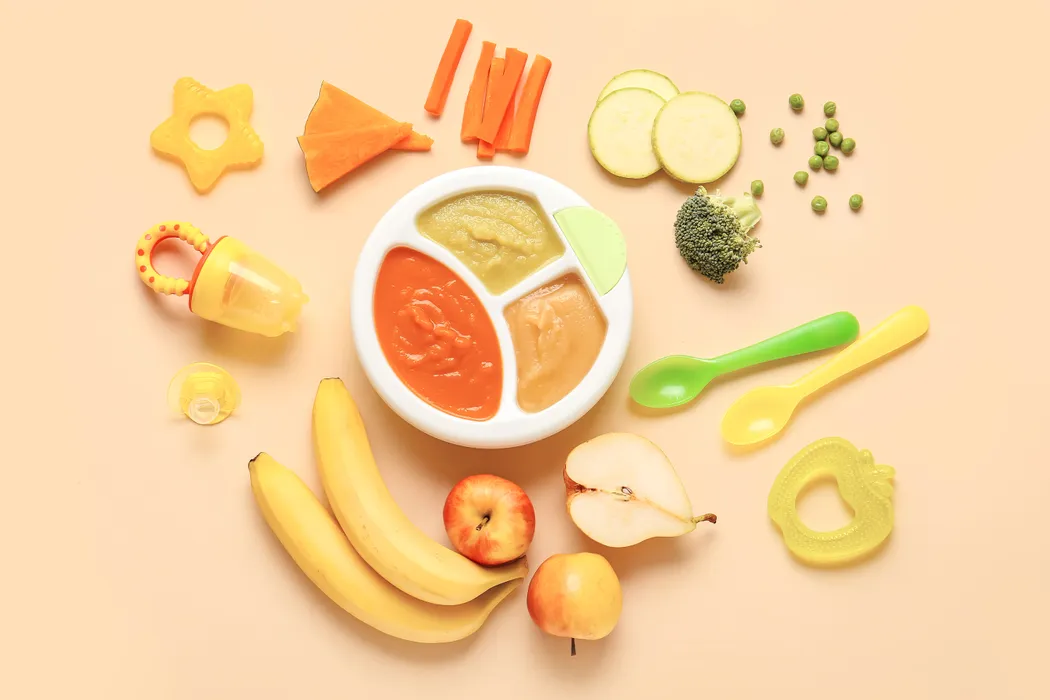
  • Prioritise Variety: Treat Cerelac as a supplement to a diverse diet. Balance it out with fresh fruit purees (banana, apple, avocado), vegetable mashes (sweet potato, pumpkin, carrots), and soft-cooked lentils.
  • Use Boiled Water: Always mix the cereal with water that has been boiled and cooled to a lukewarm temperature to kill any potential pathogens.

FAQS

Is Cerelac safe for babies to eat every day?

Yes, Cerelac is safe for daily consumption. However, paediatricians recommend offering a variety of fresh, whole foods alongside it to ensure your baby gets a wide range of tastes, textures, and nutrients.

Can I start feeding my baby Cerelac at 4 months?

Both the WHO and CDC recommend waiting until 6 months of age to introduce solid foods. Do not feed your baby Cerelac at 4 months unless specifically advised to do so by your pediatrician.
Does Cerelac cause babies to gain weight quickly?

Because Cerelac is calorie-dense and sometimes contains added sugars, it can contribute to rapid weight gain if overfed. Always follow the portion guidelines on the package and practice responsive feeding.

What is the difference between Cerelac and Neslac baby food?

Cerelac is an infant cereal designed for babies starting solid foods (6 months and up). Neslac is a fortified milk-based nutritional drink formulated specifically for older toddlers (2 years and up).

How can I prevent constipation when feeding my baby Cerelac?

To prevent constipation, make sure your baby is getting enough breast milk or formula. If they are over six months old, you can also offer small sips of water or introduce fibre-rich fruit purees like prunes, pears, or plums.

Summary: A Balanced Approach to Baby Food

So, is cerelac good for babies? The answer is a balanced one. Cerelac is a safe, highly convenient, and iron-rich option that can play a helpful role in your baby’s weaning journey. However, due to its processed nature and potential added sugar content, it should not be the sole foundation of your infant's diet.

By balancing commercial options like Cerelac with a colourful variety of fresh, homemade fruits, vegetables, and grains, you can set your baby up for a lifetime of healthy, happy eating habits.

Apollo 247 Floating Action Button