logo
0

Chickpeas for Babies: Easy Chickpea Puree Baby Recipes

Wondering if chickpeas are safe for your little one? Learn how to make a nutritious chickpea puree baby food, get easy recipes, and find safety tips.
 

article image

Dr. Kamran

As your little one approaches the six-month milestone, starting solid foods is an exciting adventure. If you are looking for a nutrient-dense, versatile, and budget-friendly first food, a homemade chickpea puree baby meal is an outstanding choice. But you might be wondering: Are chickpeas good for babies?

The short answer is yes! Chickpeas—also known as garbanzo beans are packed with essential nutrients that support your baby’s rapid growth and development. However, because of their round shape and firm texture, they require proper preparation to ensure they are safe for your baby to consume.

In this comprehensive guide, we will explore the health benefits of chickpeas, safety guidelines, transition textures, and simple recipes to help you confidently introduce this legume to your baby’s diet.

Why Chickpeas Are a Nutritional Powerhouse for Infants

When babies reach around six months of age, their natural iron stores begin to deplete. This is why paediatric and health organizations, such as the World Health Organization (WHO) and the Centers for Disease Control and Prevention (CDC), recommend prioritizing iron-rich complementary foods. Chickpeas are an excellent plant-based source of iron and offer several other crucial nutrients.

Here is a breakdown of the vital nutrients found in chickpeas and why they matter for your growing baby:

  • Plant-Based Protein: Protein is the building block for your baby’s growing muscles, tissues, and organs.
  • Dietary Fiber: Chickpeas are rich in both soluble and insoluble fiber. This promotes healthy digestion and helps prevent infant constipation, a common issue when starting solid foods.
  • Iron: Non-heme iron is abundant in chickpeas. Iron is critical for brain development and the production of healthy red blood cells.
  • Zinc: This essential mineral supports a strong immune system and proper cellular growth.
  • Folate (Vitamin B9): Folate plays a key role in DNA synthesis and rapid cell division during infancy.
  • Healthy Carbohydrates: Chickpeas provide complex carbohydrates that give your active baby sustained energy throughout the day.

When Can Babies Start Eating Chickpeas?

According to the CDC, most babies are ready to start eating solid foods around six months of age. Before introducing chickpeas, ensure your baby is showing the developmental signs of readiness, which include:

1. Holding their head up steadily and sitting with minimal support.
2. Showing curiosity about food (e.g., reaching for your plate).
3. Losing the tongue-thrust reflex (which automatically pushes food out of their mouth).
4. Opening their mouth when food is offered.

Once your baby is ready for solids, chickpeas can be introduced right away. However, because they are high in fiber, it is best to start with small portions so your baby's delicate digestive system can adapt without experiencing gas or bloating.
 

Safety First: Choking Hazards and Texture Transitions

Whole chickpeas are a major choking hazard for infants. They are small, round, and firm, which means they can easily block a baby’s airway if swallowed whole. To feed your baby safely, you must adapt the texture of the chickpeas to match their developmental stage.

  • 6 to 8 Months: Smooth Purees: At this stage, your baby is just learning how to swallow solids. A smooth, creamy chickpea puree for a baby is the safest preparation. You can thin the puree using breast milk, formula, or water to achieve a completely lump-free consistency.
  • 9 to 12 Months: Chunky Mashed or Soft Finger Foods: As your baby grows and masters the swallowing of smooth purees, you can transition to mashed chickpea baby food to help them develop their chewing skills. At this stage, you can gently mash cooked chickpeas with a fork, leaving some safe texture. You can also flatten individual cooked chickpeas between your fingers so they are completely flat and soft before offering them as finger food.

Preparing Chickpeas: Canned vs. Dried

You can prepare baby food using either dried or canned chickpeas. Both options are healthy, but they require different preparation methods.

Using Canned Chickpeas (The Convenient Option)

Canned chickpeas are incredibly convenient because they are pre-cooked. If you use canned chickpeas, keep these tips in mind:

  • Choose Low-Sodium: Select cans labeled "no salt added" or "low sodium" to protect your baby's developing kidneys.
  • Rinse Thoroughly: Pour the chickpeas into a colander and rinse them vigorously under cold running water. This removes excess sodium and helps wash away some of the sugars that cause gas.
  • Peel for a Smoother Blend: While not strictly necessary, removing the thin outer skins of the chickpeas before blending ensures your chickpea puree baby blend is as smooth and safe as possible. You can easily pinch the skins off between your fingers.

Using Dried Chickpeas (The Budget-Friendly Option)

Dried chickpeas require more preparation time but allow you to control the cooking process completely:

  • Soak Overnight: Soak the dried chickpeas in water for at least 8 to 12 hours. Soaking softens the beans and reduces the phytic acid and oligosaccharides, making them much easier for your baby to digest.
  • Cook Thoroughly: Boil the soaked chickpeas in fresh water (do not use the soaking water) for about 60 to 90 minutes, or until they are completely mushy and can be easily squashed between two fingers.

Easy and Nutritious Chickpea Recipes for Baby

Introducing variety to your baby's palate is highly beneficial. Here are two simple, delicious, and nutrient-dense recipes you can easily prepare at home.

Simple Chickpea Recipe for Baby (6 Months+)

This classic, single-ingredient chickpea recipe for baby is perfect for introducing the natural flavor of garbanzo beans.

Ingredients:

1 cup of cooked or canned chickpeas (rinsed and skins removed)
2 to 4 tablespoons of breast milk, infant formula, or warm water
Optional: A tiny pinch of ground cumin (helps with digestion and introduces mild spices)

Instructions:

1. Place the skinned chickpeas into a blender or food processor.
2. Add 2 tablespoons of your chosen liquid (breast milk, formula, or water).
3. Blend on high speed until completely smooth.
4. If the mixture is too thick or grainy, add more liquid one tablespoon at a time until a creamy, runny consistency is achieved.
5. Stir in a tiny pinch of cumin if desired.
6. Serve a small spoonful to your baby at room temperature.

Two-Ingredient Sweet Potato and Chickpeas Recipe for Baby (8 Months+)

Pairing chickpeas with sweet potato naturally sweetens the dish while adding a boost of Vitamin A.

Ingredients:

1/2 cup of cooked chickpeas (rinsed and skins removed)
1/2 cup of cooked, peeled, and cubed sweet potato
Breast milk, formula, or water for thinning

Instructions:

1. Steam or boil the sweet potato cubes until they are fork-tender.
2. In a blender, combine the cooked sweet potato and the soft chickpeas.
3. Add your liquid of choice and blend until the mixture reaches a smooth, velvety consistency.
4. For older babies who are comfortable with texture, you can skip the blender and mash the sweet potato and chickpeas together with a fork to make a chunky mash.

Maximizing Nutrient Absorption: The Vitamin C Connection

As mentioned earlier, chickpeas contain non-heme iron, which is a type of plant-based iron that the body does not absorb as easily as heme iron (found in meat).
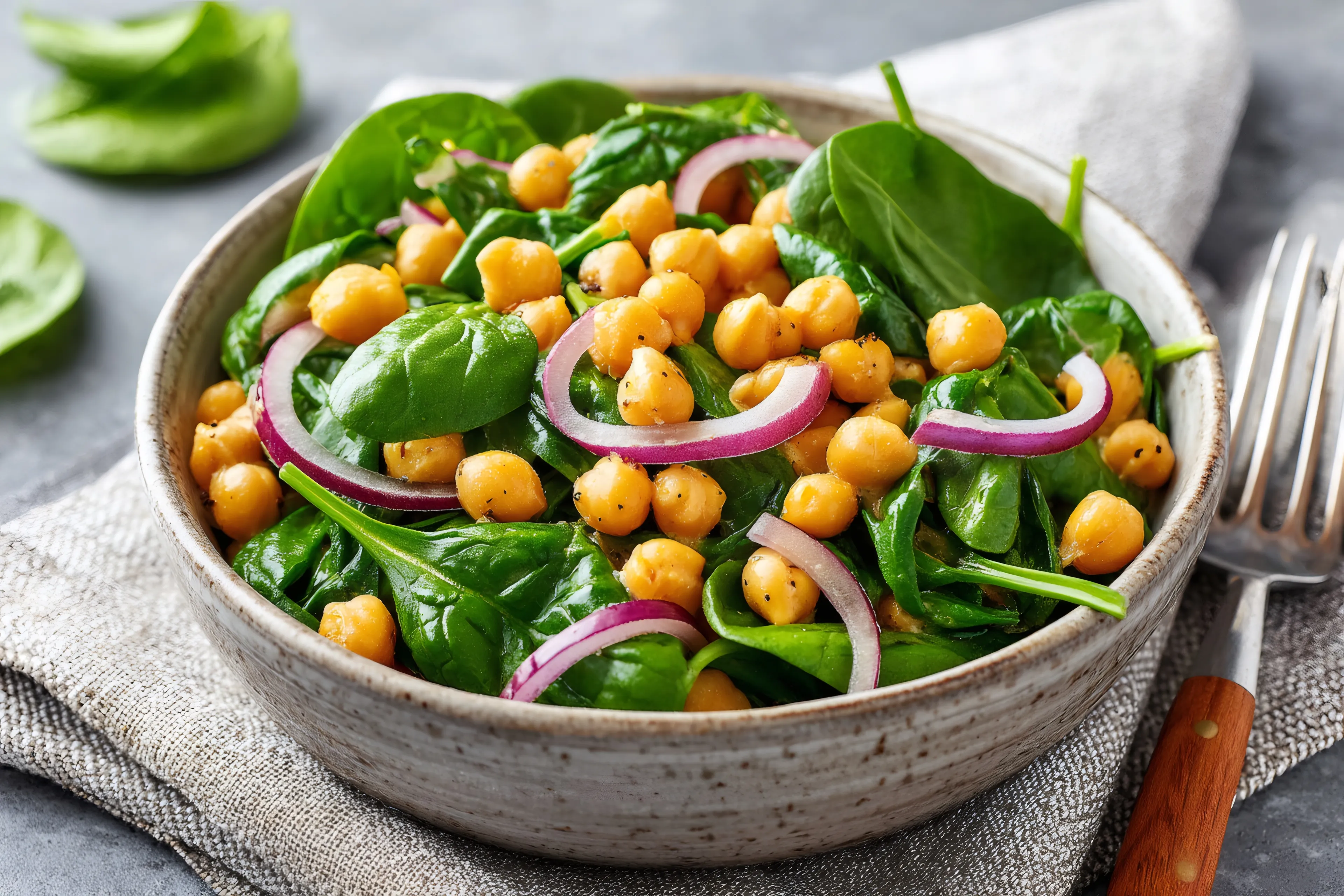
To help your baby absorb the maximum amount of iron from their chickpea meal, pair the chickpeas with a food rich in Vitamin C. Vitamin C significantly increases the absorption rate of plant-based iron. Excellent vitamin C-rich foods to mix with chickpea puree include:

  • Steam-cooked broccoli
  • Pureed red bell peppers
  • A small squeeze of fresh lemon juice
  • Pureed mango or strawberries (for older infants)

Allergies and Precautions

Chickpeas are legumes, belonging to the same botanical family as peanuts, soybeans, and lentils. While chickpea allergies are relatively uncommon in Western countries, they are more prevalent in regions where chickpeas are a dietary staple, such as the Middle East and India.

If your baby has a known allergy to other legumes, particularly lentils or peas, consult your paediatrician before introducing chickpeas.

How to Safely Introduce Chickpeas:

  • The Three-Day Rule: Introduce chickpeas on their own without offering any other new foods for three to five days. This makes it easy to identify chickpeas as the cause if an allergic reaction occurs.
  • Watch for Symptoms: Monitor your baby closely during and after the feed. Signs of an allergic reaction include hives, swelling of the lips or tongue, vomiting, diarrhea, wheezing, or difficulty breathing. If you observe any severe symptoms, seek immediate medical attention.

Conclusion

Introducing chickpeas can be a nutritious way to help your baby explore new flavours, textures, and foods from around six months, when they are developmentally ready for solid foods. Chickpeas provide plant-based protein, iron, fibre, folate, and other essential nutrients that support your baby’s growth and development. By cooking them thoroughly, serving them in an age-appropriate texture, introducing them gradually, and storing homemade chickpea baby food safely, you can make chickpeas an enjoyable part of your baby’s feeding journey. Always follow your baby’s readiness and feeding cues, and consult your paediatrician if you have concerns about introducing chickpeas or other new foods.

FAQS

Can babies eat canned chickpeas?

Yes, babies can eat canned chickpeas, provided they are thoroughly rinsed to remove excess sodium. Look for "no salt added" or "low sodium" options whenever possible to protect your baby's kidneys.

Do I need to peel the skins off chickpeas for baby food?

While not strictly mandatory, peeling the skins off chickpeas makes it much easier to achieve a perfectly smooth, lump-free puree. The skins can sometimes make the puree slightly grainy, which may trigger a baby’s gag reflex.

Can chickpeas cause gas in babies?

Yes, like most legumes, chickpeas contain complex sugars called oligosaccharides that can cause gas and mild bloating. To minimize gas, soak dried chickpeas overnight, rinse canned chickpeas thoroughly, cook them until they are very soft, and introduce them to your baby in very small quantities initially.

How long does homemade chickpea puree baby food keep?

You can store fresh homemade chickpea puree in an airtight container in the refrigerator for up to 3 days. If you want to store it longer, spoon the puree into clean silicone ice cube trays, freeze them solid, transfer the cubes to a freezer-safe bag, and keep them in the freezer for up to 3 months.

Can I feed my baby store-bought hummus?

It is best to avoid standard store-bought hummus for young infants. Commercial hummus often contains high amounts of sodium, preservatives, and tahini (sesame paste). Sesame is a common allergen, so it should be introduced carefully and intentionally on its own rather than hidden in a pre-made dip.

Apollo 247 Floating Action Button