logo
0

Chikoo (Sapota) for Babies: Easy Chikoo Puree Baby Guide

Wondering if chikoo is good for babies? Learn how to make nutritious chikoo puree baby food, when to introduce it, its health benefits, and safe serving tips.

article image

Dr. Mayank

Introducing your baby to the world of solid foods is one of the most exciting milestones of early parenthood. As you move beyond breast milk or formula, you want to choose baby foods that are not only packed with nutrients but also gentle on your little one's developing digestive system.

Among the many tropical fruits available, sapota (commonly known as chikoo or chiku) stands out as an exceptional choice. Preparing a simple chikoo puree baby meal is a fantastic way to introduce new textures and natural sweetness to your infant.

But you might be wondering: is chikoo good for babies, and how do you prepare it safely? In this comprehensive, paediatrician-approved guide, we will explore the nutritional benefits of this wonderful fruit, detail when and how to introduce it, and share easy, step-by-step recipes for chikoo puree for baby health and development.

What is Chikoo (Sapota)?

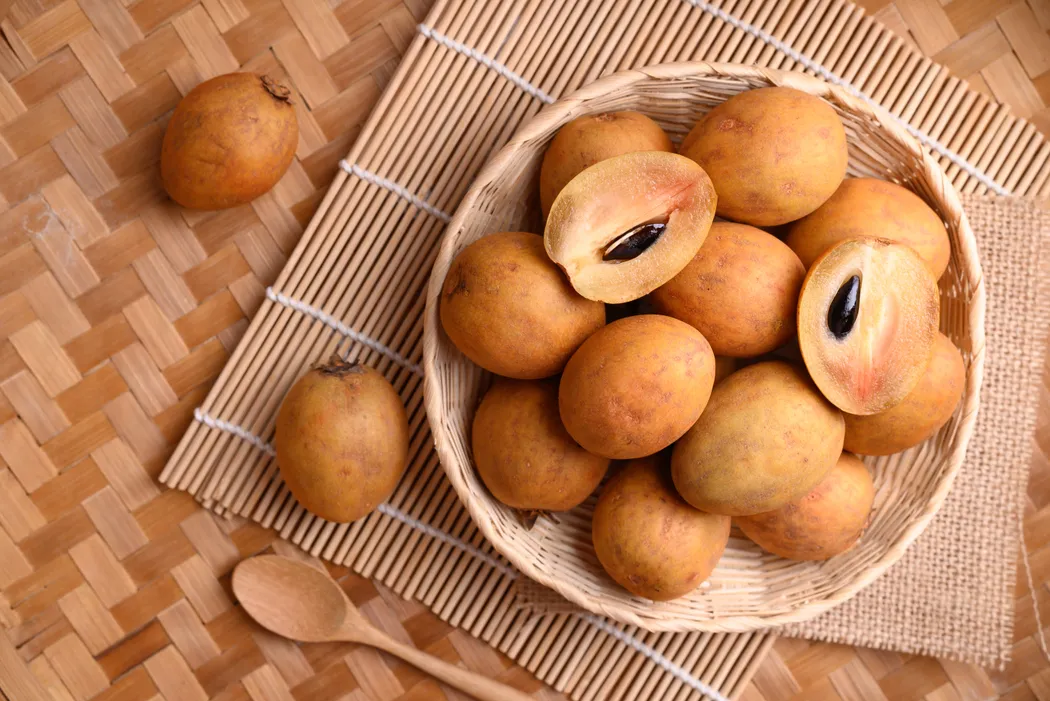
Chikoo is a tropical fruit native to Central America, but it is widely grown and loved across Asia, particularly in India. It is a round or oval berry with a brown, fuzzy skin that resembles a kiwi, and a sweet, grainy, yellowish-brown pulp inside. The flavour is often described as a delicious blend of brown sugar, caramel, and pear.

Because of its natural sweetness and soft, fleshy texture when ripe, it is an ideal fruit for babies who are transitioning to complementary solid foods.

Nutritional Profile: Why Sapota is Good for Babies

When you begin the weaning process, you want to offer calorie-dense, nutrient-rich foods. Many paediatric nutritionists agree that sapota is good for babies because of its nutritional profile. A serving of sapota provides vitamins, minerals, carbohydrates, and dietary fibre that can contribute to a varied diet during infancy.

Here is a breakdown of what makes a chikoo sapota baby puree a nutritious option for your little one:

  • High Caloric Content: Active, growing babies need plenty of energy. Chikoo is more calorie-dense than many other fruits, helping babies meet their daily energy requirements.
  • Dietary Fibre: Chikoo contains dietary fibre, which supports normal bowel function as part of a varied diet.
  • Vitamin C: This essential vitamin supports normal immune function and helps the body absorb iron from other dietary sources.
  • Vitamin A: Vitamin A contributes to healthy vision, skin, and normal immune function.
  • Essential Minerals: Sapota contains calcium, iron, potassium, copper, and phosphorus, which contribute to healthy bone development, muscle function, and other physiological processes.

When Can Babies Eat Chikoo?

The World Health Organization (WHO) and the Centers for Disease Control and Prevention (CDC) recommend exclusive breastfeeding or formula feeding for approximately the first six months of life. Around the six-month mark, babies may begin complementary foods when they show developmental signs of readiness.

These signs include:

  • Sitting Upright: Sitting with minimal to no support.
  • Good Head and Neck Control: Holding the head steady and upright.
  • Showing Curiosity: Watching what you are eating, reaching for food, or opening the mouth when food is presented.
  • Loss of the Tongue-Thrust Reflex: No longer automatically pushing food out of the mouth with the tongue.

Once your child shows these signs, a smooth chikoo puree for 6 month baby can be introduced as part of a varied complementary diet. Because ripe sapota is naturally soft and sweet, it can be easy to mash or puree. Introducing a sapota puree for baby at this stage provides another texture and flavour to explore.

Health Benefits of Chikoo for Infants

If you are wondering, is sapota good for babies' long-term development, let’s look at the specific nutritional benefits this fruit offers:

1. Promotes Smooth Digestion

The transition from milk to solid foods can sometimes cause digestive discomfort or constipation in infants. Because sapota contains dietary fibre, offering a small portion of sapota puree baby food can support normal bowel function as part of a varied diet.

2. Boosts Energy Levels

Babies undergo rapid physical growth and developmental changes in their first year. Chikoo contains naturally occurring sugars and carbohydrates that provide energy as part of a balanced diet.

3. Enhances Immune Defence

A strong immune system is important as babies explore their environments and encounter new microbes. The vitamin C and antioxidant compounds found in fresh sapota contribute nutrients that support normal immune function.

4. Supports Bone and Muscle Development

The presence of minerals like calcium, phosphorus, and potassium in sapota contributes to normal bone development and muscle function as part of an overall balanced diet.

How to Select and Prepare Chikoo for Baby Food

To ensure your baby gets the safest, most delicious meal, proper selection and preparation of the fruit are essential. Before blending a batch of chiku puree baby food, follow these selection guidelines:

  • Check for Ripeness: Gently press the fruit. A ripe chikoo will feel slightly soft to the touch, similar to a ripe avocado. Avoid hard, unripe chikoos, as they are more astringent and may be unpleasant to eat.
  • Inspect the Skin: Choose fruits with smooth, unblemished brown skin. Avoid those with deep bruises, cuts, or mould.
  • Scratch Test: Gently scratch the skin of the fruit. If the flesh underneath is green, it is unripe. If it is yellow or light brown, it is ripe and ready to use.

Step-by-Step Cleaning and Preparation

  • Wash Thoroughly: Wash the fruit under cool, running water to remove dirt, pesticide residues, or dust.
  • Peel Completely: Peel the skin away using a sharp knife or vegetable peeler.
    Cut the Fruit: Cut the fruit in half.
  • Remove the Seeds: Meticulously remove all the hard, black seeds. Chikoo seeds have a pointed hook-like end and can pose a choking hazard. Also remove the white, fibrous core from the centre of the fruit.

Step-by-Step Recipes: Chikoo Puree and Mash

Depending on your baby's age and chewing abilities, you can serve this fruit as a smooth puree or a textured mash.

Recipe 1: Classic Chikoo Puree (For 6 Months+)

This smooth, velvety chikoo puree baby food is suitable for infants who are just starting their solid food journey.

Ingredients:

  • 1 medium-sized ripe chikoo (sapota)
  • 1 to 2 tablespoons of breast milk, formula, or warm water (optional, to adjust consistency)

Instructions:

  1. Wash, Peel and Deseed: Wash, peel, and thoroughly deseed the ripe chikoo. Ensure the central fibrous core is removed.
  2. Chop: Chop the flesh into small, manageable pieces.
  3. Blend: Place the chopped pieces into a clean blender or baby food processor.
  4. Puree: Blend until you achieve a completely smooth, lump-free chikoo sapota puree baby mixture.
  5. Adjust Consistency: If the puree is too thick, stir in a splash of breast milk, formula, or warm water to reach a thin, easily swallowable consistency.
  6. Serve: Pour into a clean baby bowl and serve immediately.

Recipe 2: Textured Mashed Chikoo (For 8 Months+)

As your baby grows and develops oral motor skills, they need thicker textures to encourage chewing. This chikoo mash baby food provides a great sensory experience.

Ingredients:

  • 1 ripe, soft chikoo (sapota)
  • A tiny pinch of cardamom powder (optional, for a subtle aroma)

Instructions:

  1. Prepare the Fruit: Thoroughly wash, peel, deseed, and core the ripe sapota.
  2. Place in a Bowl: Place the fruit pieces in a clean, shallow bowl.
  3. Mash: Using a clean fork or a manual potato masher, press the fruit down until it forms a uniform, slightly textured mashed chikoo baby food.
  4. Add Cardamom: If desired, mix in a tiny pinch of cardamom powder to introduce your baby to mild spices.
  5. Serve Fresh: Serve fresh. This texture encourages your baby to practise moving food around their mouth with their tongue.
Recipe TypeRecommended AgeTextureBest For
Chikoo Puree6+ MonthsUltra-smooth, runnyBeginners, transitioning from milk
Chikoo Mash8+ MonthsThick, slightly lumpyDeveloping chewing skills, oral motor practice

Safety Precautions and Allergy Advice

While chikoo is generally safe when appropriately prepared, parents should always prioritise food safety when introducing any new food.

  • Introducing a New Food: When introducing chikoo for the first time, offering it on its own can make it easier to identify a possible reaction. There is no universal requirement to follow a strict three-day rule for every new food.
  • Allergy Watch: True allergies to sapota are uncommon, but they can happen. Watch your baby for signs of an allergic reaction, which may include hives, skin rashes, swelling of the lips or tongue, vomiting, diarrhoea, or difficulty breathing. If you observe signs of a serious allergic reaction, seek urgent medical attention.
  • Do Not Cook: Unlike harder fruits such as apples or pears, ripe chikoo does not need to be steamed or cooked before being mashed or pureed.
  • Choking Hazard: Never rush the deseeding process. A single overlooked seed can pose a choking hazard. Double-check the fruit pulp before blending or mashing.

FAQS

Can I give chikoo to my baby every day?

You can give your baby chikoo regularly in moderate amounts. However, it is always best to offer a wide variety of fruits and vegetables to ensure your child receives a diverse range of nutrients. A portion of 2 to 3 tablespoons of puree or mash may be appropriate for a 6-to-9-month-old, depending on the baby's appetite and overall diet.

Does chikoo cause a cold or cough in babies?

There is a common cultural belief that sweet, tropical fruits like chikoo cause colds and coughs in infants. Colds are caused by viral infections, not by eating fresh fruits. Chikoo can be included as part of a varied diet, but it does not prevent or treat a cold.

Can I store leftover chikoo puree?

It is best to serve freshly prepared chikoo puree when possible. If you have leftovers, store them promptly in a clean, airtight container in the refrigerator and use them within 24 hours. Do not leave the puree at room temperature for prolonged periods.

Is it safe to mix chikoo with other fruits?

Absolutely! Once your baby has successfully tried chikoo and other fruits individually without any adverse reactions, you can create combinations. Chikoo pairs well with mashed bananas, apple sauce, pear puree, or unsweetened plain whole-milk yoghurt.

How do I know if the chikoo is unripe?

Unripe chikoo is hard to the touch, and if you scratch the skin, it will show a green colour underneath. Unripe sapota is highly astringent and can have an unpleasant dry sensation in the mouth. Only serve fully soft, ripe fruit.

Apollo 247 Floating Action Button