logo
0

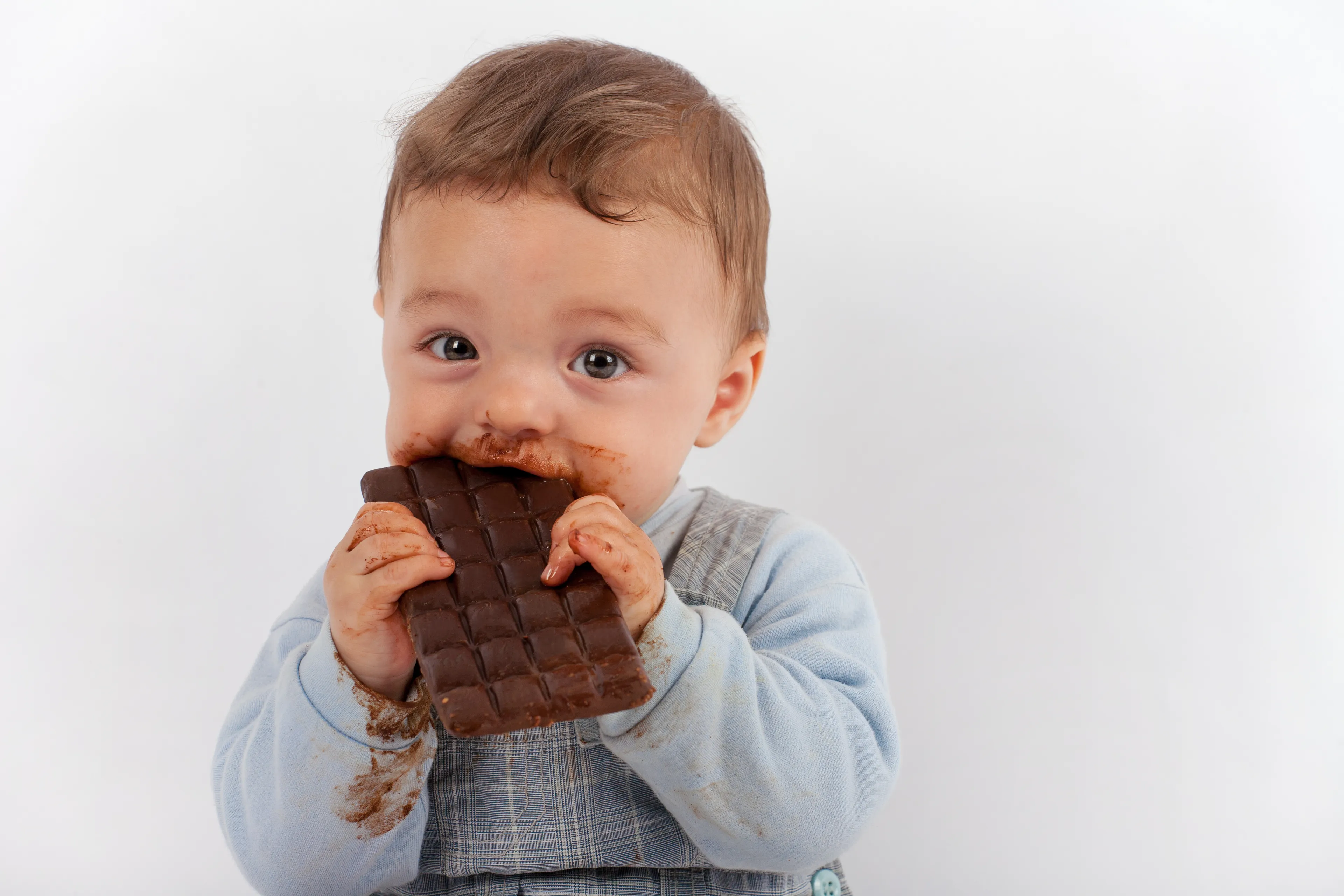
Chocolate for Babies: When Is It Safe

Learn when babies can safely eat chocolate, what to consider before introducing it, and how to choose healthier options for your little one.

article image

Dr. Vasantha Sree

As a parent, watching your baby discover new tastes and textures is one of the most exciting parts of their first year. When your little one transitions to solid foods, you might find yourself wanting to share some of your favourite treats with them. Naturally, chocolate is often at the top of that list. Whether it is a lick of chocolate ice cream, a bite of a brownie, or a sprinkle of cocoa powder in their morning porridge, it is hard to resist sharing the joy of chocolate.

However, when it comes to infant nutrition, chocolate is not as simple as fruits and vegetables. Parents frequently ask: is cocoa powder good for babies, and when is it actually safe to introduce chocolate to a child's diet?

In this comprehensive guide, we will break down the safety guidelines, developmental milestones, and nutritional facts about chocolate and cocoa powder for infants. You will learn the risks associated with chocolate, how to identify hidden ingredients, and how to safely navigate sweet treats as your baby grows.


When Can Babies Have Chocolate? A Developmental Timeline

The journey of introducing solid foods starts around six months of age. While this is an exciting milestone, paediatric health organizations—including the World Health Organization (WHO) and the American Academy of paediatrics (AAP)—recommend focusing strictly on nutrient-dense foods during the first two years of life.

Here is a breakdown of how chocolate fits (or doesn't fit) into your baby's diet at different developmental stages:

Can Babies Eat Chocolate at 6 Months?

At six months, your baby is just beginning to explore solid foods. Their digestive system is highly sensitive, and their brain is developing rapidly. Can babies eat chocolate at 6 months? The short answer is no. At this stage, your baby’s diet should consist entirely of breast milk or formula, alongside simple, single-ingredient whole foods like pureed vegetables, fruits, and iron-rich meats or infant cereals. Introducing chocolate at this age can upset their stomach and crowd out essential nutrients.

Can Babies Eat Chocolate at 9 Months?

By nine months, many babies are mastering the pincer grasp and eating a wider variety of finger foods. However, can babies eat chocolate at 9 months? It is still highly recommended to avoid it. While your baby might show curiosity about what is on your plate, their nervous system and kidneys are still too immature to handle the stimulants and sugars found in chocolate.

Can Babies Eat Chocolate at 1 Year?

The first birthday is a major milestone, and many parents wonder, can babies eat chocolate at 1 year? While a tiny bite of chocolate birthday cake is unlikely to cause severe harm, medical experts advise holding off on regular chocolate consumption.

If you are wondering, can a 1 year old baby eat chocolate, the general paediatric consensus is to wait. The AAP recommends that children under the age of two consume zero added sugars. Because almost all commercial chocolate products are heavily loaded with sugar, it is best to keep them off your one-year-old's menu.
 

Is Cocoa Powder Good for Babies?

If chocolate bars and candies are off-limits due to high sugar content, what about pure cocoa powder? It is natural to assume that unsweetened cocoa powder is a healthier alternative. But is cocoa powder good for babies? To answer this, we have to look at the nutritional profile of cocoa. While cocoa beans contain beneficial compounds, they also contain substances that are not suitable for an infant's developing body.
Benefits of Cocoa Powder

Potential Concerns for Babies

Contains iron, magnesium, and zinc

Contains caffeine, which may interfere with sleep

Provides antioxidants that help protect cells

Contains theobromine, a stimulant that may affect the nervous system

Contains beneficial plant compounds

May contain trace amounts of heavy metals, such as lead and cadmium

—

May cause digestive discomfort or acid reflux in some babies

While cocoa does offer antioxidants and minerals, the presence of stimulants and heavy metals means that the answer to "is cocoa powder good for babies" is generally no.

If you are wondering, is cocoa powder safe for babies in tiny, occasional amounts after their first birthday? The answer is yes—but it should not be a regular part of their diet. Their developing kidneys and liver are highly sensitive, and the benefits of the minerals in cocoa do not outweigh the potential neurological and sleep disruptions caused by its natural stimulants.
 

Dark Chocolate vs. Milk Chocolate for Babies

If you do decide to introduce chocolate as your child grows, you might wonder which type is best. Let’s compare dark chocolate and milk chocolate to understand their unique risks.

Can Babies Eat Dark Chocolate?

Dark chocolate is often praised as a healthy food for adults due to its high antioxidant count. However, can babies eat dark chocolate safely?

Actually, dark chocolate poses a higher risk for babies than milk chocolate when it comes to stimulants. The darker the chocolate, the higher the cocoa content—which means it contains significantly more caffeine and theobromine. For this reason, is dark chocolate good for babies? No. A baby’s brain is highly sensitive to stimulants, and even a small amount of dark chocolate can cause restlessness, increased heart rate, and severe sleep disturbances.

Furthermore, recent independent studies have shown that cocoa beans can absorb heavy metals like lead and cadmium from the soil. Because dark chocolate has the highest concentration of cocoa, it also carries the highest risk of heavy metal exposure. Therefore, you should not assume that dark chocolate good for babies is a true statement; in fact, it requires even more caution.

Can Toddlers Eat Dark Chocolate?

Once your baby transitions into toddlerhood, their tolerance changes. Can toddlers eat dark chocolate in moderation? Yes, after the age of two, a small, occasional bite of dark chocolate is generally safe, provided they do not show sensitivity to caffeine and it does not interfere with their sleep patterns.
 

Is Dairy Milk Chocolate Good for Babies?

Milk chocolate has a lower concentration of cocoa, meaning it contains less caffeine than dark chocolate. However, is dairy milk chocolate good for babies?

Again, the answer is no. Milk chocolate is highly processed and contains large amounts of added sugar and dairy. Introducing high-sugar foods early in life can program your baby's palate to prefer sweet foods, potentially leading to tooth decay, picky eating, and childhood obesity. Additionally, the milk content can be a trigger for infants with a cow's milk protein allergy or lactose sensitivity.


The Hidden Risks of Chocolate for Infants

Before you let your baby eat chocolate, it is crucial to understand the specific health risks involved:

  • Caffeine and Theobromine: These natural stimulants can cause hyperactive behavior, irritability, rapid heart rate, and insomnia. A baby's body takes much longer to process caffeine than an adult's.
  • Choking Hazards: Chocolate bars containing nuts, raisins, caramel, or hard chocolate chips pose a significant choking hazard for infants and toddlers under the age of four.
  • Allergies: Chocolate is rarely just cocoa. It often contains top allergens, including dairy, soy, wheat (gluten), peanuts, and tree nuts. If you are asking yourself, "can i give chocolate to my baby?", you must first consider if they have been safely exposed to these individual allergens beforehand.
  • Digestive Distress: The fat and cocoa solids in chocolate can be difficult for a baby’s immature digestive tract to break down, leading to gas, stomach cramps, or constipation.
     

Healthy, Chocolate-Free Alternatives for Babies

If you want to give your baby a rich, flavorful treat without the risks of chocolate, try these nutrient-dense, baby-safe alternatives:

  • Carob Powder: Carob looks and tastes remarkably like cocoa powder, but it is naturally sweet, completely caffeine-free, and contains no theobromine. You can easily stir a pinch of carob powder into oatmeal or yogurt.
  • Mashed Banana with Cinnamon: For a sweet, comforting treat, mash a ripe banana and add a tiny dash of warm cinnamon.
  • Baked Apples with Nut Butter: Bake an apple until soft, puree it, and swirl in a small amount of smooth peanut or almond butter (ensuring nut allergens have already been safely introduced).
     

Conclusion

Chocolate is best avoided during infancy, particularly before the age of two. Although cocoa contains antioxidants and minerals, chocolate products often contain added sugars, caffeine and theobromine, while some cocoa products may also contain trace amounts of heavy metals. As your child grows, small amounts of chocolate can be introduced occasionally as part of a balanced diet, with careful attention to portion size, ingredients and potential choking hazards. For babies and young children, prioritising nutrient-dense foods such as fruits, vegetables, whole grains and protein-rich foods is a better choice for healthy growth and development.
 

FAQS

Is chocolate good for babies?

No, is chocolate good for babies is a common question with a clear medical answer. Chocolate provides no essential nutrients that babies cannot get from healthier, safer sources. Due to its sugar, caffeine, and heavy metal content, it is not considered beneficial or healthy for infants.

Can babies eat chocolate if it is cooked in a baked good?

Cooking or baking does not destroy the caffeine, theobromine, or sugar present in chocolate. Therefore, chocolate cake, cookies, and brownies are still not recommended for babies under one year of age, and should be avoided until age two.

What should I do if my baby accidentally eats chocolate?

If your baby takes a small bite of chocolate, do not panic. Monitor them for signs of an allergic reaction (such as hives, swelling, or difficulty breathing) or digestive upset. Because of the caffeine, they may also seem hyperactive or struggle to nap. If they consume a large amount of dark chocolate, or chocolate containing raisins or macadamia nuts (which are toxic to some pets and hard to digest), contact your paediatrician immediately.

Can a baby eat dark chocolate if it is organic?

While organic dark chocolate is grown without synthetic pesticides, it still naturally contains caffeine, theobromine, and potential heavy metals absorbed from the soil. Therefore, organic options are still not recommended for infants.

Can a baby eat chocolate flavored yogurt or pudding?

It is best to avoid these. Chocolate-flavored yogurts and puddings marketed for children are typically highly processed and contain high amounts of added sugars and artificial preservatives, which do not align with paediatric nutritional guidelines for infants.

Apollo 247 Floating Action Button