Complementary Feeding: Solid Foods Guide and Feeding Chart
Complementary Feeding: Solid Foods Guide and Feeding Chart
Learn when and how to start complementary feeding with this complete solid foods guide, feeding chart, first foods, portions, and safe baby feeding tips.
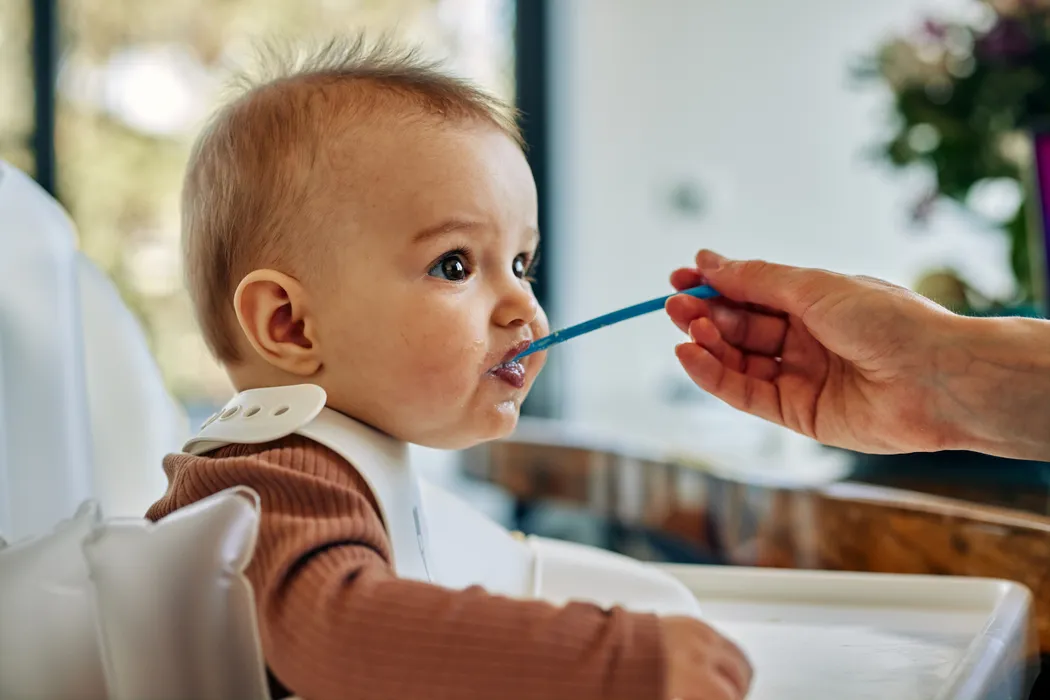
Starting solids is one of the most exciting milestones in a baby's first year. Complementary feeding is the process of introducing solid foods alongside breast milk or formula to meet your baby's growing nutritional needs. Understanding how and when to begin can make this transition smoother, safer, and more enjoyable for both you and your baby. This guide explains complementary feeding in simple, practical language, with age-based feeding schedules, food charts, portion guidance, and essential safety tips for every stage from six months to two years.
Complementary feeding means introducing foods and liquids other than breast milk or infant formula while continuing to breastfeed or bottle-feed. The word "complementary" is deliberate: solids complement milk, not replace it, especially in the first year.
This is different from weaning. Weaning refers to gradually reducing and eventually stopping breast milk or formula. Complementary feeding does not stop breastfeeding; it runs alongside it. Guidelines generally recommend exclusive breastfeeding for the first six months of life, after which complementary foods should be introduced while breastfeeding continues through two years or beyond.
When to Start: Readiness Signs for Solid Foods
Most babies are developmentally ready for solid foods around six months of age. Starting before four months is not recommended under any circumstances. The gut is not mature enough, and the swallowing reflex is still developing.
Signs your baby may be ready:
Can sit up with minimal support and hold their head steady
Shows interest in food, watching others eat or reaching toward the plate
Has lost the tongue-thrust reflex and no longer automatically pushes food out of the mouth
Can move food from the front to the back of the mouth and swallow
Has roughly doubled their birth weight
Readiness is developmental, not purely age-based. A baby who has not shown these signs by six months should be assessed by a paediatrician before you begin.
Complementary Feeding Schedule and Chart by Age (6-24 Months)
This section is the practical heart of any complementary feeding ppt or baby feeding guide. The complementary feeding schedule below is age-wise, covering texture, frequency, and portion size. Follow your baby's hunger and fullness cues; the portions are starting points, not rigid targets.
Soft roti, small paneer pieces, banana slices, soft lentils
12 to 24 months
Family foods, finely chopped
3 meals plus 2 snacks
Three-quarters to one small bowl
Rice, dal, sabzi, curd, soft chapati, fruit pieces
A few things to keep in mind when using this complementary feeding chart:
Breast milk or formula stays a key source of nutrition across all these stages Meal frequency increases gradually; do not rush from two to three meals in the first week Variety matters more than volume in the early months The baby feeding guide 6 months stage is often the trickiest because babies eat very small amounts and parents worry they are not eating enough. Trust the process. Appetite grows with practice.
Key Nutritional Requirements for Infants After 6 Months
After six months, breast milk alone cannot supply all the nutrients a rapidly growing baby needs. Knowing the nutritional requirements for infants helps you build a balanced plate from the start.
Iron: The most important nutrient after six months because a baby's natural iron stores begin to decrease. Offer iron-rich foods such as pureed meat, dal, rajma, iron-fortified infant cereals, and dark green leafy vegetables. Pair these foods with a source of vitamin C, such as tomato or soft-cooked guava, to improve iron absorption.
Zinc: Essential for healthy growth and a strong immune system. Good sources include meat, poultry, legumes, dairy products, and beans.
Protein: Supports muscle, tissue, and overall body development. Include foods such as dal, eggs, paneer, curd, and well-cooked boneless fish as your baby grows.
Healthy Fats: Important for brain development and the absorption of vitamins A, D, E, and K. Add a small amount of ghee or cold-pressed oil to cooked foods to increase healthy calorie intake.
Breast Milk or Formula: Continue breastfeeding or formula feeding alongside complementary foods throughout the first two years. Solid foods provide additional nutrients that milk alone can no longer supply in sufficient amounts, while breast milk or formula continues to offer valuable nutrition and immune support.
Breast milk or formula should continue alongside solids throughout the first two years. Solids add what milk can no longer supply in sufficient quantities; they do not replace its immune and nutritional benefits.
Foods to Avoid and Choking Hazards
Certain foods carry a real safety risk for babies in the first year. Good complementary feeding practices include knowing what to leave out, not just what to include.
Honey: Never give honey to a baby under 12 months of age. It can contain spores that cause infant botulism, a potentially life-threatening illness.
Cow's Milk: Do not replace breast milk or formula with cow's milk as a main drink before 12 months. However, small amounts of cow's milk used in cooking are generally acceptable.
Added Salt and Sugar: Keep added salt and sugar to an absolute minimum. A baby's kidneys are not mature enough to handle high sodium intake, and early exposure to sugar can influence lifelong food preferences.
Choking Hazards: Avoid whole nuts, raw carrots, whole grapes, large chunks of bread or meat, and popcorn, as they are common choking hazards. Always serve foods in small, age-appropriate pieces and supervise your baby during mealtimes.
Caffeinated and Sugary Drinks: Do not give babies caffeinated drinks, sugary fruit juices, or foods and drinks containing artificial sweeteners, as they provide no nutritional benefit and are not suitable during infancy.
If your baby ever shows signs of illness after a meal, such as difficulty breathing or swallowing, seek emergency help immediately. For milder concerns that arise over time, knowing about recognizing ear infection signs in babies or choosing a safe cough syrup for kids can help you stay prepared for common infant health issues alongside feeding milestones.
Contraindications and When to Seek Medical Advice
Some babies need additional medical supervision before starting complementary feeding. This is not a reason to delay unnecessarily, but it is a reason to check first.
Speak to your paediatricians before introducing solids if:
Your baby was born prematurely. Corrected age, not birth age, determines readiness, and some preterm babies have additional feeding challenges.
There is a strong family history of severe food allergies, eczema, or asthma. Early introduction of allergenic foods such as peanut, egg, and fish under medical guidance may reduce risk in some cases, but this should be discussed with your doctor before you try at home.
Your baby has a diagnosed medical condition such as a metabolic disorder, cardiac condition, or swallowing difficulty. A dietitian or specialist should be involved in the feeding plan.
Your baby has had a previous allergic reaction to any food.
Report adverse events or unexpected reactions to your healthcare provider or the relevant regulatory authority.
Signs of Food Allergy or Intolerance in Babies
Introducing new foods one at a time, with two to three days between each new food, makes it easier to spot a reaction. Signs that may indicate a food allergy or intolerance include:
Hives, rash, or swelling of the face, lips, or tongue
Vomiting or persistent diarrhea after a particular food
Excessive crying or visible discomfort after feeds
Runny nose, watery eyes, or wheezing
These symptoms do not always mean allergy; they can also point to a viral illness or intolerance. Do not attempt to self-diagnose. If you notice any of these signs after introducing a new food, stop that food and contact your paediatrician before trying it again.
Conclusion
Complementary feeding is an important step in supporting your baby's growth, nutrition, and development from six months onwards. Starting at the right time, offering a variety of nutrient-rich foods in age-appropriate textures, and continuing breast milk or formula alongside solids helps build healthy eating habits during the first two years of life. By following a gradual feeding schedule, watching for your baby's hunger and fullness cues, and avoiding choking hazards and unsafe foods, you can make the transition to solid foods safe, enjoyable, and nutritious.
FAQS
What is the best first food for a baby?
Single-ingredient, soft-cooked foods work well as first foods: rice or ragi porridge, mashed banana, or pureed moong dal are popular starting points in India. The most important factor is smooth texture and a single ingredient, so you can identify any reaction easily.
Can I give water to my baby along with solids?
Small sips of clean water can be offered when solids begin at six months, but large amounts are not needed and can fill a small stomach before milk or food. Before six months, water is not recommended at all.
How much food should a 9-month-old eat in a day?
A 9-month-old typically manages around half a small bowl per solid meal, with three meals and one to two snacks daily alongside continued breastfeeding or formula. Appetite varies significantly between babies; consistent interest in food and steady weight gain matter more than exact volumes.
What is the ideal consistency of food for a 6-month-old?
Food should be smooth enough to fall off a spoon with gentle shaking, similar to thick yoghurt. Lumps, fibrous strings, or hard pieces are not appropriate at this stage because babies are still learning to move food to the back of the mouth.
When can babies eat the same food as the family?
From around twelve months, most babies can eat a soft version of family meals, provided added salt, sugar, and spicy seasoning are kept low. Texture should still be chopped or mashed rather than left in large pieces.