logo
0

Cow Milk for Infants: A2, Plant-Based Milk Compared

Compare cow milk, A2 milk, and plant-based milk to understand their nutritional differences, age suitability, and important considerations for your infant's diet.

article image

Dr. Mayank

Choosing the right milk for your child is an essential part of early parenting. During the first year of life, exclusive breastmilk or iron-fortified infant formula provides all the hydration, healthy fats, and micronutrients a baby needs to grow. As your child approaches their first birthday, questions naturally arise about introducing plain cow milk, exploring A2 varieties, or opting for plant-based drinks. Making an informed choice ensures your child receives adequate calories, protein, and bone-building minerals without overloading their developing kidneys or digestive tract.

Supermarket shelves offer a wide array of whole dairy, specialised indigenous milks, and plant-derived cartons. Understanding the nutritional differences, appropriate introduction timelines, and health safety rules will help you select the safest option for your child.

Why Milk Choice Matters in Infant Nutrition?

For the first 12 months, an infant's digestive system is uniquely built to process human milk or infant formula. Breastmilk supplies the right balance of whey and casein proteins, essential fatty acids, and bioavailable iron that an infant's gut absorbs easily. Introducing alternative animal milks or commercial plant beverages as a primary beverage before one year can lead to nutritional deficits and intestinal stress.

Once a baby reaches 12 months of age, their digestive tract and kidneys are sufficiently mature. At this point, milk transitions from being the main source of nutrition to a complementary beverage consumed alongside a diverse solid-food diet. The main role of milk during the toddler years is to supply concentrated dietary fat for brain growth, calcium for skeletal strength, and high-quality protein for muscle development.

Picking the wrong milk, such as low-protein plant drinks or skimmed dairy, can lead to poor weight gain or micronutrient deficiencies. While managing daily routines like feeding schedules and basic hygiene, detailed in our newborn care essentials guide, keeping nutrition aligned with age-appropriate milestones remains vital for long-term health.

Cow Milk: Nutritional Profile and When It's Safe

Pediatric bodies, including the Indian Academy of Pediatrics (IAP) guidelines on infant feeding, recommend waiting until an infant is at least 12 months old before introducing plain cow milk as a primary drink.

Before age one, is cow milk safe for infants? The answer is no. Standard cow milk presents several physiological challenges for babies younger than 12 months:

  • Renal Solute Load: Cow milk contains high concentrations of protein, sodium, potassium, and chloride. An infant's immature kidneys cannot concentrate urine efficiently, creating a risk of dehydration and metabolic strain.
  • Iron Deficiency: Cow milk contains minimal iron, and the small amount present is poorly absorbed. Using cow milk for infants under one year can replace iron-rich feeds and trigger iron-deficiency anaemia.
  • Intestinal Blood Loss: The large intact proteins in cow milk can irritate the lining of an infant's gut, causing microscopic blood loss in the stool and worsening anaemia.

The timeline for when to introduce cow milk to baby diets changes after the first birthday. At 12 months, whole cow milk becomes a nutrient-dense beverage. It delivers roughly 8 grams of protein per cup (240 ml), alongside calcium, phosphorus, riboflavin, and vitamin B12. Pediatricians recommend whole-fat dairy for children aged 1 to 2 years because the dietary fats are crucial for central nervous system and brain development. Skimmed or low-fat milk should not be given during this window unless specifically directed by a doctor.

A2 Milk vs Regular Cow Milk: Key Differences

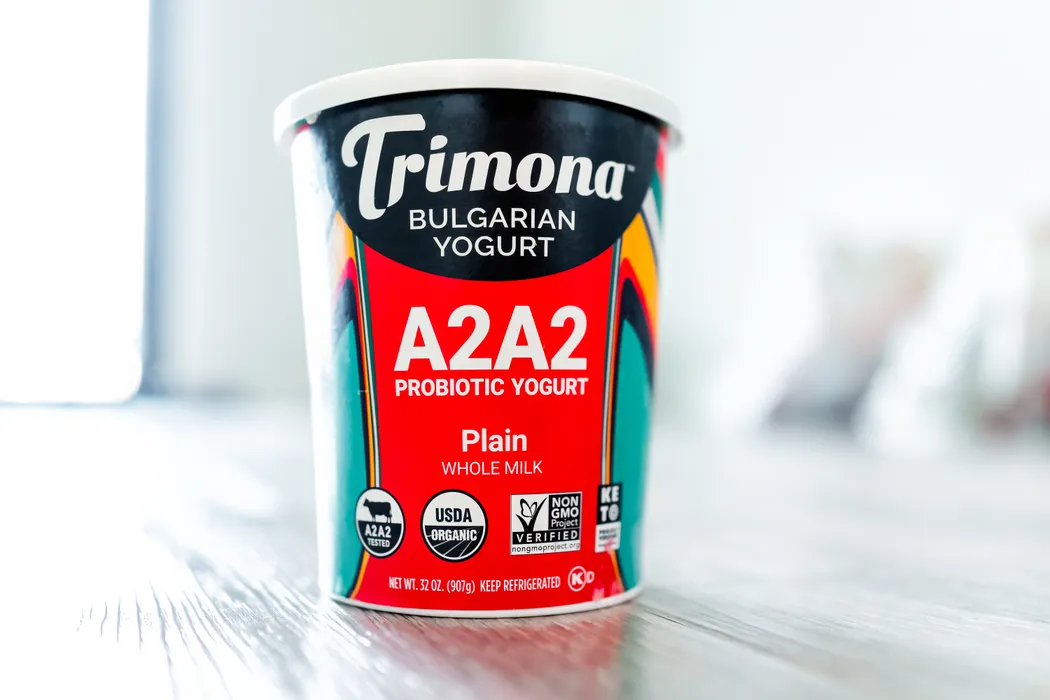
In recent years, A2 milk has gained attention among parents seeking gentler dairy options. To evaluate A2 milk vs cow milk, you must look at the milk's protein structure.

About 80 percent of the protein in cow milk is casein, and a major component is beta-casein. Historically, cows produced milk containing only the A2 type of beta-casein protein. Over time, a natural genetic mutation in European dairy herds led to the emergence of the A1 beta-casein variant. Today, conventional dairy herds produce a mixture of A1 and A2 proteins, whereas indigenous Indian zebu breeds (such as Gir, Sahiwal, and Red Sindhi) produce milk containing exclusively A2 beta-casein.

When digested in the human intestine, A1 beta-casein breaks down to release a peptide called beta-casomorphin-7 (BCM-7). In some individuals, BCM-7 is thought to slow gastrointestinal transit, increase inflammation, and cause symptoms mimicking lactose intolerance, such as bloating, loose stools, and abdominal cramping. A2 beta-casein does not break down into BCM-7 in this manner.

While some adult studies indicate that A2 milk may cause less digestive discomfort in people sensitive to A1 proteins, clinical evidence in young children remains limited. If a toddler exhibits mild digestive fussiness on regular dairy, switching to A2 milk may be considered under medical advice.

A2 milk is not a treatment for cow milk protein allergy (CMPA). Children with a true dairy allergy react to various whey and casein proteins present in both A1 and A2 milk, meaning A2 milk carries the same allergic risk as regular cow milk.

Plant-Based Milk Alternatives: Soy, Almond, Oat

With the rise of plant-based diets, many parents wonder about plant-based milk for babies. Plant-derived beverages, such as soy, almond, oat, and coconut milks, differ significantly from mammalian milk in their nutritional makeup.

Commercial plant drinks should never be used as a replacement for breastmilk or infant formula during the first year of life. Doing so can cause severe protein-calorie malnutrition, electrolyte imbalances, and micronutrient deficiencies.

For toddlers older than 12 months, plant-based beverages may be used if fortified properly, though they are rarely the best milk for toddlers without medical reasons:

  • Fortified Soy Milk: Soy milk is the closest nutritional substitute to cow milk. When fortified with calcium, vitamin D, and vitamin B12, it provides a similar amount of complete protein (about 7 grams per cup) and adequate dietary fat. It serves as an acceptable alternative for vegan toddlers or those with dairy allergies.
  • Almond Milk: Almond milk is naturally very low in protein (often less than 1 to 2 grams per cup) and calories. It does not provide the energy density required for a toddler's rapid growth unless used strictly as an occasional drink within a nutrient-heavy solid diet.
  • Oat Milk: Oat milk provides more carbohydrates and calories than almond milk, but it remains low in protein (around 2 to 3 grams per cup) and lacks essential fatty acids unless fortified.

If a plant beverage is selected for a toddler, check the nutrition label to ensure it is unsweetened and fortified with at least 300 mg of calcium and 100 IU of vitamin D per 240 ml serving.

Comparison Table: Cow Milk vs A2 Milk vs Plant-Based Milk

The following table compares the typical nutritional profiles and safety considerations of various milk types per 240 ml (1 cup) serving for young children:

Milk TypeProtein (g)Calcium (mg)Common AllergensMinimum Safe AgeFortification Needed
Whole Cow Milk8280 to 300Dairy (casein, whey)12 MonthsOptional (Vitamin D often added)
A2 Whole Milk8280 to 300Dairy (casein, whey)12 MonthsOptional (Vitamin D often added)
Fortified Soy Milk7300 (fortified)  Soy12 MonthsYes (Calcium, Vitamin D, B12)
Almond Milk (Unsweetened)1 to 1.5300 to 450 (fortified)Tree nuts12 MonthsYes (Calcium, Vitamin D)
Oat Milk (Unsweetened)2 to 3300 to 350 (fortified)Gluten (if not certified gluten-free)12 MonthsYes (Calcium, Vitamin D)

Contraindications and Who Should Avoid Cow Milk

Cow milk is not suitable for every toddler. Knowing who should avoid it helps prevent adverse metabolic and allergic complications.

  • Infants Under 12 Months: Due to high renal solute load, low bioavailable iron, and the risk of gut bleeding, whole cow milk is contraindicated as a primary drink for infants under 1 year old.
  • Cow Milk Protein Allergy (CMPA): Children diagnosed with CMPA have an immune-mediated response to dairy proteins. They must avoid all forms of cow milk, A2 milk, and buffalo milk. These children require specialised extensively hydrolysed formulas, amino acid-based formulas, or fortified soy beverages under pediatric supervision.
  • Primary or Secondary Lactose Intolerance: Toddlers who lack the lactase enzyme cannot break down lactose, resulting in diarrhoea, gas, and abdominal pain. They require lactose-free whole cow milk or fortified plant alternatives.
  • Toddlers with Severe Iron Deficiency: Children consuming excessive amounts of milk (greater than 500 ml per day) may develop milk-induced anaemia, as the high calcium and casein intake inhibits non-heme iron absorption from solid foods.

Signs of Milk Intolerance or Allergy in Babies

When introducing dairy to your child's diet after 12 months, monitor them closely for adverse reactions. Dairy-related issues generally fall into two categories: IgE-mediated reactions (rapid onset) and non-IgE-mediated reactions or intolerances (delayed onset).

Common warning signs include:

  • Skin reactions such as hives, red rashes around the mouth, or worsening eczema.
  • Gastrointestinal issues, including frequent spitting up, projectile vomiting, chronic diarrhea, hard stools, severe abdominal cramping, or blood and mucus in the diaper.
  • Respiratory symptoms such as persistent wheezing, chronic coughing, or nasal congestion immediately after feeds.
  • Systemic signs, including unexplained irritability, feeding refusal, or poor weight gain (failure to thrive).

If you notice severe facial swelling, wheezing, or lethargy, seek emergency medical care immediately. Report adverse events to your healthcare provider or the relevant regulatory authority. Always consult your pediatrician before making major changes to your baby's milk type or eliminating dairy entirely.

Conclusion

Cow milk, A2 milk, and plant-based milks differ significantly in their nutritional composition and suitability for infants. During infancy, breast milk or an appropriate infant formula is generally the primary source of nutrition, while other types of milk may not provide all the nutrients needed for healthy growth. The right choice depends on your child's age, nutritional requirements, allergies or intolerances, and overall diet. Consulting a paediatrician can help parents make an age-appropriate and nutritionally suitable decision for their infant.

FAQS

At what age can babies start cow milk?

Babies should start drinking whole cow milk only after reaching 12 months of age. Introducing it earlier risks renal strain, digestive irritation, and iron-deficiency anaemia due to its high mineral content and low iron availability.

Is A2 milk good for babies?

A2 milk is safe for toddlers over 12 months old and provides identical protein and calcium levels to standard dairy. While it may reduce mild digestive discomfort in some toddlers, it is not safe for children with diagnosed dairy allergies.

Can toddlers drink plant-based milk instead of cow milk?

Toddlers over one year can drink fortified soy milk as a safe alternative if they have dairy allergies or dietary restrictions. Other plant drinks, like almond and oat milk, lack sufficient protein and fats to serve as a complete milk substitute.

What are signs of cow milk allergy in infants?

Signs include hives, facial swelling, vomiting, severe diarrhoea, blood in the stool, worsening eczema, chronic wheezing, and poor weight gain. An immediate allergic reaction requires urgent medical evaluation by a pediatrician.

Is buffalo milk better than cow milk for babies?

Buffalo milk is not recommended as a primary drink for infants or young toddlers because it contains significantly higher fat and protein levels than cow milk. This heavy composition places excessive strain on immature kidneys and digestive systems.

Apollo 247 Floating Action Button