logo
0

Curdled Milk in Babies: Causes & When to See a Doctor

Learn what curdled milk in baby spit-up means, common causes, normal vs warning signs, precautions, and when to seek medical care.

article image

Dr.Ezhilrasan

Few things startle a new parent more than picking up their baby and discovering a white, lumpy mess on their shoulder. Understanding the curdled milk meaning in infant spit-up can save you a great deal of worry, because most of the time it is simply your baby's stomach doing exactly what it is supposed to do.

What Does Curdled Milk Mean in Baby Spit-Up?

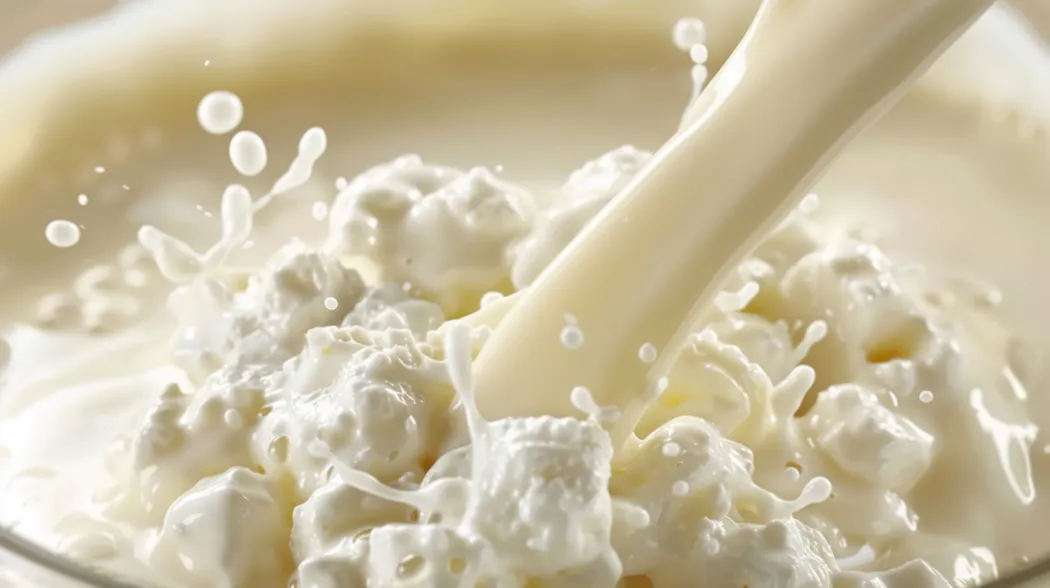
When a baby spits up and the milk looks thick, lumpy, or similar to cottage cheese, what you are seeing is curdled milk. Curdling happens because stomach acid reacts with casein, the main protein in breast milk and formula. This is a completely normal chemical process, the same one that turns milk into yoghurt or cheese.

The longer milk sits in the stomach before coming back up, the more curdled it looks. A baby who spits up within a minute or two of feeding may produce fresh, white liquid. One who spits up 15 to 20 minutes after a feed will likely produce the chunky, curdled version. Neither appearance tells you the spit-up is harmful on its own.

What separates curdled milk spit-up from vomit is mostly effort and volume. Spit-up tends to dribble out passively, often without the baby seeming to notice. Vomit is forceful, usually projectile, and comes in a larger volume. Both can look curdled if digestion has had time to start.

Common Causes of Curdled Milk Spit-Up

Knowing why milk curdles in a baby's stomach helps you spot patterns and make small adjustments.

  • Overfeeding: Overfeeding is the most common reason. A newborn's stomach is small, and excess milk has nowhere to go except back up.
  • Delayed Burping: Delayed burping lets air bubbles build up. When that trapped air finally escapes, it brings milk with it.
  • Gastroesophageal Reflux: Gastroesophageal reflux (GER) is extremely common in infants. The muscle at the bottom of the oesophagus is still maturing, so stomach contents, including partially digested curdled milk, slip back up easily.
  • Slow Gastric Emptying: Slow gastric emptying means milk stays in the stomach longer before moving to the intestines, giving it more time to curdle before it is regurgitated.
  • Feeding Position: Feeding position also plays a role. Lying a baby flat during or immediately after a feed makes reflux more likely.

Most of these causes resolve on their own as the baby grows and the digestive system matures, usually by around six months to one year of age.

When Curdled Spit-Up Is Normal vs a Warning Sign

Baby spit-up that looks like cottage cheese is alarming to look at but is usually harmless. Here is a simple way to tell the difference.

Signs the curdled spit-up is normal:

  • Small to moderate volume
  • Baby seems content, feeds well, and gains weight normally
  • No fever, rash, or unusual fussiness
  • Happens occasionally, especially after larger feeds
  • Baby is meeting developmental milestones

Signs that need medical attention:

  • Forceful or projectile vomiting at most or all feeds
  • Blood or green/yellow bile in the spit-up
  • Baby is losing weight or not gaining as expected
  • Persistent crying or arching of the back after feeds
  • Signs of dehydration: fewer wet nappies, dry mouth, sunken fontanelle
  • Fever alongside curdled milk vomit in the baby

Reflux curdled milk in infants is normal up to a point. When reflux causes significant distress, poor weight gain, or feeding refusal, it crosses into a condition called gastroesophageal reflux disease (GERD), which does need medical management.

When to Consult a Doctor

Contact your paediatrician promptly if your baby is vomiting forcefully, showing signs of dehydration, or if you notice blood or bile in the spit-up. These are not situations to manage at home.

Seek emergency care immediately if your baby has a high fever along with vomiting, appears limp or unresponsive, has a swollen or tender abdomen, or shows a sunken soft spot on the skull.

Your doctor may ask about feeding frequency, volume, and positioning before recommending any treatment. Any medication, including prescribed antacids or motility agents, should be given only as directed by a qualified healthcare provider. Do not adjust dosages or stop medications without professional guidance.

Report adverse events to your healthcare provider or the relevant regulatory authority.

For broader guidance on caring for your newborn, including hygiene and feeding routines, see this newborn care basics guide.

Contraindications and Precautions

When a baby throwing up curdled milk causes concern, many parents reach for home remedies or over-the-counter products. There are important limits to what is safe.

  • Gripe Water: Gripe water and similar preparations often contain sodium bicarbonate or herbal extracts. These are not recommended for newborns without a doctor's approval, as the safety profile in very young infants is not well established.
  • Simethicone: Simethicone drops are sometimes used for gas; always confirm with your paediatrician before starting any supplement or OTC product.
  • Inappropriate Feeds: Never give cow's milk, diluted formula, or herbal teas to an infant under six months in place of breast milk or standard infant formula.
  • Milk Protein Allergy: If a milk protein allergy is suspected, do not switch formula types without medical guidance. An incorrect switch can worsen symptoms.
  • Prescribed Medication: Parents using any prescribed medication for infant reflux should complete the full course as directed and not stop abruptly without consulting their doctor.

Home positioning measures, such as keeping the baby upright for 20 to 30 minutes after feeds and ensuring a correct latch during breastfeeding, are safe first steps and often very effective.

Conclusion

Curdled milk in a baby's spit-up is usually a normal result of milk mixing with stomach acid during digestion. Occasional, small-volume spit-up in a baby who feeds well and gains weight is generally reassuring. However, forceful vomiting, blood or bile, dehydration, poor weight gain, or unusual lethargy requires prompt medical assessment. When in doubt, consult your paediatrician rather than relying on home remedies or self-treatment.

FAQS

Is curdled milk spit-up normal in newborns?

Yes, it is very common. Newborn stomachs are small, and the valve between the oesophagus and stomach is still developing, so partially digested, curdled milk coming back up after feeds is a normal part of early infancy for most babies.

How is curdled milk different from vomiting?

Curdled milk spit-up flows out passively and in small amounts, while vomit is typically forceful and larger in volume. Both can look curdled if the milk has had time to mix with stomach acid, but the force and quantity are the key differences between curdled milk and vomit.

Can overfeeding cause curdled milk spit-up?

Yes. Offering more milk than the baby's stomach can comfortably hold means the excess has to go somewhere, and spit-up is the result. Feeding smaller amounts more frequently and pausing to burp mid-feed can reduce this significantly.

Does curdled spit-up mean reflux or allergy?

Not necessarily. Why does baby spit up curdled milk is often explained simply by normal digestion. Reflux is a common contributing factor, but a milk protein allergy is less frequent and usually comes with other signs such as rashes, blood in stool, or persistent distress beyond typical spit-up.

When is curdled milk vomit an emergency?

Seek emergency care if your baby has projectile vomiting at every feed, shows signs of dehydration, has blood or bile in the vomit, runs a high fever, or appears unusually lethargic. These symptoms go beyond normal spit-up and need prompt medical evaluation.

Apollo 247 Floating Action Button