logo
0

Dates for Babies: Benefits, Safety & How to Introduce

Learn when and how to safely introduce dates to babies, their nutritional benefits, the best dates for babies, and how to prepare date purée at home.

article image

Dr. Ezhilrasan

The journey of introducing solid foods to your little one is an exciting milestone. As a parent, you want to offer nutrient-rich, delicious and safe options to support your baby's growth and development. One sweet, natural treat that often comes to mind is dates. Known as "nature's candy", dates are packed with vitamins and minerals, but you might be wondering: which dates are good for babies, and when is it safe to offer them?

In this article, we will cover everything you need to know about giving dates to your little one, including safety precautions, age-by-age feeding guidelines, health benefits and how to prepare them at home.

When Can I Give Dates to My Baby?

As you begin your solid foods journey, you might ask: when can I give dates to my baby, and when can we introduce dates to a baby safely?

According to guidelines from the World Health Organization (WHO) and the Centers for Disease Control and Prevention (CDC), babies can start eating solid foods around 6 months of age. At this stage, your baby should be showing signs of readiness, such as having good head control and sitting up with minimal support.

But can I give dates to my 6-month-old baby? Yes, a 6-month baby can eat dates if they are prepared in a safe, easy-to-swallow format. However, because whole dates are sticky, tough and present a significant choking hazard, you should never give a whole date to a young baby.

If you are wondering, can a 6 month baby eat dates in their raw form, the answer is no. Instead, you can prepare a smooth purée. Can we give date purée to a 6-month baby? Absolutely. Offering a soft, diluted purée is the safest way to introduce this nutritious fruit to a beginner eater.

Health Benefits: Are Dates Good for Babies?

Many parents ask, are dates good for babies, and are dates good for babies to eat? The answer is a resounding yes! Dates are highly nutritious and offer several health benefits for growing infants. When introduced properly, dates are good for babies because they contain essential vitamins, minerals and dietary fibre.

Here is a look at why dates are good for babies and are a wonderful addition to their weaning diet:

  • Excellent Source of Energy: Dates are rich in natural sugars like fructose and glucose, providing a healthy energy boost for your active, growing baby.
  • Relieves Constipation: Constipation is a common issue when infants start solids. Dates are high in dietary fibre, which helps promote healthy bowel movements and smooth digestion.
  • Rich in Essential Minerals: Dates contain calcium and magnesium, which are vital for strong bone development, as well as potassium, which supports healthy heart and brain function.
  • Supports Brain Development: Dates contain folate and vitamin B6, which play a crucial role in cognitive and neurological development.
  • Helps Prevent Anaemia: While not a replacement for iron-rich foods like meat or beans, dates contain a small amount of non-haem iron, contributing to your baby's daily iron intake.

Because of these benefits, it is easy to see why dates are good for babies when offered as part of a balanced, varied diet.

Which Dates Are Good for Babies?

When shopping, it is easy to get overwhelmed by the varieties available on the shelves. If you are wondering which dates are good for babies and which type of dates are good for babies, here is what you need to know.

1. Medjool Dates

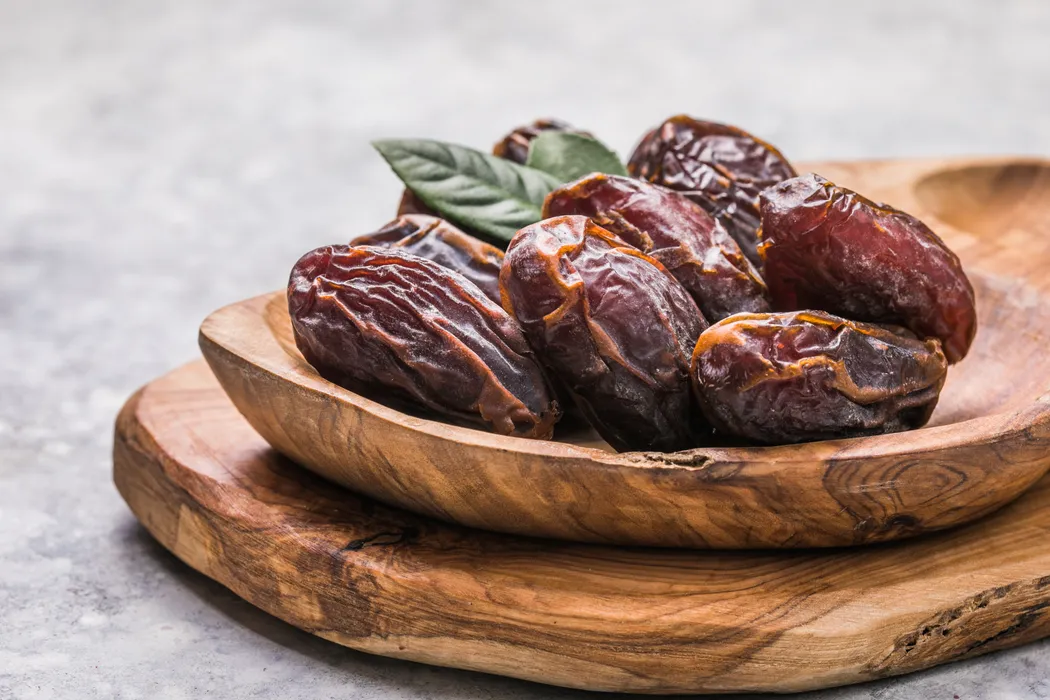
Medjool dates are widely considered the best dates to eat for baby food. They are large, soft, moist and naturally very sweet. Because they have a high moisture content, they blend easily into a smooth baby food paste without leaving tough, fibrous chunks.

2. Deglet Noor Dates

Deglet Noor dates are smaller and have a slightly firmer, semi-dry texture. While they are still highly nutritious, they require longer soaking in warm water before they can be blended into a smooth date purée baby food.

3. Organic and Unsulfured Dates

When deciding which dates are good for babies, always opt for organic, unsulfured and preservative-free varieties. Some commercial dried fruits are treated with sulphur dioxide to extend their shelf life, which can trigger allergic reactions or digestive distress in sensitive infant tummies.

If you are unsure which brand dates are good for babies, look for reputable organic brands at your local health food store that list "dates" as the single ingredient, with no added sugars or preservatives.

Date Powder and Date Syrup: Are They Safe?

As your baby grows, you might look for natural sweeteners to flavour their porridge or yoghurt. This leads to questions like: is date powder good for babies, and is date syrup good for babies?

Is Date Powder Safe for Babies?

Yes, is date powder safe for babies is a common query, and the answer is yes, provided it is 100% natural. Date powder is simply dehydrated dates ground into a fine powder.
If you are wondering if dry dates powder is good for babies, it can be a convenient sugar alternative for older infants. However, always check the labelling to ensure there are no added sugars or flow agents. If you want to know which brand of dates powder is good for babies, choose certified organic brands that specialise in clean infant nutrition.

Is Date Syrup Safe?

Similarly, is date syrup good for babies? Natural, homemade or organic date syrup (often called date nectar) can be used in small quantities to sweeten unsweetened foods. However, paediatricians generally recommend avoiding added sweeteners, even natural ones like date syrup, for babies under one year to help them develop a preference for savoury, natural flavours.

How to Introduce Dates Safely (By Age)?

While dates are incredibly nutritious, their preparation must evolve as your baby grows. Here is a helpful guide on how to introduce dates at different developmental stages.

1. At 6 to 7 Months

If you are asking, can I give dates to my 6-month-old baby or can I give dates to my 7-month-old baby, the answer is yes, but only in a completely smooth, liquid-like form.

  • Preparation: Offer a highly diluted dates purée baby mixture.
  • How-to: Make a smooth date purée for baby by soaking a pitted Medjool date in boiling water for 15 minutes, peeling off any loose skin and blending it with breast milk, formula or water.

2. At 8 to 9 Months

By this age, you might ask, can I give dates to my 8-month-old baby or can I give dates to my 9-month-old baby? Yes, their chewing skills are improving.

  • Preparation: You can transition from a thin purée to a thicker dates paste baby food.
  • How-to: Stir a spoonful of date paste baby food or soaked dates paste baby food directly into warm oatmeal, ragi porridge or plain, unsweetened yoghurt.

3. At 10 to 12 Months and Beyond

If you are wondering, can I give dates to my 10-month-old baby or can I give dates to my 1-year-old baby, your child is likely developing their pincer grasp.

  • Preparation: You can offer finely minced, cooked and softened dates.
  • Safety Tip: Raw, unsoaked dates are still too chewy and sticky at this stage. Ensure the dates are thoroughly steamed or soaked, peeled and cut into tiny, non-sticky pieces to prevent choking.
How to Make Dates Purée for Baby: A Step-by-Step Recipe

Making a homemade dates purée for baby is incredibly simple, cost-effective and ensures that no unwanted preservatives find their way into your little one's bowl.

Ingredients:

  • 2 high-quality organic Medjool dates (or any soft variety)
  • 1 cup of boiling water
  • Breast milk, formula or warm water (for thinning)

Step-by-Step Instructions:

  • Wash and Pit: Thoroughly wash the dates. Slice them open lengthwise, remove the pit and check inside to make sure they are clean.
  • Soak: Place the pitted dates in a bowl and pour boiling water over them. Let them soak for 15 to 20 minutes until they are soft and plump. This step makes soaked dates mashed baby food much easier to prepare.
  • Peel: Once cooled, gently peel away the thin outer skin. This step is crucial for younger babies, as the skin can be difficult to digest and may cause gagging.
  • Blend: Place the softened, peeled dates into a blender. Add a splash of the soaking water, breast milk or formula. Blend until you achieve a completely smooth dates purée baby food texture.
  • Serve: Stir a teaspoon of this sweet dates paste for baby food into your baby's morning cereal or fruit purées. Store any leftovers in an airtight container in the refrigerator for up to 3 days, or freeze in silicone trays for future use.

Dates for Babies: Age-by-Age Guide

Age GroupRecommended Preparation
6–7 MonthsThin, smooth dates purée blended with milk or water
8–9 MonthsThicker date paste stirred into oatmeal or porridge
10–12 MonthsSoft, soaked, peeled and finely minced tiny pieces
12+ MonthsSoft, bite-sized pieces (always pitted)

Safety Precautions: Choking and Dates Allergy in Babies

While dates are generally safe and nutritious, parents must take certain precautions before adding them to a baby's diet.

1. The Risk of Choking

Because dates are highly sticky, fibrous and chewy, they pose a significant choking hazard. Never give a whole raw date, a large chunk or unpeeled dates to a baby under one year. Always ensure the dates are thoroughly pitted, peeled and blended or finely mashed.

2. Dates Allergy in Babies

Though rare, a dates allergy in babies is possible. If you are wondering, can dates cause an allergy in babies, the answer is yes, just like any other food.
When introducing dates for the first time, follow the "three-day wait rule". Introduce dates on their own, in a very small amount, and wait three days before introducing another new food. This allows you to monitor your baby for any signs of an allergic reaction.

Signs of an allergic reaction include:

  • Hives, skin rashes or redness around the mouth
  • Swelling of the lips, tongue or face
  • Vomiting or diarrhoea
  • Wheezing, coughing or difficulty breathing (seek immediate emergency medical attention)

If your baby has a history of eczema or other food allergies, consult your paediatrician before introducing dates.

Conclusion

Dates can be a nutritious addition to a baby’s complementary diet when introduced at the appropriate stage and prepared in a safe, age-appropriate form. They provide natural carbohydrates, fibre, and several vitamins and minerals that can contribute to a varied diet. Because whole or sticky pieces of dates can be difficult for babies to chew and may pose a choking risk, they should be softened, finely mashed, or prepared in a suitable texture. By offering dates in moderation alongside a variety of fruits, vegetables, grains, pulses, and other nutrient-rich foods, parents can safely include them as part of a balanced feeding routine.

FAQS

Can Babies Eat Dates Every Day?

While dates are highly nutritious, they should not be consumed in large amounts daily due to their high sugar concentration. If you are wondering, can babies eat dates every day, it is best to offer them in moderation, about 2 to 3 times a week, as part of a balanced diet. If you ask, can I give dates to my 8-month-old baby every day, keep the portions very small (less than a teaspoon of purée) to avoid overloading their digestive system with natural sugars.

How Many Dates Can a Baby Eat Per Day?

For infants under one year, a safe serving size is about half to one small date per day, prepared as a purée or paste. If you are wondering how many dates to eat per day for a baby, start with just a teaspoon of purée and gradually increase to one whole blended date as they tolerate it well.

Are Dates Good for Babies Under 1 Year?

Yes, are dates good for babies under 1 year is a common question, and the answer is yes, as long as they are prepared safely (puréed or finely mashed) and offered in moderation. Dates are a wonderful, natural alternative to refined sugars for sweetening baby food.

Can Baby Eat Dates Raw?

No, babies under one year should not eat raw, whole dates. Raw dates are tough, sticky and difficult to chew, posing a severe choking hazard. Always soak, peel and blend dates before feeding them to your baby.

Can I Give Dates to My 7-Month-Old Baby?

Yes, you can. If you are wondering whether you can give dates to your 7-month-old baby, make sure to serve them as a very smooth, peeled date purée baby food mixed with breast milk or formula to ensure it is easy for them to swallow and digest.

Apollo 247 Floating Action Button