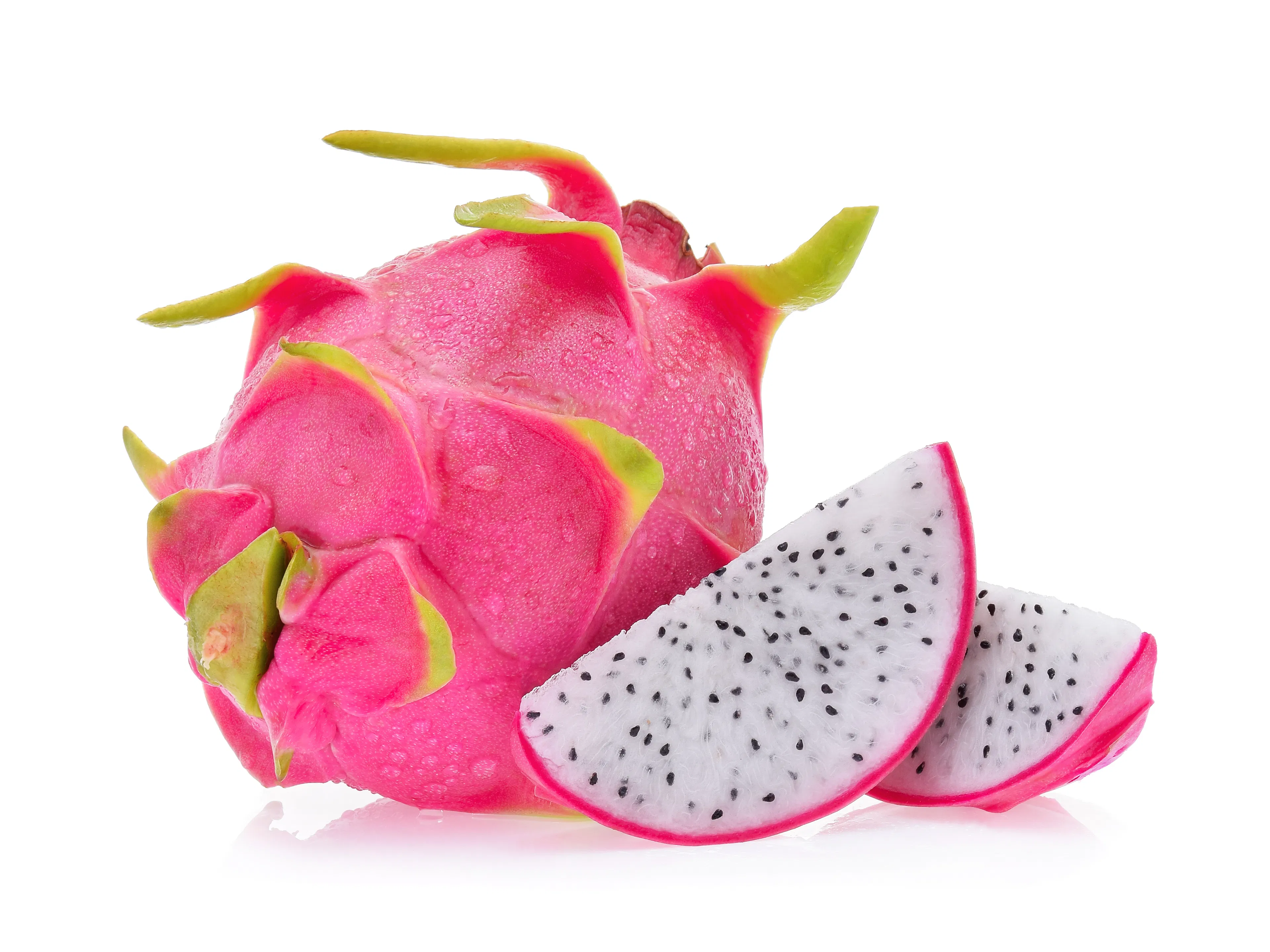
Learn when babies can eat dragon fruit, its nutritional benefits, safe serving methods, easy recipes, allergy precautions, and age-appropriate feeding tips.
Dr. Vasantha Sree
Introducing solid foods to your infant is an exciting milestone. As your baby transitions from a milk-only diet to the wonderful world of solid foods, you are likely looking for nutrient-dense, flavourful, and colourful options to expand their palate. One tropical fruit that often catches the eye of parents is the vibrant, uniquely shaped dragon fruit (also known as pitaya).
With its bright pink skin, speckled flesh, and refreshing taste, it is an appealing option for curious little eaters. But as a parent, safety and nutrition are your top priorities. You might be standing in the grocery aisle wondering: Is dragon fruit good for babies? The short answer is yes. Dragon fruit can be included in a varied diet for growing infants when it is appropriately prepared and served. In this comprehensive guide, we will explore everything you need to know about serving dragon fruit to your baby, including age-by-age recommendations, health benefits, safety precautions, and delicious recipes.
Is Dragon Fruit Good for Babies? The Nutritional Benefits
When you are deciding which fruits to introduce to your little one, understanding the nutritional value is key. So, is dragon fruit good for babies? Dragon fruit provides vitamins, minerals, dietary fibre, and water that can contribute to a varied diet during complementary feeding. Here is a closer look at why dragon fruit can be a nutritious choice for babies:
Excellent Hydration: Dragon fruit has a high water content, making it a hydrating food to include as part of your baby's varied diet.
Rich in Vitamin C: Vitamin C is important for normal immune function and healthy skin. It also helps the body absorb iron from plant-based foods such as iron-fortified cereals, spinach, and lentils.
High in Dietary Fibre: The dietary fibre in dragon fruit supports normal bowel function as part of a varied diet.
Packed with Antioxidants: The vibrant red and pink varieties of dragon fruit contain compounds such as betalains and carotenoids that contribute antioxidant activity. Source of Essential Minerals: Dragon fruit contains calcium, magnesium, and phosphorus, which contribute to normal bone and tooth development.
Because of these nutritional properties, incorporating dragon fruit baby food into your infant’s diet can be a way to offer variety during complementary feeding.
Yes, dragon fruit can be safely offered to babies who are developmentally ready for complementary foods when it is properly prepared and served in an age-appropriate texture. However, parents often have one specific concern when looking at the speckled flesh of the fruit: are dragon fruit seeds safe for babies to eat? The tiny black seeds in dragon fruit are soft and edible. They are naturally part of the fruit and do not need to be removed when the fruit is ripe and appropriately prepared. As with any food, the overall texture and size of the serving should be appropriate for your baby's developmental stage.
When Can Babies Eat Dragon Fruit? An Age-by-Age Guide
According to the World Health Organization (WHO) and the Centers for Disease Control and Prevention (CDC), babies can generally be introduced to complementary foods at around 6 months of age when they show signs of developmental readiness. Let’s look at how and when you can introduce dragon fruit to your baby as they grow.
Age of Baby
Recommended Texture
Key Considerations
6 Months
Smooth, thin purée
Start with completely smooth dragon fruit purée
7 Months
Thicker purée or mash
Gradually introduce thicker textures
8 Months
Soft mash or soft pieces
Introduce appropriately prepared finger foods
9–10 Months
Small, soft pieces
Encourage self-feeding and pincer grasp development
12+ Months
Soft pieces, cubes, or mixed dishes
Offer a wider variety of age-appropriate preparations
At 6 Months Old
If you are wondering, can I give dragon fruit to my 6 month baby, the answer is yes, once your baby is ready for complementary foods. At this stage, serve dragon fruit as a smooth, thin purée. A simple dragon fruit puree baby recipe involves blending the ripe flesh until it is completely smooth and free of large lumps.
At 7 Months Old
At seven months, your infant may be ready for slightly thicker textures as their feeding skills develop. You can gradually move from a completely smooth purée to a thicker, mashed consistency. You can also mix dragon fruit mash with oatmeal or breast milk to create a comforting, nutritious breakfast.
At 8 Months Old
By eight months, your little one may be showing interest in picking up food themselves. At this stage, you can offer very soft, appropriately sized pieces of ripe dragon fruit that your baby can easily manage. You can also serve mashed dragon fruit or introduce soft pieces prepared for baby-led weaning.
At 9 and 10 Months Old
Between 9 and 10 months, babies develop their pincer grasp—the ability to pick up small objects using their thumb and index finger. At this stage, you can serve small, soft pieces of dragon fruit. This allows your baby to practise their fine motor skills while enjoying a healthy snack.
At 1 Year Old (12 Months and Beyond)
By one year, a 1 year baby can eat dragon fruit in a range of soft, age-appropriate formats. At this toddler stage, dragon fruit can be offered to a 1 year baby in larger soft pieces, mixed into fruit salads, blended into morning smoothies, or folded into unsweetened whole-milk Greek yoghurt.
Is Dragon Fruit Good for Babies Under 1 Year?
Yes, dragon fruit can be offered to babies under 1 year once they are developmentally ready for complementary foods. During the first year of life, babies are rapidly developing their immune systems, digestive tracts, and sensory preferences.
Because dragon fruit has a mild, subtly sweet taste, it can help babies become familiar with natural fruit flavours. Its soft flesh can also be prepared in textures suitable for babies at different stages of complementary feeding.
When searching for a nutritious dragon fruit baby can eat, look for fruits that give slightly when gently pressed, indicating that they are fully ripe, sweet, and soft enough for your baby's gums.
How to Prepare Dragon Fruit: Simple Recipes
When preparing a dragon fruit recipe for baby, simple is always best. Here are three easy, nutrient-rich ways to serve this exotic fruit to your little one.
1. Basic Dragon Fruit Puree (6+ Months)
This is a simple introductory dragon fruit puree for baby who is just starting solid foods.
Ingredients:
1/2 ripe dragon fruit (white or red flesh)
1–2 tablespoons of breast milk, formula, or water (optional, to adjust consistency)
Instructions:
Cut the dragon fruit in half and scoop out the soft flesh with a spoon.
Place the flesh into a blender or food processor.
Blend until completely smooth.
If the purée is too thick, add a splash of breast milk, formula, or water to thin it to the appropriate consistency. Serve immediately or store safely in the refrigerator.
2. Dragon Fruit & Banana Mash (7+ Months)
Bananas add a creamy texture and natural sweetness that pairs well with dragon fruit.
Ingredients:
1/4 cup ripe dragon fruit flesh
1/2 ripe banana
Instructions:
In a small bowl, place the dragon fruit and banana.
Using a fork, mash both fruits together until a thick, uniform consistency is reached.
Serve as a nutrient-dense snack or mix it into prepared baby oatmeal.
3. Creamy Dragon Fruit Oatmeal (8+ Months)
A warm, comforting breakfast packed with fibre and iron. Ingredients:
1/4 cup rolled oats (finely ground for younger babies)
1/2 cup water or breast milk
2 tablespoons finely mashed dragon fruit
Instructions:
Cook the oats in water or milk according to the package instructions until soft and creamy.
Remove from heat and let it cool to a warm temperature.
Stir in the mashed dragon fruit until the oatmeal turns a pink or speckled colour. Serve warm.
Safety and Allergy Precautions
While babies can eat dragon fruit safely when it is appropriately prepared, parents should always follow standard food safety practices when introducing any new food:
Introducing New Foods: When introducing dragon fruit for the first time, introducing one new food at a time can make it easier to identify a possible reaction.
Watch for Allergy Symptoms: Though uncommon, food allergies can occur. Watch for signs such as hives, skin rashes, itching around the mouth, vomiting, diarrhoea, or swelling of the face and lips. If you notice signs of an allergic reaction, stop feeding dragon fruit and seek appropriate medical advice. If your baby develops breathing difficulties or significant swelling, seek emergency medical care.
Mind the Texture: Always ensure the fruit is fully ripe. Unripe dragon fruit is firmer and can be more difficult for a baby to manage safely.
Slippery Texture Warning: Dragon fruit can be slippery for tiny hands. If you are serving it as finger food, you can coat the pieces in a little finely ground infant oatmeal to help your baby grip the pieces more securely.
Conclusion
Dragon fruit is a nutrient-containing tropical fruit that can make a colourful addition to your baby's dietary journey. Rich in vitamin C, water, dietary fibre, and other nutrients, it can contribute variety to your growing infant's diet. Whether you choose to serve it as a smooth, vibrant purée to your 6-month-old or as soft, manageable finger-food pieces for your toddler, dragon fruit can be an enjoyable food during complementary feeding. Always consult your paediatrician if you have specific concerns about introducing new foods, and enjoy watching your little one explore the delicious, healthy world of solids!
FAQS
Can dragon fruit turn my baby's urine or poop pink or red?
Yes. If your baby eats red-fleshed dragon fruit, you might notice that their urine or bowel movements have a pinkish or reddish tint. The natural pigments in red-fleshed dragon fruit can cause this temporary colour change. However, if you are concerned about a change in your baby's urine or stool, speak with your paediatrician.
Is dragon fruit helpful for baby constipation?
Dragon fruit contains dietary fibre and water, which can support normal bowel movements as part of a varied diet. If your baby is struggling with persistent constipation after starting solids, speak with your paediatrician.
Which dragon fruit variety is best for babies?
Both white-fleshed and red-fleshed dragon fruits can be suitable for babies when fully ripe and appropriately prepared. Red-fleshed dragon fruit contains natural pigments, while white-fleshed dragon fruit is also a nutritious option.
How do I store leftover dragon fruit baby food?
You can store fresh dragon fruit purée or mash in a clean, covered container in the refrigerator and use it promptly. For longer storage, spoon the purée into clean silicone ice cube trays and freeze. Once frozen, transfer the cubes to a freezer-safe bag or container. Thaw a cube safely in the refrigerator before serving and check the texture and temperature before feeding.
Can dragon fruit cause diaper rash?
Some babies may develop skin irritation around the mouth or nappy area after eating certain foods, although this is not necessarily caused by the fruit itself. If your baby develops persistent or severe irritation, stop offering the food and consult your paediatrician.