logo
0

Feeding Infant Cereal: Guide to First Foods for Babies

Learn when to introduce infant cereal, how to choose iron-fortified cereals, prepare and feed them safely, and introduce a variety of first foods.
 

article image

Dr. Kamran

Starting solid foods is an exciting milestone during your baby's first year. Infant cereal can be one of the foods you offer at this stage, but it does not have to be your baby's first food. What matters is starting when your baby is ready, offering suitable textures and gradually introducing a variety of nutritious foods.

Complementary foods are generally introduced at around 6 months while breastfeeding or infant formula continues. This guide explains when your baby may be ready for infant cereal, how to choose between different cereals, and how to prepare and offer them safely.

When Is Your Baby Ready for Infant Cereal?

Most babies are ready to start complementary foods at around 6 months. Your baby's age is an important guide, but developmental readiness also matters. The World Health Organization recommends introducing complementary foods at 6 months alongside continued breastfeeding.

Signs that your baby may be ready include:

  • Sitting upright with good head and neck control
  • Coordinating their eyes, hands and mouth well enough to look at food, reach for it and bring it towards their mouth
  • Opening their mouth when food is offered
  • Swallowing food rather than repeatedly pushing it back out with their tongue
  • Showing interest in food when others are eating

Waking more often at night or showing an interest in your food does not, by itself, mean that your baby is ready for solids. Babies should not be given complementary foods before 4 months.

If your baby was born prematurely or has a medical or developmental condition that may affect feeding, speak with your paediatrician about when and how to introduce solid foods.

Iron-Fortified Oatmeal vs Rice Cereal: What to Choose

Iron is an important nutrient during complementary feeding because your baby's nutritional needs are increasing. Include iron-rich foods in your baby's diet from around 6 months. Iron-fortified infant cereal can be one convenient option, alongside other iron-rich foods such as meat, eggs, pulses and beans.

Rice and oat cereals are both available as infant cereals, including iron-fortified varieties. Their nutritional content varies between products, so check the product label when choosing one.

The table below compares some practical differences between rice and oat cereals.

Feature  Rice cereal    Oat cereal
Texture  Can be prepared to a smooth consistency Can be prepared to a smooth, soft consistency
Iron  Available in iron-fortified versions  Available in iron-fortified versions
Inorganic arsenic  Rice can contain more inorganic arsenic than some other grains Not a major dietary source of inorganic arsenic
Fibre  Usually lower  Usually higher
Variety    One option among several cerealsOne option among several cereals

      
Rice cereal can be part of a baby's diet. However, rice can absorb inorganic arsenic from soil and water more readily than some other grains. For this reason, offering a variety of cereals rather than relying on rice cereal alone is a sensible approach. The FDA also recommends offering a variety of grains, including iron-fortified oat, barley and multigrain cereals.

You do not need to avoid rice cereal completely. Offering different cereals gives your baby a wider range of tastes and textures as their diet develops.

When choosing packaged infant cereal, check the age guidance, ingredient list, nutrition information and preparation instructions. If you choose an iron-fortified cereal, check the amount of iron provided per serving. Homemade cereals and porridges can also be nutritious when prepared hygienically and as part of a varied diet.

How to Prepare and Feed Infant Cereal Safely

Introducing cereal is easier when you start with a soft texture and allow your baby time to become familiar with eating from a spoon. The amount and consistency can then change gradually as your baby's feeding skills develop.

How to mix infant cereal for a first feed

When you first offer cereal, prepare it according to the product instructions and choose a soft consistency that your baby can manage comfortably.

  • Start with a small amount and let your baby decide how much to eat.
  • If using packaged infant cereal, follow the preparation instructions on the label.
  • Depending on the product, breast milk, prepared infant formula or water may be used to achieve the desired consistency.
  • Offer cereal with a clean spoon rather than putting it into a bottle.
  • Gradually offer thicker and more varied textures as your baby becomes more comfortable with eating.

At first, your baby may eat only a small amount. This is normal. The early stages of complementary feeding are about learning to eat as well as getting used to new tastes and textures. Breast milk or infant formula continues alongside complementary foods.

Spoon-feeding technique

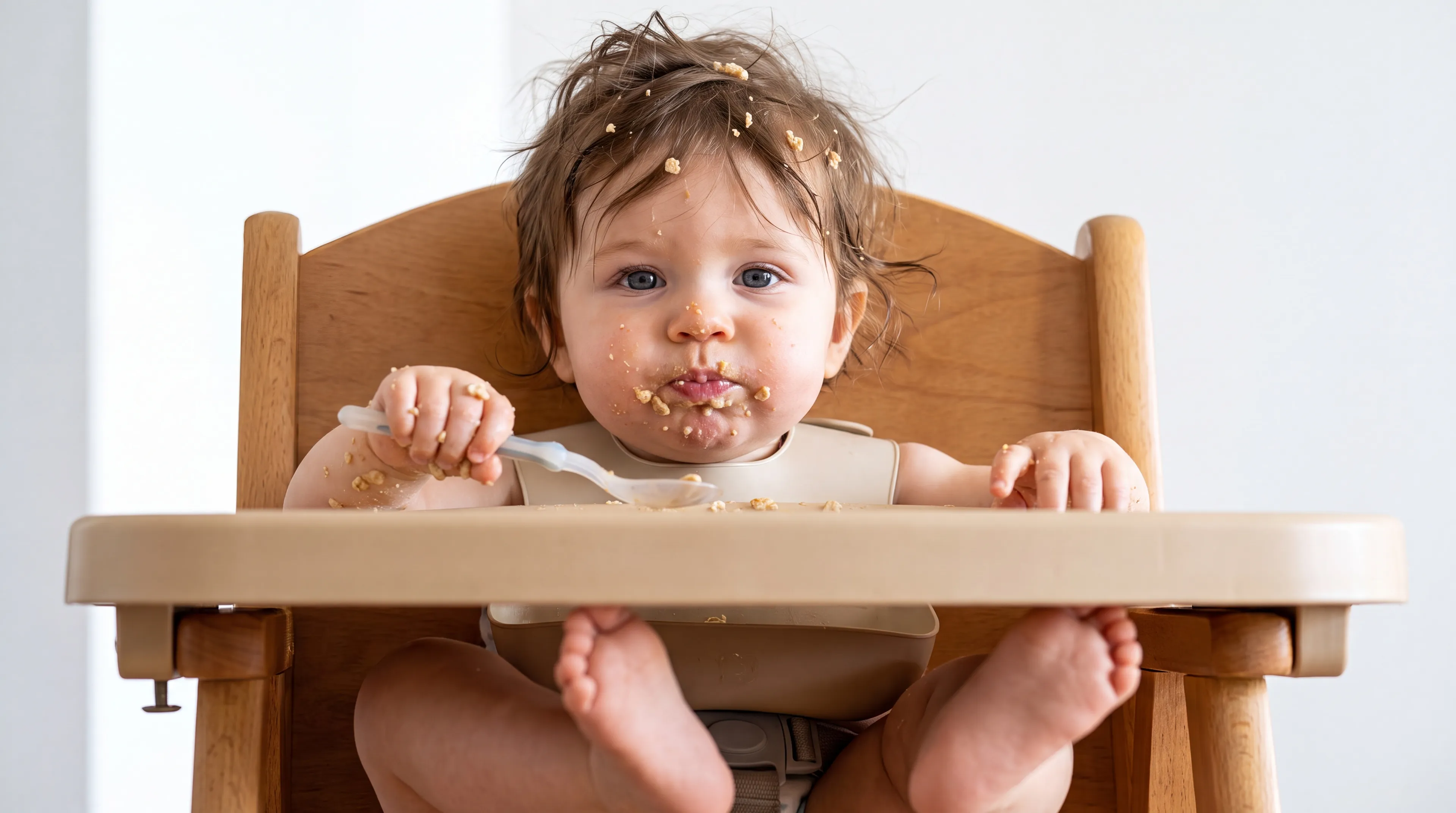
Sit your baby upright and well supported during feeding. A high chair with a properly fitted safety harness can provide a secure position. Offer a small amount of cereal on a soft spoon and allow your baby to take it at their own pace.

Your baby may push food out with their tongue, make faces or take only a few mouthfuls at first. Give them time to learn how to move food around their mouth and swallow.

Never put cereal into a bottle unless your baby's healthcare professional has specifically advised it for a medical reason. Cereal in a bottle can increase the risk of choking and may encourage your baby to take more food than they need. It is also not recommended as a way to help a baby sleep for longer.

Always stay with your baby while they are eating.

Common Mistakes and Safety Precautions

Starting solid foods takes a little practice for both you and your baby. Small amounts, gradual changes in texture and a varied diet can make the transition easier. A few simple safety measures can also help you introduce new foods with confidence.

Overusing rice cereal for babies

Rice cereal can be included in your baby's diet, but it does not need to be the only cereal you offer. Varying the grains in your baby's diet can provide different tastes and textures while reducing reliance on rice-based foods.

Oat, barley and multigrain infant cereals are alternatives to rice cereal, and iron-fortified versions can contribute to your baby's iron intake.

Choking risks

Your baby should sit upright and be supervised during every meal. Offer food in a texture and size that your baby can manage safely, and avoid hard, small or round foods that can block the airway.

Gagging is common when babies are learning to eat. A gagging baby may cough, retch, make noisy sounds or push food forward with the tongue. Choking is different and can prevent a baby from breathing, crying or making an effective cough.

Learning basic infant choking first aid can help you feel more prepared as your baby begins eating solid foods.

Allergy awareness

Foods that can cause allergic reactions can be introduced from around 6 months as part of complementary feeding. Introduce a new allergenic food in a small amount and, where possible, offer it separately so you can identify a reaction. Once your baby tolerates a food, continue including it regularly as part of their usual diet.

Common food allergens include eggs, peanuts and other nuts, milk, wheat, soya, fish and shellfish. Nuts and peanuts should be offered in a form that does not pose a choking risk, such as smooth nut butter thinned appropriately or finely ground nuts mixed into food.

If your baby has severe eczema, an existing food allergy or another condition that may increase their risk of food allergy, speak with your paediatrician before introducing allergenic foods.

Arsenic exposure

Rice can contain inorganic arsenic, but this does not mean that rice or rice cereal needs to be removed from your baby's diet. Offering different grains is a simple way to provide variety and reduce reliance on rice-based foods.

Rice cereal can be part of a varied diet, alongside oat, barley, multigrain and other age-appropriate cereals.

When to Avoid Infant Cereal: Contraindications

Infant cereal can be offered as part of complementary feeding for most babies around 6 months. Some babies, however, may need an individual feeding plan.
Speak with your paediatrician before starting solids if your baby:

  • Was born prematurely
  • Has difficulty swallowing or has been diagnosed with a feeding disorder
  • Has a medical condition affecting the digestive system or nutrient absorption
  • Has significant developmental concerns that may affect safe feeding
  • Has a known food allergy or has previously had a significant reaction to food
  • Has been advised to follow a specialised diet for a medical condition

Premature babies may have different nutritional and developmental needs, so their healthcare team can advise when and how to begin complementary feeding.

Conclusion

Infant cereal can be a convenient part of complementary feeding and may provide iron when an iron-fortified product is chosen. Rice cereal and oat cereal can both be included, while offering a variety of grains helps your baby become familiar with different tastes and textures.

Start complementary foods at around 6 months when your baby shows signs of developmental readiness. Begin with small amounts, gradually increase variety and texture, and continue breastfeeding or infant formula alongside solid foods. If your baby was born prematurely or has a medical, developmental or feeding condition, speak with your paediatrician about introducing solids.

FAQS


What age can babies start eating cereal?

Most babies can start complementary foods at around 6 months when they also show signs of developmental readiness. Infant cereal can be one of the foods offered at this stage, but it does not have to be the first solid food. Breast milk or infant formula should continue alongside complementary foods.

Is rice cereal or oatmeal cereal better for babies?

Both can be included in a baby's diet when they are age-appropriate and prepared correctly. Oat cereal provides an alternative to rice, while rice cereal can also be part of a varied diet. Because rice can contain more inorganic arsenic than some other grains, it is sensible to offer a variety of cereals rather than relying on rice cereal alone.

How much iron does infant cereal need?

The amount of iron varies between infant cereal products. Check the nutrition label for the iron content per serving. If you use cereal as a source of iron, choose an iron-fortified infant cereal and continue offering other iron-rich foods such as pulses, eggs and meat as your baby's diet becomes more varied.

Can infant cereal cause constipation?

Some babies experience changes in their bowel movements when they start eating solid foods. Offering a variety of foods, including fruit, vegetables, pulses and whole grains where appropriate, can help provide fibre. If your baby has persistent constipation, blood in the stool, vomiting or significant discomfort, consult your paediatrician.

How long should babies eat infant cereal before other solids?

You do not need to wait for a specific period before introducing other complementary foods. Once your baby has started solids, you can gradually offer a variety of age-appropriate foods, including vegetables, fruits, pulses, eggs and other iron-rich foods. Introducing different foods and textures helps your baby develop a varied diet.

Apollo 247 Floating Action Button