logo
0

Feeding Infant Cereal: Complete Starter Guide for Parents

Learn when to introduce infant cereal, how to prepare it safely, which cereals provide useful nutrition, and how to choose age-appropriate textures and grains.

article image

Dr. J.T.Hema Prathima

Introducing complementary foods is an important milestone in your baby's first year. Infant cereal can be one convenient way to introduce grains and, when fortified, can provide nutrients such as iron. However, cereal is only one part of a varied diet and does not need to be a baby's first food.

The most important considerations are timing, developmental readiness, nutritional value, appropriate texture and safe preparation. Breast milk or infant formula continues to be an important source of nutrition as complementary foods are introduced.

When Can You Start Feeding Infant Cereal?

Most babies can begin complementary foods at around 6 months, when they are developmentally ready. Starting solids is not based on age alone. Your baby should also be able to sit with support, maintain good head and neck control and show other signs of readiness.

Signs that your baby may be ready include:

  • Sitting upright with support and maintaining good head control
  • Reaching for food or bringing objects to the mouth
  • Opening the mouth when food is offered
  • Showing interest in food
  • Being able to swallow food rather than consistently pushing it back out
  • Coordinating their hands, mouth and eyes while exploring food

There is no need to wait for a particular tongue-thrust reflex to disappear completely, and doubling birth weight is not a requirement for starting solids.

Complementary foods should generally not be introduced before 4 months. Babies born prematurely or those with developmental, neurological or other medical concerns may need an individual feeding plan.

Choosing Infant Cereal for Your Baby

There is no single cereal that is best for every baby. Rice, oats, ragi and other grains can all have a place in a varied complementary diet.

Iron-Fortified Cereal

Iron becomes increasingly important during the second half of infancy. Iron-fortified infant cereal can be a practical source of dietary iron, particularly when combined with other iron-rich foods such as pulses, eggs, meat or fish where appropriate.

When choosing a commercial infant cereal, check the nutrition panel and ingredient list rather than relying only on the product's front-of-pack claims.

Rice Cereal

Rice cereal is widely available and has a mild flavour and smooth texture. It can be offered as part of a varied diet.

However, rice can absorb inorganic arsenic from the environment. For this reason, it is sensible to offer a variety of grains rather than relying on rice cereal as the only cereal or grain food.

Oat Cereal

Oats provide carbohydrates, some protein and fibre. Oat-based cereal is another suitable grain option for babies who are developmentally ready for complementary foods.

Ragi Cereal

Ragi, or finger millet, is commonly used in Indian complementary feeding. It provides carbohydrates, fibre and several micronutrients, including calcium and iron.

Ragi does not need to be considered superior to rice or oats. Variety is more useful than relying on one grain.

Single-Grain and Multigrain Cereals

Single-grain cereals can make it easier to identify the ingredients your baby is eating, particularly during the early stages of complementary feeding. However, there is no requirement to introduce only single-grain foods or to wait a fixed number of days before introducing another grain.

Once your baby is comfortable with complementary foods, different grains and combinations can be introduced in age-appropriate textures.

A practical progression may look like this:

Approximate ageExamplesTexture
Around 6 monthsOat, rice or ragi cerealSmooth and appropriately thin
6 to 9 monthsSingle or mixed-grain cerealThicker, smooth or mashed
9 to 12 monthsMultigrain preparations and family foodsThicker, soft and increasingly textured
Around 12 months and beyondA variety of grains and family foodsAge-appropriate family-food texture

These are general examples rather than strict stages. Texture should progress according to your baby's feeding skills.

How to Prepare Infant Cereal Safely

Safe preparation depends on the type of cereal and whether you are using water, breast milk or infant formula. Always follow the preparation instructions printed on the product packaging.

Step-by-Step Preparation

  • Wash your hands thoroughly before preparing the food.
  • Use a clean bowl and spoon.
  • Prepare the cereal according to the package instructions.
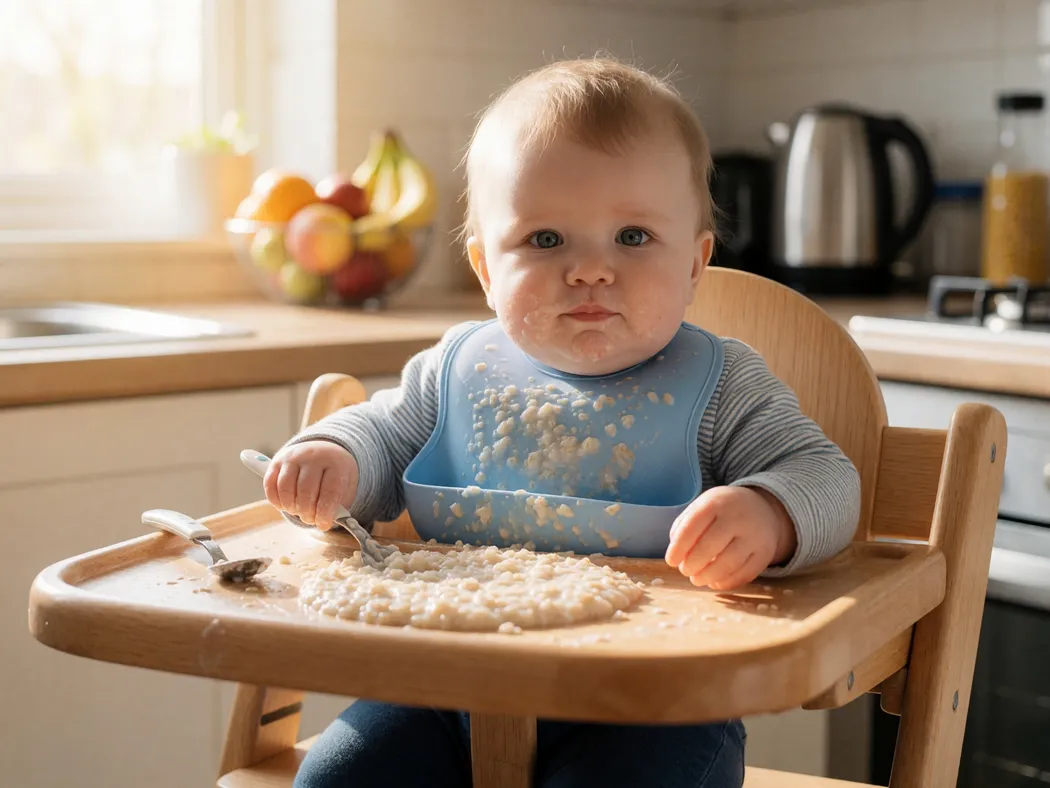
  • If using infant formula, prepare the formula exactly as directed before mixing it with cereal.
  • Adjust the consistency to suit your baby's current feeding skills.
  • Allow food to reach a safe temperature before feeding.
  • Feed the baby while they are sitting upright and supervised.
  • Discard food that remains in the baby's bowl after feeding rather than storing it for another meal.

There is no universal cereal-to-liquid ratio that applies to every product. Different cereals absorb different amounts of liquid, so follow the product directions and adjust the texture appropriately.

Should Cereal Be Mixed With Breast Milk or Formula?

Cereal can be mixed with breast milk or correctly prepared infant formula if desired. This can provide a familiar flavour and help achieve a consistency your baby can manage.

If using formula, prepare the formula according to its own instructions first. Do not change the water-to-powder ratio to make cereal thicker or thinner.

Water can also be used when appropriate.

Avoid Adding Cereal to a Bottle

Infant cereal should generally be offered from a spoon rather than added to a bottle.

Adding cereal to a bottle can alter the nutritional concentration of the feed and may contribute to excessive intake. It can also create feeding and choking concerns. Thickened feeds should only be used when specifically recommended and supervised by a healthcare professional for a medical reason.

Progressing Cereal Texture

Texture should change as your baby's oral and feeding skills develop.

At the beginning, a smooth, soft consistency may be easier to manage. As your baby becomes more skilled, gradually offer thicker cereal and other soft, mashed or appropriately textured foods.

By later infancy, babies should have opportunities to experience a range of textures rather than remaining on very smooth foods.

Always feed your baby while seated upright and supervise them throughout the meal.

Nutritional Benefits of Infant Cereal

Infant cereal can contribute useful nutrients, but its nutritional value depends on the specific product.

Iron

Iron is particularly important during infancy because adequate iron supports normal brain development and helps prevent iron deficiency. Iron-fortified cereal can be one convenient source.

B Vitamins

Many fortified cereals contain B vitamins that contribute to normal energy metabolism and other physiological functions.

Carbohydrates and Energy

Grains provide carbohydrates and energy. They can be part of a balanced complementary diet alongside vegetables, fruits, pulses, protein-rich foods and healthy sources of fat.

Other Nutrients

Depending on the formulation, commercial infant cereals may also provide nutrients such as zinc, calcium and other vitamins and minerals.

Check the current nutrition label because nutrient content differs between products.

Infant cereal complements breast milk or formula. It should not be used to replace milk feeds prematurely.

Introducing Other Foods Alongside Cereal

Cereal does not need to dominate your baby's complementary diet. From around 6 months, gradually introduce a broad variety of foods.

Useful food groups include:

  • Vegetables and fruits
  • Whole grains and other cereals
  • Pulses and legumes
  • Eggs
  • Meat, poultry or fish where appropriate
  • Plain yoghurt and other suitable dairy foods
  • Smooth nut or seed butters prepared in a safe consistency
  • Other nutritious family foods adapted for the baby's age

Offering different foods helps babies become familiar with a wider range of tastes, textures and nutrients.

Rice Cereal and Arsenic

Rice is capable of accumulating inorganic arsenic from soil and water. Because infants may consume cereal regularly, it is better to offer a variety of grains rather than relying exclusively on rice-based cereal.

Oats, ragi, wheat and other suitable grains can be included according to the baby's developmental stage and dietary needs.

This does not mean rice cereal must be completely avoided. The key consideration is dietary variety.

Allergy Precautions When Introducing Cereal

Some cereals contain or may be processed alongside common allergens, particularly wheat.

Common food allergens include:

  • Wheat
  • Milk
  • Egg
  • Peanut
  • Tree nuts
  • Soy
  • Fish
  • Shellfish

Introduce potentially allergenic foods in an appropriate form and avoid giving them in choking-hazardous forms.

There is no universal requirement to wait three to five days between every new food. However, introducing new foods in a manageable way can make it easier to recognise a possible reaction.

Watch for symptoms such as:

  • Hives or an itchy rash
  • Swelling of the lips, face or tongue
  • Repeated vomiting
  • Coughing or wheezing
  • Breathing difficulty
  • Sudden marked changes in behaviour after eating

If your baby develops breathing difficulty or significant swelling after eating, seek urgent medical attention.

Babies with severe eczema, a known food allergy or previous food reactions may need individual guidance before introducing certain allergens.

Foods and Ingredients to Avoid

Infant cereal does not need added sugar or salt.

Avoid:

  • Honey before 12 months because of the risk of infant botulism
  • Added sugar
  • Added salt
  • Whole nuts or other choking hazards
  • Unpasteurised dairy products
  • Undercooked eggs, meat or seafood
  • Cereal or other foods placed in a bottle unless specifically directed by a healthcare professional

Cow's milk should not replace breast milk or infant formula as the main drink before 12 months, although suitable dairy products and small amounts of milk used in food preparation can be introduced during complementary feeding when appropriate.

Who May Need Extra Feeding Guidance?

Most healthy babies can begin complementary feeding around 6 months when they are developmentally ready. Some babies, however, need an individual approach.

Speak with your paediatrician if your baby:

  • Was born prematurely
  • Has difficulty swallowing
  • Frequently coughs or chokes while feeding
  • Has a neurological or developmental condition affecting feeding
  • Has a diagnosed food allergy
  • Has severe eczema
  • Has poor weight gain
  • Has persistent vomiting or diarrhoea
  • Has another condition that affects nutrition or digestion

A specialised feeding plan may be appropriate in these situations.

Can Infant Cereal Cause Constipation?

Changes in stool consistency can occur when babies begin complementary foods. Some babies may have firmer stools after eating certain foods, including rice-based cereal.

If constipation develops, discuss the overall diet with your paediatrician. Offering a greater variety of complementary foods, including suitable fruits, vegetables, grains and other fibre-containing foods, may help.

Do not give additional water to a young infant specifically to treat constipation without appropriate guidance. Babies under 6 months generally obtain their fluid from breast milk or infant formula.

How Often Should You Feed Infant Cereal?

There is no single schedule that every baby needs to follow.

At around 6 months, complementary foods are usually introduced in small amounts and gradually increased as the baby becomes more comfortable eating. Breast milk or infant formula continues alongside complementary foods.

As babies grow, the frequency and variety of complementary meals can increase. Appetite varies from one baby to another, so responsive feeding is more appropriate than forcing a predetermined portion.

Watch for hunger and fullness cues and allow your baby to decide how much to eat.

Conclusion

Infant cereal can be a convenient and nutritious part of complementary feeding, particularly when an iron-fortified product is chosen. Rice, oats, ragi and other grains can all be included, with variety being more important than relying on one cereal.

Begin complementary foods at around 6 months when your baby is developmentally ready, prepare cereal according to the product instructions, offer it from a spoon and gradually progress textures as feeding skills develop. Continue breast milk or infant formula alongside complementary foods and seek paediatric guidance if your baby has feeding difficulties, allergies or other medical needs.

FAQS

How much infant cereal should I feed my baby?

Start with a small amount and allow your baby to become familiar with eating from a spoon. Gradually increase the amount according to appetite and feeding skills rather than following a fixed portion. Breast milk or infant formula remains an important source of nutrition during the early stages of complementary feeding.

Can I add cereal to my baby's bottle?

Cereal should generally be offered from a spoon rather than added to a bottle. Adding cereal can change the concentration of the feed and may contribute to excessive intake or feeding difficulties. Thickened feeds should only be used when specifically recommended by a healthcare professional.

What is the best time of day to feed infant cereal?

There is no medically required time of day. Many families choose a time when the baby is alert, comfortable and not excessively hungry or tired. Introducing new foods when a caregiver has time to observe the baby can also be practical.

Can infant cereal cause constipation?

Some babies may develop firmer stools after starting complementary foods, and rice-based foods can contribute in some cases. Offering a varied diet with suitable fruits, vegetables and different grains can help provide fibre. If constipation is persistent or painful, discuss it with your paediatrician.

When should I stop giving my baby infant cereal?

There is no fixed age at which cereal must be stopped. As your baby progresses towards a varied family diet, cereal can remain one of several grain-based foods. The emphasis should gradually shift towards a diverse range of nutritious foods and age-appropriate textures rather than relying heavily on one type of cereal.

Apollo 247 Floating Action Button