logo
0

Complementary Feeding for Babies: Foods & Feeding Guide

Learn about complementary feeding for babies, including first foods, readiness signs, key nutrients, allergen safety, choking prevention and feeding tips.

article image

Dr.Bhanu Prakash

Introducing your little one to the world of solid foods is one of the most exciting milestones of early parenthood. Watching your child experience new textures, tastes, and smells is incredibly rewarding. However, it can also bring up a lot of questions. When is the right time to start? What should their first bites be? How do you ensure they are getting all the nutrients they need?

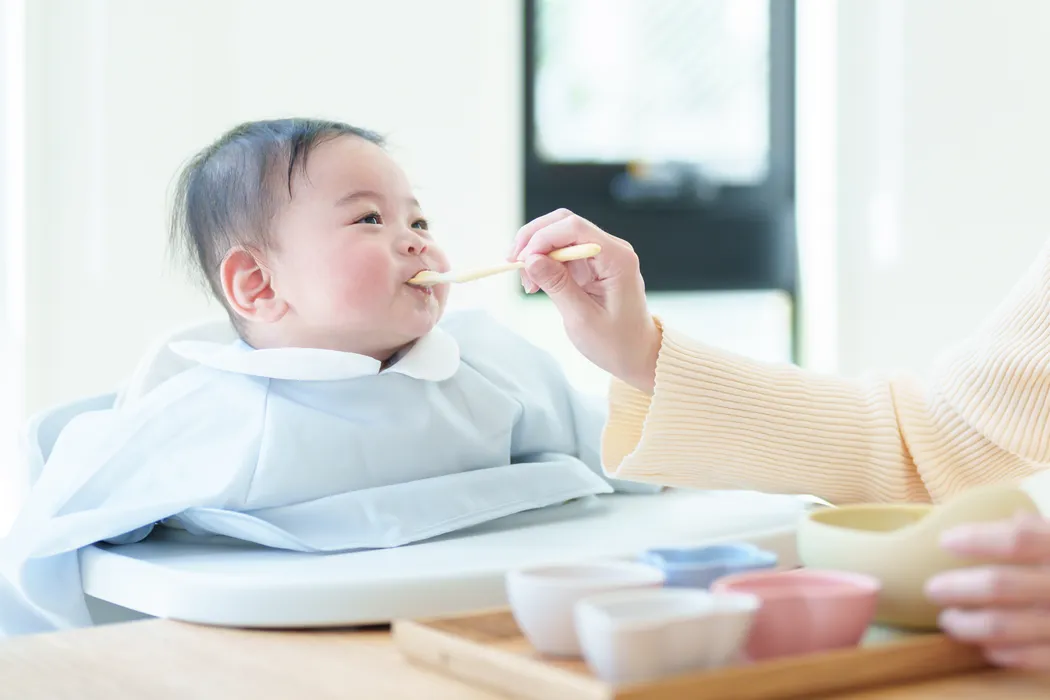
Introducing the first spoonful of complementary food for your baby is an exciting milestone, but it is also a critical step in their physical and cognitive development. During the first few months of life, breast milk or infant formula provides all the nutrition your child needs. But as your baby grows, their nutritional requirements change. Around the age of six months, milk alone is no longer sufficient to support their rapid growth, making the transition to solid foods—often referred to as the supplementary feeding of infant—a vital step for their health and well-being.

In this comprehensive, evidence-based guide, we will walk you through everything you need to know about starting solids. From recognising readiness cues to preparing nutritious meals, we will help you navigate this transition with confidence and joy.

What is Infant Complementary Feeding and Why Does It Matter?

The World Health Organisation (WHO) defines infant complementary feeding as the process that starts when breast milk or formula alone is no longer sufficient to meet an infant's nutritional requirements. Consequently, other foods and liquids are needed, along with breast milk or formula.

AgeFeeding
0-6 monthsBreast milk or formula only
6-24 monthsBreast milk/formula + nutritious solid foods
2+ yearsFully transitioned to family foods

This transitional phase is crucial for several key reasons:

  • Fills Nutritional Gaps: By around six months of age, a baby’s natural stores of essential minerals, particularly iron and zinc, begin to deplete. Nutritious solid foods help fill these vital gaps.
  • Develops Motor Skills: Chewing, swallowing, and moving food from the front of the mouth to the back help build the oral-motor muscles necessary for speech and proper digestion.
  • Explores Flavours and Textures: Transitioning to solid baby complementary food exposes your child to a wide variety of tastes, setting the foundation for healthy, diverse eating habits later in life.

When to Start: Signs Your Little One is Ready for Complementary Food for Baby

According to leading global health organisations, including the Centres for Disease Control and Prevention (CDC) and the World Health Organisation (WHO), the ideal time to start introducing solids is around six months of age. At this stage, your baby’s digestive tract has matured enough to process solid food, and their immune system is stronger.

However, because every child develops at their own pace, it is important to look for developmental milestones rather than relying solely on the calendar. Guidelines on complementary feeding infant milestones suggest looking for the following signs of readiness:

  • Excellent Head Control: Your baby can hold their head upright and steady without assistance.
  • Sitting Upright: Your baby can sit with little to no support, either in a highchair or on your lap.
  • Loss of the Tongue-Thrust Reflex: Younger infants automatically push solid objects out of their mouth with their tongue. Once this reflex fades, they can successfully swallow food instead of pushing it back out.
  • Curiosity and Interest: Your baby watches you eat, reaches for food on your plate, or opens their mouth when food is brought near them.
  • Improved Hand-Eye Coordination: Your baby can look at food, pick it up, and successfully bring it toward their mouth.

If your baby is six months old but does not yet show these signs, consult your paediatrician before introducing any foods.

What Foods to Introduce First: A Step-by-Step Guide

When you are ready to begin, the experience should be slow, relaxed, and positive. You do not need to rush the process; the initial goal is simply to introduce new textures and tastes.

Perfect First Choices: Complementary Food for a 6 Month Baby

When selecting the first complementary food for a 6-month-old baby, prioritise foods that are easily digestible, rich in iron, and prepared to a completely smooth, runny consistency.

Excellent starting options include:

  • Iron-Fortified Baby Cereals: Single-grain cereals, such as oatmeal or barley, mixed with breast milk or formula, are gentle on the stomach and provide essential iron.
  • Pureed Vegetables: Smoothly pureed sweet potatoes, carrots, peas, or butternut squash offer a naturally sweet flavour and are rich in vitamins.
  • Pureed Fruits: Bananas, avocados, unsweetened applesauce, and pureed pears are excellent choices. Avocado, in particular, is packed with healthy fats that support brain development.
  • Pureed Meats and Legumes: Finely pureed chicken, beef, lentils, or beans are outstanding sources of highly bioavailable iron and zinc.
Ideal First Foods (6 Months)
Category Simple Examples 
Iron-Rich Pureed beef, lentils, oatmeal
Healthy FatsMashed avocado
Gentle Veggies Pureed butternut, squash, sweet potato


Designing a Balanced Complementary Diet for Baby

As your baby gets older and grows more comfortable with swallowing, you can transition from simple purees to thicker textures, such as mashed, lumpy, or soft finger foods. Designing a diverse and balanced complementary diet for your baby means incorporating a wide variety of food groups over time:

  • Proteins: Introduce soft-cooked eggs, well-cooked fish (with all bones removed), and finely shredded meats.
  • Grains: Expand beyond baby cereal to include soft whole-wheat bread pieces, cooked pasta, and quinoa.
  • Vegetables and Fruits: Offer steamed broccoli florets, soft-cooked zucchini slices, and ripe fruit pieces that can be easily mashed between their gums.

Ensuring you offer iron-rich options serves as the perfect supplementary food for baby alongside their ongoing milk intake.

Key Nutrients Your Growing Baby Needs

During this rapid phase of physical development, certain micronutrients are highly critical. Selecting the right complementary food for baby ensures they get these vital nutrients:

  • Iron: Vital for healthy brain development and red blood cell production. Since natural iron stores begin to drop around six months, offer iron-rich foods like pureed meats, dark green vegetables, and fortified cereals daily.
  • Zinc: Crucial for cellular growth and a strong, healthy immune system. Found in meat, poultry, dairy, and legumes.
  • Calcium and Vitamin D: Essential for building strong bones and teeth. While breast milk and formula remain the primary source of calcium, yoghurt and cheese can be slowly introduced after six months.
  • Healthy Fats: Fats are incredibly important for brain development. Ensure your baby gets healthy fats by incorporating avocados, nut butters (thinned with water or milk), and olive oil into their purees.

Safety First: Introducing Allergens and Avoiding Hazards

Introducing solids is an amazing adventure, but safety must always be your top priority. When preparing complementary food for your baby at home, keep these safety guidelines in mind:

1. Introducing Allergenic Foods

In the past, experts recommended delaying common food allergens. However, modern research from organisations like the American Academy of Paediatrics (AAP) shows that introducing common allergens around six months can actually help prevent food allergies.

When introducing potential allergens, follow these golden rules:

  • Introduce them one at a time.
  • Wait 3 to 5 days before introducing another new allergen. This allows you to easily identify the culprit if your baby experiences an allergic reaction.
  • Common allergens include: peanuts (as a smooth, thinned butter—never whole nuts), eggs, dairy (yoghurts or cheese), soy, wheat, fish, and shellfish.
  • Look for signs of an allergic reaction, such as hives, vomiting, swelling of the face, or difficulty breathing. If you notice any of these, contact a doctor immediately.

2. Preventing Choking

Always supervise your baby during meals and make sure they are sitting completely upright. Avoid high-risk choking hazards, including:

  • Whole nuts and large seeds
  • Whole grapes, cherry tomatoes, and large berries (always cut them into quarters or thin slices)
  • Hard raw vegetables (such as carrots or celery)
  • Sticky foods like thick peanut butter (always thin it out with a little warm water, breast milk, or formula)
  • Large chunks of meat or cheese

3. Food Safety and Hygiene

Wash your hands, cutting boards, and utensils thoroughly before preparing baby food. Store leftovers safely in the refrigerator and discard any food left over in your baby's bowl at the end of a meal, as bacteria from their saliva can contaminate it.

Furthermore, never give honey to an infant under 12 months of age. Honey can contain spores of a bacterium that causes infant botulism, a rare but life-threatening illness.

Practical Tips for a Joyful and Stress-Free Mealtime

Remember, the primary goal of introducing complementary food for a baby is to encourage curiosity, exploration, and positive associations with eating. Here is how to keep mealtime relaxed and fun:

  • Follow Your Baby’s Lead (Responsive Feeding): Pay close attention to your baby's hunger and fullness cues. A hungry baby may lean toward the spoon, open their mouth, or act excited. A full baby might turn their head away, push the spoon, close their mouth, or start playing with their food. Never force your baby to finish a bowl.
  • Embrace the Mess: Squishing food between their fingers, smearing it on their highchair tray, and dropping it on the floor are all normal, healthy parts of sensory learning. Let them explore.
  • Be Patient: It can take up to 10 to 15 exposures for a baby to accept a new food. If they spit something out, do not worry. Simply try again in a few days.
  • Eat Together: Let your baby join the family at the dinner table. Babies learn by watching, and seeing you eat a variety of healthy foods will inspire them to do the same.

FAQS

When should I start introducing solid foods to my baby?

Most pediatric and global health experts recommend starting solid foods around six months of age, when your baby shows developmental readiness signs such as strong head control, sitting up with minimal support, and showing curiosity about your food.

What is the best complementary food for 6-month baby to eat first?

The best complementary food for 6-month baby to eat first is one that is rich in iron and easy to swallow. Iron-fortified single-grain baby cereals (like oatmeal), pureed meats, or smooth vegetable and fruit purees (like avocado, banana, or sweet potato) are all excellent, nutrient-rich choices.

How much solid food should my baby eat in the beginning?

At first, your baby will likely only eat one to two tablespoons of food per meal, once or twice a day. At this early stage, solids are meant to complement breast milk or formula, not replace them. Continue to feed them milk on demand.

Should I add salt, sugar, or spices to my baby’s food?

Do not add salt or sugar to your baby's food. Their kidneys cannot process excess sodium, and sugar can promote tooth decay and a preference for overly sweet foods. However, you can absolutely introduce mild, non-spicy herbs and spices like cinnamon, garlic powder, or cumin to expand their palate.

How do I transition my baby from purees to finger foods?

Once your baby is around 8 months old and can successfully swallow smooth purees, you can transition to thicker textures, mashed foods, and finally, small, soft, bite-sized finger foods. Ensure all finger foods are soft enough to be easily mashed between your fingers.

Apollo 247 Floating Action Button