logo
0

Foods for Babies with G6PD Deficiency: Safe Food Guide

Looking for a safe list of food for G6PD baby? Discover which foods are safe, what to avoid, including fava beans, and how to feed your baby safely.

article image

Dr.Vasantha Sree

Receiving a G6PD deficiency diagnosis for your baby can feel overwhelming. As a parent, your first instinct is to protect your little one, and food is one of the important ways you care for them. When your baby begins transitioning to solid foods, you might find yourself worrying about every ingredient that goes into their bowl.

If your little one was recently diagnosed, finding a reliable, paediatrician-approved list of food for G6PD baby is likely a top priority.

The good news is that babies with G6PD deficiency can generally enjoy a varied and nutritious diet. By understanding which foods and other triggers to avoid, you can confidently prepare meals that support your baby's growth. In this comprehensive guide, we will explain what G6PD deficiency is, explore a safe list of food for G6PD baby, highlight important triggers to avoid and answer common questions.

Understanding G6PD Deficiency in Babies

Before diving into the foods, it is helpful to understand what happens inside your baby's body.

Glucose-6-phosphate dehydrogenase (G6PD) is an essential enzyme. Its primary job is to help protect red blood cells from oxidative damage. Red blood cells carry oxygen throughout the body, so keeping them healthy is vital.

When a baby has G6PD deficiency, their body does not produce enough of this protective enzyme. Certain foods, medicines, infections or chemicals can increase oxidative stress and cause red blood cells to break down faster than the body can replace them. This process is known as haemolysis and can lead to haemolytic anaemia.

Knowing which ingredients to avoid can help reduce the risk of a reaction. Fortunately, the main dietary trigger is fava beans, meaning babies with G6PD deficiency can still enjoy a wide variety of nutritious foods.

The Ultimate Safe List of Foods for a G6PD Baby

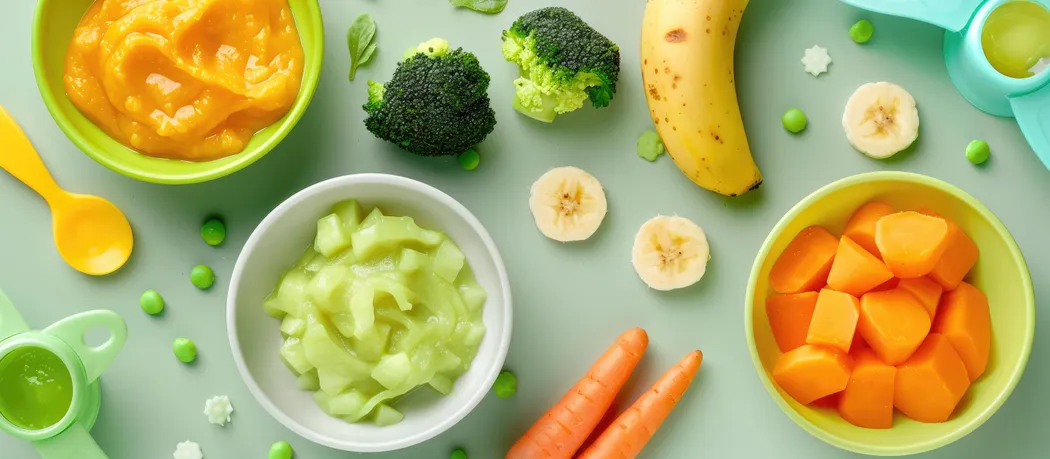
Introducing solids is an exciting milestone. When building a nutritious diet, keeping a go-to list of food for G6PD baby can make meal preparation easier. The following foods are generally suitable for babies with G6PD deficiency when prepared in an age-appropriate way.

1. Fresh Fruits

Fruits provide essential vitamins, minerals, fibre and natural hydration. They can be served as smooth purées, mashed foods or appropriately prepared finger foods, depending on your baby's age.

These include:

  • Apples and Pears: Excellent choices for early purées and sources of dietary fibre.
  • Bananas: Naturally sweet, easy to mash and rich in potassium and vitamin B6.
  • Avocados: Nutrient-dense and rich in healthy monounsaturated fats, which support your baby's growth and development.
  • Peaches and Plums: Soft, juicy fruits that provide vitamins and fibre.
  • Berries: Strawberries, raspberries and blackberries can be included when prepared safely. Ensure they are mashed or cut appropriately to reduce choking risk.

2. Nourishing Vegetables

Vegetables provide a range of vitamins, minerals and fibre that support your baby's growing body. Most common vegetables can be included in a G6PD-friendly diet.

These include:

  • Sweet Potatoes and Pumpkin: Nutritious options that provide beta-carotene, which the body converts to vitamin A.
  • Carrots: A good source of beta-carotene and easy to steam and purée.
  • Zucchini and Squash: Mild-tasting vegetables that can be easily softened and mashed.
  • Leafy Greens: Spinach and kale provide several vitamins and minerals. Introduce them in age-appropriate portions and textures.
  • Broccoli and Cauliflower: When steamed until soft, these provide vitamin C and fibre.

3. Safe Proteins and Meats

Protein is important for muscle growth and tissue development. Suitable options include:

  • Chicken and Turkey: Provide high-quality protein and iron.
  • Beef and Lamb: Good sources of easily absorbed haem iron.
  • Fish: Low-mercury options such as salmon and cod provide protein and omega-3 fatty acids. Always ensure fish is thoroughly cooked and completely deboned.
  • Eggs: Rich in protein, choline and other nutrients. Introduce well-cooked eggs in an age-appropriate texture.

4. Grains and Cereals

Grains provide carbohydrates and other nutrients needed for daily energy. They can also be mixed with fruit and vegetable purées.

These include:

  • Oats: Iron-fortified oatmeal can be a nutritious breakfast option.
  • Brown and White Rice: Soft, well-cooked rice can be easily mashed for younger babies.
  • Quinoa: A nutrient-rich grain that provides protein and other essential nutrients.
  • Barley and Millet: Useful options for adding variety to your baby's grain intake.

5. Healthy Oils and Fats

Healthy fats support normal growth and development and help the body absorb fat-soluble vitamins.

Suitable options include:

  • Extra Virgin Olive Oil: A small amount can be added to vegetable purées for additional energy and healthy fats.
  • Coconut Oil: Can be used in small amounts when preparing baby food.
  • Butter: Can be used in moderation when appropriate for your baby's age and overall diet.

Foods to Strictly Avoid

While the list of suitable foods is extensive, there is one important dietary trigger that should be strictly excluded. Other G6PD triggers can also include certain medicines and chemicals, so food is only one part of managing the condition.

1. Fava Beans, Also Called Broad Beans

Fava beans are a well-established dietary trigger for people with G6PD deficiency. Eating them can cause favism, an acute haemolytic reaction in which red blood cells break down rapidly. Fava beans contain compounds such as vicine and convicine that can promote oxidative stress in people with G6PD deficiency.

Never intentionally feed your baby fava beans, and check packaged foods carefully for fava beans or fava bean ingredients.

2. Tonic Water and Quinine

Quinine is a known medication-related trigger for haemolysis in people with G6PD deficiency. Tonic water can contain quinine, although babies should not be given tonic water in any case.


If you are breastfeeding a baby with G6PD deficiency, do not make dietary restrictions or medication changes without discussing them with your healthcare professional. The American Academy of Pediatrics notes that most foods in a breastfeeding parent's diet do not need to be routinely avoided.

3. Other Potential Triggers

G6PD deficiency is not managed through food alone. Certain medicines, infections and chemicals can also trigger haemolysis. Your baby's healthcare provider should give you a personalised list of medications and substances to avoid based on your baby's specific G6PD variant and clinical history.

Do not rely on internet lists of foods, dyes or supplements as a substitute for medical guidance.

4. A Note on Other Legumes

There is often confusion about whether soy, chickpeas, lentils and other legumes need to be avoided. Fava beans are the classic food trigger associated with G6PD deficiency; other legumes should not automatically be treated as equivalent triggers.

If you are unsure about introducing a particular food, ask your paediatrician rather than unnecessarily restricting your baby's diet.

Tips for Feeding Your G6PD-Deficient Baby Safely

When preparing healthy food for G6PD baby options, safe preparation and careful label-reading are important. These practical steps can help make mealtimes easier:

  • Read Labels Diligently: Check packaged baby foods, pouches and snacks for fava beans or fava bean ingredients.
  • Introduce New Foods Gradually: Introduce one new food at a time when appropriate and monitor your baby for allergic reactions or digestive problems.
  • Educate Caregivers: Ensure grandparents, babysitters and daycare providers understand your baby's G6PD deficiency and know which foods and other triggers to avoid.
  • Keep a Food Diary: If your paediatrician recommends it, record what your baby eats and note any unusual symptoms to discuss during medical appointments.

Warning Signs of a G6PD Reaction

Even with careful planning, accidental exposure can happen. It is important to recognise possible signs of haemolysis so that medical attention can be sought promptly.

Watch for:

  • Extreme tiredness, lethargy or unusual sleepiness
  • Unusually pale skin or lips
  • Yellowing of the skin or whites of the eyes
  • Dark, tea-coloured or orange-brown urine
  • Rapid breathing or a fast heart rate
  • Fever

If your baby develops these symptoms, particularly after a possible exposure to a known trigger, contact your paediatrician promptly or seek emergency medical care if the symptoms are severe.

Conclusion: Feeding a Baby with G6PD Deficiency

G6PD deficiency does not mean your baby has to follow an unnecessarily restrictive diet. Most babies can enjoy a wide variety of fruits, vegetables, grains, proteins and healthy fats as they begin complementary feeding. The most important dietary trigger to avoid is fava beans, while certain medicines, infections and chemicals can also cause haemolysis.
Introduce foods in age-appropriate textures, maintain a varied and nutritious diet and make sure everyone involved in your baby's care knows about their G6PD deficiency. Because triggers can vary and medication safety is particularly important, your paediatrician should provide personalised guidance on your baby's diet and other potential exposures.

FAQS

Can breastfed babies drink milk if their mother eats fava beans?

If you are breastfeeding a baby with G6PD deficiency, discuss fava bean consumption with your baby's healthcare professional. Fava beans are a recognised trigger for G6PD-related haemolysis, but breastfeeding parents should not automatically eliminate foods from their diet without medical advice. The AAP notes that most foods in a breastfeeding parent's diet do not need to be routinely avoided.

Are blueberries safe for G6PD babies?

Yes. Blueberries are not a recognised dietary trigger for G6PD deficiency and can generally be offered when your baby is developmentally ready for them. Prepare them in an age-appropriate texture to reduce the risk of choking.

Is soy formula safe for G6PD-deficient infants?

G6PD deficiency alone does not mean that soy formula must automatically be avoided. Formula choice should be based on your baby's nutritional needs, allergies, tolerance and your paediatrician's advice. Do not switch formulas solely because of G6PD deficiency without discussing it with your baby's healthcare professional.

Can babies with G6PD deficiency eat peanuts and tree nuts?

Yes. Peanuts and tree nuts are not established G6PD triggers. Once your baby is developmentally ready for complementary foods, they can be introduced in safe, age-appropriate forms, such as smooth nut butter thinned with water or another suitable food. Whole nuts should never be given to babies because of the choking risk.

Will my baby ever outgrow G6PD deficiency?

No. G6PD deficiency is an inherited condition and is generally lifelong. However, with appropriate awareness of triggers and medical guidance, children with G6PD deficiency can usually lead healthy, active lives.

Apollo 247 Floating Action Button