logo
0

Foods for Baby Hair Growth: Top Nutrients for Healthy Hair

Looking for the best food for baby hair growth? Discover nutrient-rich foods, vitamins and safe dietary tips to help your baby grow strong, healthy hair.

article image

Dr.Mayank

As a parent, you cherish every milestone your baby reaches, from their first smile to their first steps. Along the way, you might also find yourself closely watching the development of their hair. Some babies are born with a full head of thick hair, while others start their journey with barely a few wisps or experience natural hair loss in their first few months. While genetics play the primary role in determining your baby's hair texture and thickness, nutrition is an important supporting factor. If you are looking to support your little one's scalp and overall health, including nutrient-rich food for baby hair growth can help provide the building blocks needed for healthy hair.

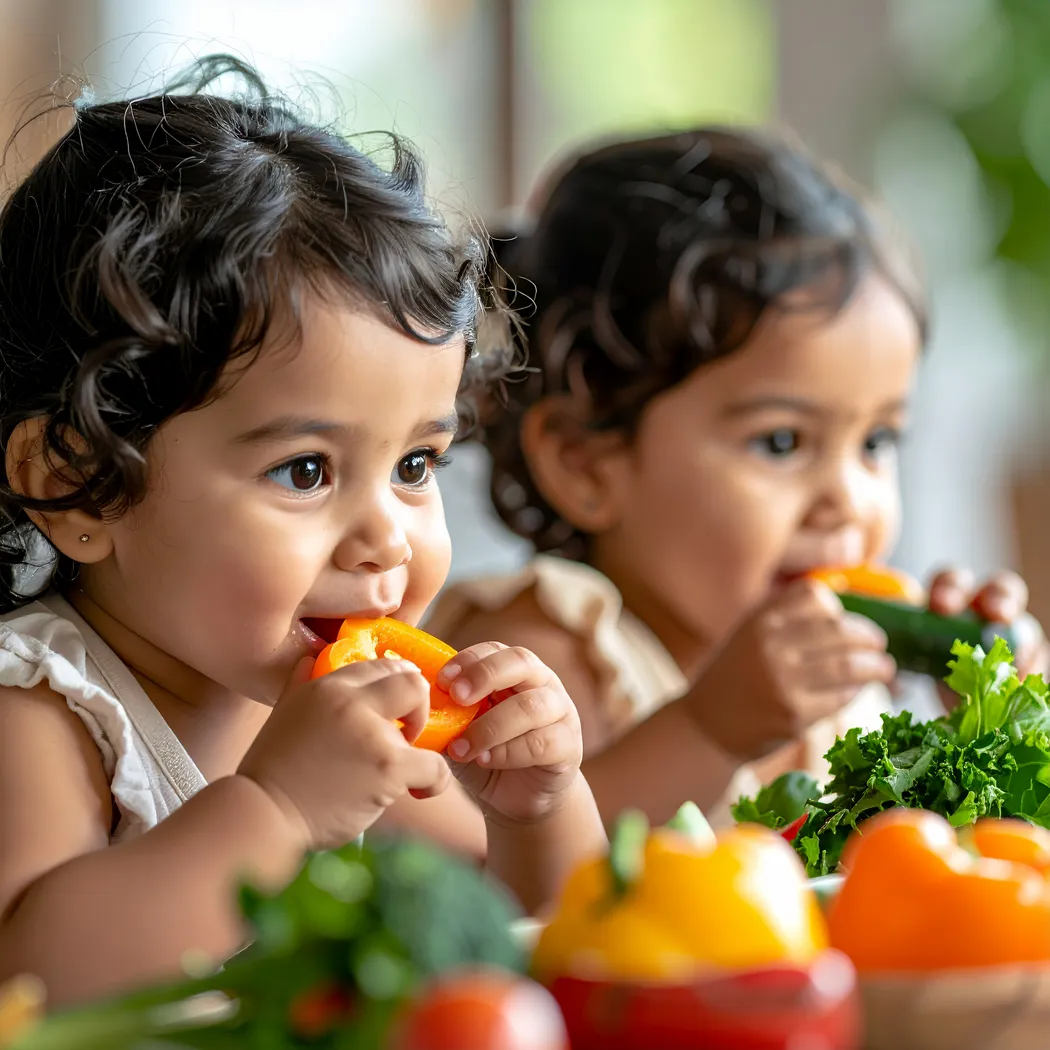
Once your baby transitions to solid foods, typically around six months of age, offering a colourful, nutrient-rich diet does more than just support their physical growth and brain development. It also provides the protein, vitamins and minerals needed for normal hair and skin development.

In this guide, we will explore the science of baby hair development, highlight nutrient-rich foods that support healthy growth, and provide practical tips to safely introduce these foods to your child.

Why Baby Hair Changes: The Science of Infant Hair

It is entirely normal for a baby's hair to change during their first year of life. Many newborns lose some or all of their birth hair during the first few months. This can happen as the hair naturally moves through different growth cycles after birth.

When this birth hair sheds, new hair can grow in its place. The new hair may have a different colour, texture or thickness from the hair your baby was born with. To support normal hair growth and development, your baby's body needs a steady supply of protein, vitamins and minerals. Feeding your infant a balanced diet of whole foods helps provide these nutrients as they grow.

Key Nutrients That Support Baby Hair Growth

Before looking at specific foods, it is helpful to understand the nutrients involved in normal hair and tissue development. Hair is primarily made of a protein called keratin. The body also relies on several vitamins and minerals to support healthy skin and hair follicles:

  • Protein: Provides the building blocks needed for tissue and hair development.
  • Iron: Helps red blood cells carry oxygen throughout the body. Adequate iron is important for normal infant growth and development.
  • Zinc: Supports tissue growth, cellular repair and normal immune function.
  • Vitamins A and C: Vitamin A supports normal skin and tissue development, while vitamin C helps with collagen production and iron absorption.
  • B Vitamins: B vitamins support normal energy metabolism and cellular function. Biotin is involved in keratin production, although biotin deficiency is uncommon in healthy children.
  • Omega-3 Fatty Acids: These essential fats support normal growth and development, including brain and eye development.

A varied and balanced diet is the best way to provide these nutrients rather than focusing on a single food or supplement.

The Best Food for Baby Hair Growth: Top Nutrient-Rich Options

Once your baby is around six months old and showing signs of readiness for solid foods, you can begin introducing a variety of nutrient-dense ingredients. Here are some nutritious options that can support overall growth and provide nutrients involved in healthy hair development.

1. Eggs

Eggs are a nutritious source of high-quality protein and contain nutrients such as choline, iron and several B vitamins. Protein is particularly important because hair is primarily made of keratin, a structural protein.

  • How to serve: Offer well-cooked, mashed hard-boiled eggs or soft scrambled eggs. Eggs are a common allergen, so introduce them in an age-appropriate form and watch for signs of an allergic reaction.

2. Sweet Potatoes

When looking for nutritious food for baby hair growth, sweet potatoes are an excellent option. They are rich in beta-carotene, which the body converts into vitamin A. Vitamin A supports normal skin and tissue development.

How to serve: Steam or bake sweet potatoes until completely soft, then mash or purée them with a little breast milk or formula if needed.

3. Avocados

Avocados are rich in healthy monounsaturated fats and vitamin E. They also provide folate and other nutrients that support overall growth and development.

How to serve: Mash a ripe avocado into a smooth purée or cut it into soft, appropriately sized pieces for babies who are ready for finger foods.

4. Salmon and Fatty Fish

Salmon is an excellent source of omega-3 fatty acids, high-quality protein and vitamin D. Omega-3 fatty acids are important for normal brain and eye development.

How to serve: Ensure all bones are completely removed. Bake or steam the salmon until fully cooked, then finely shred or purée it into an age-appropriate texture.

5. Spinach and Dark Leafy Greens

Dark green leafy vegetables such as spinach and kale provide iron, folate, vitamin C and other nutrients. Vitamin C can also help the body absorb iron from plant-based foods.

How to serve: Finely chop and steam spinach, then purée it and mix it into warm cereal, yoghurt or sweet potato purée to create a milder flavour.

6. Greek Yoghurt

Plain, unsweetened Greek yoghurt is a good source of protein and calcium. It can be included as part of a varied diet once your baby is ready for complementary foods.

How to serve: Serve plain Greek yoghurt to babies aged six months and older. You can stir in a spoonful of smooth fruit purée, such as pear or apple, for natural sweetness.

7. Beans, Peas and Lentils

For parents seeking plant-based options, legumes are nutritious choices. Lentils and beans provide protein, iron and zinc, all of which are important nutrients for normal growth and development.

How to serve: Cook lentils or beans until completely soft, then mash or purée them thoroughly to create a safe, age-appropriate texture.

Safe Practices: Introducing Solids to Your Baby

While providing nutritious food for baby hair growth is a positive goal, safety should always come first. The World Health Organization recommends exclusive breastfeeding for the first six months of life, followed by the introduction of safe and nutritionally adequate complementary foods alongside continued breastfeeding.

When introducing new foods to your baby, keep these safety and developmental guidelines in mind:

  1. Introduce New Foods Gradually: When introducing potential allergens such as eggs, fish or dairy, offer them in age-appropriate forms and introduce them individually so you can identify any potential reaction.
  2. Ensure Proper Texture: To prevent choking, always prepare foods in a soft, easily mashable texture. Avoid hard, sticky or round foods that can block a baby's airway.
  3. Prioritise Breast Milk or Formula: During the first year of life, breast milk or infant formula remains an important source of nutrition. Solid foods complement rather than immediately replace these feeds.
  4. Avoid Added Sugars and Salt: Keep your baby's meals as natural as possible. Avoid adding salt, sugar or artificial sweeteners to their food.
Gentle Hair Care Tips to Accompany a Healthy Diet

While a nutrient-rich diet supports your baby's overall growth from the inside, gentle hair and scalp care can help protect their delicate hair.

  • Avoid Daily Washing: You do not need to wash your baby's hair every day. Washing it a few times a week with a mild, tear-free infant shampoo is generally sufficient.
  • Use a Soft Brush: Use a soft-bristled baby brush or a wide-toothed comb to gently untangle knots. Avoid pulling or tugging, as baby hair is fragile.
  • Manage Cradle Cap Gently: If your baby has cradle cap, do not pick at the scales. Speak with your paediatrician about suitable care and use gentle products recommended for your baby's scalp.
  • Avoid Tight Hair Ties: If your baby has longer hair, avoid tight elastics or clips that pull on the hair roots, as these can cause tension and hair breakage.

Conclusion: Supporting Healthy Baby Hair Growth

There is no single food that can guarantee faster or thicker hair growth in babies. Genetics largely determine hair texture, thickness and growth patterns, while adequate nutrition supports normal hair and overall development.

Once your baby is ready for solid foods, offer a varied diet containing protein, iron, zinc, healthy fats and essential vitamins. Foods such as eggs, sweet potatoes, avocados, salmon, leafy greens, yoghurt and lentils can provide several of these important nutrients. Gentle scalp care can also help protect your baby's delicate hair.

If your baby's hair loss is sudden, patchy or accompanied by scalp redness, scaling or other symptoms, consult a paediatrician to determine whether further evaluation is needed.

FAQS

What is the single best food for baby hair growth?

There is no single food that guarantees faster hair growth. A varied diet containing adequate protein, iron, zinc, healthy fats and vitamins is more important for supporting normal hair and overall development.

Is it normal for my baby to have bald patches?

Yes. Bald spots can be common in babies, particularly on the back of the head, where repeated friction against a mattress or other surfaces can contribute to hair loss. Hair generally grows back as babies become more mobile. Speak with your paediatrician if the hair loss is persistent, patchy or accompanied by scalp changes.

Does shaving a baby's head make the hair grow back thicker?

No. Shaving or cutting a baby's hair does not affect the hair follicle beneath the scalp, which determines hair growth. Shaving may temporarily make hair appear thicker because it grows back with a blunt edge, but it does not increase the number or size of hair follicles.

Can I apply coconut oil to my baby's scalp to help their hair grow?

Coconut oil can help moisturise a dry scalp and may reduce hair breakage, but there is no good evidence that it directly stimulates new hair growth. If your baby has sensitive skin or a scalp condition, speak with your paediatrician before applying oils or other products.

When should I talk to a paediatrician about my baby's hair?

Consult your paediatrician if you notice sudden or persistent hair loss, clearly defined bald patches, scalp redness, scaling, significant itching or other changes in your baby's scalp or hair. Your doctor can assess whether an underlying skin condition or nutritional concern may be contributing.

Apollo 247 Floating Action Button