logo
0

Foods for Constipation Relief in Babies: A Parent's Guide

Discover the best food for constipation in babies. Learn what to feed your little one, which fruits help them poop, and foods to avoid for gentle relief.
 

article image

Dr. Kamran

Introducing solid foods to your baby is an exciting milestone, but it often brings unexpected digestive changes. If your little one is struggling to pass stool, finding the right food for constipation in babies is one of the most common challenges parents face. A baby’s developing digestive system can easily react to new textures and ingredients, leading to hard, dry stools and uncomfortable straining.

Fortunately, adjusting your baby's diet is often the most effective, natural way to restore comfort. In this comprehensive guide, we will explore the best food for constipation in babies, separate facts from common myths, and discuss which ingredients to prioritize and which to avoid to keep your baby's digestion running smoothly.

How to Recognize Constipation in Babies

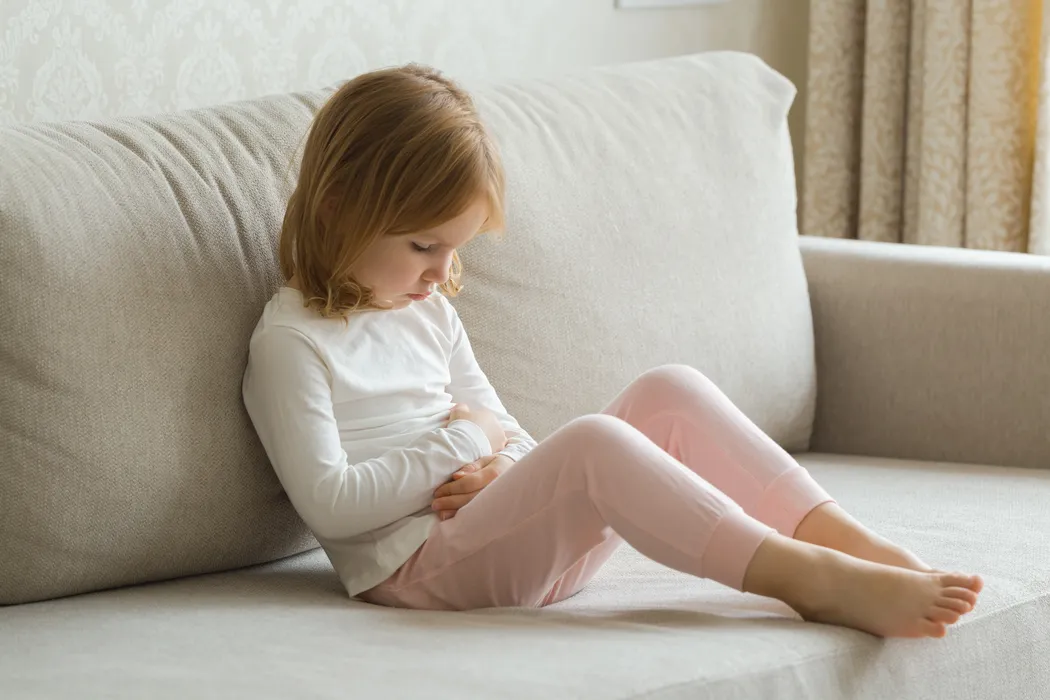
Before changing your child's diet, it is important to recognize the signs of infant constipation. Every baby has a unique bowel movement schedule. Breastfed babies may go several times a day or only once every few days, while formula-fed babies typically have more predictable daily movements. You may need to look for baby constipation relief food if your baby exhibits:

  • Fewer than three bowel movements a week (especially if this is a sudden change).
  • Hard, dry, or pebble-like stools.
  • Obvious straining, crying, or showing discomfort while trying to poop.
  • A firm, slightly bloated belly.
  • Small streaks of blood on the stool due to passing hard stools.

If you notice these symptoms, particularly around the 6-month mark when starting solids, it is time to look at food to help baby poop 6 months and beyond.

What Food to Give Baby for Constipation?

When your baby transitions to solids, their digestive tract has to work harder to break down complex nutrients. If you are wondering what food to give baby for constipation, the general rule of thumb is to focus on two things: dietary fiber and adequate hydration.

Fiber adds bulk to the stool and pulls water into the colon, making bowel movements softer and much easier to pass. When preparing baby food for constipation relief, incorporating pureed, mashed, or soft finger foods rich in soluble and insoluble fiber is highly effective.

Best Food for Constipation in Babies: Top Choices

To make your grocery shopping easier, here is a breakdown of the most effective, nutrient-dense constipation food for babies that you can easily prepare at home.

Food GroupBest Options for Constipation Relief
Fruits (The "P" Fruits)Prunes, Pears, Plums, Peaches
GrainsOatmeal, Barley, Whole-grain cereals
VegetablesBroccoli, Spinach, Peas, Brussels sprouts
Hydration / LiquidsWater (after 6 months), Diluted Prune or Pear Juice

1. High-Fiber Fruits: The Power of "P" Fruits

If you are wondering which fruit is good for constipation in babies, look no further than the "P" fruits:

  • Prunes: Prunes are the gold standard for relieving constipation. They are packed with fiber and contain sorbitol, a natural sugar alcohol that acts as a gentle laxative by drawing water into the bowel.
  • Pears: Pears contain high amounts of fructose and sorbitol, making them an excellent baby food for constipation.
  • Plums and Peaches: These fruits are easy to puree and provide a sweet flavor that babies love, alongside high fiber content.

Offering these as purees or soft slices makes them the absolute best food for baby constipation.

2. Fiber-Rich Grains

Refined grains, such as white rice cereal, are notorious for causing hard stools. Instead, opt for fibre rich food for constipation in babies like whole grains.

  • Oats: But is oats good for constipation in babies? Yes! Oats are rich in soluble fiber, which forms a gel-like consistency in the gut, softening the stool. Oatmeal is a fantastic alternative to traditional rice cereal.
  • Barley: Whole-grain barley cereal is another excellent option to stimulate regular bowel movements.

Deep Dive: Is This Food Good for Baby Constipation?

When dealing with a fussy, constipated infant, parents often ask specific questions about common household ingredients. Let’s address these common queries with medical facts.

Is Apple Good for Constipation in Babies?

Yes and no. It depends entirely on how it is prepared. Raw apples and unsweetened applesauce contain high amounts of pectin, a firming fiber that can actually bind the stool and make constipation worse. However, if you are wondering is apple puree good for constipation in babies, a warm, thoroughly cooked apple puree can sometimes be tolerated well if combined with water. For active constipation, though, pear or prune puree is a much safer bet.

Is Banana Good for Constipation in Babies?

This is a common source of confusion. Generally, unripe (greenish) bananas contain high amounts of resistant starch, which can cause or worsen constipation. On the other hand, a fully ripe, speckled banana contains soluble fiber and can support healthy digestion. If your baby is already constipated, it is best to temporarily avoid bananas altogether.

Is Carrot Good for Constipation in Babies?

Cooked carrots are nutritious, but they can be slightly binding for some infants. If your baby is prone to hard stools, limit cooked carrots and opt for green vegetables like pureed spinach, peas, or broccoli instead.

Is Potato and Sweet Potato Good for Constipation?

Regular white potatoes are very high in starch and low in fiber, meaning they can slow down digestion. They are not recommended as a remedy for constipation. Yes! Unlike white potatoes, sweet potatoes are loaded with insoluble fiber and water, making them a wonderful constipation food for baby meals.

Is Curd (Yogurt) Good for Constipation?

Yes, absolutely. Curd (unsweetened yogurt) contains active cultures and probiotics. Probiotics introduce beneficial bacteria to your baby's gut, which improves overall digestive function and softens stool naturally.

Is Ghee Good for Constipation?

In many traditional cultures, a few drops of warm ghee are added to baby food to ease bowel movements. While healthy fats can help lubricate the digestive tract, they should be used sparingly. Always consult your pediatrician before adding supplemental fats to your baby's diet.

Baby Food to Avoid Constipation

Just as important as knowing which food is good for baby constipation is knowing what to eliminate from their high chair tray. To keep your baby's tummy happy, minimize or avoid the following foods during a bout of constipation:

  • Rice Cereal: Often recommended as a first food, white rice cereal is highly processed, low in fiber, and can act as a binding agent.
  • Unripe Bananas: High starch content slows down intestinal transit.
  • Excessive Cow's Milk or Dairy: For older babies, too much cow's milk, cheese, or heavy cream can lead to hard stools.
  • Low-Fiber Processed Foods: White bread, crackers, and puffs lack the necessary fiber to stimulate bowel movements.

Keeping a food diary can help you identify if a specific baby constipation food or ingredient is triggering digestive issues for your little one.

Gentle Remedies and "Motion Free" Foods

If you are looking for motion free food for babies (foods that allow bowel movements to pass freely without restriction), focus on maintaining high liquid intake.

  • Water: If your baby is over six months old, you can offer small sips of water (about 2 to 4 ounces a day) alongside solid foods. Hydration is key to helping fiber do its job.
  • Diluted Fruit Juices: For stubborn cases, a small amount of 100% prune, pear, or apple juice diluted with water can help. The natural sorbitol in these juices pulls water into the intestines to stimulate a bowel movement.

Note: Always consult your pediatrician before offering juice to infants under 12 months.

Food for Constipation in Toddlers

As babies grow, their dietary patterns change. If you are managing food for constipation in toddlers, the principles remain similar, but the options expand. Toddlers can enjoy a wider variety of high-fiber foods, such as:

  • Whole-wheat pasta and breads.
  • Lentils, black beans, and chickpeas.
  • Berries (raspberries, blackberries, and strawberries are incredibly high in fiber).
  • Raw, soft veggies like cucumber sticks (which have high water content).
  • Encouraging physical activity, like crawling or walking, also helps stimulate natural muscle contractions in the digestive tract.

Summary of Foods to Choose vs. Avoid

Here is a quick-reference list of food for baby constipation to keep in your kitchen:

  • Choose: Prunes, pears, plums, peaches, sweet potatoes, broccoli, spinach, oatmeal, barley, curd (yogurt), and water.
  • Limit/Avoid: Rice cereal, unripe bananas, cooked carrots, white potatoes, cheese, and processed baby crackers.

Knowing which food is good for constipation in babies empowers you to make simple, stress-free adjustments to your child's meal plan, ensuring they stay comfortable and happy.

Conclusion

Choosing the right foods can help support comfortable bowel movements when babies develop constipation after starting solids. Fiber-rich fruits such as prunes, pears, plums, and peaches, along with suitable whole grains and vegetables, can be included as part of a balanced diet. Age-appropriate hydration is also important for helping keep stools soft.

Every baby responds differently to new foods, so introduce dietary changes gradually and pay attention to your baby's stool consistency and comfort. If constipation persists or occurs with symptoms such as vomiting, a swollen belly, blood in the stool, fever, or poor feeding, consult your pediatrician for appropriate guidance.
FAQS

Which food is good for constipation in babies under 6 months?

For babies under 6 months who have not yet started solid foods, the main source of nutrition should be breast milk or formula. If a baby this young is constipated, speak to your pediatrician. They may recommend small amounts of water or diluted prune juice, but do not introduce solid foods or cereals without medical advice.

Can I give my baby oatmeal instead of rice cereal to prevent constipation?

Yes. Oatmeal is an excellent baby food for constipation because it is rich in soluble fiber. Many pediatricians recommend switching from rice cereal to oatmeal if your baby experiences hard stools after starting solid foods.

How long does it take for baby constipation food to work?

Dietary changes usually take 24 to 48 hours to show results. High-fiber foods like prunes or pears need time to travel through the digestive system, absorb water, and soften the stool. Ensure your baby is getting enough breast milk, formula, or water during this time.

Is yogurt safe to give a constipated 7-month-old baby?

Yes, unsweetened curd or yogurt with live, active cultures is generally safe for babies 6 months and older. The probiotics in yogurt can help balance the gut microbiome and support softer, more regular bowel movements.

When should I contact a pediatrician about my baby's constipation?

You should call your pediatrician if your baby's constipation is accompanied by vomiting, fever, weight loss, a swollen belly, blood in the stool, or if dietary changes do not bring relief after a few days.

Apollo 247 Floating Action Button