logo
0

Increase Breast Milk Food: Evidence-Based Diet Guide

Learn which foods may support breast milk production, including balanced nutrition, hydration, lactation foods, and evidence-based tips for breastfeeding mothers.

article image

Dr.Kamran

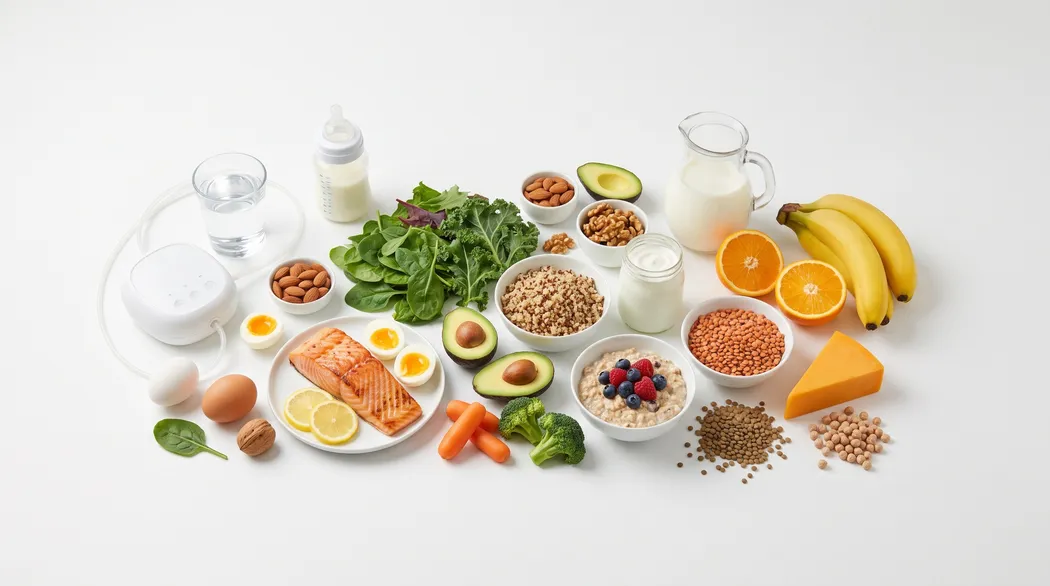
Breastfeeding is one of the most nourishing things you can do for your newborn, but many mothers worry about whether they are producing enough milk. If you are searching for ways to increase breast milk food choices and build a stronger lactation diet, you are not alone. While no single food guarantees a bigger supply, the right nutrition supports the hormonal environment and energy demands that milk production depends on.

How Diet Affects Breast Milk Production?

Milk supply is primarily driven by how often and how completely the breast is emptied. Frequent, effective feeding sends a hormonal signal (mainly through prolactin) to make more milk. Diet plays a supporting role, not a controlling one.

That said, under-eating or severe dehydration can dampen supply. Lactating mothers need extra calories above their usual intake to fuel milk production. Meeting those energy needs, eating a varied diet, and staying hydrated creates the best conditions for your body to respond to your baby's demand.

Eating more food beyond a reasonable calorie surplus does not automatically produce more milk. The key drivers remain feeding frequency, proper latch, and effective emptying of the breast.

Top Galactagogue Foods Backed by Evidence

A galactagogue is any food, herb, or medicine thought to support or increase milk production. The evidence for most food-based galactagogues is limited and largely based on traditional use, small studies, or animal research. That honesty matters: none of these foods is a guaranteed fix, but many are nutritious additions to a lactation diet regardless.

Commonly used galactagogue foods include:

  • Fenugreek seeds (methi) are the most widely studied herbal galactagogue. Some small human trials suggest they may modestly increase milk volume, but results are inconsistent. They are also rich in iron and fibre.
  • Oats are a gentle, well-tolerated food rich in iron and beta-glucan. Many mothers report improved supply after adding oats to their diet, though large clinical trials are lacking.
  • Garlic has a long history in Indian lactation traditions. It may also make breast milk more appealing to some babies, encouraging them to feed longer.
  • Sesame seeds (til) are dense in calcium and healthy fats, both valuable during breastfeeding. They feature regularly in traditional postpartum preparations like til ladoo.
  • Moringa (drumstick leaves, sahjan) is common in South Asian cooking and has been studied in a small number of trials, with promising results for milk volume, though larger evidence is still needed.
  • Cumin (jeera) and fennel are regularly added to postpartum meals in Indian households and are generally safe and nutritious additions to a foods-to-increase-breast-milk-supply approach.

The bottom line: these foods are good nutrition choices and carry low risk when eaten as food. Think of them as supportive additions rather than medical treatments. When considering how to increase breast milk naturally, food variety and consistent feeding matter more than any single ingredient.

Hydration and Fluid Intake for Lactation

Breast milk is over 85% water, so adequate fluid intake genuinely matters. The practical guidance from most lactation experts is simple: drink to thirst, and then a little more.

You do not need to force litres of water beyond what your body signals. Overhydration does not increase supply and can be uncomfortable. A useful habit is keeping a glass of water nearby every time you sit down to breastfeed.

Good fluid sources include:

  • Plain water (the best choice for everyday hydration)
  • Warm soups and dals, common in Indian postpartum cooking
  • Milk and buttermilk, which also provide calcium and protein
  • Herbal teas such as fennel or cumin water, taken in moderate amounts

Watch for signs you may be under-hydrated: dark urine, headaches, or feeling persistently thirsty. These are cues to drink more.

Sample One-Day Lactation Meal Plan

This is a simple Indian-diet example showing how foods for breastfeeding mothers and galactagogue foods can fit into everyday eating. It is not a prescription, just a practical illustration.

Meal

What to Eat

Early morning

Warm milk with a pinch of turmeric; 2 soaked fenugreek seeds swallowed whole or stirred into water

Breakfast

Oats porridge with nuts and banana, or 2 methi parathas with curd

Mid-morning snack

A handful of til chikki or mixed nuts; a glass of jeera water

Lunch

2 chapatis, a bowl of dal, sabzi with moringa leaves, rice, and a green leafy vegetable side

Afternoon snack

Buttermilk or a small bowl of sprouted legumes

Dinner

Rice or chapati with rajma or chana curry, a vegetable side, and a small bowl of curd

Before bed

Warm milk with a small amount of garlic, a traditional postpartum remedy in many Indian homes

Drink water or warm soups freely throughout the day. Adjust the plan based on what is locally available and what your body tolerates well.

When Diet Alone Isn't Enough: Signs of Low Supply

Diet can support milk production, but it cannot override underlying issues with supply. Knowing the difference between a perceived low supply and a genuine one matters.

Signs your baby may not be getting enough milk:

  • Fewer than 6 wet nappies per day after the first week
  • Poor weight gain or weight loss beyond the normal newborn period
  • A baby who is consistently unsettled after feeds without gaining weight
  • No audible swallowing sounds during feeds

If you notice these signs, reach out to a lactation consultant or your doctor before changing your diet or starting any herbal supplement. Self-diagnosis can delay the help your baby needs. For broader guidance on early newborn care and feeding cues, see these newborn care tips after birth.

A lactation consultant can assess latch, positioning, and milk transfer directly, which no low milk supply remedy or diet plan can replicate.

Contraindications and Precautions with Lactation Foods and Herbs

Most galactagogue foods eaten as part of a normal diet are safe. Concentrated herbal supplements are a different matter and deserve more caution.

Key precautions to be aware of:

  • Fenugreek supplements (not seeds used in cooking) may lower blood sugar and are generally not recommended for mothers with diabetes or thyroid conditions without medical supervision.
  • Mothers with allergies to legumes (such as chickpeas or peanuts) may also react to fenugreek, as it belongs to the same plant family.
  • Some herbal galactagogues can interact with medications including blood thinners and thyroid drugs. Always tell your doctor about any supplement you are taking.
  • Herbal teas marketed for lactation can contain multiple ingredients at varying concentrations. Check labels and discuss them with your doctor or pharmacist before use.
  • Large doses of garlic or fennel supplements, beyond what is used in ordinary cooking, have not been well studied in lactating mothers.

The safest approach is to use these ingredients as food, not as concentrated supplements, unless a qualified healthcare provider advises otherwise.

Report adverse events to your healthcare provider or the relevant regulatory authority if you experience any unexpected reaction to a food or supplement while breastfeeding.

Conclusion

No single food has been proven to reliably increase breast milk supply in every breastfeeding mother. Adequate calories, a varied and nutrient-dense diet, sufficient fluids, and regular breastfeeding or milk expression are more important for supporting lactation and maternal health. Foods such as oats, legumes, nuts, seeds, leafy vegetables, and other nutrient-rich choices can form part of a balanced postpartum diet, but their effects on milk production may vary. Frequent and effective milk removal is a key factor in maintaining supply, while stress, illness, certain medicines, and feeding difficulties can also affect lactation. Mothers concerned about low milk supply should seek guidance from a lactation consultant, paediatrician, or other qualified healthcare professional rather than relying solely on specific foods or supplements.

FAQS

What foods increase breast milk supply fast?

No food produces an immediate or dramatic increase in supply. Fenugreek, oats, moringa, and garlic are the most commonly cited options, and some mothers notice a difference within a few days, but consistent, frequent feeding is what drives supply more than any single food.

Can drinking more water increase milk supply?

Staying well hydrated supports milk production, but drinking water beyond your thirst does not boost supply. Aim to drink enough that your urine is pale yellow, and keep fluids handy during feeds.

Is fenugreek safe for breastfeeding mothers?

Fenugreek seeds used in cooking are generally considered safe. Concentrated fenugreek supplements carry more risk, particularly for mothers with diabetes, thyroid conditions, or legume allergies. Speak with your doctor before taking fenugreek in supplement form.

How long does it take for galactagogue foods to work?

Most mothers who notice any change report it within 24 to 72 hours of regular use, but results vary widely. If there is no change after a week of consistent use alongside frequent feeding, consult a lactation consultant to rule out other causes.

What foods should be avoided while breastfeeding?

High-mercury fish, excess caffeine (more than 1 to 2 cups of coffee daily), and alcohol are the main items to limit. Some babies are sensitive to strong flavours like onion or cruciferous vegetables, though this varies individually and most foods are fine in normal amounts.

Apollo 247 Floating Action Button