logo
0

Fruit Purees for Babies: Complete Guide to Baby Fruit Puree

Learn how to prepare, store, and safely serve fruit purees for babies, including the best first fruits, preparation steps, flavour combinations, and feeding tips.

article image

Dr. Nallapu Siri

Watching your little one take their very first bite of solid baby food is an unforgettable milestone. Around the age of six months, babies begin to transition from an exclusive milk diet to exploring a wonderful world of new tastes, colours, and textures. Introducing a nutritious, homemade baby fruit puree is one of the most exciting ways to kickstart this culinary journey.

Fruits are naturally sweet, highly appealing to infants, and packed with essential vitamins, minerals, antioxidants, and dietary fibre. Helping your infant explore these flavours not only supports their rapid physical growth but also aids in their cognitive development and palate training.

In this comprehensive guide, we will explore everything you need to know about preparing, storing, and safely serving fruit purees to support your baby’s healthy milestones.

When to Start and Which Puree to Give Baby First

According to the World Health Organization (WHO) and the Centers for Disease Control and Prevention (CDC), infants should be exclusively breastfed or formula-fed for approximately the first six months of life. Around this time, their digestive systems mature enough to handle solid foods, and their natural iron stores begin to deplete, making complementary feeding essential.

Before spooning any food into your baby’s mouth, you must look for key signs of developmental readiness:

  • Excellent Head Control: Your baby can hold their head steady and upright in a high chair.
  • Sitting Upright: They can sit with little to no support.
  • Loss of the Tongue-Thrust Reflex: They no longer automatically push food out of their mouth with their tongue.
  • Curiosity: They watch you eat, reach for your food, or open their mouth when food is presented.

When these signs align, you might wonder which puree to give baby first? Paediatricians and paediatric dietitians generally recommend starting with single-ingredient, easily digestible, and low-allergy-risk foods.

At this initial stage, texture is everything. You should aim for a very soft fruit puree baby food consistency. The mixture should be completely smooth, silky, and thin enough to run off a spoon easily. This helps your baby swallow safely without gagging as they transition away from a strictly liquid diet.

Which Fruit Puree is Good for Babies?

As your infant learns the mechanics of swallowing, you can gradually expand their nutritional menu. But exactly which fruit puree is good for babies during these early feeding stages? Here is a breakdown of excellent, nutrient-dense fruits to introduce:

  • Avocados: Often considered a perfect first food, avocados are packed with healthy monounsaturated fatty acids, which are important for growth and development. They do not require cooking and mash easily into a rich, creamy paste.
  • Bananas: Highly digestible, naturally sweet, and rich in potassium, vitamin B6, and vitamin C. They are perfect for quick, on-the-go preparation.
  • Pears: Pears are incredibly gentle on a baby’s stomach and have a low acidity level. They are also rich in soluble fibre, which helps keep bowel movements regular.
  • Apples: A fantastic source of vitamin C and dietary fibre. Harder fruits like apples must be peeled, cored, and steamed or baked until soft before pureeing.

As your infant grows, they will require more varied nutrients. A fruit puree for 7 month baby meals can introduce slightly more complex flavours, such as peaches, nectarines, plums, apricots, and mangoes.

Around eight months, it is highly recommended to introduce a vegetable puree for 8 month baby diets alongside their favourite fruits. Alternating sweet fruits with earthy vegetables like sweet potatoes, carrots, green peas, and butternut squash ensures your infant does not develop an exclusive, stubborn preference only for sugary tastes.

How to Make Fruit Puree for Baby: Step-by-Step

Making your own baby fruit puree homemade is simple, cost-effective, and highly rewarding. Preparing meals at home gives you complete control over the quality, freshness, and purity of the ingredients.

Learning how to make fruit puree for baby feeding requires only a few basic kitchen tools and these simple steps:

Step 1: Selection and Washing

Select fresh, ripe, organic produce whenever possible to minimise pesticide exposure. Thoroughly wash the fruit under cold running water to remove any surface dirt, bacteria, or residue.

Step 2: Peeling and Prepping

Peel the skin completely, as skins can be difficult for young infants to digest and may pose a choking hazard. Remove all seeds, pits, stems, or tough inner cores, and chop the fruit into uniform, small chunks.

Step 3: Gentle Cooking

Hard fruits like apples, pears, and plums need to be softened. Steaming is the preferred cooking method because it preserves water-soluble vitamins, such as vitamin C and B vitamins, better than boiling. Steam the fruit chunks for 8 to 12 minutes, or until they are fork-tender.

Step 4: Blending and Texturing

Transfer the cooked fruit chunks into a high-powered blender or food processor. Blend until completely smooth, ensuring no lumps remain. To achieve the perfect consistency for soft fruit puree baby feeding, you can thin the mixture by adding a small splash of breast milk, prepared infant formula, or the nutrient-rich water left over from steaming.

Step 5: Cool and Serve

Allow the homemade fruit puree baby meal to cool down to room temperature before feeding. Always test the temperature on the inside of your wrist first to ensure it is lukewarm or cool.

Flavor Combinations: Preparing a Fruit Puree Mix Baby Will Love

Once your child has successfully tolerated several single-ingredient purees without any adverse reactions, you can begin combining ingredients. Creating a customised fruit puree mix baby food option is an excellent way to introduce complex flavour profiles, stimulate their sensory development, and pack more nutrients into a single meal.

When offering a mixed fruit puree baby blend, ensure that each individual ingredient has already been introduced separately on prior occasions. This practice allows you to immediately pinpoint the culprit if an allergic reaction occurs.
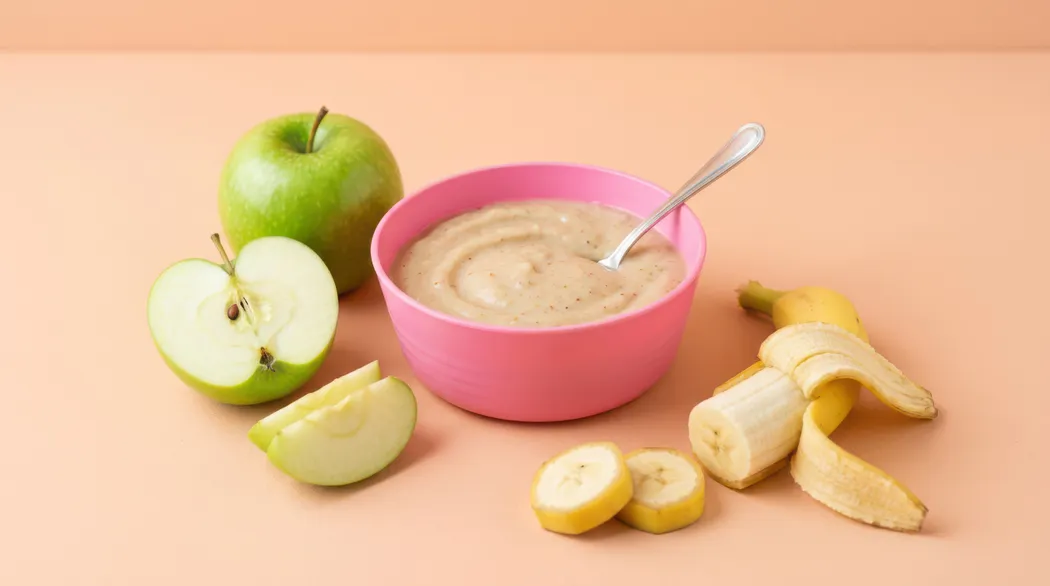
Here are a few nutrient-rich combinations that are popular with growing infants:

  • The Creamy Orchard: A smooth blend of steamed apples, pears, and a spoonful of mashed avocado.
  • The Tropical Dream: Steamed mango slices blended with a ripe banana and a splash of breast milk.
  • The Berry Apple: Steamed sweet apples pureed with a small handful of fresh, antioxidant-rich blueberries.

Store-Bought vs. Homemade: Choosing the Best Option

In a busy household, finding the time to peel, steam, and blend fresh food every day can be challenging. Many parents choose to rely on a high-quality readymade puree for baby meals when travelling, running errands, or during busy workdays.

Commercial baby food fruit puree options are highly convenient, tightly regulated for microbiological safety, and shelf-stable. However, there are notable differences between store-bought fruit puree baby food and fresh, home-cooked alternatives.

To extend shelf life, commercial fruit puree baby products undergo high-heat pasteurisation. While this process eliminates bacteria, it can also degrade some heat-sensitive vitamins and alter the natural colour and taste of the fruit.

If you do purchase commercial fruit puree baby feeding jars or pouches, read the labels carefully. Look for brands that list only the fruit and water as ingredients, with no added sugars, sodium, corn syrup, starch, or chemical preservatives.

Safe Feeding Practices and Tips

Ensuring a safe, positive, and happy mealtime is just as important as the food you prepare. When embarking on baby fruit puree feeding, keep these essential health and safety guidelines in mind:

  • Use the Right Spoon: Always use a small, soft-tipped silicone or plastic spoon designed specifically for infant gums to prevent irritation.
  • Positioning: Ensure your child sits fully upright in a secure high chair. Never feed a baby who is lying down, reclining, or crawling, as this poses a severe choking hazard.
  • Observe When Introducing New Foods: When introducing a new fruit puree for baby feeding, introducing one new ingredient at a time can make it easier to identify signs of a food allergy or intolerance. There is no universal requirement to follow a rigid three-to-five-day rule for every new food.
  • Never Add Honey: Do not add honey to any fruits puree for baby mixtures. Honey can contain spores of Clostridium botulinum, which can cause infant botulism—a rare but life-threatening neurological illness in children under one year of age.
  • Safe Storage Practices: Follow safe storage practices for homemade purees:
  • Refrigeration: Store fresh, homemade purees in an airtight glass container in the refrigerator for up to 48 hours.
  • Freezing: For longer storage, spoon the puree into clean, silicone ice cube trays and freeze. Once frozen, transfer the food cubes into labelled, airtight freezer bags for up to 3 months. Thaw frozen portions in the refrigerator overnight; never refreeze thawed leftovers.

FAQS

Can I freeze homemade baby fruit puree?

Yes, freezing is an excellent way to save time and preserve nutrients. Pour your freshly made puree into clean silicone ice cube trays. Once completely frozen, pop the cubes out and store them in food-grade, airtight freezer bags labelled with the preparation date. They can be safely frozen for up to 3 months.

Should I peel fruits before making puree for my baby?

Yes, for infants who are just starting solid foods, you should peel fruits like apples, pears, peaches, and plums. Fruit skins can be tough to digest and may pose a potential choking hazard if not completely pulverised.

Can I add spices like cinnamon to my baby's fruit puree?

Absolutely! Once your baby has tolerated individual fruits, you can add a tiny pinch of mild, non-hot spices such as cinnamon, nutmeg, cardamom, or ginger. Introducing mild spices is a useful way to expand their taste preferences and prepare them for your family’s style of cooking. Avoid adding any sugar, salt, or artificial sweeteners.

How do I know if my baby is full during a feeding?

Babies are excellent at regulating their own appetite. Signs that your baby is full include turning their head away from the spoon, closing their mouth tightly, spitting out the food, leaning back in their chair, or starting to play rather than eating. Never force your baby to finish a portion.

Is it normal for my baby's bowel movements to change after starting fruit purees?

Yes, this is completely normal. As your baby transitions from breast milk or formula to solids, their stools will change in colour, consistency, and odour. Some fruits, like prunes and pears, may loosen the stool, while others, like bananas, can firm it up. If you notice signs of severe constipation, persistent diarrhoea, or blood in the stool, contact your paediatrician immediately.

Apollo 247 Floating Action Button