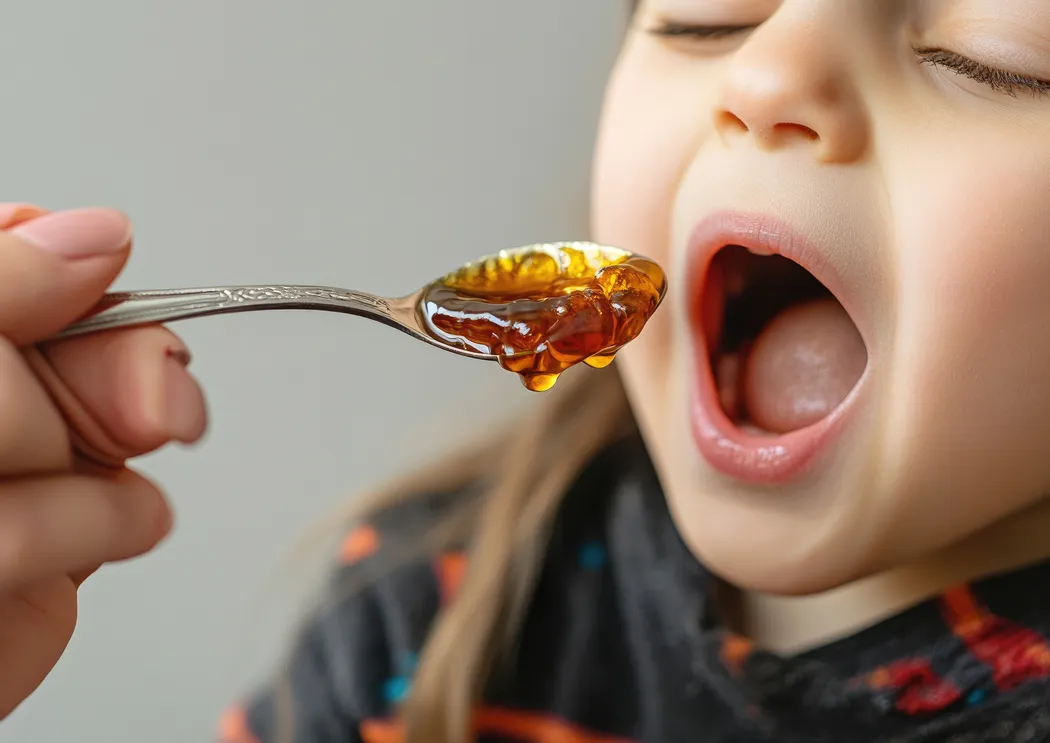
Learn when babies can safely eat honey, why honey is unsafe before 12 months, and how to prevent infant botulism with simple safety tips.
Dr.Kamran
As a parent, you want to give your child the absolute best start in life, especially when it comes to nutrition. As your little one begins transitioning to solid foods, you might find yourself looking at natural sweeteners and wondering: is honey good for babies?
While honey is celebrated worldwide as a wholesome, natural remedy for adults, the rules for infants are entirely different. This guide will walk you through everything you need to know about honey safety, the medical reasons behind the guidelines, and when you can safely introduce this sweet treat to your child.
Is Honey Good for Babies? Understanding the Risks
When looking at the nutritional profile of honey, it is easy to assume that it would make a great addition to a baby's diet. It is natural, organic, and packed with antioxidants. However, if you are asking yourself, "is honey good for babies?" The medical consensus is clear: honey is highly dangerous for infants under one year old.
While many older generations believe honey is good for babies because of its traditional use as a cough reliever, modern paediatric medicine has proven that the risks far outweigh any potential benefits for infants. There is a very specific scientific reason that makes raw or processed honey not good for babies who are still in their first year of life.
Why Honey is Not Safe for Infants: The Danger of Infant Botulism
To fully understand why honey is not good for babies, we have to talk about a rare but serious condition called infant botulism.
The Science Behind Botulism Spores
Honey can contain dormant spores of a bacterium called Clostridium botulinum. These spores are found naturally in soil, dust, and agricultural products. While these spores are harmless to adults and older children, they pose a severe threat to an infant's undeveloped digestive tract.
This brings us to the core question: why can't babies have honey? When an infant ingests these spores, the spores can germinate, multiply, and produce a dangerous neurotoxin in the baby's immature gut. In older children and adults, the protective microflora and high acidity in the digestive system prevent these spores from growing. However, a baby’s digestive system is still developing, making it the perfect environment for the bacteria to thrive and release toxins.
What is Infant Botulism?
Infant botulism is a serious gastrointestinal condition that attacks the nervous system. If left untreated, it can lead to muscle weakness, severe breathing difficulties, and life-threatening paralysis.
Baby's Age
Is Honey Safe?
Action / Recommendation
Under 12 months
No – avoid completely
Do not give honey because it may cause infant botulism.
12 months and older
Yes
Honey can be introduced in moderation as part of a balanced diet.
Honey should not be given to babies under 12 months, including when added to food, water, infant formula or a pacifier, because honey can contain Clostridium botulinum spores that may cause infant botulism.
Can I Give Honey to My 5-Month-Old Baby?
For example, you might wonder, "can I give honey to my 5 month old baby to help them sleep?" The answer is absolutely not. At five months old, a baby’s gut microbiome is highly vulnerable. Solids of any kind should generally wait until around six months, and honey must be completely avoided.
Can I Give Honey to My 6-Month-Old Baby?
You might also wonder, "can I give honey to my 6 month old baby as they start solid foods?" Again, the answer remains no. Even though six months is the typical age to begin introducing purees and finger foods, honey remains strictly off-limits. Their digestive systems are still far too immature to neutralize botulism spores.
Can I Give Honey to My 11-Month-Old Baby?
Even if your child is close to their first birthday, you might think, "can I give honey to my 11 month old baby?" The answer is still no. Even though eleven months seems close to a year, their gut flora is still transitioning. It is critical not to rush this milestone. Wait until the full twelve months have passed to ensure complete safety.
When Can I Give Honey to My Baby Safely?
If you are asking, "when can I give honey to my baby?", the medical milestone is exactly 12 months (1 year) of age.
Once your child reaches their first birthday, honey is safe for babies because their digestive systems have matured. By this age, the balance of healthy bacteria in their intestines is strong enough to naturally destroy and block the growth of Clostridium botulinum spores before they can produce the botulinum toxin.
If you are searching for a honey safe for babies timeline, paediatricians agree that the twelve-month mark is the ultimate boundary. After this age, you can confidently use honey as a natural sweetener or a soothing home remedy.
Natural Remedies: Can I Give Ginger and Honey to My Baby?
When your infant catches a cold, you might ask, "Can I give ginger and honey to my baby to ease their cough?"
While ginger is generally safe for babies who have started solids, you must not combine it with honey for any child under 12 months. Giving ginger and honey mixtures to an infant puts them at direct risk of botulism.
Safe Alternatives for Coughs in Babies Under 1 Year:
If your baby is under one year old and suffering from a cold, use these paediatrician-approved alternatives instead of honey:
Warm fluids: Offer warm breast milk or formula.
Humidifier: Use a cool-mist humidifier in their room to keep the air moist.
Saline drops: Use saline nasal drops and a bulb syringe to clear nasal congestion.
Hydration: Ensure they are getting plenty of fluids to thin out mucus.
Symptoms of Infant Botulism to Watch For
If your baby has accidentally consumed honey, or if you suspect they have been exposed to botulism spores, it is vital to monitor them closely. Symptoms of infant botulism typically appear within 8 to 36 hours after ingestion, but they can sometimes take up to 14 days to manifest.
If you notice any of the following warning signs, seek emergency medical care immediately:
Persistent constipation: Often the very first sign of infant botulism.
Floppiness or muscle weakness: The baby may seem unusually weak, with poor head control.
A weak, flat cry: The baby's cry sounds noticeably different or softer than usual.
Difficulty feeding: A sudden inability to suck or swallow properly, causing drooling.
Extreme lethargy: The baby is unusually sleepy, sluggish, or difficult to wake up.
Expressionless face: Weakness in facial muscles, making them look blank.
Infant botulism is a medical emergency, but it is highly treatable when caught early. Doctors can administer a specialized medication called Botulism Immune Globulin Intravenous (BIG-IV) to help your baby recover fully.
How to Safely Introduce Honey After 12 Months
Once your child celebrates their first birthday, you can safely introduce honey into their diet. Here is how to do it correctly:
Start Small: Begin by adding a tiny drizzle of honey (less than half a teaspoon) to their oatmeal, yogurt, or warm water.
Monitor for Allergies: While honey allergies are rare, always watch for signs of an allergic reaction, such as hives, swelling, or wheezing.
Opt for High-Quality Honey: While pasteurization kills many bacteria, it does not reliably destroy botulism spores. However, once your child is over 12 months, both raw and pasteurized honey are perfectly safe.
Use Mindfully: Even though honey is natural, it is still an added sugar. Limit consumption to protect your child's developing teeth and prevent a preference for overly sweet foods.
Conclusion
Honey may be a natural food, but it is not safe for babies under 12 months because it can contain Clostridium botulinum spores that may cause infant botulism. This applies to raw, pasteurised, cooked and baked honey. After your child reaches 12 months, honey can be introduced in moderation, while remembering that it is still an added sugar. Parents should also be aware of the warning signs of infant botulism and seek medical attention promptly if symptoms develop.
FAQS
Is honey safe for babies if it is baked or cooked in food?
No. The spores of Clostridium botulinum are extremely heat-resistant. Normal cooking, baking, or boiling temperatures do not kill these spores. You should never give your baby baked goods, graham crackers, or processed foods containing honey if they are under 1 year old.
Can babies eat honey if it is pasteurized?
No. Pasteurization is a heating process designed to kill active bacteria, but it does not reach temperatures high enough to destroy dormant botulism spores. Both raw and pasteurized honey carry the same risk of infant botulism.
What should I do if my baby accidentally ate honey?
If your baby is under 12 months old and accidentally eats honey, remain calm but vigilant. Monitor them closely for the next 14 days for symptoms such as constipation, muscle weakness, a weak cry, or trouble feeding. If any symptoms appear, contact your paediatrician or go to the emergency room immediately.
Why can babies have maple syrup but not honey?
While pure maple syrup does not carry the risk of botulism spores, it is still not recommended for infants because of its extremely high sugar content. paediatricians advise avoiding all added sugars, including maple syrup, for infants to promote healthy dietary habits and protect early dental health.
Is honey good for babies' skin if applied topically?
You should avoid applying honey to the skin of babies under one year old. Because infants constantly put their hands and feet in their mouths, there is a high risk they could accidentally ingest the honey from their skin.