logo
0

How Many Months Do You Have to Burp a Baby? | Expert Guide

Learn how many months you need to burp a baby, when to stop, safe burping positions, infant hiccups, and when digestive symptoms need medical attention.

article image

Dr. J.T.Hema Prathima

Welcoming a newborn into your home brings an abundance of joy, love, and a rapid learning curve. Among the many daily routines you will establish with your little one, feeding is one of the most precious bonding experiences. However, feeding often comes with a soundtrack of tiny squeaks, wet sputters, and sudden bouts of hiccups.

As a new parent, you might find yourself spending hours gently patting your baby’s back, wondering exactly how many months we have to burp a baby. If you feel like your days and nights are dominated by winding your infant, you are not alone.

Burping is a crucial part of early infant care, but it is not a lifelong requirement. In this comprehensive, medically backed guide, we will explore the developmental timeline of infant digestion. We will cover exactly how many months we have to burp a baby, why those adorable yet persistent hiccups occur, and how to master the best burping techniques for a happy, gas-free infant.

Why Do Newborns Need Help Burping?

Before diving into the timeline, it is helpful to understand the biology behind why we burp infants in the first place.

The image of a mother burping infant after feeding is iconic for a reason. Unlike adults, a newborn's digestive system is highly immature. When babies feed—whether by breast or bottle—they naturally swallow air along with their milk. This condition is known medically as aerophagia.

Because infants spend most of their time lying flat, this swallowed air easily becomes trapped in their tiny stomachs. This trapped gas can lead to:

  • An uncomfortable feeling of fullness or bloating.
  • Increased fussiness and crying during or after feeds.
  • Excessive spitting up (gastroesophageal reflux).
  • Abdominal pain or colic-like symptoms.

Routine infant burping after feeding acts as a manual release valve. By holding your baby upright and applying gentle pressure or patting on their back, you help the tiny air bubbles coalesce into a larger bubble that can be easily expelled. Regular burping infant after feeding keeps your baby comfortable and prevents painful gas from moving further down into their intestinal tract.

How Many Months We Have to Burp a Baby? The Developmental Timeline

The golden question for weary parents is: exactly how many months we have to burp a baby?

Generally, you will need to actively burp your baby until they are 4 to 6 months old.

  • 0 - 3 Months: Critical Phase (Burping required after every feed)
  • 4 - 5 Months: Transitional Phase (Baby begins sitting; digestive tract matures)
  • 6+ Months: Independence Phase (Baby can burp independently; solids introduced)

If you are curious about till how many months we have to burp a baby, the transition typically aligns with major physical milestones. By the time your infant reaches 6 months, their digestive tract has matured significantly, and their physical strength has increased.

Here is a closer look at the timeline to help you understand till which month we have to burp baby and why:

1. The Newborn Stage (0 to 3 Months)

During the first twelve weeks of life, your baby’s digestive system is at its most delicate. The lower esophageal sphincter—the muscle valve that keeps stomach contents down—is weak and relaxed. At this stage, your baby has minimal neck and core strength. They rely entirely on you for gas relief. Active burping is essential during and after every single feeding session.

2. The Transitional Stage (4 to 5 Months)

As your baby approaches their fourth and fifth months, you will notice significant changes. If you are wondering for how many months we have to burp baby actively, this is the phase where you can start observing your child's cues. At this age, babies develop stronger neck muscles, gain better trunk control, and begin to roll over. These physical movements naturally help wiggle trapped air bubbles up and out of their digestive system without your assistance.

3. The Independence Stage (6 Months and Beyond)

When considering up to how many months do you have to burp a baby, 6 months is generally the universal milestone. By this age, most infants can sit up unsupported or with minimal assistance. They are also starting to explore solid foods.

Once your baby is sitting upright on their own, the natural force of gravity, combined with their active movements, allows them to pass gas and burp independently. Therefore, when looking at till when we have to burp the baby or till what age we have to burp baby, you can safely phase out active burping sessions once your baby is sitting stably and no longer shows signs of gas discomfort after meals.

What to Do for an Infant Not Burping After Feeding

It is a common scenario: you have spent fifteen minutes gently patting and rubbing your baby's back, but you have received no satisfying release. An infant not burping after feeding can make parents anxious, leaving them worried that their little one will wake up screaming with stomach pain later.

However, if your baby does not burp after a few minutes, do not panic. Sometimes, an infant simply hasn't swallowed much air during their feed. This is especially true for breastfed babies who have achieved a deep, airtight latch, or babies fed from specialized anti-colic venting bottles. If you are struggling with a stubborn burp, follow these steps:

  • Observe your baby’s comfort: If your infant is relaxed, smiling, or falling asleep peacefully, they likely do not need to burp.
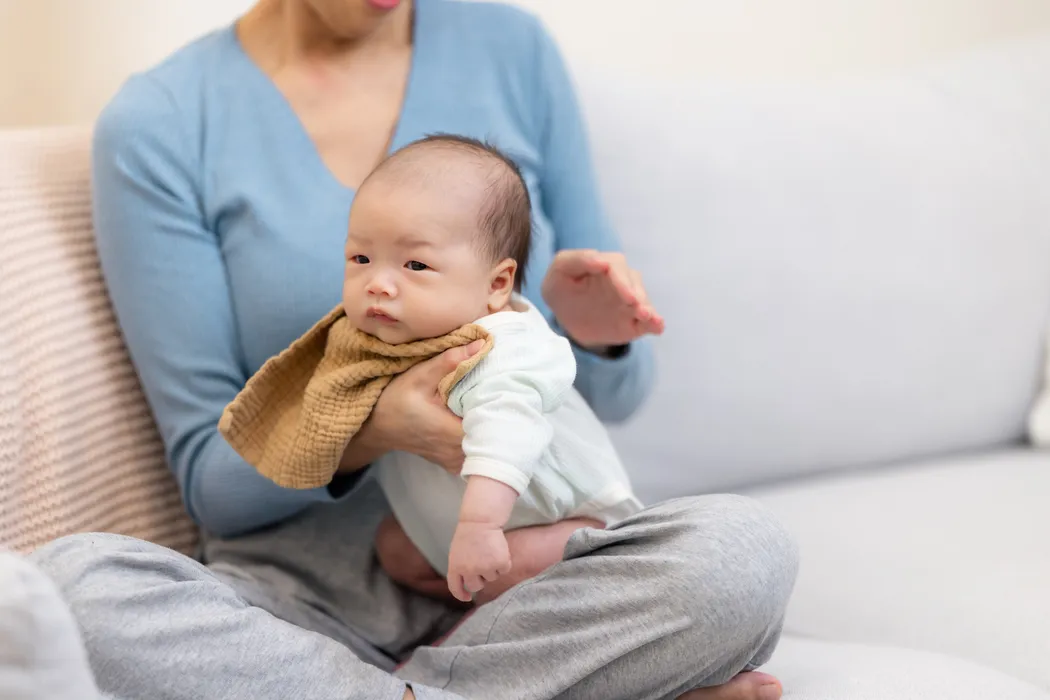
  • Limit active burping to 10–15 minutes: Knowing how long we have to burp a baby during a single session is helpful. If nothing happens after 10 to 15 minutes of gentle upright patting, it is perfectly safe to stop and lay them down.
  • Try a position change: Sometimes, shifting your baby from your shoulder to a sitting position can move the trapped air bubble to a spot where it can be easily expelled.

Understanding Infant Hiccups After Feeding

While burping is a primary focus for parents, hiccups are another incredibly common post-meal occurrence. Watching an infant hiccups after feeding can be mildly concerning, but it is almost always a normal, harmless reflex.

To understand how to manage this, we must look at why do babies have hiccups after feeding.

  • Rapid Feeding/Overfeeding
  • Stomach Swells
  • Diaphragm Irritated
  • Hiccups

The diaphragm is a dome-shaped muscle located at the base of the chest that controls breathing. If you are wondering why babies have hiccups after feeding, the answer lies in stomach expansion. When an infant drinks milk very quickly, or swallows excessive air, their tiny stomach stretches rapidly. This rapid expansion irritates or tickles the diaphragm muscle, causing it to spasm. These involuntary spasms are what we hear as hiccups.

Unlike adults, who find hiccups annoying or physically uncomfortable, babies are rarely bothered by them. In fact, many infants can sleep peacefully right through a bout of hiccups. Hiccups usually resolve on their own within 10 to 30 minutes.

Step-by-Step: Three Safe and Effective Burping Positions

To make your burping sessions as efficient as possible, try practicing these three classic, pediatrician-approved positions. Always keep a clean burp cloth handy to catch any unexpected spit-up!

1. Over the Shoulder

Hold your baby upright against your chest, resting their chin comfortably on your shoulder.
Support their bottom with one hand.
With your other hand, gently pat or rub their back in an upward motion.

2. Sitting on Your Lap

  • Sit your baby upright on your lap, facing sideways away from you.
  • Place one hand across their chest, supporting their jaw and chin with your fingers (be careful not to place any pressure on their throat).
  • Lean your baby slightly forward.
  • Use your free hand to gently pat or massage their back.

3. Face-Down Across Your Lap

  • Lay your baby tummy-down across your lap, perpendicular to your body.
  • Ensure their head is gently supported and elevated slightly higher than their chest so blood does not rush to their head.
  • Gently pat or rub their back until you hear a release.

When to Consult Your Pediatrician

While gas, burps, and hiccups are normal parts of infancy, there are times when digestive symptoms warrant professional medical advice. Contact your pediatrician if you notice any of the following warning signs:

  • Signs of extreme pain: Your baby cries inconsolably, arches their back, or pulls their legs to their chest during or after feeds.
  • Projectile vomiting: Rather than gentle spit-up, the baby forcefully vomits large volumes of milk.
  • Hiccups that disrupt life: Hiccups that last for several hours without stopping, prevent your baby from sleeping, or cause them to gag and choke.
  • Poor weight gain: Your baby is spitting up excessively and is not gaining weight according to their growth curve.

Conclusion

Burping is an important part of early infant care, but most babies gradually become less dependent on it as their digestive system and physical strength mature. Most babies need active burping until around 4 to 6 months, although some may stop needing help sooner if they are comfortable after feeds.

If your baby does not burp after a few minutes, there is usually no need to worry, especially if they remain calm and comfortable. Gentle techniques such as over-the-shoulder, sitting-on-the-lap, or face-down-across-the-lap positions can help release swallowed air. Hiccups after feeding are also common and generally resolve on their own.
However, seek advice from your pediatrician if your baby has severe discomfort, projectile vomiting, prolonged disruptive hiccups, or poor weight gain.

FAQS

How many months we have to burp a baby before they stop needing it?

Most babies need to be burped until they are between 4 and 6 months of age. By this point, their core muscles are strong enough to support sitting, and their digestive systems are mature enough to pass gas naturally.

What should I do if my baby falls asleep during a feed without burping?

If your baby falls asleep while feeding, you can still try to burp them gently. Hold them upright against your chest for 5 to 10 minutes, lightly rubbing their back. If they do not burp and remain asleep, you can safely lay them down on their back in their crib.

Is breastfeeding better for reducing the need to burp?

Breastfed babies typically swallow less air than bottle-fed babies because they can create a more natural, airtight seal on the breast. However, they may still need burping, especially if the mother has a fast milk let-down or an abundant milk supply.

Do hiccups mean my baby is getting too cold?

No. An infant getting hiccups after feeding is caused by a full stomach irritating the diaphragm, not by temperature changes.

Can I lay my baby down immediately after they burp?

It is generally best to keep your baby upright for at least 10 to 15 minutes after feeding, even if they have already burped. This helps gravity keep the stomach contents down and significantly reduces the likelihood of spitting up or acid reflux.

Apollo 247 Floating Action Button