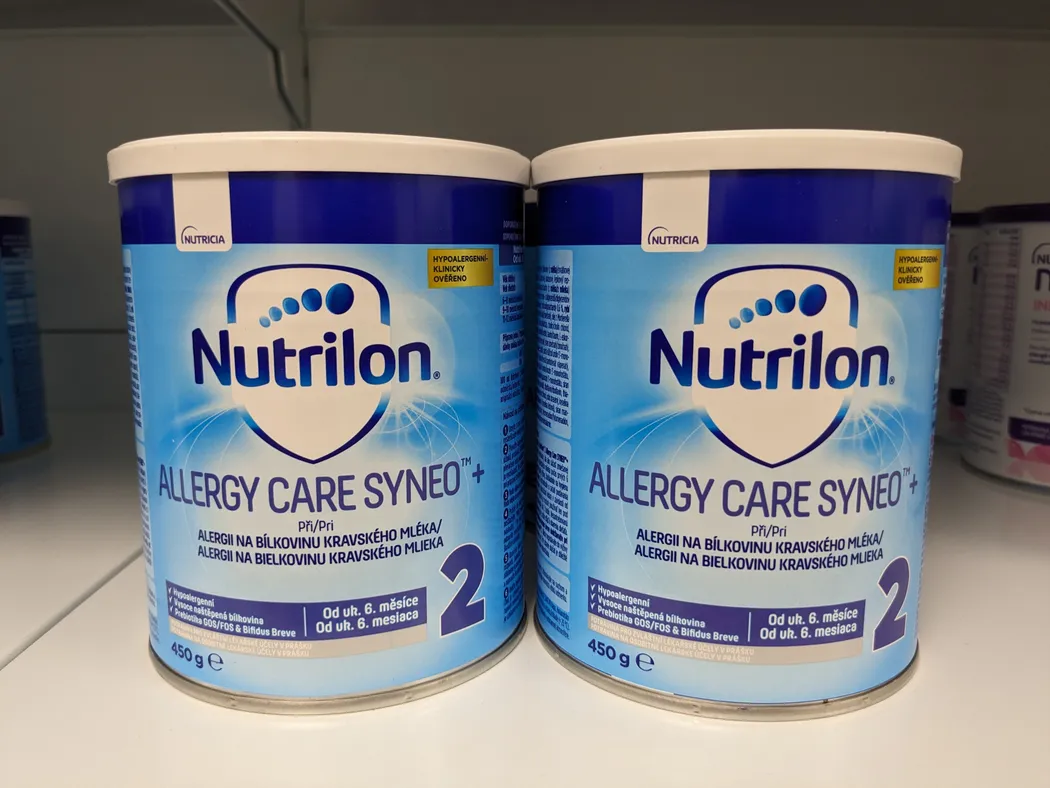
Hypoallergenic Formula Guide for Babies with Allergies
Learn about hypoallergenic formula for babies, including hydrolysed and amino acid formulas, milk protein allergy, symptoms, benefits, and feeding guidance.
Dr.Nallapu Siri
Feeding a baby is one of the most fundamental acts of care, yet for some families it becomes a source of real anxiety when the infant seems distressed after every bottle. Hypoallergenic formula exists specifically for babies whose immune or digestive systems react to standard cow's-milk-based products. Understanding what these formulas are, which symptoms warrant their use, and how to switch safely can help you have a much more informed conversation with your paediatrician.
What Is a Hypoallergenic Formula?
Standard infant formulas use whole cow's milk proteins, primarily casein and whey. In babies with a cow's milk protein allergy (CMPA), the immune system treats these proteins as foreign, triggering reactions ranging from skin rashes to gut inflammation.
Hypoallergenic formula addresses this by breaking those proteins down, a process called hydrolysis, so the fragments are too small for the immune system to recognise as threats. The degree of hydrolysis determines the formula type. Some formulas take a completely different route and supply protein as individual building blocks called amino acids, bypassing the problem entirely.
Knowing the signs of formula allergy in babies early can prevent prolonged discomfort. Watch for:
Persistent eczema or hives, particularly on the face and trunk
Blood or mucus in the stool
Frequent forceful vomiting or reflux that is not improving with positioning changes
Severe, inconsolable colic beyond what is typical for a newborn
Swelling around the mouth or lips after feeding (seek emergency care immediately if this occurs)
Poor weight gain despite adequate feeding volumes
These symptoms overlap with many other infant conditions, so a pediatrician's assessment is essential before changing formula. Never self-diagnose CMPA or switch products without medical advice.
Types of Hypoallergenic and Specialized Formulas
The right hypoallergenic formula for babies depends on the severity of the allergy and the baby's individual response. For parents searching for the best formula for baby with sensitive stomach concerns, it helps to understand that "sensitive stomach" and confirmed allergy are not the same thing and call for different formula types.
Partially Hydrolysed Formula
Proteins here are broken into medium-sized fragments. These formulas may suit babies with mild digestive sensitivity but are generally not recommended for confirmed cow's milk protein allergy because enough intact protein remains to provoke a reaction. Think of them as a gentler option for fussiness and gas, not a treatment for true allergy.
Extensively Hydrolysed Formula
Extensively hydrolysed formula is the first-line milk allergy formula for most babies diagnosed with CMPA. The proteins are broken down into very small peptides, and this type is tolerated by the majority of infants with mild to moderate cow's milk allergy. The taste is noticeably more bitter than standard formula, which can take some adjustment.
If your pediatrician suspects allergy rather than simple sensitivity, this is usually where treatment begins. For babies with a genuinely sensitive stomach but no confirmed allergy, a partially hydrolyzed option may be trialled first.
Amino Acid-Based Formula
When a baby does not respond to an extensively hydrolyzed formula, or has severe CMPA, multiple food protein allergies, or a condition like eosinophilic esophagitis, an amino acid-based formula is used. Proteins are replaced entirely by free amino acids, making this the least allergenic option available. It is also the most expensive and is generally reserved for the most complex cases.
Soy-Based Formula
Soy formula is sometimes considered for babies whose families prefer a plant-based option or who have a specific indication. However, soy is a distinct allergen, and a meaningful proportion of infants with CMPA also react to soy protein. Soy formula is not classified as hypoallergenic for babies with confirmed milk allergy and should only be used on pediatric advice.
A simple comparison:
Formula Type
Protein Form
Suitable For
Partially hydrolyzed
Medium peptides
Mild sensitivity, not true allergy
Extensively hydrolyzed
Small peptides
Mild to moderate CMPA
Amino acid-based
Free amino acids
Severe CMPA, multiple allergies
Soy-based
Soy protein
Selected cases, per pediatric advice only
How to Choose and Switch Formulas Safely?
Formula selection should always follow a pediatrician's recommendation after proper evaluation, which may include a trial elimination diet if the baby is breastfed, or a supervised formula trial if bottle-fed.
If a switch is advised, a gradual transition is usually better tolerated:
Start by replacing one feed per day with the new formula for two to three days.
Increase the proportion of new formula over the following week.
Monitor stool colour, consistency, skin, and the baby's overall comfort throughout.
Some infants show improvement in gut symptoms within a few days; skin symptoms such as eczema can take two to four weeks to clear. If symptoms worsen at any point, contact your doctor promptly rather than persisting independently.
Finding the best formula for baby with sensitive stomach or allergy symptoms is not a one-size-fits-all process. Never switch a baby back to the previous formula without medical guidance. And remember, hypoallergenic formula for babies is just one part of overall infant care; for guidance on newborn care basics beyond feeding, Apollo's resources cover a range of early parenting concerns.
Contraindications and When to Avoid Certain Formulas
Certain babies should not use specific formula types without careful specialist oversight:
Galactosemia: Babies with this rare metabolic disorder cannot process galactose, a sugar present in both cow's milk-based and some soy-based formulas. A lactose-free, galactose-free specialist formula is required.
Preterm or low-birth-weight infants: Standard hypoallergenic formulas may not meet their specific caloric, protein, and mineral requirements. Only use formulas specified for preterm infants under neonatal unit guidance.
Soy formula in infants under 6 months: Current guidance generally discourages soy formula for very young infants except in specific situations such as galactosemia or a confirmed milk allergy in a family with religious or dietary objections to cow's milk products.
Babies with thyroid conditions: Some soy-based formulas may interfere with thyroid function. Discuss any existing diagnosis with your specialist before choosing soy formula.
If you are unsure whether your baby falls into any of these categories, speak to your pediatrician before making any formula change.
Conclusion
Hypoallergenic infant formulas are designed for babies who may have difficulty tolerating standard formulas, particularly those with cow's milk protein allergy or other specific feeding needs. Depending on the condition, a healthcare professional may recommend extensively hydrolysed or amino acid-based formula, while partially hydrolysed formulas may not be appropriate for treating confirmed cow's milk protein allergy. Symptoms such as vomiting, diarrhoea, blood or mucus in stools, skin reactions, wheezing, or poor feeding can have several causes and should not be diagnosed through formula changes alone. The right formula depends on the baby's age, symptoms, nutritional requirements, and medical history. Parents should consult a paediatrician before switching to a hypoallergenic formula, especially if an allergy is suspected or the baby has significant or persistent symptoms.
FAQS
Is hypoallergenic formula necessary for every baby?
No. Most babies tolerate standard cow's milk-based formula without any issue. Hypoallergenic formula is only necessary when a baby has a confirmed or strongly suspected cow's milk protein allergy or a specific medical indication, as determined by a pediatrician.
How long does it take for hypoallergenic formula to work?
Digestive symptoms such as colic and loose stools often improve within one to two weeks. Skin symptoms like eczema may take up to four weeks to show clear improvement.
Can hypoallergenic formula cause constipation?
Some babies, particularly those on amino acid-based formula, may experience changes in stool frequency or consistency. If constipation is a concern, speak to your pediatrician rather than switching formula independently.
Is soy formula the same as hypoallergenic formula?
No. Soy formula replaces cow's milk protein with soy protein, but soy is itself a common allergen. It is not classified as hypoallergenic and is not appropriate for most babies with confirmed cow's milk protein allergy.
Do hypoallergenic formulas need a prescription in India?
Some extensively hydrolyzed and amino acid-based formulas may be available over the counter, but a pediatrician's prescription or written recommendation is strongly advisable. This ensures the correct product is chosen and the baby's progress is monitored appropriately.