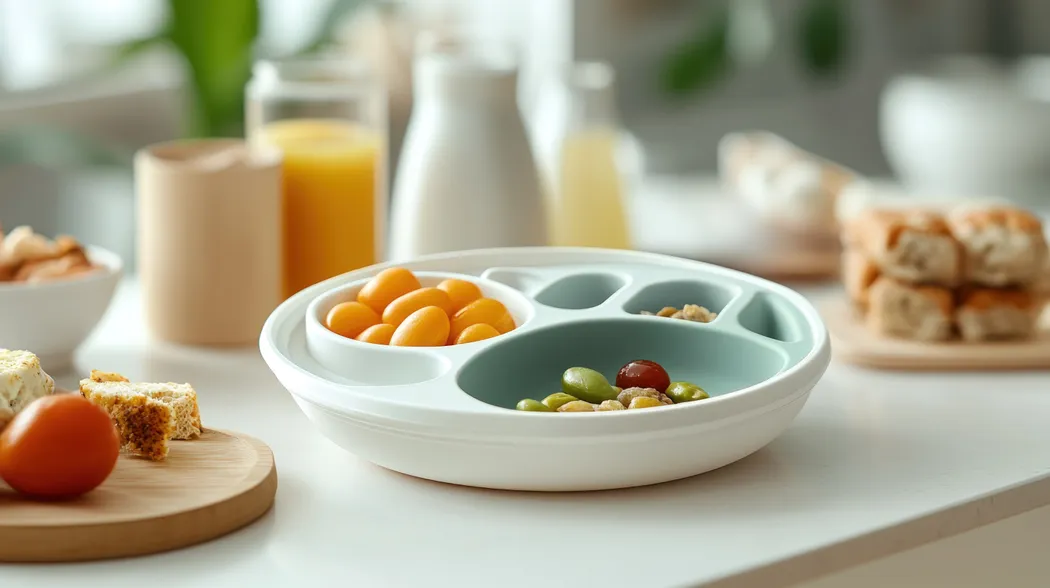
Infant Balanced Diet: Planning Meals for Growing Babies
Learn how to plan a balanced diet for infants, including essential nutrients, age-appropriate foods, meal ideas, feeding tips, and safe complementary feeding practices.
Dr. Ezhilrasan
Starting solids is one of the most exciting milestones in a baby's first year, and it can also feel overwhelming. An infant balanced diet does more than fill a hungry tummy; it lays the foundation for healthy growth, brain development, and lifelong eating habits. Getting the right nutrients in the right proportions, at the right age, is what separates a good start from a great one.
A balanced diet for a baby means providing all the energy and nutrients needed for rapid physical and cognitive growth, in age-appropriate textures and amounts.
Until six months, breast milk or formula meets virtually all of an infant's nutritional needs. Both the World Health Organization and the Indian Academy of Pediatrics recommend exclusive breastfeeding for the first six months, after which complementary foods should be introduced alongside continued breastfeeding up to two years or beyond.
From six months onward, babies need a steady supply of:
Energy from carbohydrates and healthy fats to fuel growth spurts
Protein for muscle and organ development
Iron, because breast milk alone cannot meet rising iron demands after six months
Calcium and vitamin D for bone development
Zinc, folate, and vitamin A to support immunity and cell growth
Portion sizes at this age are tiny. A six-month-old may eat only a few teaspoons at each sitting, and appetite naturally increases as feeding skills improve.
Key Food Groups Every Infant Meal Plan Needs
A practical infant nutrition food chart covers five core food groups.
Grains and cereals: such as rice, ragi, oats, and soft khichdi are easy to digest and provide energy. Fortified infant cereals also offer added iron, which becomes critical from six months onward.
Proteins: including mashed dal, pureed legumes, soft-boiled egg yolk (from around seven to eight months), and finely pureed chicken or fish supply the amino acids needed for rapid tissue growth.
Fruits and vegetables: such as pureed sweet potato, carrot, banana, apple, and pear offer vitamins, minerals, and fiber. Introduce one new item at a time, leaving two to three days between each new food to watch for reactions.
Dairy: Breast milk or formula remains the primary dairy source in the first year. Small amounts of full-fat curd or paneer can be added to meals from around eight months, but cow's milk as a main drink should wait until after twelve months.
Healthy fats: A teaspoon of ghee or cold-pressed oil added to meals improves caloric density and helps absorb fat-soluble vitamins. Do not restrict fat during this period; infants have high fat requirements relative to body size.
Portion guidance: Start with one to two teaspoons per sitting, increase gradually to three to four tablespoons by nine months, and aim for roughly half a cup by twelve months, alongside continued milk feeds.
Sample Meal Plans by Age (6-12 Months)
These plans are illustrative. Every baby is different, and appetite varies day to day. Treat them as a flexible starting point, not a rigid schedule. This baby meal plan by age covers three key stages.
6 to 7 Months: First Tastes
Time
Meal
Morning
Breast milk or formula
Mid-morning
2 to 3 tsp rice cereal or moong dal water
Afternoon
Breast milk or formula
Late afternoon
2 to 3 tsp pureed carrot or sweet potato
Evening/Night
Breast milk or formula
At this stage, food is about exploration. Textures should be smooth purees, and one new food every few days helps identify any reactions early.
8 to 9 Months: Building Variety
Time
Meal
Morning
Breast milk or formula
Breakfast
Soft ragi porridge or mashed banana (3 to 4 tbsp)
Lunch
Mashed dal-rice khichdi with a teaspoon of ghee
Snack
Pureed or mashed fruit (pear, mango, or chikoo)
Dinner
Soft-cooked mashed vegetables or vegetable puree
Night
Breast milk or formula
A balanced meal plan for babies at this stage uses thicker textures and mashed rather than pureed foods. Soft steamed vegetable pieces can begin toward nine months if the baby shows readiness for finger foods.
10 to 12 Months: Family Foods Begin
Time
Meal
Morning
reast milk or formula
Breakfast
Soft idli with dal, or mashed egg yolk with toast soldiers
Lunch
Soft rice, dal, and a mashed vegetable with ghee
Snack
Full-fat curd or small pieces of ripe fruit
Dinner
Soft chapati pieces, mashed sabzi, or a lentil soup
Night
Breast milk or formula
By twelve months, many babies eat modified versions of the family meal. Keep salt and spice levels low throughout this stage.
Foods to Avoid and Contraindications
Some foods are not appropriate for infants under twelve months and must be strictly avoided as part of any safe infant feeding guide.
Honey carries a risk of infant botulism, a serious illness. Avoid completely before twelve months.
Cow's milk as a main drink has a protein and mineral profile that is inappropriate for infants under twelve months and can stress developing kidneys.
Salt and added sugar should not be added to infant food. Infant kidneys cannot handle high sodium loads, and early sugar exposure builds unhealthy taste preferences.
Whole nuts and hard raw vegetables are clear choking hazards. Nut pastes are fine; whole nuts are not.
Unpasteurised dairy or raw eggs carry an infection risk and should be avoided.
Caffeinated drinks including tea, coffee, and colas have no place in an infant's diet.
For common allergens such as peanuts, egg white, fish, and wheat, introduce one at a time with a two to three day gap before the next. If there is a family history of allergies, discuss the timing with your pediatrician before introducing these foods.
Report adverse events to your healthcare provider or the relevant regulatory authority.
Signs of Nutritional Deficiency in Infants
Even with a well-planned infant balanced diet, watch for these red flags and raise them with a pediatrician promptly. Do not attempt self-diagnosis or self-treatment.
Persistent fatigue, pallor, or breathlessness (possible iron-deficiency anaemia)
Poor weight gain or visible loss of muscle bulk
Delayed developmental milestones such as sitting, standing, or hand coordination
Frequent infections or slow wound healing (may suggest zinc or vitamin A gaps)
Bowing of the legs or soft skull bones (possible vitamin D or calcium insufficiency)
Unusual hair loss or dry, flaky skin
If any of these signs appear, a pediatric consultation, not a change in diet alone, is the right first step. For broader care during your baby's early months, newborn care basics beyond feeding offers useful guidance on routine infant health checks.
A balanced infant diet provides a variety of nutrients needed to support healthy growth, development, and overall well-being. As babies begin complementary feeding, offering age-appropriate foods from different food groups, including iron-rich foods, fruits, vegetables, grains, and suitable protein sources, can help build healthy eating habits. Breast milk or appropriate infant formula remains important during infancy, while solid foods are gradually introduced and increased according to the baby's developmental readiness. Following safe feeding practices and discussing individual nutritional concerns with a paediatrician can help ensure that your baby's diet meets their changing needs.
FAQs
What is the best diet for infant growth?
A diet that includes iron-rich foods, protein sources, healthy fats, and a variety of fruits and vegetables alongside continued breast milk or formula supports healthy infant growth best. There is no single "perfect" food; variety and balance across the five core food groups matter most.
How many meals should an infant eat per day?
At six to seven months, one to two solid meals alongside milk feeds is typical. By ten to twelve months, most babies are ready for three small meals and one to two snacks per day, with breast milk or formula continuing as a key part of their nutrition.
Can infants have salt or sugar in food?
No. Salt should not be added to infant food before twelve months because young kidneys cannot process high sodium loads safely. Sugar provides empty calories and can set a preference for sweet foods early; leave it out of weaning foods entirely.
When can babies start drinking cow's milk?
Cow's milk can be introduced as a main drink after twelve months of age. Before that, it can appear in small amounts within cooked foods such as porridge or curd, but it should not replace breast milk or formula as the primary drink.
How much water does an infant need daily?
Babies under six months get all the fluid they need from breast milk or formula and do not need extra water. After six months, small sips of water with meals (around 60 to 120 ml per day as a rough guide) are generally sufficient, but breast milk or formula remains the main fluid source throughout the first year.