logo
0

Infant Cereal Powder: for Infant Feeding Transition

Learn when to introduce infant cereal powder, its nutritional value, safe preparation methods, precautions and feeding tips for babies.

article image

Dr. Abdul Kalam

Starting your baby on solid foods is one of the most significant milestones in their first year. Infant cereal powder is often among the first foods parents consider when making the transition from exclusive breastfeeding to complementary feeding. Understanding what infant cereal is made of, when to introduce it, and how to prepare it safely can help you make a confident, informed choice for your baby.

What Is Infant Cereal Powder?

Infant cereal powder is a commercially prepared complementary food designed to be introduced as babies move from exclusive milk feeding towards semi-solid foods. It is not baby formula. Formula is intended to replace or supplement breast milk as a liquid feed, while infant cereal is a semi-solid food introduced during the complementary feeding phase.

Infant cereals are typically made from cereal grains such as rice, wheat, oats or other grains, which may be pre-cooked and dried before being processed into a fine powder. This processing can make the cereal easier to prepare and consume. Some products are also fortified with micronutrients such as iron and B vitamins to help meet the nutritional needs of growing babies.

Because the primary ingredient is a grain, infant cereal is not the same as a milk-based formula, although some cereals can be prepared with expressed breast milk or formula instead of water, depending on the product instructions. Infant cereals fall under processed cereal-based complementary foods and are subject to food safety and composition standards in India.

Nutritional Composition of Infant Cereal

The nutritional composition of infant cereal varies by grain, formulation and product stage, but carbohydrates are generally the dominant macronutrient, with protein coming primarily from the cereal grains and smaller amounts of fat.

Key nutrients that may be found in fortified infant cereal include:

  • Iron, which supports healthy brain development and is particularly important from around six months, when babies' iron requirements increase
  • B vitamins, including thiamine, riboflavin and niacin, which contribute to normal energy metabolism
  • Calcium, which supports normal bone and teeth development
  • Vitamin C in some formulations, which can also help enhance the absorption of non-haem iron

On the question of added sugar, parents are right to check the label. Ideally, complementary foods for infants should not rely on added sugars for flavour. Check the ingredient list and nutrition information on the specific product you purchase. If ingredients such as sucrose or glucose are listed, the product contains added sugars.

For precise nutrient amounts per 100 g or per serving, refer to the nutrition information panel on the product label. Nutritional values and ingredients can vary between products and may change when formulations are updated.

When to Start Baby Cereal in Infant Feeding?

The timing of introducing infant cereal is one of the most common questions new parents have. Guidelines generally recommend that complementary foods, including infant cereal, should not be introduced before around six months of age. Exclusive breastfeeding is recommended for the first six months, after which complementary foods are added while breastfeeding continues.

Starting complementary foods too early may increase the risk of feeding difficulties and may mean that the baby is not developmentally ready to manage foods safely. Waiting too long to introduce complementary foods can make it more difficult to meet increasing nutritional requirements, particularly for nutrients such as iron and zinc.

Practical signs that a baby may be developmentally ready include:

  • Ability to sit with minimal support and hold the head steady
  • Showing interest in food when others eat
  • Loss of the tongue-thrust reflex, meaning the baby no longer automatically pushes food out of the mouth

None of these signs replaces a paediatrician's assessment. Before starting infant cereal or any complementary food, speak with your child's doctor, particularly if your baby was born prematurely or has an underlying health condition. For newborn care essentials for new parents, Apollo's resource library is a helpful starting point.

How to Prepare Infant Cereal Powder Safely?

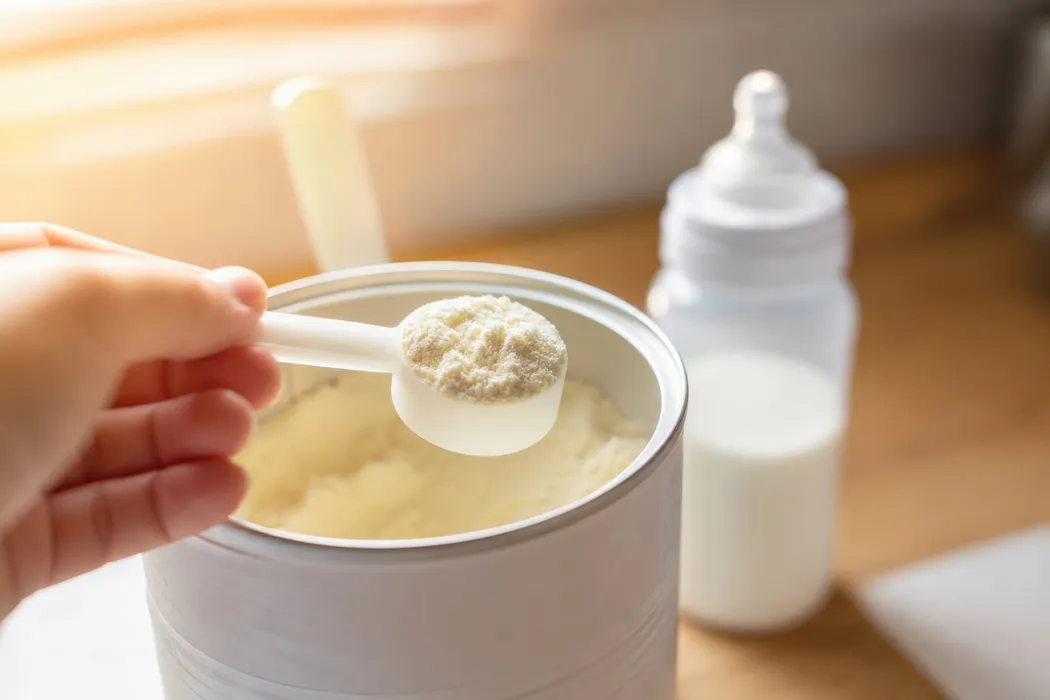
Safe preparation matters as much as product choice. Poorly prepared or stored infant cereal can become contaminated with bacteria, so hygiene at every step is essential.

Basic preparation steps include:

  1. Wash your hands thoroughly with soap and water before preparing the feed.
  2. Clean the bowl and feeding spoon properly before use.
  3. Use safe drinking water and follow the preparation instructions provided on the product label. If the instructions require boiled water, boil fresh water and allow it to cool to the temperature specified by the manufacturer before mixing.
  4. Measure the recommended amount of cereal powder and liquid according to the product instructions. Do not rely on a generic powder-to-water ratio because preparation instructions vary between products.
  5. Stir thoroughly until the cereal reaches a smooth, age-appropriate consistency. A thinner texture may be easier for babies who are just beginning complementary foods, while gradually thicker textures can be introduced as feeding skills develop.

Some infant cereals can be prepared with expressed breast milk or infant formula instead of water, depending on the manufacturer's instructions. Do not use cow's milk as the primary drink for babies under 12 months.

Always check the temperature before feeding. The cereal should be comfortably warm rather than hot.

Infant cereal is a complementary food. It does not replace breast milk or infant formula, which remain important sources of nutrition during the first year. Complementary foods should be introduced alongside continued breastfeeding or appropriate milk feeding.
Contraindications and Precautions

Infant cereal is not appropriate in exactly the same form for every baby. Parents should consider the ingredients, the baby's developmental readiness and any known allergies or medical conditions before introducing a particular product.

Who should exercise caution or seek medical advice:

  • Babies under six months: Complementary foods generally should not be introduced before six months unless a paediatrician recommends otherwise for a specific clinical reason.
  • Babies with known food allergies: Check the ingredient and allergen information carefully. Cereals containing wheat contain gluten and may not be appropriate for babies with a diagnosed wheat allergy or certain gluten-related disorders.
  • Premature infants: Babies born prematurely may require an individualised feeding plan. The appropriate timing for starting complementary foods should be discussed with the treating paediatrician.
  • Babies showing signs of an allergic reaction: Symptoms such as hives, repeated vomiting, swelling or difficulty breathing require prompt medical attention. Stop feeding the suspected food and seek appropriate medical care.

When introducing a new food for the first time, offer a small amount and introduce new foods one at a time where practical. This can make it easier to identify a potential reaction. However, there is no need to unnecessarily delay the introduction of other foods once the baby is tolerating the first food, and parents should follow their paediatrician's advice, particularly for babies at increased risk of food allergy.

Report significant or unexpected adverse reactions to your healthcare provider. For concerns about a packaged food product in India, consumers can also contact the Food Safety and Standards Authority of India (FSSAI) through its available consumer grievance channels.

Conclusion

Infant cereal powder can be a convenient complementary food when introduced at around six months, provided your baby is developmentally ready and the product is appropriate for their age. Choosing a cereal with a suitable nutritional profile, checking the ingredient and allergen information, and following the manufacturer's preparation instructions can help make feeding safer and more appropriate.

However, infant cereal should not replace breast milk or infant formula during the first year. As your baby becomes comfortable with complementary foods, offer a varied diet with different grains, vegetables, fruits and protein-rich foods to support balanced nutrition and healthy feeding development. If your baby was born prematurely, has a food allergy or has another medical condition, seek personalised advice from a paediatrician before introducing new foods.

FAQS

Is infant cereal good for babies?

Infant cereal can be a convenient complementary food from around six months, particularly when it is appropriately fortified with nutrients such as iron. However, it should form part of a varied diet rather than being the baby's only complementary food. As complementary feeding progresses, babies should be offered a range of foods with different flavours, textures and nutrients, including vegetables, fruits, pulses, grains, eggs, meat or other suitable protein sources.

What is the difference between Stage 1 and Stage 2 baby cereal?

Stage 1 and Stage 2 descriptions vary between manufacturers, so parents should follow the age and preparation guidance on the specific product. In general, products marketed for younger babies may have a finer, smoother texture, while products intended for older babies may introduce thicker or more varied textures and additional ingredients. The transition should also reflect the baby's individual feeding skills rather than relying solely on the stage printed on the package.

Can infant cereal be given at night?

There is generally no requirement to restrict infant cereal to a particular time of day. It can be offered in the evening if it fits into the baby's feeding routine and the product is appropriate for their age and developmental stage. However, cereal should not be used as a substitute for a breast milk or infant formula feed when the baby still requires milk feeds. Always feed the baby while they are awake and appropriately positioned, and supervise them throughout the feed.

How long can prepared infant cereal be stored?

Prepared infant cereal should generally be made fresh for each feed and not stored for later use. Once a baby has started eating from a bowl, saliva can introduce bacteria into the food. Discard any leftover portion after the feed rather than refrigerating and reusing it. Follow the product label for any specific preparation and storage instructions.

Is infant cereal suitable for lactose-intolerant babies?

Many infant cereals are grain-based and may not contain lactose as a primary ingredient, but formulations differ. Some products may contain milk ingredients or be manufactured in facilities that also handle dairy. If your baby has diagnosed lactose intolerance, cow's milk protein allergy or another dietary restriction, check the ingredient and allergen information carefully and consult your paediatrician before choosing a product.

Apollo 247 Floating Action Button