logo
0

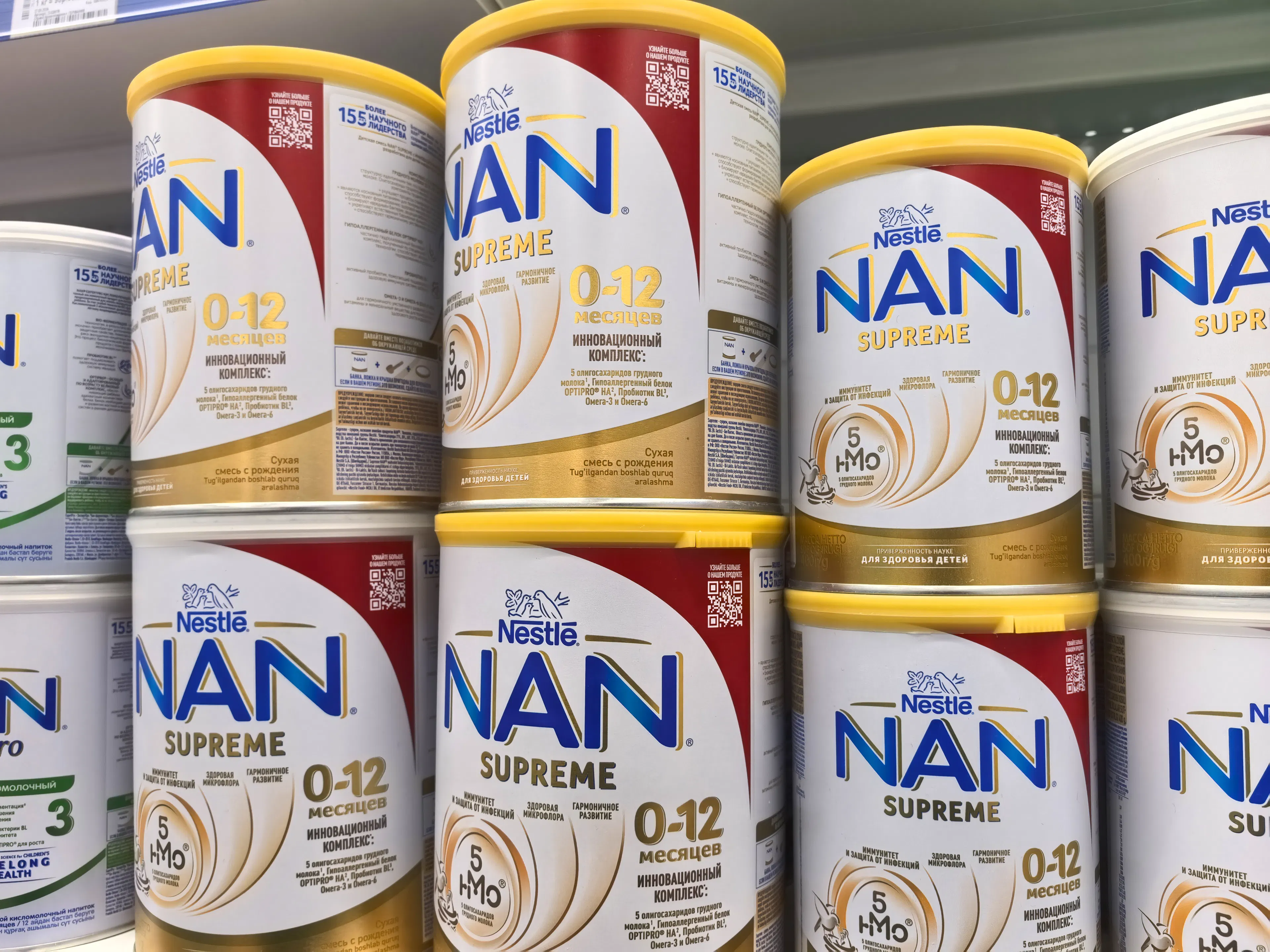
Nestlé and Top Infant Formula Brands in India Compared

Compare Nestlé infant formulas with leading brands in India, including stages, nutritional features, formula types, availability, and safety considerations.

article image

Dr.Mayank

Choosing an infant formula is one of the most anxious decisions a new parent faces. When breastfeeding is not possible, insufficient, or being supplemented, knowing what goes into each can matters. Nestlé is among the most recognised names on Indian pharmacy shelves, alongside brands like Abbott, Danone, and Mead Johnson. This guide compares leading infant formula brands in India on nutrition, stage, and safety so you can walk into your paediatrician's appointment better prepared.

How Infant Formula Is Regulated and Chosen in India

Infant formula sold in India falls under the Infant Milk Substitutes, Feeding Bottles and Infant Foods (Regulation of Production, Supply and Distribution) Act, 1992 (IMS Act), and must also meet FSSAI standards for composition, labelling, and safety. Manufacturers cannot advertise formula for infants under two years, and promotional claims are tightly restricted.

Every formula on a licensed pharmacy shelf has cleared a baseline safety and nutritional standard. That does not mean all formulas are interchangeable. Babies have individual needs shaped by gestational age, birth weight, allergies, and metabolic conditions.

Always consult a paediatrician before choosing or changing formula. A doctor will factor in your baby's birth weight, any family history of cow's milk protein allergy, and your feeding goals before recommending a product. Self-selecting a formula based on marketing or a neighbour's experience is not a safe approach.

Top Infant Formula Brands in India: Nutritional Profile Comparison

Several infant formula brands in India are widely stocked at pharmacies and online. The table below compares their general nutritional positioning. Exact values vary by batch and stage, so always read the pack label carefully.
 

Product (Brand)Stage    Protein SourceDHA    Iron    Notable Feature
Infant formula (Nestlé Lactogen 1)Stage 1 (0-6 m)Skimmed cow's milkYes    Yes    Widely available; comfort protein processing claimed
Infant formula (Nestlé NAN PRO 1)Stage 1 (0-6 m)Partially hydrolysed wheyYes    Yes    Whey:casein ratio closer to breast milk
Infant formula (Abbott Similac IQ+)Stage 1 (0-6 m)Cow's milkYes    Yes    Human milk oligosaccharides (HMO) added
Infant formula (Mead Johnson Enfamil A+)Stage 1 (0-6 m)Cow's milkYes (MFGM)Yes    Milk Fat Globule Membrane blend
Infant formula (Danone Aptamil 1)Stage 1 (0-6 m)Cow's milk wheyYes    Yes    Prebiotics (GOS/FOS) included
Infant formula (Nestlé Gerber Good Start)Stage 1 (0-6 m)100% whey, partially hydrolysed    Yes    Yes    Positioned as easy to digest

Nestlé Lactogen vs Similac: A Closer Look

When parents search "Nestlé Lactogen vs Similac," they are usually comparing two of the most commonly prescribed Stage 1 options in India. Nestlé Lactogen 1 uses skimmed cow's milk protein and is widely available even in smaller towns, making it a practical first choice when a doctor recommends standard formula. Abbott Similac IQ+ adds HMOs (human milk oligosaccharides), which are naturally found in breast milk and may support gut and immune development, though research in formula-fed infants is still growing.

Neither product is universally superior. Tolerance, stool pattern, and weight gain on either formula vary between babies. Your paediatrician's recommendation, combined with how your baby responds in the first two weeks, is the most reliable guide.

Key nutrients to look for in any formula:

  • DHA and ARA, fatty acids that support brain and eye development
  • Iron, critical for cognitive development, especially from 6 months onward
  • Calcium and phosphorus in an appropriate ratio
  • Vitamin D
  • Prebiotics or probiotics, where evidence for gut health is still building but generally considered safe

Stage-Wise Formula: Choosing by Baby's Age

Infant formula is typically divided into three stages, though age boundaries can differ slightly by brand.

  • Stage 1 (0 to 6 months): Stage 1 formula is designed to provide complete nutrition for newborns who are not yet eating solid foods. Its protein and energy content is formulated for this early stage.
  • Stage 2 (6 to 12 months): Also known as follow-on formula, Stage 2 generally contains higher iron levels to support nutritional needs as complementary foods are introduced. Babies who are growing well on Stage 1 do not necessarily need to switch immediately at six months; discuss the timing with your paediatrician.
  • Stage 3 (12 months and above): Often marketed as toddler or growing-up milk, Stage 3 is intended for children over 12 months. Whether it is necessary depends on the child's overall diet and nutritional needs, so discuss its use with your paediatrician rather than treating it as a medical requirement.

The core difference between Stage 1 and Stage 2 is iron content, protein quantity, and caloric density. Age is one factor; your baby's growth curve and feeding pattern matter equally.

Contraindications and When Formula Should Not Be Used

Standard cow's milk-based infant formula is not appropriate for every baby. Situations requiring specialist clearance or a specialised product include:

  • Galactosemia: babies with this rare metabolic disorder cannot metabolise galactose present in standard formula; a specialised galactose-free formula is needed from day one.
  • Cow's milk protein allergy (CMPA): affects a small percentage of infants and causes allergic reactions to regular formula; extensively hydrolysed or amino-acid-based formula is required.
  • Secondary lactose intolerance: can develop after gut infections; a lactose-free formula may be needed temporarily.
  • Preterm or low-birth-weight infants: standard formula may not meet their caloric and mineral needs; a preterm or post-discharge formula prescribed by a neonatologist is appropriate.
  • Phenylketonuria (PKU): phenylalanine must be strictly controlled; only specialised metabolic formula should be used.

Report adverse events such as persistent vomiting, blood in stool, significant rash, or poor weight gain to your healthcare provider or the relevant regulatory authority promptly.

Safe Preparation, Storage and Feeding Practices

Improper preparation is one of the most common and preventable causes of formula-related illness in infants.

  • Always use boiled water that has cooled to approximately 70 degrees Celsius to prepare formula; this temperature reduces the risk from bacteria sometimes present in powdered formula.
  • Follow the scoop-to-water ratio printed on the tin exactly. More powder does not mean better nutrition; it stresses a newborn's kidneys.
  • Prepare each feed fresh where possible. If you must prepare in advance, refrigerate within one hour and use within 24 hours.
  • Discard any formula left in the bottle after a feed, ideally within one hour, since bacteria from the baby's mouth multiply rapidly in warm milk.
  • Sterilise bottles and teats before each use until your baby is at least 12 months old.

Good formula feeding habits go hand-in-hand with broader newborn care essentials alongside feeding, including hygiene routines that protect your baby's overall health in the early weeks.

Baby formula milk price in India varies considerably. A standard 400 g tin of Stage 1 formula from a major brand typically lasts a young infant around a week, which affects the monthly household budget significantly.

Conclusion

Choosing an infant formula involves more than comparing brands or marketing claims. Stage, nutritional composition, availability, and your baby's individual needs all matter. Standard formulas may be suitable for many healthy infants, while babies with conditions such as cow's milk protein allergy, galactosaemia, or temporary lactose intolerance may require specialised products under paediatric guidance. Rather than switching formulas based solely on brand comparisons, discuss your options with your paediatrician and monitor your baby's feeding, tolerance, growth, and overall wellbeing. Always follow the product label for preparation and storage instructions to ensure safe feeding.

FAQS

Is Nestlé formula good for newborns?

Nestlé's Stage 1 formulas, including Lactogen 1 and NAN PRO 1, are among the most commonly recommended options for newborns in India when breastfeeding is not possible or insufficient. Suitability depends on your baby's individual needs, so always confirm the choice with your paediatrician before starting.

What is the difference between formula milk brands in India?

The main differences lie in protein source and processing, added ingredients (such as HMOs, MFGM, or prebiotics), and price. All regulated brands meet a baseline FSSAI standard, but how your baby tolerates a specific formula varies.

Can I switch infant formula brands?

Switching brands is possible but should always be done with paediatric guidance. Sudden changes can cause temporary digestive upset, and the reason for switching, such as intolerance, poor weight gain, or availability, should be discussed with your doctor first.

Is breast milk better than formula?

Breast milk is the recommended first choice for infant nutrition by paediatric bodies worldwide, as it provides antibodies and bioactive components that no formula currently replicates fully. When breastfeeding is not possible or insufficient, infant formula is a safe and nutritionally adequate alternative under medical supervision.

Apollo 247 Floating Action Button