logo
0

Infant Formula Milk: How to Compare Brands & Choose

Learn how to compare infant formula milk by age, ingredients, nutrients, health needs, preparation, storage, and safety considerations for babies.

article image

Dr.Mayank

Choosing the right infant formula milk can feel overwhelming, especially when pharmacy shelves are lined with dozens of tins, each promising to be the closest thing to breast milk. For parents who cannot breastfeed exclusively, or who need to supplement, understanding what goes into these products and how to compare them sensibly is genuinely important for your baby's growth and health.

What Is Infant Formula Milk and When Is It Needed

Infant formula milk is a manufactured food designed to replicate the nutritional profile of breast milk closely enough to support a baby's development when breast milk is unavailable, insufficient, or medically contraindicated. It is typically made from cow's milk that has been significantly modified, or from plant-based alternatives like soy protein.

The World Health Organisation recommends exclusive breastfeeding for the first six months of life. Breast milk is not just food; it carries antibodies, growth factors, and bioactive compounds that no formula fully replicates. That said, formula feeding is a safe, well-studied option when breastfeeding is not possible, whether due to low supply, maternal medication, infant conditions like galactosaemia, or personal circumstances.

Formula milk is made from:

  • Processed cow's milk proteins (whey or casein, or a blend)
  • Vegetable oils as a fat source
  • Lactose or other carbohydrates
  • Added vitamins and minerals to meet regulatory standards
  • Sometimes added ingredients like DHA, ARA, probiotics, or prebiotics

Is it as good as breast milk? For pure nutrition, it comes close. But breast milk's immunological properties cannot be replicated.

Types of Infant Formula: Cow's Milk, Soy, Hydrolysed, Specialised

Knowing the different types of infant formula milk helps you understand which might suit your baby's situation before you speak to your paediatrician.

Standard Cow's Milk-Based Formula

This is the most common type. Cow's milk protein is modified to make it easier for infants to digest. Most healthy, full-term babies do well on this type.

Soy-Based Formula

Made from soy protein rather than animal milk, this option is used when a family chooses a plant-based diet or when a doctor recommends avoiding cow's milk protein. It is not recommended as the first choice for babies with cow's milk protein allergy, because around half of those infants also react to soy protein.

Hydrolysed Formula

In these formulas, the protein chains are broken down (hydrolysed) into smaller pieces, making them less likely to trigger an allergic reaction. There are two subtypes:

  • Partially hydrolysed formulas: Partially hydrolysed formulas, sometimes marketed for "sensitive" stomachs, offer milder protein breakdown and are not suitable for confirmed cow's milk protein allergy.
  • Extensively hydrolysed formulas: Extensively hydrolysed formulas are used under medical guidance for diagnosed cow's milk protein allergy or severe digestive conditions.

Specialised and Medical Formulas

These cover a range of needs: preterm infant formulas with higher calorie and protein density, anti-reflux formulas thickened to reduce regurgitation, lactose-free formulas for temporary lactose intolerance following a gut infection, and amino acid-based (elemental) formulas for the most severe allergies. These should only be used on a paediatrician's or neonatologist's advice.

How to Compare Popular Formula Brands: Key Factors

When parents search for an infant formula milk brands comparison, the results are often lists that crown one product the "best." In reality, no single brand is universally superior, and your baby's individual tolerance matters far more than brand reputation.

Here is how to compare products meaningfully:

Check the Age-Stage Labelling

Formulas are staged by age:

  • Stage 1 (0 to 6 months): suitable from birth
  • Stage 2 (6 to 12 months): follow-on formula, higher iron
  • Stage 3 (12 months+): toddler milk, not classified as infant formula

Always match the stage to your baby's current age.

Protein Source and Whey-to-Casein Ratio

Breast milk is predominantly whey protein. Stage 1 formulas usually reflect this. Casein-dominant formulas are marketed as more satiating but are not nutritionally superior for most infants.

Key Nutrients to Look For

Nutrient    Why It Matters
DHA (omega-3)Supports brain and eye development
Iron    Prevents anaemia, especially in formula-fed infants
Iodine    Thyroid function and brain development
Vitamin DBone health
Prebiotics/Probiotics    May support gut health (evidence is evolving)

Label Reading Tips

  • Check the ingredients list order; the first few items make up most of the product.
  • Look for a clear manufacturing date and expiry.
  • Confirm the product meets FSSAI standards if bought in India.
  • Be cautious of marketing terms like "closer to breast milk" or "clinically proven" without checking what the claim actually refers to.

Choosing the Right Formula by Age and Health Need

The best infant formula for newborns is a Stage 1, standard cow's milk-based formula, unless your paediatrician indicates otherwise. Most healthy term babies tolerate it well.

0 to 6 Months

Stage 1 formulas are the only ones appropriate here. There is no medical benefit to moving to Stage 2 early. If your newborn seems gassy, colicky, or is bringing up a lot of milk, speak to your paediatrician before switching to a "comfort" formula, as these contain altered lactose levels or partially hydrolysed proteins and may not be necessary.

6 to 12 Months

A Stage 2 or follow-on formula provides higher iron to match the demands of a growing, increasingly active baby who is also starting solids. Formula remains the main milk drink; cow's milk should not replace formula before 12 months.

Preterm Babies

Preterm infants have higher calorie, protein, and mineral requirements. Standard formulas are not adequate. Neonatologists typically prescribe specialised preterm formulas or human milk fortifiers. Do not use a standard formula for a preterm baby without specialist guidance.

Cow's Milk Protein Allergy or Lactose Intolerance

These are distinct conditions. Allergy requires an extensively hydrolysed or amino acid-based formula. Temporary lactose intolerance (usually after a gastrointestinal illness) may respond to a lactose-free formula for a short period. A paediatrician should confirm the diagnosis before you change formula.

For broader newborn care essentials beyond feeding, including hygiene and physical care in the early weeks, Apollo's newborn care guide is a useful starting point.

Contraindications and When Not to Use Certain Formulas

Some infants must not receive standard infant formula milk:

  • Galactosaemia: Babies with this rare metabolic disorder cannot metabolise galactose, which is present in lactose. They require a specialised, galactose-free formula under medical supervision.
  • Phenylketonuria (PKU) and other amino acid disorders: These require highly specific medical formulas with altered protein content.
  • Confirmed cow's milk protein allergy: Standard formula can trigger serious reactions. An extensively hydrolysed or amino acid-based formula is needed.
  • Contraindications and When Not to Use Certain FormulasStandard formula does not meet their nutritional demands.

If your baby has a diagnosed metabolic or allergic condition, a general-purpose formula is not safe without specialist clearance.

Safe Preparation, Storage and Feeding Practices

Knowing how to choose baby formula is only part of the picture. How you prepare and store it is equally critical. Incorrectly prepared formula is a significant source of infant illness.

Preparation Steps

  1. Wash hands thoroughly with soap and water.
  2. Sterilise all feeding equipment: bottles, teats, and caps. Boil or use a steam steriliser.
  3. Boil fresh tap water and allow it to cool to around 70 degrees Celsius before adding powder. This temperature is hot enough to kill harmful bacteria like Cronobacter, which can be present in powdered formula.
  4. Add the exact amount of powder using the scoop provided. Do not pack the scoop tightly or add extra scoops.
  5. Cool the made-up formula quickly under cold running water before feeding.

Storage Guidelines

  • Made-up formula stored in the refrigerator (below 5 degrees Celsius) can be kept for up to 24 hours.
  • Do not leave made-up formula at room temperature for more than two hours.
  • Discard any formula left in the bottle after a feed; do not save it.
  • Powdered formula, once opened, should be stored in a cool, dry place (not the fridge) and used within the period stated on the tin, typically four weeks.
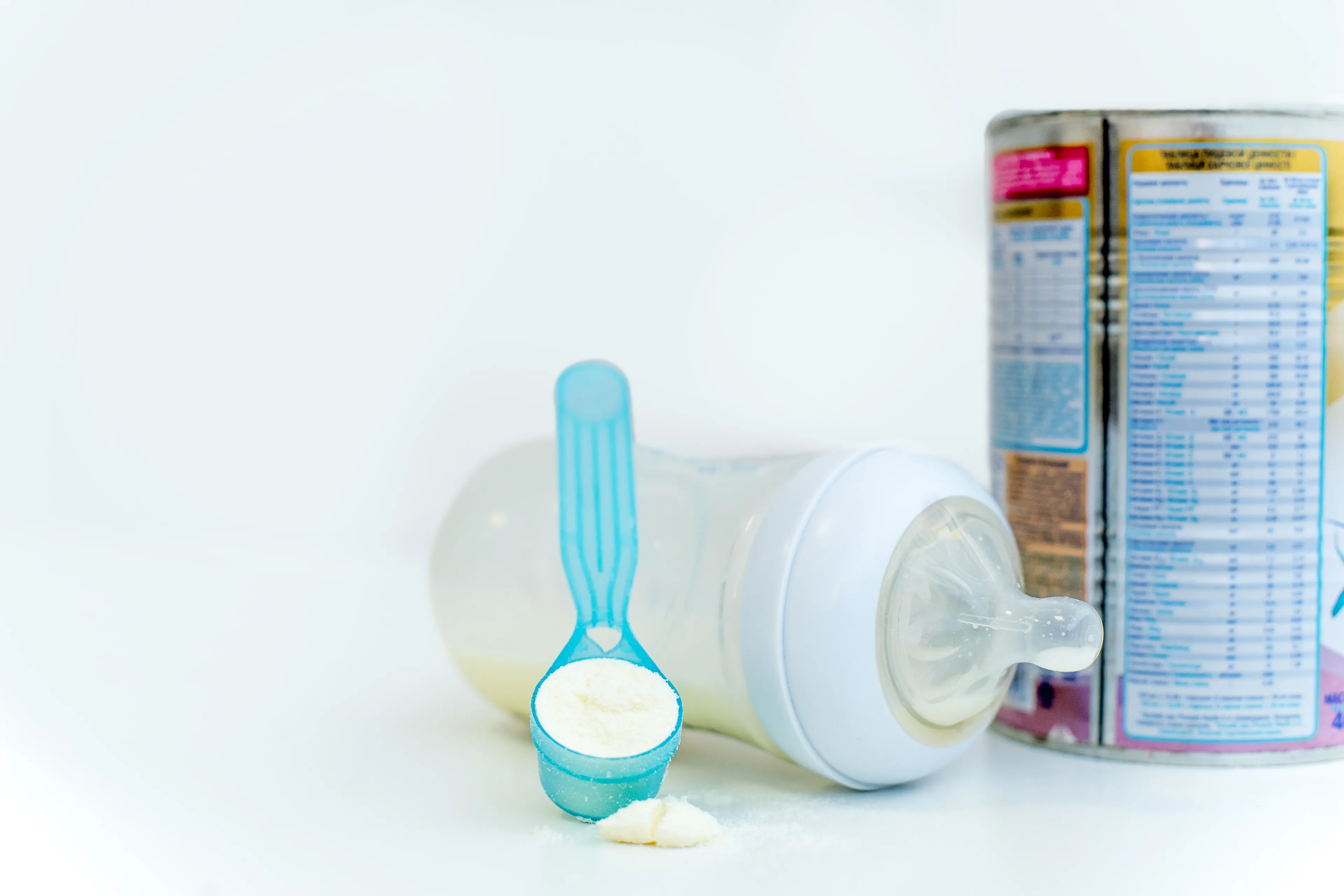
Using pre-boiled, cooled water from a bottle or packaged water is acceptable if tap water quality is uncertain, but confirm with your paediatrician what is safest in your area.

Conclusion

Choosing infant formula should be based on your baby's age, nutritional needs, health conditions, and tolerance rather than brand reputation alone. Standard Stage 1 cow's-milk-based formula is suitable for most healthy full-term infants, while specialised formulas may be needed for allergies, prematurity, metabolic conditions, or specific digestive problems. Check the age stage, ingredients, key nutrients, expiry date, and regulatory information before buying. Safe preparation and storage are equally important to reduce the risk of contamination. If your baby has persistent vomiting, blood in the stool, poor weight gain, or other concerning symptoms, consult a paediatrician before changing formula.

FAQS

How do I know if a formula suits my baby?

A well-tolerated formula produces steady weight gain, comfortable feeding with no excessive crying or arching, soft stools, and settled periods between feeds. If your baby is persistently unsettled, vomiting frequently, or has blood in the stool, consult your paediatrician promptly rather than switching brands on your own.

Can I switch formula brands frequently?

Switching occasionally is generally safe if the stage and base ingredient are the same, but frequent changes can make it harder to identify the cause if your baby develops intolerance symptoms. Try a new formula for at least one to two weeks before deciding whether it suits your baby.

Is it safe to mix breast milk and formula feeding?

Yes, combination feeding is safe and common. You can offer breast milk and formula in separate feeds, or in some cases in the same bottle, though mixing in the bottle means any leftover formula rules out saving the breast milk. Discuss the best approach with your lactation consultant or paediatrician.

What are signs of formula intolerance in babies?

Watch for persistent vomiting, diarrhoea, blood or mucus in the stool, severe skin rashes, hives, or swelling after feeds, and poor weight gain. These are potential formula milk for infants side effects that need medical review. Mild gas or fussiness alone is usually not a sign of intolerance.

How much formula should a newborn drink per day?

Newborn needs vary by weight and age. A rough general guide is around 150 to 200 ml per kilogram of body weight per day across multiple feeds, but your paediatrician will give you specific targets based on your baby's growth. Never dilute formula to stretch the quantity, as this can cause dangerous nutritional imbalances.

Apollo 247 Floating Action Button