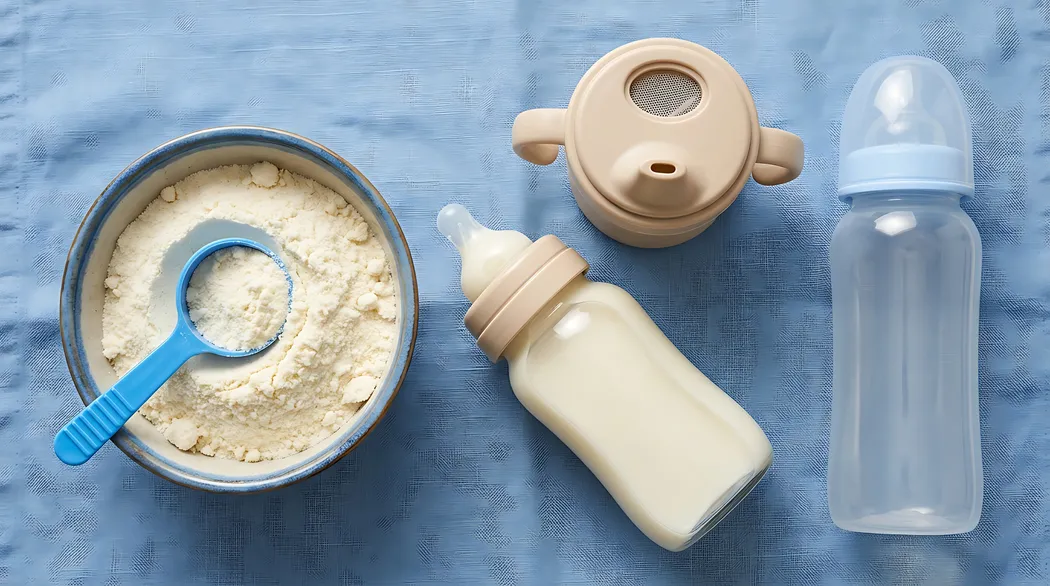
Infant Formula Milk: Stage-Wise Comparison of Top Brands
Compare infant formula milk by stage, including popular brands, age suitability, nutritional features, preparation, safety considerations, and how to choose the right option.
Dr. Mayank
Choosing the right nutrition for your baby is one of the most critical decisions you will make during their first year. While breast milk remains the gold standard, infant formula milk serves as a vital, medically evaluated alternative or supplement when breastfeeding is not possible, sufficient, or medically advised. Navigating pharmacy shelves filled with various stages, specialised formulations, and competing brands can quickly feel overwhelming for any parent.
This guide provides an objective breakdown of the leading baby formulas available in India, detailing how formulations change across growth stages to help you choose the best option alongside your paediatrician.
What Is Infant Formula Milk and When Is It Needed?
Infant formula milk is a manufactured food crafted to meet the complete or supplemental nutritional requirements of babies under 12 months of age. Standard formulas use modified cow milk as a base. Manufacturers adjust the protein balance, replace dairy fats with plant oils, and add exact levels of vitamins, minerals, and fatty acids to resemble human breast milk.
Health organizations, including the World Health Organization (WHO), recommend exclusive breastfeeding for the first six months of life, followed by continued breastfeeding alongside complementary foods up to two years of age or beyond. Breast milk provides natural antibodies, live cells, and digestive enzymes that manufactured products cannot replicate.
Even with the benefits of breastfeeding, baby formula is necessary in several clear medical and practical situations:
Insufficient maternal milk supply that does not improve after lactation support
Maternal health conditions or prescription treatments where breastfeeding is unsafe, such as active chemotherapy or certain viral infections
Infant metabolic conditions, such as classic galactosemia
Inadequate weight gain or failure to thrive despite frequent feeding
Situations involving adoption, surrogacy, or maternal absence
Practical feeding management for working parents who cannot express enough breast milk during separation
Using formula should never be viewed as a personal shortcoming. Modern formulations deliver all the essential macro- and micronutrients required for steady physical growth, brain development, and metabolic health.
Types of Infant Formula by Stage
A baby's nutritional needs and digestive maturity change quickly between birth and toddlerhood. Formula is divided into numbered stages to match these developmental milestones. Using the wrong stage can place excess strain on a newborn's kidneys or leave an older baby short on essential minerals.
Stage 1: Birth to 6 Months
Stage 1 infant formula serves as the sole source of nutrition for non-breastfed infants during their first six months. It features a whey-dominant protein ratio, typically 60% whey to 40% casein, mirroring early breast milk. Whey forms a soft, easily digestible curd in the infant stomach, reducing issues like gas, severe spitting up, and delayed gastric emptying. Stage 1 also keeps the renal solute load low to protect immature kidneys.
Stage 2 formulas are designed for older infants who are beginning to eat solid foods. The protein balance shifts toward casein, often reaching a 40:60 whey-to-casein ratio. Casein digests more slowly, helping active older babies stay full longer. Stage 2 products also contain higher concentrations of iron. Because a baby's natural prenatal iron stores deplete around six months of age, this increased iron content helps prevent nutritional deficiency. Calcium and phosphorus levels are also raised to support growing bones and teeth.
Stage 3: 12 to 24 Months (Toddler / Growing-Up Milk)
Stage 3 products are formulated for toddlers transitioning to the family diet. They contain added calcium, vitamin D, zinc, and prebiotics to help fill potential gaps during picky eating phases. Stage 3 is not strictly necessary if a child eats a balanced, nutrient-dense diet alongside pasteurised whole cow milk after their first birthday, but it remains a convenient option for many households.
Some babies cannot tolerate standard cow milk formulas due to digestive sensitivities or diagnosed medical conditions. A paediatrician may recommend specialised varieties:
Partially hydrolysed formulas, where proteins are broken down into smaller pieces to ease mild fussiness or gas
Extensively hydrolysed or amino acid-based formulas for babies with diagnosed Cow Milk Protein Allergy (CMPA)
Lactose-free formulas for temporary recovery following acute gastroenteritis or for primary lactose intolerance
Soy protein formulas for babies with galactosemia or for families seeking non-dairy alternatives under medical supervision
Anti-reflux formulas thickened with food starches to manage severe gastroesophageal reflux
Stage
Age Range
Protein Structure
Key Nutrient Focus
Primary Purpose
Stage 1
0 to 6 months
Whey-dominant (60:40)
Low mineral load, lactose, balanced DHA/ARA
Sole source of complete nutrition
Stage 2
6 to 12 months
Casein-dominant (40:60)
High iron, calcium, and phosphorus
Complements solid food introduction
Stage 3
12 to 24 months
Cow milk base
Added micronutrients, zinc, and vitamin D
Dietary supplement for toddlers
Specialty
Birth onwards
Hydrolysed protein or soy isolate
Tailored carbohydrates and proteins
Manages specific medical issues and allergies
Similac vs Aptamil vs NAN vs Enfamil: Side-by-Side Comparison
When selecting the best infant formula for newborns, parents in India frequently compare four major brands: Similac (Abbott), Aptamil (Danone), NAN (Nestlé), and Enfamil (Mead Johnson). While all four meet national and international nutritional regulations, their specific ingredient blends and functional additions differ.
1. Similac (Abbott)
Generic base: Demineralised whey and skimmed milk powder with vegetable oil blend.
Similac is known for its palm olein-free vegetable oil blend. Abbott excludes palm olein based on research indicating that palm oil can bind with calcium in the gut, forming insoluble calcium soaps that may cause firmer stools. The line includes Similac Advance, which provides added neuro-nutrients like DHA, lutein, and natural vitamin E, as well as Similac Total Comfort, a partially hydrolysed whey option designed for sensitive tummies.
2. Aptamil (Danone)
Generic base: Whey protein concentrate, skimmed milk powder, and galacto-oligosaccharide/fructo-oligosaccharide blend.
Aptamil focuses heavily on digestive health and gut immunity. Its signature feature is a prebiotic blend consisting of short-chain galacto-oligosaccharides (scGOS) and long-chain fructo-oligosaccharides (lcFOS) in a 9:1 ratio. This combination encourages the growth of beneficial gut bacteria, softening stool consistency. Aptamil also contains docosahexaenoic acid (DHA) and arachidonic acid (ARA) to support neurological development.
3. NAN Pro / Nestlé NAN (Nestlé)
Generic base: Demineralised whey, skimmed milk, and palm/soy/sunflower oil blend.
NAN Pro emphasises protein quality through its proprietary processing method, which Nestlé terms OPTIPRO. This process optimises the protein balance to reduce metabolic overload on infant kidneys. NAN Pro Stage 1 also includes Bifidobacterium lactis, a probiotic culture intended to support gut flora balance, alongside standard levels of DHA, ARA, and iron.
4. Enfamil A+ (Mead Johnson)
Generic base: Whey protein concentrate, nonfat milk powder, and vegetable oil blend.
Enfamil A+ is marketed primarily around cognitive and visual development. It contains higher baseline concentrations of DHA and ARA compared to many standard formulas, matching levels shown in developmental research studies. It also incorporates polydextrose and galacto-oligosaccharide (GOS) prebiotics to support regular bowel movements.
Direct Comparison Overview
Feature
Similac Advance
Aptamil 1
NAN Pro 1
Enfamil A+ 1
Fat Blend Feature
Palm olein-free oil mix
Standard vegetable oils with prebiotics
Standard vegetable oils with optimised lipids
Standard vegetable oils with DHA/ARA focus
Gut Health Addition
Nucleotides
scGOS/lcFOS (9:1) prebiotics
B. lactis probiotic culture
GOS and polydextrose blend
DHA/ARA Ratio
Standard balanced
Standard balanced
Standard balanced
Higher concentration focus
Digestive Focus
Soft stools via fat blend
Microbiome support via prebiotics
Gentle processing via OPTIPRO
Brain development and gut motility
Availability in India
Very high across pharmacies
High across major pharmacies
Very high across retail stores
High across pharmacies and online
When evaluating Similac vs Enfamil vs Aptamil, there is no single superior brand for every baby. One infant may thrive on the prebiotic profile of Aptamil, while another may pass softer stools on the palm olein-free fat blend of Similac. A comprehensive NAN formula milk review often highlights its balance of probiotic cultures and affordability as a reliable baseline choice.
How to Choose the Right Formula for Your Baby?
Choosing how to choose baby formula requires looking at your baby's individual tolerance, family budget, and medical history. Review this infant formula ingredients guide checklist before making a final purchase:
Match the exact stage to your baby's completed age. Never give Stage 2 or Stage 3 formula to a baby younger than six months.
Review the carbohydrate source. Standard formulas rely on lactose, which supports healthy gut flora. Avoid formulas with added sucrose or corn syrup solids unless specifically directed by your doctor.
Evaluate the fat source. Look for balanced vegetable oil mixtures. If your baby experiences hard, infrequent stools, you may want to discuss palm olein-free options with your paediatrician.
Confirm long-term availability and cost. Choose a formula you can afford comfortably for at least 12 months, and check that local pharmacies stock it consistently.
Do not switch formula brands impulsively if your baby has a fussy day, mild gas, or a change in stool color. Normal infant digestion involves occasional spitting up and irregular bowel movements as the intestinal tract matures. If you suspect an intolerance, consult your paediatrician first. If a change is recommended, transition gradually over three to five days by mixing the old and new formulas in shifting proportions to avoid upsetting your baby's stomach.
Safety, Contraindications and Precautions
Infant formula is a non-sterile powder. Preparing and storing it incorrectly can expose an infant to harmful bacteria, including Cronobacter sakazakii and Salmonella enterica.
Safe Preparation and Handling Rules
Wash your hands thoroughly with soap and running water before handling feeding equipment.
Sterilise all bottles, teats, collars, and mixing utensils using a steam steriliser or by boiling them in clean water for at least five minutes.
Boil fresh drinking water and let it cool down to roughly 70 degrees Celsius before adding the powder. This temperature is hot enough to kill potential pathogens in the powder without degrading key vitamins.
Measure water into the bottle first, then add the exact number of level scoops indicated on the tin using the provided scoop. Do not pack the powder down or alter the dilution.
Cool the prepared bottle quickly under cold running water until it reaches body temperature. Always test a drop on the inside of your wrist before feeding.
Discard any formula left in the bottle within one hour after a feed begins. Bacteria from your baby's saliva multiply rapidly once the teat touches their mouth.
Contraindications and Cautions
Standard cow milk-based formulas are unsafe for infants with specific medical diagnoses:
Galactosemia: Infants with this rare metabolic disorder cannot metabolise galactose. They must never consume standard cow milk formulas and require strict soy-based or specialised elemental formulas.
Cow Milk Protein Allergy (CMPA): Standard, partially hydrolysed, or comfort formulas are contraindicated for babies with a true cow milk allergy. These infants require extensively hydrolysed formulas or amino acid-based formulas prescribed by a specialist.
Prematurity or Low Birth Weight: Preterm infants have unique mineral, protein, and caloric requirements. They should only receive specialised preterm post-discharge formulas under close medical supervision.
Never dilute formula with extra water to make the tin last longer, and never add extra powder to make a feed richer. Over-dilution causes severe water intoxication, electrolyte imbalances, and malnutrition. Under-dilution places heavy stress on the kidneys and digestive tract, leading to dehydration and constipation.
Conclusion
Infant formula milk is available in different stages and formulations to meet the changing nutritional needs of babies as they grow. Comparing popular brands based on age suitability, ingredients, nutritional composition, preparation requirements, and specific feeding needs can help parents make informed choices. However, no single formula is best for every baby, and specialised formulas may be needed for certain medical or nutritional concerns. Parents should follow the manufacturer's preparation instructions and consult a paediatrician before selecting or changing infant formula.
FAQS
Which formula milk is closest to breast milk?
No formula completely replicates breast milk because formula cannot provide maternal antibodies, living immune cells, or bio-identical enzymes. However, Stage 1 formulas with a 60:40 whey-to-casein ratio, balanced DHA/ARA, and prebiotics approximate the macronutrient profile of mature human milk.
How much formula should a newborn drink?
Newborns usually begin with 30 to 60 ml per feeding every two to three hours during their first week. By one month, most infants drink approximately 90 to 120 ml per feed, totaling 600 to 750 ml over 24 hours based on hunger cues.
Can formula milk cause constipation in babies?
Yes, formula-fed infants often have firmer, less frequent stools than breastfed babies because formula digests more slowly. Constipation can also arise from improper powder-to-water dilution, a reaction to specific fat sources, or introducing solid foods too rapidly.
Is it safe to switch between formula brands?
Switching brands is generally safe if they are from the same age stage, but frequent changes can cause temporary gas and stomach discomfort. Always discuss a brand transition with your paediatrician and make the shift gradually over several days.
How long can prepared formula milk be stored?
Prepared formula can be kept in a sealed bottle in the refrigerator at 2 to 4 degrees Celsius for up to 24 hours. At room temperature, freshly mixed formula must be used within two hours, or within one hour once feeding has started.