logo
0

When to Introduce Nuts to Babies Safely?

Learn when to introduce nuts to babies, which nuts are suitable, how to prepare them safely, and how to identify nut allergy symptoms in babies.

article image

Dr. J.T.Hema Prathima

Starting your baby on solid foods is an exciting milestone. You get to watch your little one experience new textures, colours and flavours for the first time. However, when it comes to highly allergenic foods like tree nuts and peanuts, it is entirely natural to feel a bit anxious. You might find yourself searching for answers on exactly when to introduce nuts to your baby and how to do it without putting your child at risk.

For many years, parents were told to delay giving nuts to their infants to prevent allergies. However, clinical research has completely changed this perspective. Today, medical experts agree that early introduction is one of the best ways to protect your child from developing food allergies.

In this comprehensive, evidence-based guide, we will cover everything you need to know about introducing nuts safely, including which nuts are best, how to prepare them and what allergy signs to look out for.

The Modern Guidelines: When Can I Introduce Nuts to My Baby?

Historically, paediatric guidelines suggested waiting until age three to introduce nuts. However, groundbreaking clinical trials, such as the LEAP (Learning Early About Peanut Allergy) study, proved that introducing peanut products early in life can reduce the risk of developing a peanut allergy by up to 81%.

A very common question among new parents is, "When can I introduce nuts to my baby?"

According to major health organisations like the American Academy of Pediatrics (AAP) and the Centers for Disease Control and Prevention (CDC), you can begin introducing common food allergens, including nuts, as soon as your baby is developmentally ready for solid foods. This milestone typically occurs around 6 months of age.

If you are asking, "when can I give nuts to my baby," the general rule of thumb is to introduce them only after your baby has already tolerated a few traditional, low-allergen first foods, such as oat cereal, mashed avocado or puréed sweet potato.

Can I Give Nuts to My 6-Month-Old Baby?

You might wonder, "Can I give nuts to my 6-month-old baby?"

The answer is yes, but with one crucial safety condition: never give your baby whole nuts or thick, sticky spoonfuls of nut butter.

Whole nuts and large chunks of nut butter are severe choking hazards for babies and young children under the age of four. At 6 months old, your baby’s airways are small, and they do not have the molars required to grind down hard foods. Therefore, while you can introduce the nutrients and proteins of nuts to a 6-month-old, you must always serve them in a safe, completely smooth and heavily diluted format.

Choosing the Right Varieties: Which Nuts Are Good for Babies?

Once you decide to start, the next step is determining which nuts are good for babies.

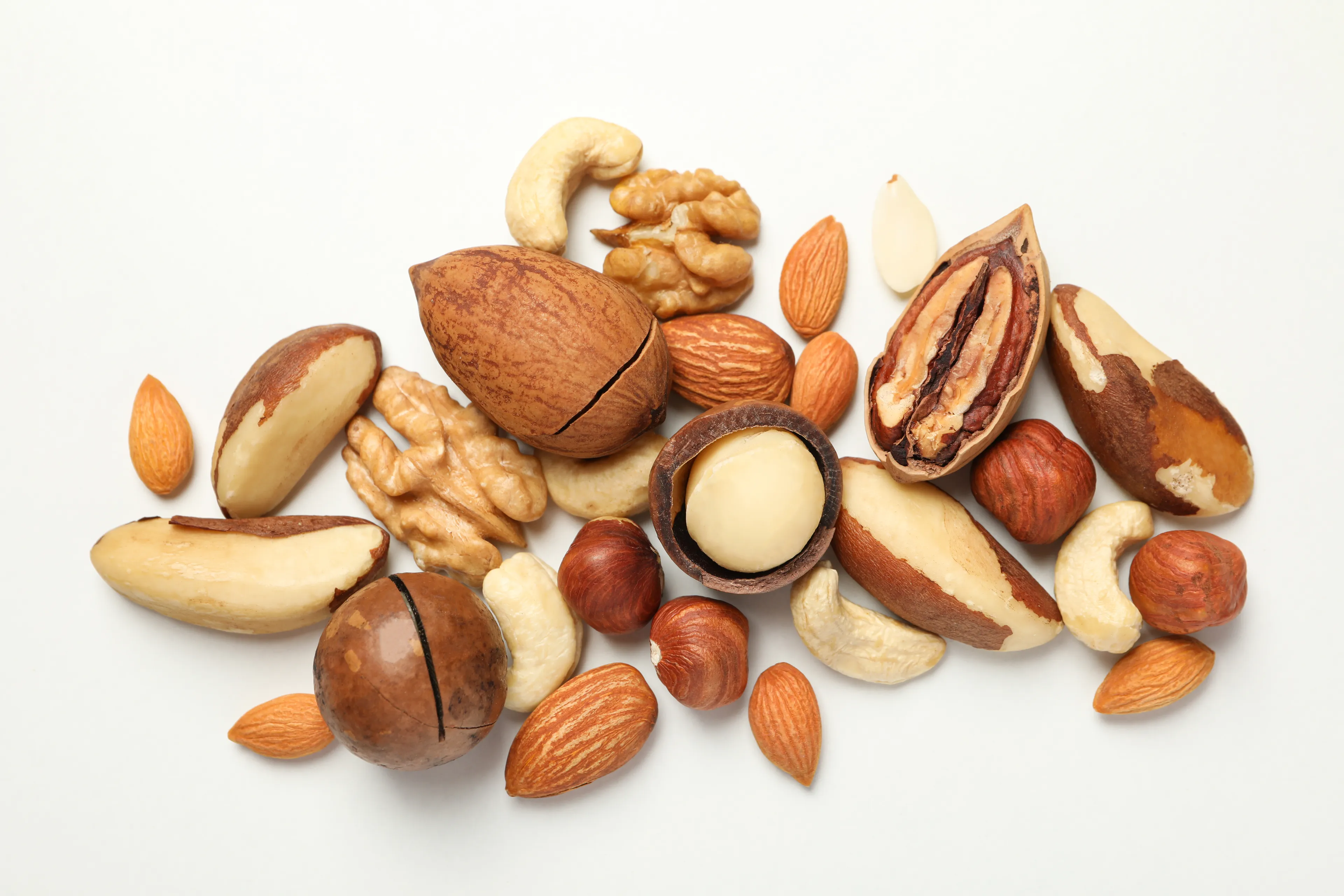
Virtually all nuts are nutritional powerhouses. They are rich in healthy monounsaturated and polyunsaturated fats, which are essential for your baby's rapid brain development. They also provide plant-based protein, iron, zinc, magnesium and dietary fibre.

Here are some of the best options to introduce:

Peanuts (Groundnuts)

While peanuts are botanically classified as legumes rather than true tree nuts, they are one of the most common allergens. You may ask, is groundnut good for babies? Yes, groundnuts (another name for peanuts) are highly nutritious. They contain generous amounts of protein and vitamin E, which support cellular health and immune function.

Walnuts

You might also wonder, are walnuts good for babies? Walnuts are an exceptional addition to an infant's diet. They are uniquely rich in alpha-linolenic acid (ALA), a plant-based omega-3 fatty acid that is vital for cognitive and visual development.

If you are wondering, "Can I give walnuts to my 6-month-old baby?" the answer is yes, provided they are finely ground into a powder or thinned out into a smooth, watery purée.

Almonds and Cashews

Almonds are loaded with calcium and vitamin E, while cashews provide a good source of iron and zinc. Both can be offered to your infant in the form of smooth, diluted nut butters.

How to Safely Prepare Nuts Baby Food

Because whole nuts and thick nut butters are dangerous choking hazards, you must learn how to properly prepare nut baby food. The goal is to create a consistency that is easy for your baby to swallow without any risk of airway obstruction.

Here are the safest methods to prepare nut-based meals for your infant:

1. The Purée Dilution Method

Never give a baby spoonfuls of raw nut butter, as it can easily get stuck in their throat. Instead, dilute it:

  • Take 1–2 teaspoons of smooth peanut, almond or walnut butter.
  • Add 2–3 tablespoons of warm water, breast milk or infant formula.
  • Whisk vigorously until it becomes a completely smooth, runny, warm liquid.
  • You can feed this directly to your baby or mix it into a fruit or vegetable purée they have already safely consumed, such as applesauce or mashed banana.

2. The Nut Powder Method

If you have a high-speed blender or food processor, you can grind raw, unsalted nuts into a very fine, flour-like powder.

Ensure there are absolutely no large granules or chunks left. Stir 1 teaspoon of this fine nut powder directly into warm oatmeal, infant cereal or yoghurt.

3. The Puff Method

For babies practising their pincer grasp, you can purchase organic peanut puffs designed specifically for infants. Ensure these puffs melt quickly in the mouth when mixed with saliva.

Understanding Nut Allergy in Babies

While early introduction is highly recommended, parents must still be vigilant about nut allergy in babies. Food allergies occur when the immune system mistakenly identifies a harmless food protein as a dangerous invader.

Who is at High Risk?

Before you decide when to introduce nuts to a baby, check if your infant falls into a high-risk category. A baby is considered at high risk for food allergies if they have:

  • Severe, persistent eczema that is difficult to control with prescription creams.
  • An existing diagnosed food allergy, such as an allergy to hen's eggs.

If your baby meets either of these criteria, do not introduce nuts at home first. Speak with your paediatrician or a paediatric allergist. They may recommend performing the first introduction in the safety of their medical office or running a skin prick test beforehand.

Signs of an Allergic Reaction in Babies

Allergic reactions usually occur within minutes to two hours after eating the offending food. Keep a close eye on your baby for any of the following symptoms:

Mild to Moderate Symptoms

Severe Symptoms (Anaphylaxis - Seek Emergency Care)
Hives (red, raised itchy bumps)Wheezing, coughing, or persistent difficulty breathing
Redness or mild swelling around the mouthSwelling of the tongue, lips, or throat
Itchy skin or rubbing of the nose/eyesPale or bluish skin colour
Mild vomiting or diarrhoeaSudden lethargy, limpness, or loss of consciousness

How to Introduce Safely at Home?

To safely navigate when we can introduce nuts to babies, follow this step-by-step introduction protocol:

  1. Choose a good time: Introduce the nut for the first time during a morning or early afternoon. This ensures you have several hours to monitor your baby before they go to sleep for the night.
  2. Start healthy: Make sure your baby is healthy and active. Do not introduce a new allergen if they have a cold, fever or teething discomfort, as it can make interpreting reactions difficult.
  3. Isolate the allergen: Do not introduce any other new foods on the same day. Keep all other foods in their meals familiar and tolerated.
  4. Start small: Offer a tiny taste (e.g., the tip of a spoon) of the diluted nut purée. Wait 10 minutes. If there is no reaction, feed them the rest of the serving slowly.
  5. Keep offering it: If your baby does not show any signs of allergy, congratulations! It is crucial to keep this nut in their diet regularly (2 to 3 times a week) to maintain their tolerance.

Conclusion

Nuts can be a nutritious part of a baby’s complementary diet when introduced at an appropriate stage and served in a safe, age-appropriate form. They provide nutrients such as protein, healthy fats, vitamins, and minerals that support growth and development. Since whole nuts and other hard pieces can pose a choking risk, they should not be offered to babies in these forms. Introducing nuts in suitable textures, one at a time when appropriate, and watching for signs of an allergic reaction can help parents introduce them safely. With proper preparation and a varied diet, nuts can be a valuable addition to a baby’s feeding routine.

FAQS

When can I give nuts to my baby?

You can give safely prepared, diluted nut products to your baby as soon as they start eating solid foods, which is typically around 6 months of age. Ensure your baby has already tolerated a few basic, low-allergen foods first, and never give them whole nuts.

Can I give walnuts to my 6-month-old baby?

Yes, you can give walnuts to a 6-month-old baby, but they must not be served whole or in large pieces. Instead, finely grind the walnuts into a powder and stir them into purées, or use smooth walnut butter thinned down with breast milk, formula or warm water.

What is the difference between a tree nut allergy and a peanut allergy?

Peanuts grow underground and are classified as legumes, whereas tree nuts (such as almonds, walnuts, cashews and pecans) grow on trees. Being allergic to peanuts does not automatically mean your baby will be allergic to tree nuts, but they are both common allergens that require careful, separate introduction.

Can I use chunky peanut or almond butter for my baby?

No, chunky nut butters are a severe choking hazard because they contain small, hard pieces of nuts. Always use completely smooth, creamy nut butters, and always dilute them with a liquid before feeding them to your baby.

What should I do if my baby has a mild allergic reaction?

If your baby develops mild hives or redness around the mouth, stop feeding them the nut immediately and contact your paediatrician for advice. If your baby experiences any severe symptoms, such as difficulty breathing, swelling of the throat or lethargy, call emergency services or go to the nearest emergency room immediately.

Apollo 247 Floating Action Button