logo
0

Is Oat Milk Safe for Infants? Nutrition and Safety Guide

Learn whether oat milk is safe for babies, when it can be introduced, its nutritional limits, potential allergy concerns, and how it compares with infant formula and cow's milk.

article image

Dr.J.T.Hema Prathima

Oat milk has become one of the most popular dairy alternatives on supermarket shelves, and many new parents wonder whether it belongs in their baby's diet. Understanding what oat milk actually offers, and where it falls short, matters a great deal when your child's growth depends on every sip. This guide covers oat milk for babies from a nutritional and safety standpoint, so you can make informed choices alongside your paediatrician.

What Is Oat Milk?

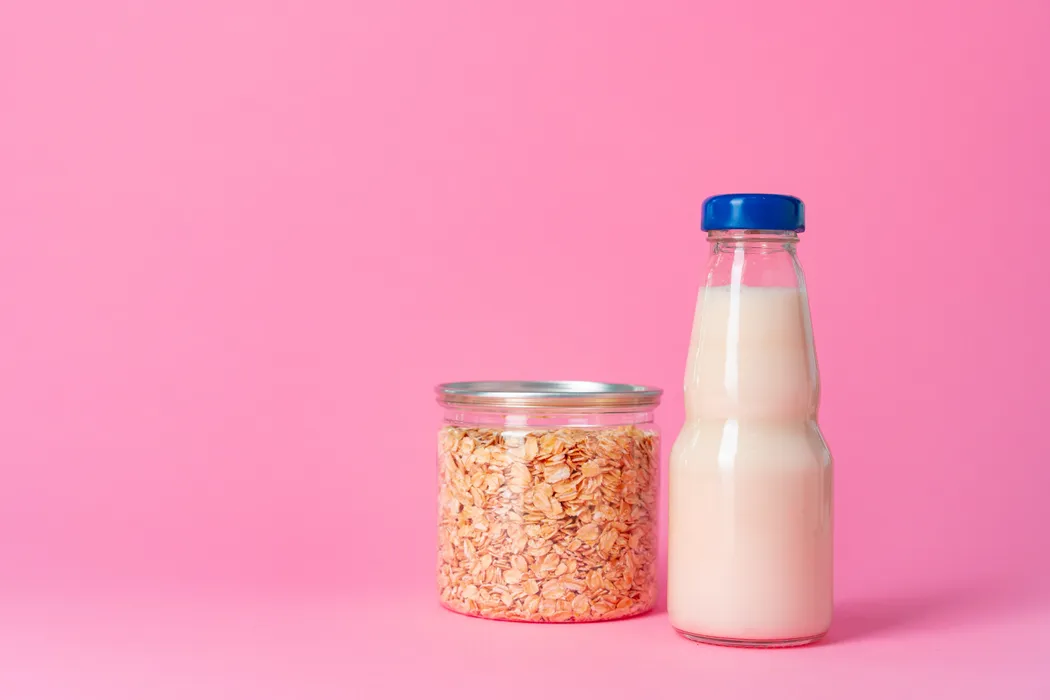
Oat milk is made by blending rolled or whole oats with water, then straining out the solids. Most commercial versions add vitamins, minerals, and sometimes oils or sweeteners to improve taste and nutritional value.

It is naturally free of lactose, soy, and nuts, which makes it appealing for families managing allergies. However, one point cannot be stressed enough: oat milk is not a substitute for breast milk or infant formula for babies under 12 months. No plant-based milk for babies can replicate what breast milk or formula provides during the first year of life.

Nutritional Content of Oat Milk

Oat milk nutrition facts look reasonable on a label, but the numbers tell a more complicated story when you compare them to what infants actually need.

Nutrient (per 100 ml)

Oat Milk (typical fortified)

Breast Milk (approx.)

Standard Infant Formula (approx.)

Calories

45 to 50 kcal

65 to 70 kcal per 100 ml

65–68 kcal

Protein

0.5 to 1 g

Approximately 1 g

1.4–1.5 g

Fat

1.5 g

3.5–4 g per 100 ml

3.4 to 3.6 g

Calcium

120 mg (fortified)

Approximately 30 mg

50 to 55 mg

Vitamin D

1 to 1.5 mcg (fortified)

Very low

1 to 1.2 mcg

Iron

Trace

Very low amounts

Amount varies by product

A few things stand out immediately. Oat milk is low in protein and fat compared to breast milk and formula. Infants need fat for brain development and protein for muscle and organ growth. Fortified versions may match or exceed calcium and vitamin D, but those additions do not compensate for the protein and fat gap.

Reviewing the oat milk nutrition facts as a whole, it is clear that oat milk is not nutritionally complete for babies as a sole drink. It lacks the full range of fatty acids, bioavailable iron, and the precise macro balance an infant's rapidly developing body requires.

Is Oat Milk Safe for Infants Under 12 Months?

The short answer is: not as a primary drink.

Breast milk is recommended as the main source of nutrition during the first 6 months, with appropriate complementary foods introduced from around 6 months while breastfeeding continues. Plant-based beverages should not be used as a substitute for breast milk or infant formula as the main milk feed for infants under 12 months. This guidance is also consistent with the approach followed by Indian pediatric specialists.

A common question parents ask is: when can babies have oat milk safely? The answer is that babies under 12 months should not have it as a main drink at all. Giving a 6-month-old oat milk as a primary feed raises three concrete risks:

  • Protein deficiency can slow growth and impair organ development.
  • Low fat content fails to support the rapid brain growth that occurs in the first year.
  • Inadequate iron intake can contribute to iron deficiency and iron-deficiency anaemia. Iron deficiency in young children can negatively affect brain development and cognitive function.

Small amounts used in cooking, for example, stirred into pureed porridge for a baby who has started solids, are generally considered low risk. But oat milk must never replace breast milk or formula feeds at this stage.

Contraindications and Risk Groups

Certain groups should avoid oat milk entirely or use it with extra caution.

Who should not use oat milk as a dairy alternative for infants:

  • Babies under 12 months using it as a primary or secondary milk feed.
  • Children with diagnosed coeliac disease or an oat sensitivity should use oat products only according to appropriate medical or dietary guidance. Oats contain avenin, a protein that can trigger an immune response in some people with coeliac disease, and cross-contamination with wheat, barley, or rye can occur during processing.
  • Infants or toddlers with a history of multiple food allergies, unless a doctor has specifically cleared oat milk.
  • Any child whose doctor has advised against dietary changes without medical supervision.

Additional concerns worth noting:

  • Many commercial oat milks contain added sugars. Check labels carefully, as added sugar has no place in an infant's diet.
  • Some studies have detected arsenic in grain-based foods, including some oat products. Levels can vary by product and source, so maintaining a varied diet rather than relying heavily on a single grain-based beverage is a sensible precaution.

Report adverse events, such as allergic reactions, digestive upset, or any unexpected symptoms after introducing oat milk, to your healthcare provider or the relevant regulatory authority.

Introducing Oat Milk After 12 Months

Once your child turns one, oat milk can be introduced gradually as part of a varied diet. Parents often ask when babies can have oat milk in a more regular way, and the toddler stage is when it becomes appropriate to experiment cautiously. It should still not be the primary drink replacing breast milk or cow's milk entirely unless a paediatrician advises otherwise.

A practical approach for introducing oat milk for babies who have crossed the 12-month mark:

  • Start by using it as a cooking ingredient in oatmeal, soups, or pancakes.
  • Offer a small amount (30 to 60 ml) in an open cup and watch for any allergic reaction over 48 to 72 hours. Signs to look for include hives, swelling, vomiting, or unusual fussiness.
  • If tolerated, increase gradually. Whole cow's milk or continued breastfeeding generally remains preferable at this age for fat and protein content.
  • Toddlers who cannot tolerate any animal milk should have their diet reviewed by a registered dietitian to ensure they meet protein, calcium, and vitamin D needs through other food sources.

For broader guidance on caring for young children, the newborn care essentials guide on Apollo Pharmacy covers practical tips for the early months.

When to Consult a Paediatrician

Before making any change to your infant's primary milk source, speak with your child's paediatrician. This is especially important if you are considering oat milk because of a suspected dairy allergy, a family preference for plant-based eating, or a shortage of infant formula.

Your doctor can:

  • Assess whether oat milk is safe for infants and whether it applies to your child's specific health profile
  • Recommend appropriate dairy alternatives for infants if cow's milk protein allergy is confirmed
  • Guide portion sizes and ensure no nutritional gaps develop during the transition

Never switch your baby's primary milk without medical guidance, even if another family found a particular option helpful.

Conclusion

Oat milk can be a useful plant-based beverage for some toddlers after 12 months, but it is not a suitable substitute for breast milk or infant formula during the first year of life. Because oat milk is generally lower in protein and fat than infant formula and whole cow's milk, parents should consider the child's overall diet when introducing it.

For children with food allergies, dietary restrictions, poor growth, or other nutritional concerns, it is best to consult a paediatrician or registered dietitian before making oat milk a regular part of the diet. Choosing an appropriate product, checking the nutrition label, and continuing to offer a varied, nutrient-rich diet can help support healthy growth and development.

FAQS

Is oat milk safe for a 1-year-old?

Oat milk can be introduced to toddlers from 12 months onward as part of a mixed diet, but it should not replace breast milk, formula, or cow's milk entirely. Because it is lower in protein and fat than cow's milk, it works best as a supplement alongside other nutrient-rich foods rather than as a standalone drink.

Can oat milk cause allergies in babies?

Yes, oat milk can trigger allergic reactions in children sensitive to oats or avenin, the protein found in oats. Symptoms may include hives, vomiting, or swelling, and cross-contamination with wheat in some products is also a concern for families managing gluten-related conditions.

What is the difference between oat milk and formula?

Infant formula is nutritionally designed to meet all the needs of a growing baby under 12 months, with the right balance of protein, fat, carbohydrates, iron, and vitamins. Oat milk is a food product that falls well short on protein, fat, and iron, making the two completely different in purpose and nutritional value.

Is oat milk better than cow's milk for toddlers?

For most toddlers, whole cow's milk provides more protein and fat, making it the preferred choice between ages one and two. Oat milk can be a reasonable option for children with a diagnosed cow's milk protein allergy, but only when a dietitian has confirmed the rest of the diet supplies adequate nutrition.

Does oat milk have enough calcium and vitamin D for kids?

Fortified oat milks often contain added calcium and vitamin D that appear comparable to cow's milk on a label, but the overall nutritional picture still falls short for young children relying on it as their main drink. A pediatrician or dietitian can advise on whether additional supplementation is needed.

Apollo 247 Floating Action Button