logo
0

Khichdi and Dal Rice for Babies: A Complete Guide

Discover the benefits of khichdi and dal rice for babies, age-wise feeding guidance, easy recipes, texture transitions and safe preparation tips.

article image

Dr.Kamran

Introducing solid foods to your infant is a beautiful milestone filled with curiosity, growth and new flavours. As a parent, you want to offer wholesome, easily digestible meals that support your baby’s rapid development. One of the best traditional dishes to start with is dal rice mash baby food. This comforting, nutrient-dense blend of lentils and rice provides a complete protein profile, making it an ideal first food.

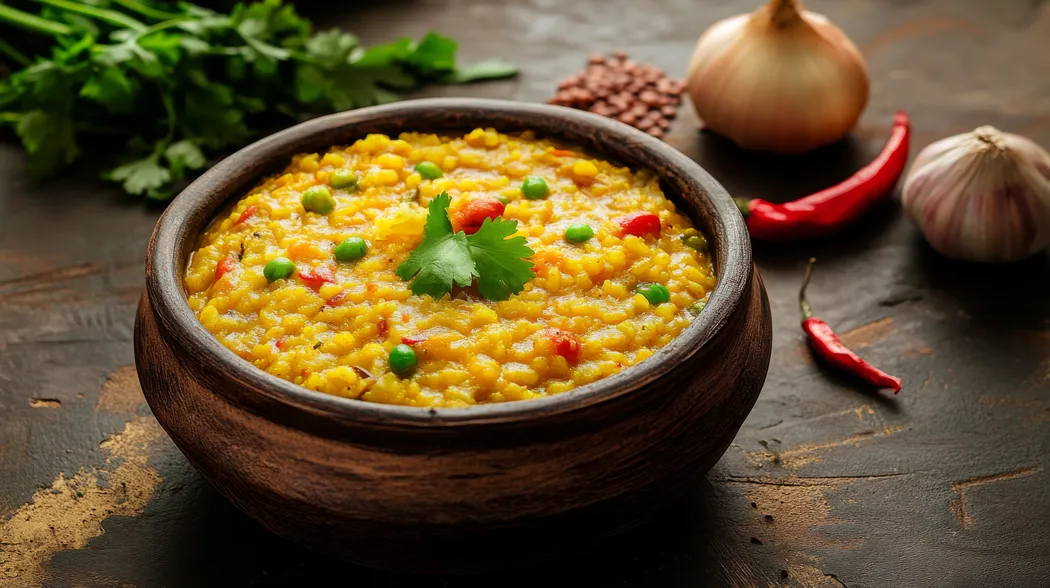
Many parents naturally wonder, is khichdi good for babies? The short answer is yes. Simple homemade baby food khichdi or a gentle dal rice puree is incredibly soft on delicate, developing digestive systems. As your little one grows, transitioning from a smooth baby khichdi puree to a thicker, soft khichdi texture baby food helps them develop crucial chewing and swallowing skills.

In this comprehensive guide, we will explore the nutritional benefits of khichdi baby food and dal rice baby food, provide safe age-by-age feeding tips, and share easy recipes you can prepare at home.

Benefits of Dal Rice Mash Baby Food for Infant Nutrition

A basic serving of yellow dal rice baby food offers an excellent balance of macronutrients. Rice provides easily digestible carbohydrates for energy, while yellow split moong dal (lentils) supplies essential amino acids and dietary fibre. When combined, rice and lentils form a complete protein, which is essential for your baby’s cell growth and muscle development.

To maximise the nutritional value and support healthy brain development, paediatricians often recommend adding healthy fats. Preparing ghee khichdi baby food or dal rice with ghee baby food is a wonderful way to achieve this. Stirring a small drop of ghee on rice baby food or mixing ghee in baby food khichdi not only enhances the flavour and aroma but also aids in the absorption of fat-soluble vitamins (A, D, E and K). Providing dal rice ghee baby food or a comforting portion of rice dal ghee baby food helps meet your baby's high metabolic demands during their first year of life.

Age-by-Age Guide: Preparing Khichdi and Dal Rice Mash Baby Food

As your infant grows, their developmental needs and oral motor skills change. Here is how you can adapt this classic meal for every stage of your child's first year.

Starting Solids: 6 Month Baby Khichdi Recipe and Puree

At around six months of age, the World Health Organization (WHO) recommends introducing complementary foods alongside breast milk or formula. For babies just starting their culinary journey, consistency is key.

To prevent choking, begin with a smooth 6-month baby khichdi recipe that yields a completely watery, lump-free texture. Preparing a 6-month baby khichdi puree or a basic baby khichdi puree ensures a seamless transition. You can also make a nourishing yellow dal rice porridge baby or a thin baby dal rice puree. Feeding your little one a thin khichdi baby food or a plain khichdi baby food is the perfect, low-allergen way to introduce these grains safely.

Advancing Textures: 7 to 8 Month Baby Khichdi Recipe

Many parents ask, ‘Can I give khichdi to my 7-month baby?’ Absolutely. By seven and eight months, infants are ready to transition away from completely smooth purees.

At this stage, you can offer a 7-month-old baby khichdi recipe or an 8-month-old baby khichdi recipe that features a slightly thicker, soft khichdi baby food mashed consistency. Instead of using a blender, try mashing the cooked food with a fork to create a soft mashed rice dal baby food or a soft mashed khichdi baby food. Offering khichdi baby food mashed or a slightly textured khichdi mashed baby food helps babies practise moving food around their mouths using their gums, which promotes healthy jaw development. This comforting mashed khichdi baby food will quickly become a favourite in your household.

From Baby to Toddler: Transitioning to Dal Rice Toddler Meals

As your baby reaches 12 months and beyond, they are ready to join the family at the dinner table. They can now comfortably enjoy a textured, wholesome dal rice toddler meal.

Toddlers love exploring self-feeding, so serving a dal rice mashed toddler meal or a slightly chunky soft dal rice toddler meal is ideal. Adding a spoonful of melted ghee creates a delicious dal rice ghee toddler meal or a classic dal rice with ghee toddler meal. A quick soft khichdi toddler meal is perfect for busy weeknights when you need a balanced, warm and highly comforting dinner for your growing toddler.

Easy Recipes: From Dal Rice Mash Baby Food to Nutrient-Rich Khichdi

Preparing these meals at home is quick, cost-effective and allows you to control the quality of the ingredients. Always ensure your hands, utensils and cooking spaces are thoroughly cleaned before preparing baby food.

1. Simple Dal Rice Mash Baby Food Recipe

This is the foundational recipe that you can easily adapt as your baby grows.

Ingredients: 2 tablespoons white rice, 1 tablespoon yellow moong dal, 1 cup of water, a tiny pinch of turmeric and 1/4 teaspoon of ghee.

Method:

  • Clean and wash the rice and dal thoroughly under running water. Soak them in water for about 15 to 20 minutes to make them easier to cook and digest.
  • Drain the soaking water and place the rice and dal into a pressure cooker or a small saucepan.
  • Add 1 cup of fresh water and a tiny pinch of turmeric.
  • Cook for 4 to 5 whistles (if using a pressure cooker) or simmer on a stovetop until the grains are completely soft and mushy.
  • Once cooled slightly, mash the mixture thoroughly with a clean spoon or fork to create a soft dal rice mash baby food or dal rice mashed baby food.
  • Stir in the ghee to make a delicious dal rice soft baby food (often called soft dal chawal baby food). If your baby prefers a lighter consistency, add a splash of warm boiled water to achieve a dal rice mash baby food soft consistency.


    2. Vegetable and Spinach Khichdi Variations

    Once your baby has successfully tolerated plain rice and lentils, you can start introducing a variety of colourful vegetables.

  • Vegetable Khichdi: Boiling finely chopped carrots, peas and potatoes alongside your lentils and rice creates a highly nutritious vegetable khichdi baby food. Once cooked, mash the mixture well to prepare a vegetable khichdi soft baby food or a comforting soft vegetable khichdi baby food. For younger babies, you can blend this into a vegetable khichdi baby puree or keep it slightly textured as a vegetable khichdi baby food soft. Mashing these elements yields a tasty vegetable dal mash baby food or a comforting potato dal mash baby food.
  • Spinach Khichdi: Introducing iron-rich greens is highly beneficial for your baby's cognitive development. Preparing a vibrant palak khichdi baby food or spinach khichdi baby food is a wonderful way to do this. Simply steam fresh spinach leaves, puree them, and stir them into the warm, cooked lentils and rice to create a beautiful, iron-rich spinach dal rice baby food.


    3. Alternative Grains and Proteins

  • Oats Khichdi: Swap out the rice for rolled oats to create a fibre-rich oats khichdi recipe for baby, which is excellent for healthy digestion.
  • Sabudana Khichdi: For a unique, chewy texture, a mild sabudana khichdi recipe for baby made with well-soaked tapioca pearls can be introduced after 8 months.
  • Chicken Khichdi: If your family eats poultry, you can cook minced chicken breast thoroughly with the rice and dal to create a high-protein chicken khichdi baby food.

Texture Transitions: Ensuring Safe and Pleasant Mealtimes

Transitioning through food textures is a vital milestone for oral sensory development. If your baby is hesitant to try thicker foods, begin with a very moist soft khichdi puree baby or a classic khichdi baby food soft rice dal.

Over several weeks, gradually reduce the blending or mashing time until the meal becomes a thicker khichdi soft baby food or khichdi baby soft food. Always ensure that the grains are fully cooked and soft enough to be easily squashed between your thumb and index finger. Serving a consistent, well-cooked soft khichdi baby food gives your baby the confidence they need to eventually transition to standard family foods.
FAQS

Is it safe to add salt and spices to baby khichdi?

According to paediatric health guidelines from organisations like the CDC and WHO, you should avoid adding salt or sugar to baby food before 12 months of age. A baby's kidneys are still developing and cannot process excess sodium. However, you can safely add mild, aromatic spices like a tiny pinch of turmeric, cumin powder or asafoetida (hing) to a homemade baby khichdi puree to gently expand their palate and aid digestion.

How do I store and reheat dal rice mash baby food?

Freshly made dal rice mash baby food can be stored in an airtight, BPA-free container in the refrigerator for up to 24 hours. When reheating, ensure the food is warmed thoroughly until steaming, then stir it well to eliminate any hot spots. Allow the food to cool to a safe, lukewarm temperature before feeding it to your baby.

Can I add ghee to my baby's food daily?

Yes, adding a small amount of ghee to khichdi baby food (about 1/4 to 1/2 teaspoon per serving) is highly beneficial. Ghee provides concentrated energy and essential fatty acids that support brain development. However, keep the portion size moderate to ensure your baby's digestive tract handles it comfortably.

What should I do if my baby rejects the texture of mashed khichdi?

It is entirely normal for babies to reject new textures at first. If your baby spits out or refuses a textured meal, do not force them. Temporarily step back to a smoother dal rice puree for a baby or a soft khichdi puree for a baby. Try offering the textured version again in a few days when they are hungry and relaxed.

Can I feed dal rice to my baby if they have a sensitive stomach?

Yes. A simple, well-cooked plain khichdi baby food made with split yellow moong dal and white rice is incredibly gentle on the stomach. It is frequently recommended as a nourishing recovery food for infants recovering from mild stomach bugs, provided it is prepared hygienically and served at a soft, comfortable consistency.

Apollo 247 Floating Action Button