logo
0

Lactogen 1 Infant Formula: Uses, Comparison & Safety Guide

Learn about Lactogen 1 infant formula, including its uses, nutritional features, comparison with other formulas, preparation, safety considerations, and feeding guidance.

article image

Dr.Rohini priyanaka

Lactogen 1 Infant Formula: Comparison, Uses, and Safety Guide

Feeding your baby is one of the most critical decisions you make as a new parent. While breast milk remains the standard for infant nutrition, situations often arise where breastfeeding is not possible, insufficient, or medically contraindicated. In such cases, a starter formula like lactogen 1 provides a balanced, nutritionally complete alternative to support your baby's growth during the first six months of life. Understanding how this formula works, what it contains, and how it compares to other options helps you make safe choices under your pediatrician's guidance.

Every infant has distinct nutritional demands and digestive tolerances. Choosing a formula involves balancing macronutrients, micronutrients, digestibility, and medical safety. This guide breaks down standard infant formulas, the nutritional profile of lactogen 1 infant formula, comparisons with other leading brands, and the hygiene standards required for safe preparation.

<Explore Infant formula Here>

What Is Infant Formula (Generic: Milk-Based Formula) and When Is It Needed?

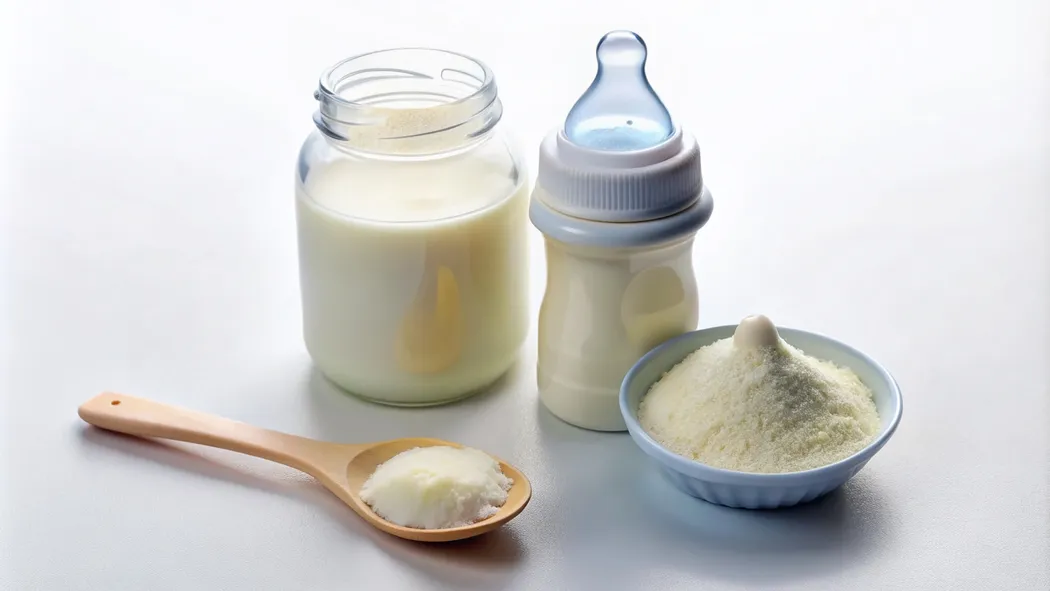
Infant formula is a manufactured food designed to meet the complete nutritional requirements of infants under 12 months of age. Standard commercial formulas use modified cow's milk as a base. Raw animal milk contains excessive protein and minerals that strain an infant's immature kidneys and digestive tract. To solve this, manufacturers adjust the whey-to-casein protein ratio, replace animal fats with digestible vegetable oil blends, and add essential vitamins, minerals, and fatty acids to closely match human milk.

Medical organisations, including the World Health Organization and the Indian Academy of Pediatrics, emphasize that exclusive breastfeeding is ideal for the first six months of life. Formula feeding becomes necessary in specific clinical and practical situations:

  • Inadequate breast milk production despite lactation support.
  • Maternal health complications, such as active infections, severe illness, or medications that pass into breast milk.
  • Maternal absence due to employment, hospitalisation, or adoption.
  • Infant failure to thrive or poor weight gain, where a doctor recommends formula supplementation alongside breastfeeding.
  • Severe maternal physical exhaustion or postpartum health conditions where supplemental feeding protects the well-being of both mother and infant.

Never start or switch an infant formula without consulting your pediatrician. A doctor evaluates your baby's birth weight, gestational age, renal function, and gut health to determine if a standard formula is suitable or if your baby requires a specialized feed.

Alongside feeding routines, new parents must manage other aspects of daily care. For example, understanding newborn care essentials beyond feeding helps prevent umbilical cord infections and skin irritation during the early weeks.

Lactogen 1: Composition and Intended Use Stage

Lactogen 1 is a spray-dried, milk-based starter infant formula designed for healthy, full-term infants from birth up to six months of age. After six months, an infant's iron stores deplete, renal solute handling matures, and complementary solid foods are introduced, requiring a transition to Stage 2 follow-up formulas under pediatric advice.

The lactogen 1 composition is designed to supply balanced energy and digestible nutrients to support somatic growth and brain development during early infancy:

  • Carbohydrates: The primary carbohydrate is lactose, the natural sugar found in breast milk. Lactose provides steady energy, supports beneficial gut bacteria, and aids in the absorption of calcium.
  • Proteins: The formula utilizes modified cow's milk protein with an adapted whey-to-casein ratio. Whey remains liquid in the stomach and empties faster, reducing the likelihood of hard curds, gas, and digestive discomfort.
  • Fats: A blend of edible vegetable oils (such as palm olein, soybean, low-erucic rapeseed, and high-oleic sunflower oils) provides essential fatty acids, including linoleic acid and alpha-linolenic acid. These serve as building blocks for brain tissue and retina development.
  • Micronutrients: The formula is fortified with vitamins (A, C, D, E, K, and B-complex) and minerals (calcium, phosphorus, iron, zinc, iodine, and selenium). The iron level is calibrated to prevent iron deficiency while remaining gentle on newborn digestion.
  • Added Functional Ingredients: It contains maltodextrin for energy release and trace elements like choline, taurine, and L-carnitine, which support lipid metabolism and neural function.

Lactogen 1 is formulated for term babies without diagnosed metabolic disorders or milk protein allergies. It is not standard cow milk powder; its precise micronutrient ratios prevent metabolic stress in young infants.

Lactogen 1 vs Aptamil vs Similac vs Dexolac vs NAN: Comparison Table

Parents searching for the best infant formula for newborn India feeding often find multiple brands on pharmacy shelves. All standard formulas sold in India must comply with the compositional and safety standards established by the Food Safety and Standards Authority of India (FSSAI). However, brands differ in their protein processing, fat blends, and added nutrients like DHA, ARA, and prebiotics.

When evaluating lactogen vs similac or lactogen vs nan, consider that standard formulas meet baseline nutritional needs, while premium formulations often add prebiotics (GOS/FOS) or partially hydrolyzed proteins for specific digestive needs.                

Feature / BrandNestlé Lactogen 1Nestlé NAN Pro 1Danone Aptamil 1Abbott Similac 1Nutricia Dexolac 1
Primary Protein SourceModified cow milk (whey and casein)Demineralized whey, cow milk (optimized protein)Demineralized whey, skimmed cow milkNonfat cow milk, whey protein concentrateWhey protein, skimmed milk
Added Functional NutrientsCholine, Taurine, L-Carnitine, IronOptipro protein blend, DHA, ARA, ProbioticsPrebiotics (GOS/FOS blend), DHA, ARANeuro-nutrients (DHA, Lutein, Vitamin E)FOS prebiotics, Nucleotides, Iron
Palm Oil FreeNo (contains palm olein)No (contains palm olein blend) No (contains vegetable oil blend)Yes (unique palm-olein-free fat blend)No (contains vegetable oil blend)
Target Stage0 to 6 months0 to 6 months0 to 6 months0 to 6 months 0 to 6 months
Relative Price TierEconomy to Mid-rangePremiumPremiumMid-range to Premium Economy to Mid-range
Availability in IndiaWidely available in pharmacies and onlineWidely available in pharmacies and onlineAvailable in major pharmacies and onlineAvailable in major pharmacies and onlineWidely available across India

Selecting the best infant formula for newborn India infants depends on your baby's individual tolerance, growth rate, and your family budget. A higher price tag does not guarantee that a specific formula will agree with your baby's stomach better than a standard option like lactogen 1.

How to Prepare and Store Formula Milk Safely

Because infant powdered formula is not completely sterile, practicing strict hygiene during preparation is vital to protect your baby from harmful pathogens such as Cronobacter sakazakii and Salmonella.

Here is how to prepare infant formula milk safely, following standard public health and pediatric guidelines:

Clean the preparation area: Wash your hands thoroughly with soap and warm water for at least 20 seconds. Clean and dry the surface where you will assemble the feed.

  • Sterilise all equipment: Wash bottles, teats, rings, and caps in hot, soapy water with a dedicated bottle brush. Sterilise them using a steam sterilizer, a microwave sterilizer, or by boiling them in a covered pot of water for 5 to 10 minutes. Allow them to air dry on a clean rack.
  • Boil the water: Boil fresh drinking water vigorously for 1 minute. Let it cool down, but do not let it drop below 70 degrees Celsius before mixing (usually about 15 to 30 minutes after boiling). Water at this temperature kills potential bacteria present in the formula powder.
  • Measure water first: Pour the exact amount of boiled, hot water into the sterilized feeding bottle. Always measure the water before adding the powder to ensure accurate concentration.
  • Add the powder: Use only the scoop provided inside the specific tin. Fill the scoop loosely and level it off using a clean, dry, flat knife or the built-in leveling edge. Do not pack the powder down or heap it. Add the exact number of level scoops indicated by the feeding table or your doctor.
  • Mix thoroughly: Cap the bottle and shake or swirl gently until the powder dissolves completely.
  • Cool the feed: Hold the lower half of the capped bottle under cold running tap water or place it in a bowl of cold water. Do not let tap water touch the teat or cap.
  • Check the temperature: Test the milk by dropping a few drops onto the inside of your wrist. It should feel lukewarm, not hot. Feed the baby immediately.

Storage and handling rules to protect your infant:

  • Discard leftover feeds: Any formula left in the bottle after a feeding session must be thrown away within 1 hour. Bacteria from your baby's saliva multiply rapidly in the leftover milk.
  • Freshly prepared feeds: A bottle prepared with hot water and cooled at room temperature should be used within 2 hours of mixing.
  • Refrigeration: If preparing a feed in advance, cool it quickly and place it in a refrigerator set at 4 degrees Celsius or lower. Use it within 24 hours. Warm the bottle by placing it in a container of warm water; never use a microwave, as it creates hot spots that can scald your baby's mouth.
  • Tin storage: Store opened formula tins in a cool, dry place with the lid tightly closed. Do not refrigerate the powder tin. Use the contents within 3 to 4 weeks of opening.

Contraindications and When Not to Use Formula Milk

Standard milk-based products like lactogen 1 infant formula are safe for most healthy term babies, but they are contraindicated in certain medical conditions:

  • Cow's Milk Protein Allergy (CMPA): Standard formulas contain intact bovine proteins. Babies with an immune reaction to cow's milk protein need specialized extensively hydrolyzed or amino acid-based formulas prescribed by a pediatric gastroenterologist or pediatrician.
  • Galactosemia: This rare genetic metabolic disorder prevents the body from breaking down galactose, a component of lactose.Standard milk formulas contain lactose and can cause severe liver, brain, and kidney damage in affected infants. These babies require strict, lifetime soy-based or galactose-free medical diets.
  • Congenital or Severe Secondary Lactose Intolerance: Infants lacking the enzyme lactase cannot digest the lactose in standard formula, leading to severe explosive diarrhea, dehydration, and poor growth. A temporary or permanent lactose-free formula is necessary.
  • Preterm and Low Birth Weight (LBW) Infants: Premature babies (born before 37 weeks) or those weighing under 2.5 kg at birth have immature kidneys, higher protein and caloric requirements, and distinct bone mineralization needs. They require specialized preterm formulas or human milk fortifiers under neonatal intensive care guidance, rather than standard starter formulas.

Side Effects and When to Consult a Doctor

Switching to formula or starting it for the first time can occasionally cause mild digestive adjustments as the infant's gut flora adapts. Common reactions include:

  • Changes in stool frequency and consistency: Formula-fed infants generally pass firmer, pale yellow or light green stools less frequently than breastfed infants.
  • Mild constipation: Infrequent, hard, dry pebble-like stools or significant straining.
  • Mild gas or spit-up: Occasional burping or small spit-ups after feeds.

Watch for serious symptoms that require prompt medical evaluation:

  • Signs of allergy: Widespread skin hives, persistent eczema, swelling of the lips or face, wheezing, or blood/mucus in the stools.
  • Severe digestive distress: Projectile vomiting, persistent watery diarrhea leading to dehydration (fewer wet diapers, sunken eyes, dry mouth, lethargy).
  • Poor growth: Inability to gain weight according to pediatric growth charts.
  • Refusal to feed: Extreme fussiness, crying during or immediately after every feed, or refusing the bottle altogether.

Report adverse events to your healthcare provider or the relevant regulatory authority.

Conclusion

Lactogen 1 infant formula is designed to provide nutrition for infants when formula feeding is needed or recommended. Comparing it with other infant formulas can help parents understand differences in ingredients, nutritional composition, age suitability, and feeding considerations. Safe preparation and proper storage are important, and the formula should always be prepared according to the manufacturer's instructions. Parents should consult a paediatrician before starting or changing formula, particularly if the baby has allergies, intolerance, feeding difficulties, or concerns about growth.

FAQ

Is Lactogen 1 as good as breast milk?

Breast milk is the standard for infant nutrition because it provides living antibodies, hormones, and custom nutrients that formula cannot replicate. Lactogen 1 is a safe, nutritionally balanced substitute formulated to support normal growth when breastfeeding is not possible.

Can I switch between formula brands?

You should avoid switching formula brands frequently without medical advice. Changing formulas abruptly can cause mild digestive upset, gas, or altered bowel habits as your baby's gut adapts. Consult your pediatrician before making any transition.

How much Lactogen 1 should a newborn drink?

A newborn typically drinks 30 to 60 ml per feed during the first week, gradually increasing to 90 to 120 ml every 3 to 4 hours by the end of the first month. Always follow the specific feeding schedule recommended by your pediatrician.

Is Lactogen 1 available without a prescription?

Yes, Lactogen 1 is available over the counter in pharmacies and online stores across India. However, you should always consult a qualified healthcare professional or pediatrician before introducing any infant formula to your baby.

What is the difference between Lactogen 1 and Lactogen 2?

Lactogen 1 is formulated for infants from birth up to six months. Lactogen 2 is a follow-up formula for infants aged six months and older, containing adjusted protein, mineral, and iron levels suited for older babies who have started complementary solid foods.

Apollo 247 Floating Action Button