logo
0

Lactogen Formula Milk: Stages, Uses and Pricing Guide

Learn about Lactogen formula milk, including its different stages, uses, age suitability, nutritional features, preparation, pricing factors, and feeding considerations.
 

article image

Dr. Vasantha Sree

Choosing the right nutrition for your baby is one of the first anxious decisions new parents face. Lactogen formula milk is among the most widely recognised infant formula brands in India, and many parents reach for it when breastfeeding is not possible or needs to be supplemented. This guide covers the two main stages, how they differ, current pricing, and how to prepare them safely so you can make a confident, informed choice.

What Is Lactogen Formula Milk?

Infant formula milk is a manufactured food designed as an alternative to breast milk for babies who cannot be breastfed. It is formulated to provide the key macronutrients, vitamins, and minerals a growing infant needs in the early months of life.

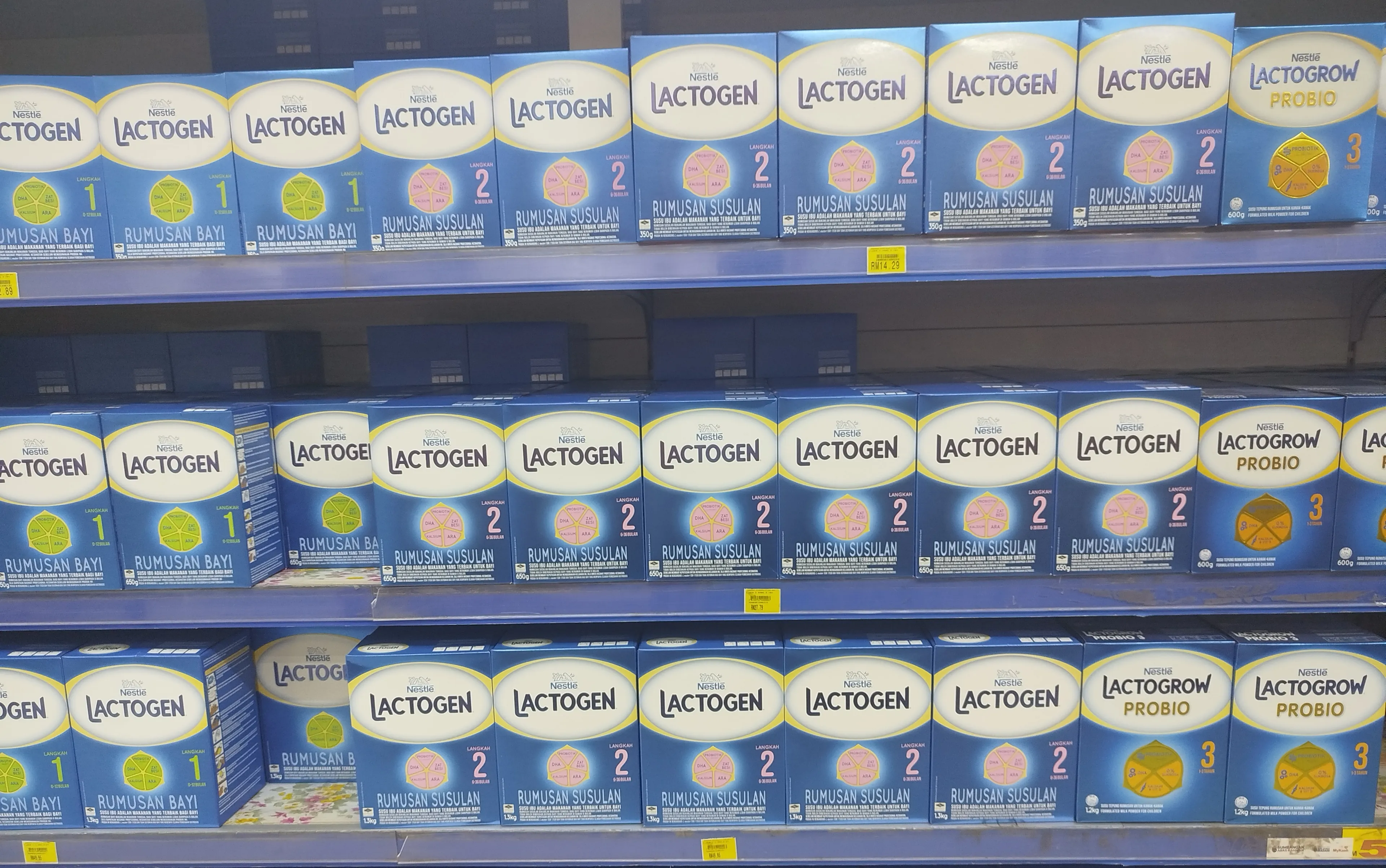
Lactogen is a cow's milk-based infant formula made by Nestle India. Its core ingredients include:

  • Skimmed cow's milk as the main protein source
  • Vegetable oils to provide essential fatty acids
  • Lactose as the primary carbohydrate
  • A blend of vitamins and minerals including iron, calcium, vitamin D, and B vitamins
  • Prebiotics (in some formulations) to support gut health

Breast milk remains the gold standard for infant nutrition. Infant formula is recommended only when breastfeeding is not possible, insufficient, or medically contraindicated. Always speak with a paediatrician before starting any formula.

For parents also exploring the best formula milk for babies in India, it is worth knowing that options vary by protein source, lactose content, and added nutrients. A paediatrician can help match the right product to your baby's specific needs rather than relying solely on brand recognition.

Lactogen Stage 1 vs Stage 2: Key Differences

Lactogen is available in two age-appropriate stages, each calibrated to match a baby's changing nutritional needs.

Feature   Lactogen Stage 1   Lactogen Stage 2
Recommended age Birth to 6 months 6 to 24 months
Suitable from  Newborns  Older infants alongside solids
Protein content   Lower, closer to breast milk ratio Slightly higher to support growth
Iron  Present Higher levels to meet increased demand
Caloric densityModerate  Slightly higher
Primary role Complete nutrition when breastfeeding is not possible  Complementary to solid foods

Lactogen 1 vs Lactogen 2: What Actually Changes

Lactogen 1 is the infant formula milk for newborns. Its gentler protein level is designed for a newborn's immature kidneys and digestive system. Lactogen 2 is a follow-up formula with a nutrient profile adjusted for babies who have started solid foods.

The switch is not automatic. Most guidelines suggest introducing Stage 2 only after six months, and only alongside complementary foods. Your paediatrician is the right person to decide the timing based on your baby's weight, growth trajectory, and feeding behaviour.

Lactogen Formula Milk Price List (Stage 1 and 2)

Prices vary by retailer, city, and promotional offers. The figures below are indicative ranges based on commonly available pack sizes in India. Always check a live listing for the current price before purchasing.

Lactogen Stage 2 price tends to be marginally lower per gram than Stage 1 in many retail formats. Buying larger packs generally reduces the per-feed cost. Always check the sealed tin date at the time of purchase.

How to Prepare and Store Lactogen Formula Safely?

Incorrect preparation is a leading cause of contamination-related illness in formula-fed infants. Follow these steps every single time.

Preparing a feed:

  1. Wash your hands thoroughly with soap and water.
  2. Sterilise all feeding equipment (bottle, teat, measuring scoop) by boiling for at least 5 minutes or using a steam steriliser.
  3. Boil fresh drinking water and allow it to cool to approximately 70 degrees Celsius, around 15 minutes after boiling. Do not use water that has been sitting for more than 30 minutes.
  4. Pour the required amount of water into the sterilised bottle first.
  5. Use only the scoop provided in the tin. Level it off with a clean knife; never compress the powder.
  6. Add the correct number of scoops as directed on the tin label for your baby's age and weight. An incorrect ratio can harm your baby.
  7. Cap the bottle, shake gently until dissolved, then cool under cold running water until comfortable on your inner wrist.
  8. Feed immediately. Discard any formula left in the bottle after a feed.

Storage rules:

  • Never leave a prepared feed at room temperature for more than 2 hours.
  • Refrigerated prepared feeds (4 degrees Celsius or below) must be used within 24 hours.
  • Once opened, store powder tins in a cool, dry place and use within 4 weeks. Do not refrigerate the tin.

For more on caring for your baby in those early weeks, including newborn care essentials beyond feeding, our newborn care guide has practical, step-by-step advice.

Who Should Avoid Infant Formula: Contraindications

Standard cow's milk-based infant formula milk is not appropriate for every baby.

Do not use it if your baby has:

  • Galactosemia, a rare metabolic disorder affecting galactose processing. Standard lactose-containing formula is unsafe and can be life-threatening in these infants.
  • Confirmed cow's milk protein allergy (CMPA). These babies need extensively hydrolysed or amino acid-based formulas prescribed by a doctor.
  • Any condition flagged by your paediatrician as requiring a specialised formula.

If your baby shows signs of allergy such as persistent vomiting, blood in stools, severe eczema, or poor weight gain, stop feeding and consult a doctor before resuming any formula.

Prescribing Information and Safety Disclaimer

The choice of infant formula, including the stage and brand, should be made in consultation with a qualified paediatrician or healthcare provider. This article is for informational purposes only and does not constitute medical advice, diagnosis, or a prescription recommendation. Nestle Lactogen product information, including full ingredient lists, preparation instructions, and nutritional data, is available on the product tin and the manufacturer's official website.

Parents and caregivers are advised to read all label instructions carefully before use. Improper preparation or use of formula for an inappropriate age group can pose serious health risks to infants.

Reporting Side Effects or Adverse Reactions

If your baby experiences any unexpected reaction after consuming Lactogen formula milk or any infant formula product, stop use and seek medical attention immediately.

Report adverse events to your healthcare provider or the relevant regulatory authority.

You may also report concerns to the manufacturer through their customer helpline listed on the product packaging.

Conclusion

Lactogen formula milkis available in different stages designed to provide nutrition for infants and young children at specific ages. Understanding the stages, intended uses, nutritional composition, preparation requirements, and pricing can help parents make informed feeding decisions. The appropriate formula depends on the baby's age, nutritional needs, growth, and individual health requirements. Parents should follow the manufacturer's preparation instructions carefully and consult a paediatrician before choosing or changing formula, especially if the baby has feeding difficulties, allergies, intolerance, or other health concerns.

FAQS

Is Lactogen good for newborn babies?

Lactogen Stage 1 is formulated for newborns as an infant formula milk for newborn use when breastfeeding is not possible. It is not a replacement for breast milk, which remains the first choice. Always consult your paediatrician before starting any formula for a newborn.

How many scoops of Lactogen for a 3-month-old baby?

The number of scoops depends on your baby's weight and the volume of feed, as specified on the product tin. Do not guess or adjust the ratio. Follow the tin's feeding guide exactly and ask your paediatrician if you are unsure.

Can I mix Lactogen Stage 1 and Stage 2?

Mixing the two stages is not recommended. Each stage has a different nutrient concentration designed for a specific age range. Using Stage 2 before six months can put unnecessary strain on an infant's kidneys. Switch stages only on your paediatrician's advice.

What is the shelf life of prepared Lactogen formula?

A prepared feed should be used immediately after making. If refrigerated at 4 degrees Celsius or below, it can be stored for up to 24 hours. At room temperature, discard any unused formula within 2 hours of preparation.

Is Lactogen formula milk safe without a doctor's recommendation?

While Lactogen is a commercially available product, using any infant formula without paediatric guidance carries risks, particularly for newborns or babies with underlying conditions. A paediatrician can confirm the right stage, quantity, and preparation method for your baby's specific needs.
Apollo 247 Floating Action Button