Learn about Lactogen milk powder, including its stages, composition, nutrition, age suitability, preparation, feeding guidance, and comparison with other formulas.
Dr. Ezhilrasan
Choosing how to feed a newborn is one of the first emotionally charged decisions a new parent makes. When breastfeeding is not possible or needs to be supplemented, lactogen milk powder is among the most commonly recommended infant formula options in India. Understanding what goes into the tin, how each stage differs, and how it compares to alternatives helps parents make an informed, confident choice.
Lactogen is an infant milk formula manufactured by Nestlé. It falls under the category of cow's milk-based, spray-dried infant formula designed as a breast milk substitute when breastfeeding is not possible. In India, Nestlé has marketed Lactogen for several decades, making it one of the most recognised names in this category.
The base ingredient is cow's milk, which is modified to bring its protein, fat, and carbohydrate ratios closer to human breast milk. Vitamins, minerals, and functional ingredients such as DHA and prebiotics are added to support infant growth and development.
A quick note on terminology: "infant formula" is the regulatory term used by FSSAI; Lactogen is the brand name. Doctors and labels use both interchangeably in everyday conversations.
Lactogen Formula Composition Breakdown
The exact nutrient values on the label can vary slightly by stage and pack size, so always read the current label on the product you purchase. The table below gives a representative overview of the key nutrient categories typically declared in Lactogen Stage 1 powder.
Nutrient category
Examples of components
Protein
Whey protein, casein (from skimmed cow's milk)
Fat
Vegetable oils (palm, rapeseed, sunflower), DHA
Carbohydrates
Lactose as the primary carbohydrate
Prebiotics
Galacto-oligosaccharides (GOS)
Vitamins
A, C, D, E, K, B-group vitamins
Minerals
Calcium, phosphorus, iron, zinc, iodine
Others
Choline, taurine, nucleotides
A few things worth knowing about specific lactogen ingredients:
The whey-to-casein ratio in Stage 1 is adjusted to be closer to breast milk, making it gentler on newborn digestive systems.
DHA (docosahexaenoic acid) is included to support brain and eye development during the first year.
GOS prebiotics help support softer stool consistency and a healthy gut environment.
Iron is added because early neurological development depends on adequate iron, and infants not receiving breast milk need a reliable dietary source.
Nutrient quantities per 100 g as prepared are printed on every pack. That label is the authoritative source for exact figures; the categories above are a guide to what to look for.
Lactogen Stages Explained (1, 2, 3, 4)
Lactogen follows a stage-based system aligned to a baby's changing nutritional needs. The protein levels, calorie density, and micronutrient profiles are genuinely adjusted across stages, not just the packaging.
Stage
Age band
Primary purpose
Lactogen 1
0 to 6 months
Complete breast milk substitute for newborns
Lactogen 2
6 to 12 months
Follow-on formula as solids are introduced
Lactogen 3
1 to 2 years
Growing-up milk during toddler years
Lactogen 4
2 to 3 years
ontinued nutritional support for active toddlers
Lactogen 1 vs Lactogen 2: the key differences
This is the question parents ask most often.
Lactogen 1 is formulated as a complete food for infants who are not receiving breast milk. The protein content and whey-to-casein ratio are designed specifically for a newborn's digestive system. Iron levels are set to meet the full daily requirement of a young infant.
Lactogen 2 assumes the baby is now eating some solids alongside formula. Protein content per 100 g of powder is somewhat higher, reflecting older infants' greater needs for muscle development. Stage 2 is not suitable as a sole source of nutrition from birth, which is exactly why Stage 1 must come first. Both stages contain DHA, GOS, and core vitamins and minerals, but the amounts are calibrated differently for each age band.
Your paediatrician will guide you on when to make the switch, but the general marker is around six months, when complementary feeding begins.
Lactogen vs Other Popular Infant Formulas
Parents frequently compare lactogen milk powder against NAN (also Nestlé), Similac (Abbott), and Enfamil (Mead Johnson/Reckitt). The comparison below is at a high level; a paediatrician's recommendation should always take priority over brand comparisons alone.
Brand
Manufacturer
Notable composition features
Lactogen
Nestlé
GOS prebiotics, DHA, whey-dominant protein in Stage 1
NAN
Nestlé
Partially hydrolysed whey protein in select variants; probiotic-added options available
Similac
Abbott
HMO (human milk oligosaccharide) variants; no added palm oil in some formulatio
Enfamil
Mead Johnson/Reckitt
MFGM and DHA-focused formulations in higher-range products
A few honest observations on this lactogen vs similac vs nan comparison:
No infant formula replicates breast milk fully. All formulas sold in India must meet
FSSAI regulations, so the baseline nutritional standards are a legal requirement for every compliant product on the market.
Differences between brands at the same stage are generally modest at the macronutrient level. Specialised ingredients, such as partially hydrolysed protein or specific prebiotic blends, vary more noticeably.
Price, tolerability, local availability, and your doctor's advice are often more practical differentiators than ingredient-by-ingredient comparisons.
Avoid switching formulas frequently. If your baby is growing well and tolerating feeds, consistency matters more than brand-hopping.
How to Choose and Prepare Infant Formula Safely?
Correct preparation matters as much as the formula itself. Poor hygiene during mixing is a common but preventable cause of infant illness.
Step-by-step safe preparation:
Wash hands thoroughly with soap before handling any feeding equipment.
Sterilise bottles, teats, and measuring spoons before each use.
Boil fresh drinking water and allow it to cool to about 70 degrees Celsius before adding powder. This temperature is hot enough to reduce bacterial contamination in the powder itself.
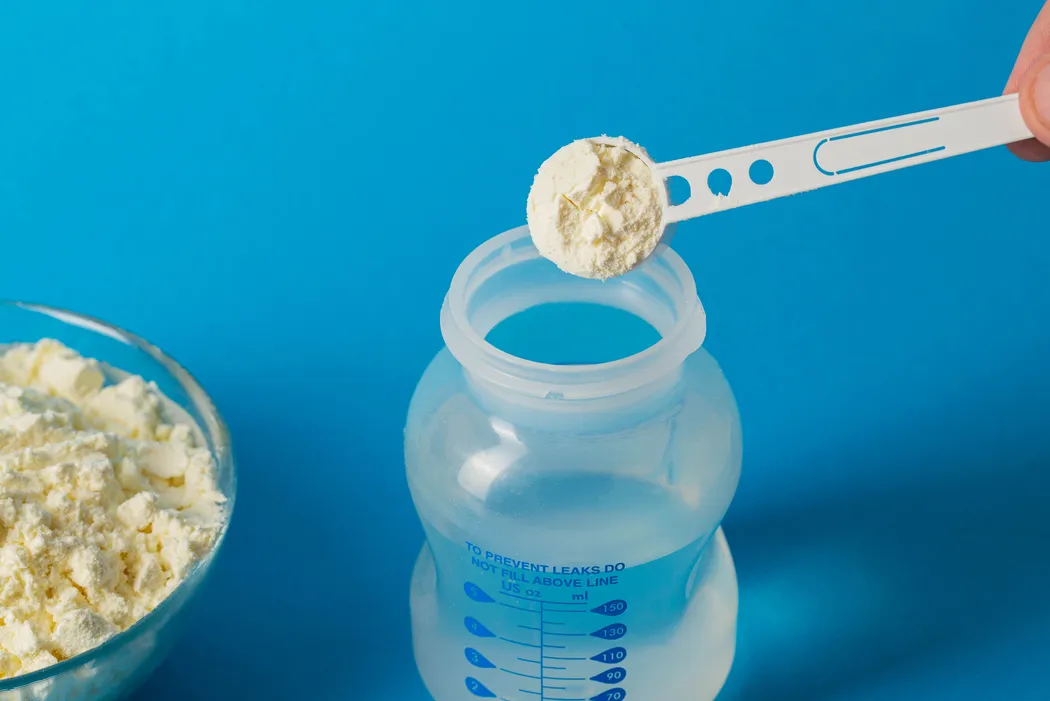
Add the exact number of scoops stated on the label for the volume of water you are using. Never add extra powder to make feeds more concentrated.
Mix gently, check the temperature on the inside of your wrist, and feed immediately.
Discard any formula left in the bottle after a feed.
Do not store made-up formula at room temperature. If you need to prepare feeds in advance, refrigerate them at below 5 degrees Celsius and use within 24 hours.
On choosing the best infant formula for babies, the single most important step is consulting your paediatrician before starting or switching any formula. For newborn care essentials beyond feeding, Apollo's resource on newborn care covers practical guidance for the early weeks.
Contraindications and Precautions
Lactogen milk powder is not appropriate for every infant. Do not use it if:
The baby has been diagnosed with galactosemia, a metabolic disorder in which the body cannot process galactose (a component of lactose).
The baby has a confirmed cow's milk protein allergy (CMPA). Lactogen is cow's milk-based and will trigger reactions in affected infants. A paediatrician will prescribe an extensively hydrolysed or amino acid-based formula instead.
The baby was born preterm or has a specific medical condition requiring specialised formula. Standard infant formula should only be used in preterm infants on the explicit advice of a neonatologist.
The baby is under six months and solids or water are being added to formula feeds. This dilutes the nutrients and poses a safety risk.
If you observe any signs of intolerance, such as persistent vomiting, blood in stools, severe rash, or difficulty breathing after a feed, stop the formula and seek medical attention immediately. Report adverse events to your healthcare provider or to the FSSAI (Food Safety and Standards Authority of India) or the Indian Pharmacopoeia Commission's Pharmacovigilance Programme of India (PvPI).
Conclusion
Lactogen milk powder is available in different infant formula stages designed for babies at different ages and stages of development. The composition, ingredients, nutritional profile, and feeding recommendations can vary between stages and product versions, so parents should check the current packaging and follow the manufacturer's preparation instructions carefully. Infant formula can provide an appropriate alternative or supplement to breast milk when needed, but no single formula is best for every baby. Factors such as age, growth, feeding tolerance, allergies, and specific nutritional needs may influence formula choice. Parents should consult a paediatrician before starting or switching formula, particularly for newborns or babies with feeding difficulties, suspected allergies, or poor weight gain.
FAQS
Is Lactogen safe for newborns?
Lactogen 1 is designed for infants from birth when breastfeeding is not possible or insufficient. It is generally considered safe for healthy, full-term newborns. Always confirm with your paediatrician before starting any infant formula, especially if your baby was born early or has a medical condition.
How many scoops of Lactogen per feed?
The number of scoops depends on the baby's age and the volume of water used. The label on each pack provides a detailed feeding guide. Always use the scoop supplied in the tin, level it off without packing, and follow the stated water-to-powder ratio exactly.
Can Lactogen cause constipation?
Some infants may experience firmer stools when transitioning from breast milk to formula. The GOS prebiotics in Lactogen are intended to help with stool softness. If constipation persists or the baby seems uncomfortable, speak to a paediatrician before changing formulas or adding anything to feeds.
What is the shelf life of Lactogen after opening?
Once opened, Lactogen milk powder should generally be used within three weeks, stored in a cool, dry place with the lid tightly closed. Always check the specific guidance printed on the pack you have purchased, as it is the most reliable reference.
When should a baby switch from Lactogen 1 to Lactogen 2?
The transition from Lactogen 1 to Lactogen 2 is recommended around six months of age, when complementary foods are introduced. Your paediatrician is the right person to confirm the timing based on your baby's growth and readiness for solids.