logo
0

Lactose-Free Milk for Babies: Amul & Other Alternatives

Learn about lactose-free options for babies, including Amul and specialised infant formulas, when they may be needed, and important safety guidance.

article image

Dr.J.T.Hema Prathima

When a baby is unsettled after every feed, parents naturally worry. If your child cries, bloats, or has loose stools regularly, you may have started researching Amul lactose free milk or other lactose-free options to see whether a feed change might help. Before making any switch, it helps to understand what lactose sensitivity actually means in infants and which products are genuinely appropriate at which ages.

What Is Lactose Sensitivity in Babies?

Lactose is the natural sugar found in all mammalian milk. To digest it, the body needs an enzyme called lactase. When lactase levels are low, undigested lactose passes into the large intestine where gut bacteria ferment it, producing gas and causing discomfort.

True primary lactose intolerance in infants under 12 months is actually rare. Most healthy newborns produce enough lactase to handle breast milk, which contains a high amount of lactose. What parents sometimes notice is secondary lactose intolerance, a temporary condition triggered by gastroenteritis or another gut illness that damages the intestinal lining and reduces lactase production for a few weeks.

It is equally important to separate lactose intolerance from cow's milk protein allergy (CMPA). These are different conditions:

  • Lactose intolerance is an enzyme deficiency causing digestive symptoms.
  • CMPA is an immune response to the proteins in cow's milk and can cause skin rashes, breathing difficulties, and severe vomiting in addition to gut symptoms.

CMPA is more common in infants than lactose intolerance and requires a different management plan, so getting the right diagnosis matters.

Signs and Symptoms to Watch For

Knowing the signs of lactose intolerance in babies helps you have a focused conversation with your doctor rather than guessing.

Common digestive symptoms after a feed that contains lactose include:

  • Bloating and a visibly distended abdomen
  • Frequent, watery, or frothy stools
  • Excessive gas and flatulence
  • Fussiness, crying, or pulling up the legs shortly after feeding

These overlap with normal infant colic, which makes diagnosis tricky. The key difference is timing and trigger. With lactose sensitivity, symptoms consistently follow feeds that contain lactose; with colic, the crying pattern is often time-of-day dependent rather than feed-dependent. A feeding and symptom diary kept for a week can be very useful to show your paediatrician.

Weight gain that is poor or stalling alongside these symptoms is a warning sign that warrants prompt medical review, not a watch-and-wait approach.

Amul Lactose Free Milk: What Parents Should Know

Lactose-free cow's milk is regular cow's milk in which the lactase enzyme has been added to pre-digest the lactose into simpler sugars (glucose and galactose). It tastes slightly sweeter than regular milk but retains the same protein, fat, calcium, and calorie profile.

Amul lactose free milk falls into this category. It is a processed dairy product intended for older children and adults who have difficulty digesting lactose. A few important points for parents:

  • Amul Lactose-Free Milk: Amul lactose-free milk is not an infant formula and does not meet the nutritional specifications required for babies under 12 months as a primary milk source.
  • Toddlers Over 1 Year: Toddlers over 1 year with doctor-confirmed lactose intolerance may use lactose-free cow's milk as part of a varied diet, but only with paediatric guidance.
  • Not a Breast Milk Replacement: Lactose-free cow's milk is not a replacement for breast milk or a medically appropriate infant formula.

If your toddler has moved past the first birthday and tolerates other foods well, Amul lactose free milk can be a convenient option to discuss with your doctor. As a practical consideration, building good newborn care habits from the start, including tracking feeds and stools, makes it easier to spot problems early. Our newborn care essentials guide covers several basics worth reading alongside this article.
 

Other Lactose-Free Alternatives for Infants

For babies under 12 months who cannot tolerate standard formula or are not being breastfed, the options below are medically recognised. None should be started without a paediatrician's recommendation.

Lactose-free infant formula

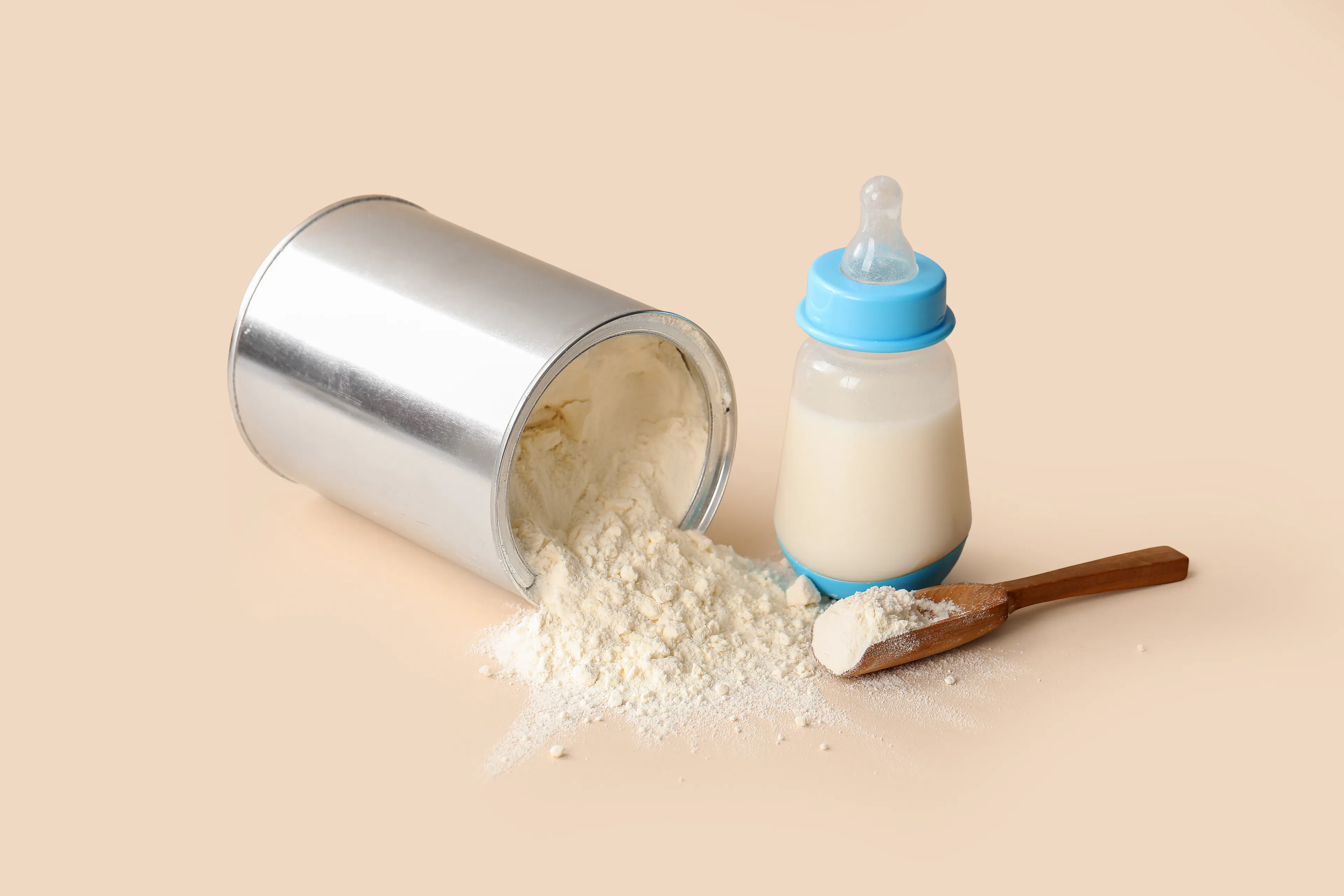
These are specially formulated products that use the same base nutrients as standard formula but replace lactose with alternative carbohydrates. They are appropriate for temporary secondary lactose intolerance (for example, after a gut infection) and are available through pharmacies and pediatric clinics. Ask your doctor about a lactose free formula for babies that is age-appropriate.

Extensively hydrolysed formula (eHF)

If cow's milk protein allergy is suspected alongside or instead of lactose intolerance, an eHF breaks cow's milk proteins into small fragments that are less likely to trigger an immune reaction. These formulas are typically prescribed by a paediatrician or allergist.

Soy-based formula

Soy formula is lactose-free and can be used in some infants, though it is not recommended for babies born preterm or those with thyroid conditions without specialist input. There are also rare concerns around phytoestrogens in soy; your doctor will weigh these for your child specifically.

Lactase enzyme drops

For breastfed babies with temporary secondary lactose intolerance, lactase drops added to expressed breast milk before feeding can help reduce symptoms while the gut heals. These are available over the counter but should still be discussed with a doctor.

The best milk for a lactose intolerant baby depends entirely on the cause, the baby's age, and overall health. There is no one-size-fits-all answer.

Contraindications and Precautions

Certain situations where lactose-free milk must not be used or requires extra care:

  • Under 12 months as sole milk source: Lactose-free cow's milk (including Amul lactose free milk) does not provide the complete nutrition a baby needs in the first year of life. Using it as a primary feed in this age group is unsafe.
  • Galactosemia: This is a rare inherited metabolic disorder in which the body cannot process galactose, one of the sugars produced when lactose is broken down. Lactose-free cow's milk still releases galactose and is contraindicated. Babies with galactosemia need a specialised galactose-free formula prescribed by a metabolic specialist.
  • Undiagnosed cow's milk protein allergy: Switching to lactose-free cow's milk will not help if the problem is an immune reaction to cow's milk protein, and may make symptoms worse.
  • Without pediatric review: Any feed change in a baby under 2 years should be discussed with a doctor first.

Report adverse events, including new or worsening symptoms after any formula or milk change, to your healthcare provider or the relevant regulatory authority.

When to Consult a Doctor?

Some symptoms need prompt attention and should not be managed at home with a feed change alone. Take your baby to a doctor promptly if you notice:

  • Blood or mucus in stools
  • Persistent vomiting (more than just posseting)
  • Significant weight loss or failure to regain birth weight
  • Signs of dehydration: a sunken fontanelle, dry mouth, fewer than six wet nappies in 24 hours
  • A skin rash, swelling, or any breathing difficulty after a feed

These can signal something more serious than lactose intolerance, including infection, CMPA, or another gastrointestinal condition. Early investigation means earlier treatment and better outcomes.

Conclusion

Lactose-free milk can be useful for children with confirmed lactose intolerance, but the right option depends on the child's age and the underlying cause of the symptoms. Amul lactose-free milk is not an infant formula and should not be used as the main milk source for babies under 12 months. Infants who require lactose-free feeding may need a specialised lactose-free formula under paediatric guidance. If your baby develops persistent digestive symptoms, poor weight gain, blood in the stools, rash, or breathing difficulties after feeds, consult a paediatrician rather than changing milk products on your own.

FAQS

Is Amul lactose free milk good for babies?

Amul lactose free milk is a dairy product for older children and adults, not a nutritionally complete infant product. It may be suitable for toddlers over 12 months as part of a balanced diet, but only after a paediatrician confirms lactose intolerance and advises accordingly.

What age can babies start lactose-free milk?

Lactose-free cow's milk as a main drink is generally only appropriate after 12 months of age. Infants under 1 year who need a lactose-free diet should use a medically appropriate lactose free formula for babies, not regular lactose-free cow's milk.

Can lactose intolerant babies drink normal milk later?

Secondary lactose intolerance, the kind triggered by a gut infection, is usually temporary. Once the intestinal lining heals, many babies tolerate normal milk again. Primary lactose intolerance tends to be lifelong, though your paediatrician can guide you on trialling reintroduction safely.

Is lactose-free milk the same as formula?

No. Lactose-free milk is regular cow's milk with the lactose pre-digested. Infant formula is a nutritionally complete product designed to meet all of a baby's needs. They serve very different purposes and are not interchangeable for babies under 12 months.

How is lactose intolerance diagnosed in infants?

A paediatrician typically starts with a detailed feed and symptom history. Further tests can include a hydrogen breath test (practical mainly in older children), stool acidity testing, or a supervised dietary elimination and reintroduction trial. Self-diagnosis is not recommended.

Apollo 247 Floating Action Button