logo
0

lower-abdomen-pain-while-pregnant-normal-vs-red-flags

Experiencing lower belly pain while pregnant? Learn normal causes like round ligament pain and gas, red flags, safe relief, and when to call your doctor.

article image

Dr.Bhanu Prakash

Lower abdomen pain while pregnant is one of the most common concerns that brings expectant mothers searching for answers at all hours. The reassuring truth is that most pregnancy-related abdominal discomfort is normal, caused by your body stretching and adapting to support a growing baby. But some types of pain do need prompt medical attention, and knowing the difference can give you genuine peace of mind.

Is Lower Abdomen Pain Normal in Pregnancy?

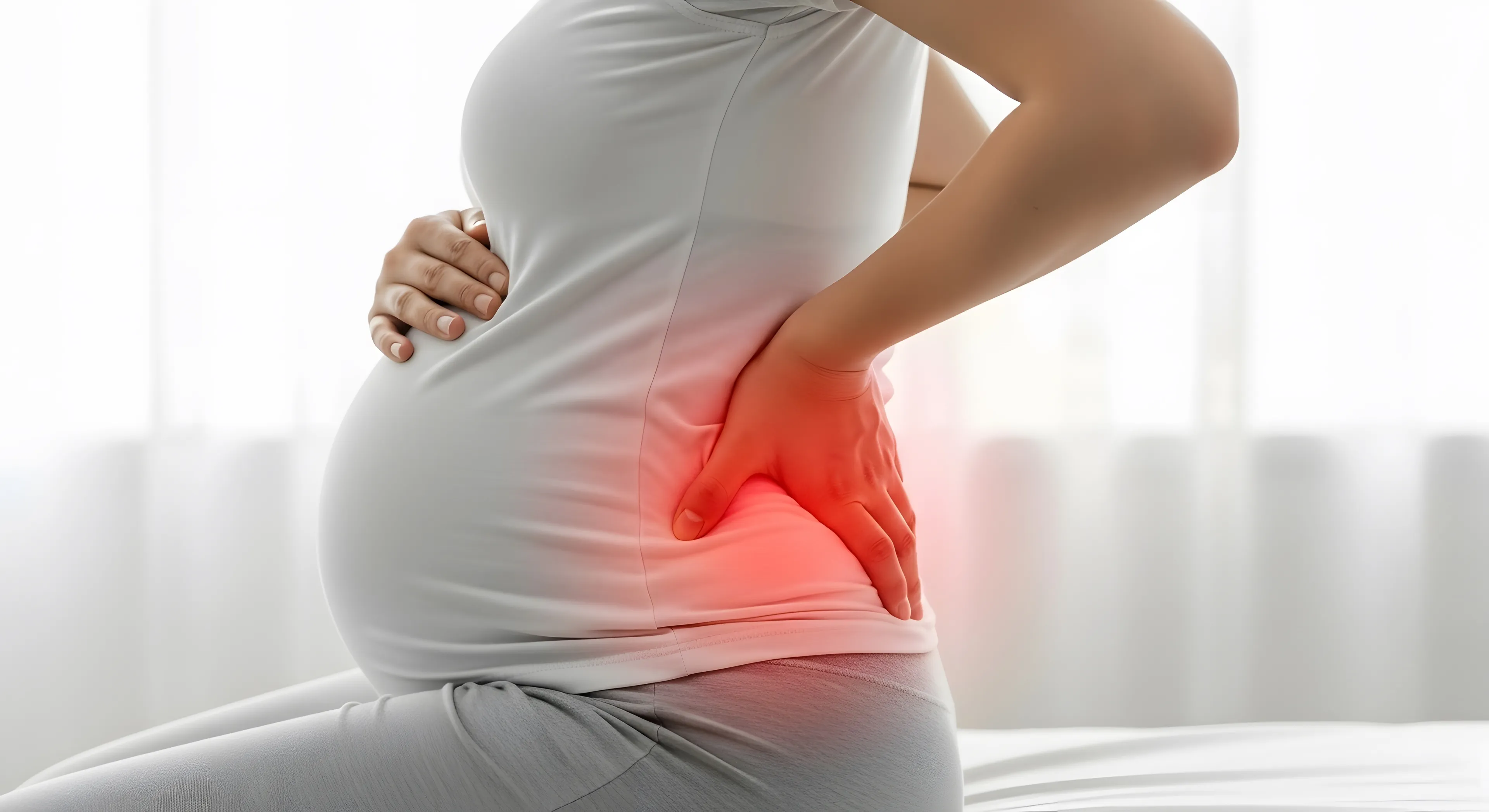
Yes, lower abdomen pain during pregnancy is very common and usually harmless. Your uterus, ligaments, and surrounding muscles are under constant physical change for nine months, and that process is rarely painless.

That said, "common" does not mean "always ignore it." The character of the pain, when it started, and what comes with it all matter. A mild, fleeting ache after standing up quickly is very different from severe cramping with bleeding. This guide helps you read those signals clearly.

Round Ligament Pain: The Most Common Cause

Round ligament pain in pregnancy is probably the most talked-about source of lower abdominal discomfort. The round ligaments are two thick cords that support the uterus on either side, running from the groin into the abdomen. As the uterus grows, these ligaments are pulled taut, like a rubber band stretched to its limit.

Most women describe it as a sharp, stabbing pain or a quick spasm on one or both sides of the lower abdomen, though the right side is often more noticeable. It typically lasts only a few seconds, then fades. Unlike warning-sign pain, it does not get progressively worse.

Common triggers include:

  • Sudden movements such as rolling over in bed or standing up quickly
  • Sneezing or coughing hard
  • Laughing
  • Getting up after sitting for a long time

Round ligament pain is most common in the second trimester, roughly between weeks 14 and 27, though some women notice it earlier. It is not harmful to you or your baby. Slowing your movements and avoiding sudden position changes usually prevents the worst spasms.

Other Normal Causes by Trimester

Abdominal cramps in early pregnancy and beyond have different explanations depending on how far along you are. Here is a trimester-by-trimester breakdown.

First trimester (weeks 1 to 12)

  • Implantation cramping: Mild, period-like twinges occurring early around weeks 3 to 4 as the fertilised blastocyst embeds into the uterine lining.
  • Early uterine expansion: Mild stretching aches around weeks 6 to 8 as blood flow surges and the muscular walls of the uterus begin expanding.
  • Gas and bloating: Rising progesterone levels relax smooth intestinal muscles and slow digestion, creating uncomfortable trapped gas and lower abdominal pressure.
  • Constipation-induced cramping: Hormonal slowdown of the digestive tract leads to firmer stools, where straining during bowel movements triggers localized lower abdominal cramping.

Second trimester (weeks 13 to 26)

  • Round ligament stretching: Sharp, brief spasms on one or both sides of the lower abdomen caused by stretching bands supporting the growing womb.
  • Organ displacement pressure: A persistent, dull ache triggered as the expanding uterus exerts mechanical pressure against neighboring abdominal organs and the pelvic floor.
  • Ongoing digestive discomfort: Slower gastrointestinal motility combined with physical pressure on the intestines causing trapped gas and constipation aches.

Third trimester (weeks 27 to 40)

  • Braxton Hicks contractions: Irregular, sporadic, and typically painless uterine tightenings that ease with a change in posture or resting; these practice tightenings are common throughout late pregnancy.
  • Pelvic girdle pressure and lightening: A heavy, aching sensation in the lower abdomen and pelvis as the baby drops lower into the birth canal in preparation for delivery.
  • Abdominal wall tension: A stretched, heavy pulling sensation as the enlarged uterus pushes upward against the ribs and stretches the abdominal muscles.

Pregnancy cramping that is normal tends to be intermittent, mild to moderate, and not paired with other symptoms. If the cramping is rhythmic, intensifying, or accompanied by any of the red flags below, treat it differently.

Warning Signs: When to Worry About Stomach Pain in Pregnancy

Some types of sharp pain in the lower stomach while pregnant, or pain paired with other symptoms, should never be dismissed. Seek immediate medical help if you notice any of the following.

  • Severe pain that is constant and does not ease with rest or a change in position.
  • Vaginal bleeding or spotting alongside cramping.
  • Fever or chills with abdominal pain.
  • Pain with burning or difficulty urinating, which may point to a urinary tract infection.
  • Dizziness, fainting, or shoulder-tip pain alongside lower abdominal pain.
  • Reduced or absent fetal movement.
  • Swelling in the face, hands, or feet combined with a headache and abdominal pain.
  • Regular contractions before 37 weeks.

Specific conditions that cause dangerous abdominal pain include:

  • Ectopic pregnancy: A fertilised egg implants outside the uterus, most often in a fallopian tube. Pain is typically severe and one-sided, and usually appears before 12 weeks. This is a medical emergency.
  • Placental abruption: The placenta separates from the uterine wall, causing sudden, severe pain usually with bleeding.
  • Preeclampsia: High blood pressure in pregnancy that can produce upper abdominal or right-sided pain under the ribs, alongside the symptoms listed above.
  • Preterm labour: Regular, rhythmic contractions with pelvic pressure before 37 weeks.

If you experience any of these, do not wait to see if things improve on their own.

Contraindications and Medicines to Avoid for Pain Relief

Do not self-medicate abdominal pain during pregnancy without speaking to your doctor first. Several common over-the-counter options are contraindicated or require careful supervision during pregnancy.

  • NSAIDs such as ibuprofen and diclofenac are generally avoided, particularly in the first and third trimesters, because they can affect fetal kidney development and may interfere with normal labour.
  • Aspirin at standard analgesic doses is not recommended in pregnancy unless a doctor has prescribed it for a specific reason.
  • Some combination analgesics contain ingredients that may be unsafe for the baby.

Even paracetamol, often considered the safer choice, should be used at the lowest effective dose for the shortest possible time, and only after your doctor confirms it is appropriate. Always consult your doctor or pharmacist before taking any pain reliever during pregnancy rather than relying on what was safe for you before conception.

Report adverse events to your healthcare provider or the relevant regulatory authority.

When to Call Your Doctor Immediately

Use the checklist below as a prompt. If even one item applies, contact your doctor or go to your nearest emergency facility without delay.

  • Pain that is severe, constant, or getting steadily worse.
  • Any vaginal bleeding, even light spotting paired with cramps.
  • Fever above 38 degrees C alongside abdominal pain.
  • Pain that makes it impossible to walk, talk, or breathe normally.
  • Fewer than 10 fetal movements in a two-hour period (in the third trimester).
  • Sudden swelling, severe headache, or visual changes with abdominal pain.
  • More than 4 contractions per hour before 37 weeks.
  • Shoulder pain or pain under the ribs without an obvious cause.

Report adverse events related to any medicine to your healthcare provider or the relevant regulatory authority.

Conclusion

Lower abdomen pain during pregnancy is very common and usually harmless, typically caused by normal physical adaptations like round ligament stretching in the second trimester, digestive gas, or mild Braxton Hicks tightenings. However, you should never ignore abdominal discomfort that is severe, constant, or paired with red-flag symptoms such as vaginal bleeding, high fever, dizziness, or reduced fetal movement, as these require immediate emergency obstetric care to rule out life-threatening conditions like an ectopic pregnancy or placental abruption. Never self-medicate with over-the-counter pain relievers such as ibuprofen or aspirin without medical supervision, and always consult your obstetrician or gynecologist for persistent or worsening pain to safeguard both maternal and fetal well-being.

FAQS

How do I know if my abdominal pain is serious during pregnancy?

Pain that is severe, constant, or accompanied by bleeding, fever, dizziness, or reduced fetal movement is a red flag and warrants immediate medical attention. Mild, brief discomfort that comes and goes without other symptoms is usually normal, but when in doubt, always call your doctor.

Can stress cause lower abdominal pain in pregnancy?

Yes, stress can trigger muscle tension and digestive disruption that lead to mild lower abdominal discomfort. However, stress alone should not cause severe or persistent pain, so if the pain is significant or worsening, have it evaluated rather than attributing it to anxiety.

Is one-sided lower abdomen pain normal in pregnancy?

One-sided pain is often round ligament pain, which is harmless, but it can also signal an ectopic pregnancy (in early weeks) or other concerns. If the pain is severe, does not pass quickly, or comes with bleeding or dizziness, seek care promptly.

How long does round ligament pain last?

Individual episodes usually last only a few seconds, though some women feel a lingering dull ache for a few minutes after. The overall phase of round ligament pain typically spans the second trimester, though it can begin earlier and occasionally continues into the third trimester.

What position relieves lower abdominal pain in pregnancy?

Lying on your left side with a pillow between your knees takes pressure off the uterine ligaments and large blood vessels and often eases mild abdominal discomfort. A warm (not hot) compress on the lower abdomen can also help with muscle tension, but check with your doctor before using heat therapy in pregnancy.

Apollo 247 Floating Action Button