logo
0

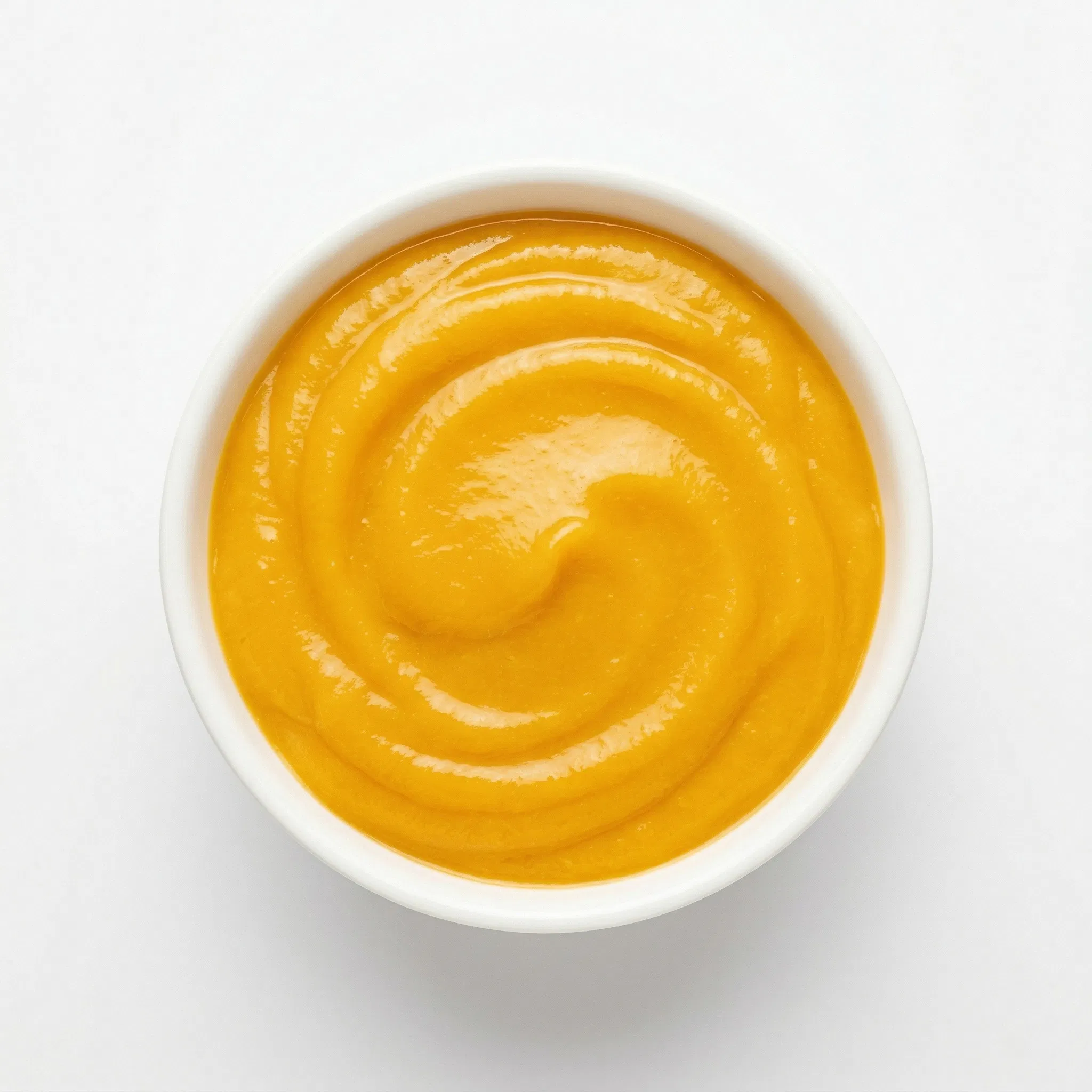
Mango Puree for Babies

Want to make mango puree for baby? Learn if it's safe for 6-month-olds, its amazing health benefits, and simple homemade recipes your little one will love.

article image

Dr. Bhanu Prakash

Introducing solid foods is one of the most exciting milestones in your baby’s first year. As you transition your little one from an exclusive diet of breast milk or formula, you want to offer foods that are not only highly nutritious but also naturally delicious. That is where a vibrant, sweet, and velvety mango puree for baby comes into play.

Many parents wonder: is mango puree good for babies? The short answer is yes! Mangoes are packed with essential vitamins, minerals, and dietary fibre, making them an excellent choice for a growing infant. Using mangoes as a primary ingredient in mango baby food introduces your infant to a wonderful world of tropical flavours. However, before you grab a blender, you might ask: Can I give mango puree to a 6-month-old baby safely?

In this comprehensive guide, we will explore everything you need to know about preparing mango puree for baby safely and easily at home. We will cover nutritional facts, step-by-step recipes, age-appropriate guidelines, and safety precautions recommended by paediatric experts.
 

The Nutritional Benefits of Mango for Infants

When you prepare a fresh batch of ripe mango puree as a baby food, you are offering your infant a nutrient-dense food. Mangoes are naturally sweet, meaning they appeal to a baby’s preference for sweet flavours without any need for added sugars or artificial sweeteners. But beyond the great taste, is mango puree good for 6 month old baby health and development?

According to nutritional science and paediatric health organisations, mangoes provide an array of essential nutrients that support rapid growth:

  • Immune System Support (Vitamin C): Mangoes are exceptionally high in vitamin C, which supports normal immune function. Vitamin C also plays a critical role in helping your baby's body absorb non-haem iron from plant-based foods like iron-fortified baby cereals or spinach.
  • Vision and Skin Health (Vitamin A): The rich orange-yellow colour of mangoes comes from beta-carotene, which the baby's body converts into vitamin A. This nutrient supports healthy vision, skin, and normal growth and development.
  • Healthy Digestion (Fibre): Mangoes contain dietary fibre, which can support normal bowel function as part of a varied diet.
  • Brain and Neurological Development (Vitamin B6 & Folate): These vitamins contribute to normal physiological functions, including those involved in growth and development during infancy.

Feeding your baby a nutrient-rich ripe mango puree baby food can help provide important nutrients as part of a varied diet during this critical first year.
 

When Can Babies Safely Eat Mango?

As parents look at their sweet little infants, timing is everything. A common question asked in paediatric clinics is: can we give mango puree to 6 months baby?
According to the World Health Organization (WHO) and the Centers for Disease Control and Prevention (CDC), infants should start complementary foods at around 6 months of age. At this stage, offering mango puree for 6 month baby meals can be appropriate, provided they show signs of readiness.

Signs of Readiness for Solid Foods:

  • Head and Neck Control: Your baby has good head and neck control and can sit upright with minimal support.
  • Interest in Food: They show curiosity about what you are eating, such as reaching for your food.
  • Reduced Tongue-Thrust Reflex: The baby's tongue-thrust reflex, which naturally pushes foreign objects out of their mouth, has diminished.
  • Ability to Swallow: They can close their lips around a spoon and swallow food instead of spitting it back out.
     

Once these signs are met, a 6 month baby mango puree can be added to their weaning menu. Many parents ask, "can 6 month baby eat mango puree?" Yes, as long as it is prepared to a very fine, smooth consistency that is easy to swallow.

But what about younger infants? Can we give mango puree to 5 month old baby? While some babies may be advised to start complementary foods before 6 months based on individual circumstances, it is generally recommended to wait until around 6 months. Always consult your paediatrician before introducing solids to a 5-month-old.

As your child transitions into older infancy, you can adjust the texture. A mango puree for 7 month baby can be slightly thicker. At this age, you can transition from a completely smooth texture to a rustic mashed mango baby food to help them practise their chewing and swallowing skills.
 

How to Choose and Prepare Mangoes for Baby Food

The secret to making the best homemade mango puree for baby lies in selecting the perfect fruit. You want a mango that is ripe, juicy, and sweet.

How to Select a Ripe Mango:

  • The Squeeze Test: Gently squeeze the mango. It should give slightly under gentle pressure, similar to a ripe avocado or peach. If it is hard, it is underripe.
  • The Sniff Test: Sniff the mango near the stem end. A ripe mango will have a sweet, fragrant, tropical aroma.
  • Colour is Secondary: Don't rely solely on colour. Red or green blushes do not always indicate ripeness; softness and aroma are much better indicators.

Once you have chosen the perfect fruit, it is time to make a batch of ripe mango puree for baby. To start, wash the mango thoroughly under cool water to remove any dirt or bacteria from the skin.

Since young babies have sensitive mouths and are still developing their swallowing skills, achieving a mango puree baby smooth texture is important. You want to make sure there are no fibrous strings or lumps. Using a high-powered blender or food processor will help you achieve a silky-smooth consistency. Creating a mango puree for baby smooth textured blend makes it easier for your child to manage.
 

Easy Recipes for Homemade Mango Baby Food

Making homemade mango baby food is quick, affordable, and rewarding because you know exactly what is going into your child’s bowl—no artificial preservatives, colours, or added sugars.
Here are three simple step-by-step recipes you can make at home.

Recipe 1: Classic homemade mango puree baby food (Single Ingredient)


This is the perfect starter recipe for infants who are just beginning their solids journey.

Ingredients:

  • 1 ripe, sweet mango (such as Kent, Tommy Atkins, or Ataulfo/Honey mango)
  • A splash of breast milk, formula, or water (optional, to thin the puree)

Instructions:

  • Wash and Peel: Wash the mango thoroughly. Peel the skin off using a vegetable peeler or a sharp knife.
  • Cut the Fruit: Cut the mango flesh away from the large, flat pit in the centre. Chop the flesh into small chunks.
  • Blend: Place the mango chunks into a blender or food processor. Blend on high speed until completely smooth.
  • Adjust Consistency: If the mixture is too thick, add a tablespoon of breast milk, formula, or warm water to achieve a runnier mango puree baby texture.
  • Strain (Optional): If the mango is particularly fibrous, press the puree through a fine-mesh sieve to remove any remaining strings.
  • Serve: Spoon a small portion into your baby's bowl.


This simple homemade mango puree baby can be stored in the refrigerator according to appropriate homemade baby-food storage guidance, or portioned into silicone ice cube trays and frozen for later use.

Recipe 2: Creamy mango banana puree for baby (Perfect Flavor Pairing)

Once your baby has successfully tried mango and banana individually without any allergic reactions, you can combine them for a delightful, creamy treat.

Ingredients:

  • 1/2 cup of ripe mango chunks
  • 1/2 of a ripe banana

Instructions:

  • Add the ripe mango chunks and the peeled banana into your blender.
  • Blend until perfectly smooth and creamy. This mango and banana puree for baby is naturally sweet and provides nutrients such as potassium and vitamin B6.
  • Serve immediately or refrigerate safely.

Recipe 3: Quick ripe mango mashed baby food (For Older Infants)


For babies around 8 months or older who are ready to transition away from smooth purees, you can prepare a textured version.


Ingredients:

  • 1/2 of a very ripe mango

Instructions:

  • Place the ripe mango flesh in a small bowl.
  • Use a fork to mash the mango thoroughly, leaving small, soft lumps.
  • This ripe mango mashed baby food, also referred to as ripe mango mash baby food, is an excellent transitional food that encourages your baby to practise managing a more textured food while still being soft.
     

Crucial Safety and Feeding Tips

As with any new food, mango puree baby feeding should be approached with care. Following safety guidelines ensures a happy, healthy culinary transition for your little one.

  • Introducing a New Food: When introducing mango for the first time, serving it on its own can make it easier to identify a possible reaction. You do not need to follow a rigid three-day rule for every new food.
  • Allergy Alert: Mango is part of the Anacardiaceae family, which also includes cashews and pistachios. Additionally, mango skin contains a natural organic compound called urushiol, which is also found in poison ivy. While actual mango fruit allergies are rare, contact with the skin can sometimes cause a mild skin rash around your baby's mouth. Always peel the mango completely and wash your hands and your baby’s face after eating.
  • Choking Prevention: Never give your infant raw, firm chunks of mango. If you are not serving a smooth puree, ensure the fruit is fully mashed or cut into very thin, soft, graspable strips for baby-led weaning once your baby is developmentally ready.
  • Portion Sizes: Start small. For their first taste, offer just one or two teaspoons of mango puree baby food. As your baby gets used to the flavour and texture, you can increase the amount according to their appetite and feeding stage.
     

FAQS

Can I freeze homemade mango puree?

Yes, you can freeze homemade mango puree. Pour the freshly blended puree into clean silicone ice cube trays and freeze until solid. Once frozen, transfer the cubes into a freezer-safe, airtight bag and label the bag with the date. Thaw individual cubes safely in the refrigerator before serving.

Can mango puree cause diaper rash?

Mangoes contain natural fruit acids and vitamin C. In some babies, contact with acidic fruits can cause mild skin irritation around the mouth or nappy area. If you notice persistent or significant redness, stop offering the food and speak with your paediatrician.

Do I need to steam or cook the mango before blending?

No, you do not need to cook ripe mangoes. Unlike harder fruits such as apples or pears, ripe mangoes are naturally soft enough to be blended raw.

What are some good food combinations for mango puree?

Mango pairs well with many other baby foods. You can mix it with oatmeal, Greek yoghurt, avocado, pear, apple, or sweet potato, provided your baby has already been introduced to those foods and can safely manage the resulting texture.

Can I use frozen mango chunks to make baby food?

Yes. Frozen mango can be a convenient option, especially when fresh mangoes are out of season. Ensure the package contains 100% mango with no added sugars or preservatives. Thaw the frozen chunks completely before blending.

Apollo 247 Floating Action Button