What Is Milk Powder and Who Is It For?
Milk powder is produced by evaporating liquid milk until it turns completely dry. This process extends shelf life, eliminates the need for refrigeration until reconstituted, and reduces transportation volume. However, the term covers two distinct product categories that must never be confused: regular dairy milk powder and infant formula milk powder.
Regular dairy powder is processed as skimmed, partially skimmed, or full cream milk powder. These products are meant for adults, older children, baking, tea, coffee, and everyday kitchen use. They retain the natural protein, lactose, and mineral ratios found in animal milk, which makes them unsuitable as a primary nutritional source for babies. A full cream milk powder delivers rich fats and high dairy solids ideal for culinary needs, but its dense mineral load can overwork a baby's developing system.
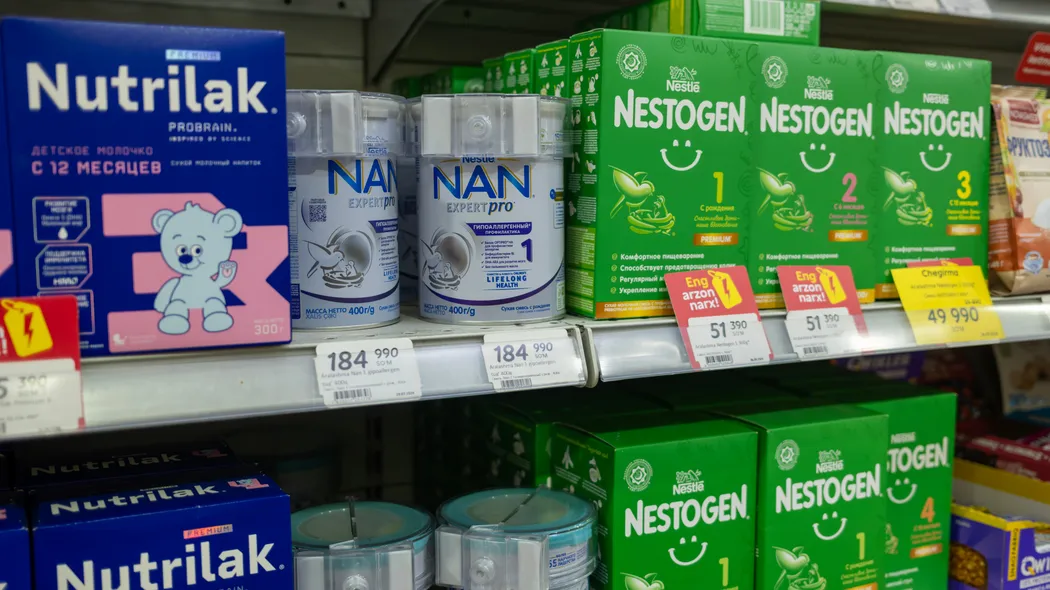
Infant formula is a modified, scientifically designed substitute tailored to mimic human breast milk as closely as possible. Because raw cow milk contains protein levels that are too high for an infant's immature kidneys to process, formula manufacturers adjust the whey-to-casein ratio, replace animal fats with vegetable oil blends, and fortify the powder with iron, vitamins, choline, and fatty acids like DHA and ARA.
While breast milk remains the optimal source of nutrition for babies during the first six months and beyond, infant formula serves as a medically safe alternative when breastfeeding is not possible, insufficient, or medically contraindicated. As parents explore newborn care essentials for new parents, knowing the boundary between standard dairy milk and infant formula is one of the most critical feeding safety rules.