logo
0

Millets for Babies: Which Millet is Good for Babies?

Learn which millet is good for babies, the benefits of millet baby food, safe ways to introduce millets, and an easy homemade millet porridge recipe.

article image

Dr. Ezhilrasan

Introducing solid foods to your infant is one of the most exciting milestones of early parenthood. Around six months of age, your baby starts showing signs of readiness—sitting up with support, showing curiosity about what is on your plate, and losing the tongue-thrust reflex. As a parent, this milestone also brings a lot of questions. You want to offer foods that are nutrient-dense, easy to digest and gentle on a delicate digestive system. If you are standing in the grocery aisle wondering which millet is good for babies, you are asking the perfect question.

For decades, white rice cereal was the default first food recommended to parents. However, modern paediatric nutrition is shifting back towards wholesome, nutrient-rich ancient grains. If you have wondered, " Can I give millet to my baby, or is millet good for babies 6 months of age, you will be glad to know that millets are among the best choices you can make. But before you introduce this nutritional powerhouse, it is essential to understand whether millet is good for babies, how it supports infant growth and how to safely prepare it. This guide will walk you through everything you need to know about preparing millet baby food that is safe, delicious, and packed with vital nutrients.

Why Are Millets a Superfood for Growing Infants?

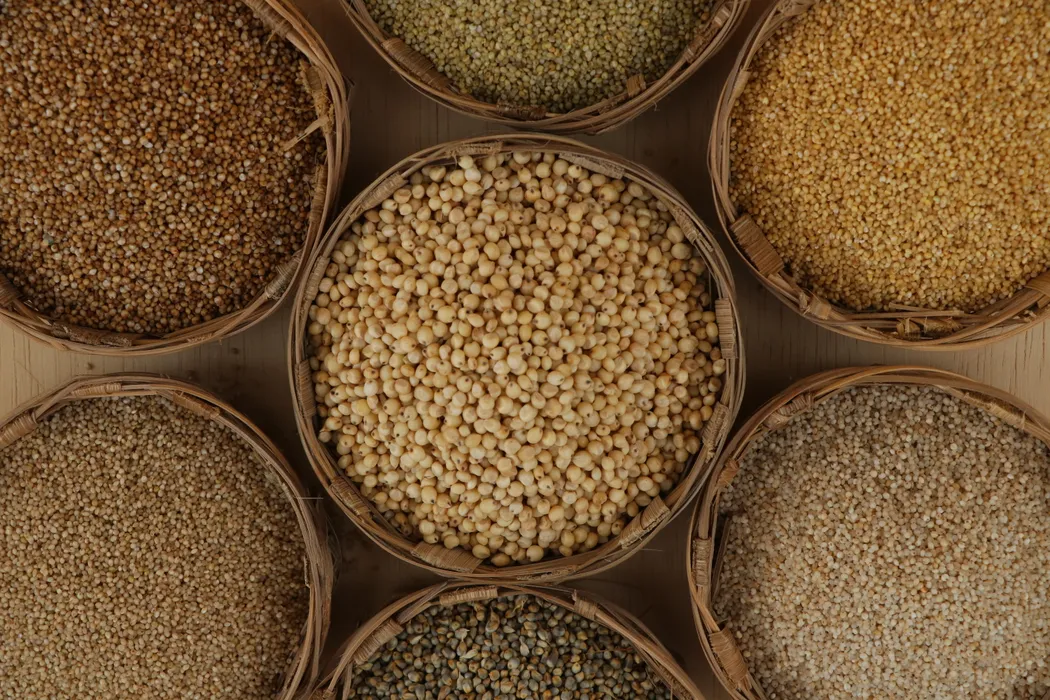
Before diving into which millet is good for babies, let's look at why these ancient grains are so highly recommended by nutritionists and paediatricians. Millets are small-seeded, gluten-free grasses that have been cultivated for thousands of years. Unlike refined grains, millets are minimally processed, which means they retain their nutrient-rich outer layers—the bran and germ. Here’s what makes a millet good for babies:
 

  • Easily Digestible: Because they are naturally gluten-free, millets do not cause the digestive distress or bloating often associated with wheat or other gluten-heavy grains.
    Exceptional Mineral Density: Millets are loaded with iron, calcium, magnesium, phosphorus and zinc. Iron is especially critical around six months of age when your baby's natural iron stores begin to deplete.
    Protein Powerhouse: Millets provide essential amino acids that support cell growth, muscle development and overall physical milestones.
    Rich in Dietary Fibre: The soluble and insoluble fibre in millets baby food helps regulate bowel movements and prevents infant constipation, a common issue when starting solid foods.
    When you prepare a bowl of baby food millet, you are giving your child a clean source of complex carbohydrates. This ensures they have a steady release of energy throughout the day, supporting their rapid brain development and physical growth.

Which Millet is Good for Babies? The Top Varieties

If you are browsing the grain aisle, you might feel overwhelmed by the different varieties available. You might ask yourself, which millets are good for babies, and can they all be prepared the same way? Let's break down the best types of millets to introduce to your growing infant.

  1. Finger Millet (Ragi / Mandua)

    If you ask paediatric nutrition experts which millet is good for babies as a first food, finger millet, widely known as ragi, is almost always the top choice. Ragi is famous for its calcium content, containing up to ten times more calcium than wheat or rice. It is also packed with natural iron and dietary fibre. A smooth ragi millet porridge that a baby can safely enjoy is an excellent, iron-rich alternative to processed commercial cereals.
     
  2. Foxtail Millet (Kangni)

    Another excellent option is foxtail millet. But is foxtail millet good for babies who are just starting on solids? Yes, it is. Foxtail millet is rich in complex carbohydrates and B-complex vitamins, which are crucial for brain development and energy metabolism. Preparing a smooth foxtail millet porridge baby will easily swallow helps keep them full and satisfied, promoting healthy sleep patterns and steady growth.
     
  3. Barnyard Millet (Sanwa)

    If you are researching, is barnyard millet good for babies, the answer is highly reassuring. Barnyard millet is incredibly easy to digest and has a low glycaemic index. It is rich in phosphorus and calcium, which work together to support skeletal development. It is an excellent grain for building a robust immune system in young infants.
     
  4. Little Millet (Kutki)

    Do not let the name fool you, little millet packs a giant nutritional punch. It is rich in magnesium, which supports muscle health, and is loaded with plant-based antioxidants. Serving a bowl of little millet porridge baby can enjoy happily is a fantastic way to introduce diverse flavours and textures to their developing palate.

Exploring Pseudocereals: Is Amaranth Good for Babies?

While exploring ancient grains, you are likely to come across amaranth. Technically a pseudocereal rather than a true millet, amaranth is often grouped with millets due to its similar cooking profile and incredible nutritional density.

So, is amaranth good for babies? It certainly is. Amaranth is one of the few plant foods that contains a complete protein profile, including the essential amino acid lysine, which is crucial for muscle repair and tissue growth. Introducing amaranth baby food to your little one provides them with vital folate, iron and calcium. Feeding your child a warm amaranth porridge baby will enjoy is a wonderful way to expand their culinary horizons while delivering a massive dose of daily nutrition.

How to Safely Introduce Millet Baby Food?

When introducing millet food for baby consumption, safety, preparation and timing are key.

  • The Ideal Age: The American Academy of Pediatrics (AAP) and the World Health Organization (WHO) recommend starting solid foods around six months of age. This makes the question of is millet good for babies 6 months old highly relevant. At this stage, their digestive systems are mature enough to handle complex starches.
  • Start with a Single Grain: When you begin, do not mix different grains together. Introduce one type of millet first, such as ragi, to see how your baby tolerates it.
  • The Three-Day Rule: Whenever you introduce a new baby millet food to your infant's diet, wait three days before introducing another new ingredient. This helps you easily identify if a specific food causes an allergic reaction or digestive upset.
  • Sourcing High-Quality Grains: Always purchase organic, whole-grain millets. While you can find convenient commercial options like millet house baby food mixes on grocery shelves, making your own homemade millet baby cereal ensures there are no hidden preservatives, sugars or artificial additives.

Step-by-Step Homemade Millet Baby Food Recipe

Preparing fresh, homemade infant cereal is easier than you think. This basic millet recipe for baby is highly versatile and can be adapted using finger millet, foxtail millet or barnyard millet. Here is a simple, nutritious millet baby food recipe to help you get started.

Easy Homemade Millet Porridge Recipe

Ingredients:

  • 2 tablespoons of organic whole millet grains (or pre-milled organic millet flour)
  • 1 cup of clean, filtered water
  • A splash of breast milk, infant formula or warm water (to adjust consistency)

Instructions:

  1. Wash and Clean: Thoroughly rinse the millet grains under running water using a fine-mesh strainer to remove any dust or debris.
  2. Soak (Highly Recommended): Soak the millet in water for 4 to 8 hours. Soaking breaks down the phytic acid, making the nutrients more bioavailable and the grain much easier on your baby's tummy.
  3. Dry and Roast: Drain the water and spread the soaked millet on a clean kitchen towel to dry completely. Once dry, lightly dry-roast the grains in a clean pan on low heat for 3 to 5 minutes until they give off a pleasant, nutty aroma. Let them cool completely.
  4. Grind to Powder: Transfer the cooled grains to a clean, dry blender and grind them into a super-fine powder. Sift the powder to remove any large particles. Store this homemade baby food millet powder in an airtight glass jar.
  5. Cook the Porridge: To prepare a single serving, whisk 2 tablespoons of the homemade millet powder into 1 cup of cold water in a small saucepan. Make sure there are no lumps.
  6. Simmer: Cook the mixture over medium-low heat, stirring constantly to prevent clumping. Let it simmer for 8 to 10 minutes until the mixture thickens and the starch is completely cooked.
  7. Adjust and Serve: Remove from heat and let it cool. Stir in a splash of breast milk or formula to achieve a smooth, runny consistency suitable for your baby's current eating stage.

Conclusion

Millets can be a nutritious addition to a baby’s complementary diet when introduced at the appropriate age and prepared in a soft, smooth, and easily manageable texture. Different millets provide nutrients such as iron, protein, fibre, and minerals, making them useful for adding variety to your baby’s meals. However, no single millet provides all the nutrients a growing baby needs, so it is important to offer a diverse diet. By introducing millets gradually and choosing age-appropriate preparations, parents can safely include them as part of a balanced and nutritious feeding routine.

FAQs

Which millet is good for babies who are constipated?

If your baby is struggling with constipation, finger millet (ragi) and barnyard millet are highly recommended. They are exceptionally rich in soluble dietary fibre, which helps soften stools and regulates digestion naturally. Always ensure your baby is getting enough fluids, such as breast milk or formula, alongside fibre-rich foods.

Can I give millet to my baby every day?

Yes, you can give millet to your baby daily, but moderation and variety are key. It is best to rotate millets with other healthy options like puréed vegetables, fruits and other infant grains to ensure your baby receives a wide, balanced spectrum of daily nutrients.

Is foxtail millet good for babies with reflux?

Yes, foxtail millet is generally very easy to digest and gentle on the stomach lining, making it a good choice for babies prone to acid reflux. Cooking it thoroughly into a very smooth, easily swallowable consistency helps prevent any oesophageal irritation.

Is amaranth good for babies as a first food?

Yes, amaranth is an outstanding early food due to its high protein and iron content. However, because it has tiny seeds, it must be cooked thoroughly and blended into a super-smooth purée to prevent any choking hazards.

How long does homemade millet baby food powder last?

When stored in a clean, airtight glass container in a cool, dry pantry, homemade millet powder will stay fresh for up to 4 weeks. For longer storage, you can keep the airtight container in the freezer for up to 3 months.

Apollo 247 Floating Action Button