logo
0

Moong Dal for Babies

Learn how to make nutritious yellow moong dal purée baby food. Discover recipes, digestion benefits and feeding tips for your 6-month-old baby.

article image

Dr.J.T.Hema Prathima

Introducing your baby to solid foods is a thrilling milestone in your parenting journey. As your little one reaches around six months of age, their nutritional needs expand, requiring foods that are rich in essential vitamins and minerals but gentle on their developing digestive system. If you are wondering what first food to offer, a simple, homemade moong dal purée baby recipe is one of the most widely recommended choices.

This guide will explain why moong dal is good for babies, offer step-by-step preparation instructions and share versatile recipes like khichdi and porridge to keep your baby healthy, happy and satisfied.

Why Is Moong Dal an Ideal First Food for Infants?

When starting solids, paediatric organisations like the World Health Organization (WHO) and the Centers for Disease Control and Prevention (CDC) emphasise the importance of introducing nutrient-dense, easily digestible foods. Yellow split mung beans (moong dal) fit this description perfectly.

Nutritional Value of Yellow Moong Dal

Nutritional science shows that moong dal is good for babies because of its high bioavailability of nutrients. A single serving of yellow moong dal baby food provides:

  • High-Quality Plant Protein: Essential for your baby's rapid growth, cellular repair and muscle development.
  • Dietary Fibre: Promotes healthy gut motility and helps prevent infant constipation.
  • Iron: Crucial for brain development and preventing iron-deficiency anaemia, which becomes a focus around six months of age when maternal iron stores begin to deplete.
  • Folate (Vitamin B9): Supports healthy cell division and brain development.
  • Potassium and Magnesium: Vital minerals that regulate muscle function and maintain a healthy nervous system.

Gentle on Tiny Tummies

One of the biggest concerns for parents introducing solids is gas and indigestion. Unlike heavier lentils, yellow moong dal is dehusked (the outer skin is removed). This makes it highly digestible and much less likely to cause flatulence, making a yellow dal purée baby meal an ideal stepping stone before moving on to whole grains and complex legumes.

When Can You Introduce Moong Dal to Your Baby?

According to the American Academy of Pediatrics (AAP), babies should be exclusively breastfed or formula-fed for about the first six months. Around this time, you can begin introducing solid foods.

For many infants, a moong dal purée for a 6-month-old baby serves as an excellent introduction. It has a mild, earthy taste that blends well with breast milk or formula, helping your baby transition smoothly from a liquid diet to solids. Keeping this foundational 6-month baby moong dal recipe in your rotation ensures your little one gets plenty of plant-based protein early on.

How to Prepare the Perfect Moong Dal Purée Baby Recipe?

Learning how to make moong dal purée for baby meals is incredibly simple and requires very little kitchen equipment. Follow this step-by-step guide to prepare a clean, allergen-safe and highly nutritious moong dal purée baby food at home.

Ingredients

  • 2 tablespoons of high-quality yellow split moong dal
  • 1 cup of filtered water (for boiling)
  • A pinch of turmeric (optional, for its anti-inflammatory properties)
  • Breast milk or infant formula (optional, to adjust consistency)

Step-by-Step Instructions

  1. Wash and Rinse: Thoroughly rinse the yellow split dal under running water 3 to 4 times until the water runs clear. This removes any surface dust or debris.
  2. Soak for Digestibility: Soak the washed dal in clean water for 20 to 30 minutes. Soaking breaks down complex starches and phytic acid, making it easier for your baby’s tummy to absorb minerals.
  3. Cook Until Tender: Drain the soaking water. Place the soaked dal in a small saucepan or pressure cooker with one cup of fresh filtered water and a tiny pinch of turmeric. Cook until the dal is completely soft and can easily be mashed between two fingers.
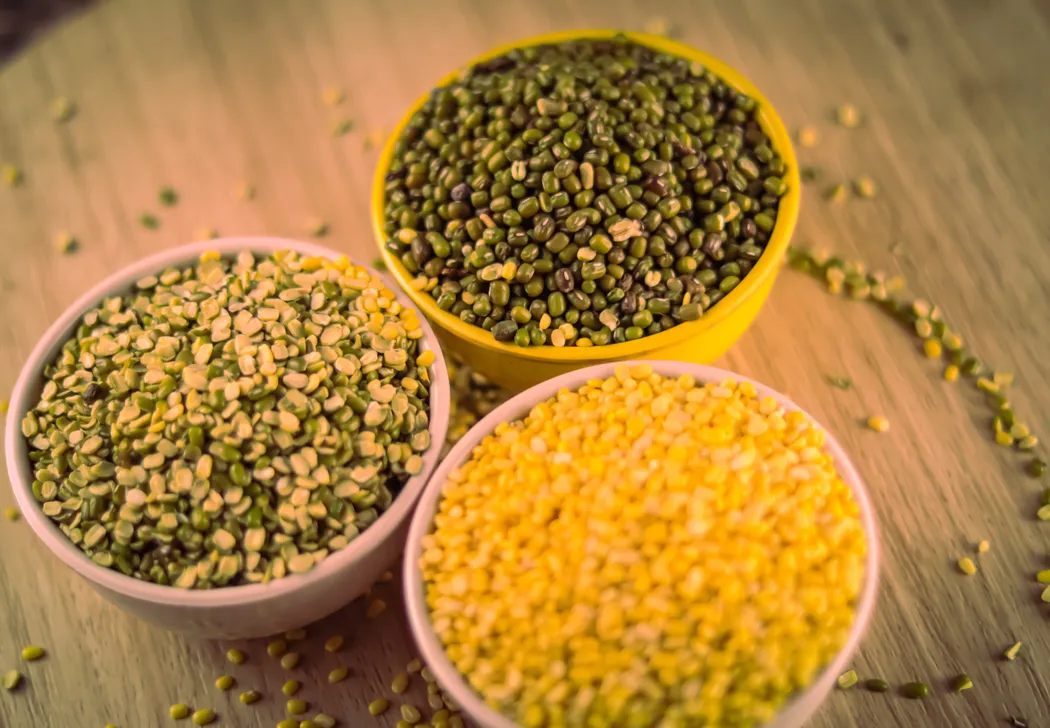
  4. Blend to Perfect Smoothness: Transfer the cooked dal to a sterilised blender. Blend the mixture thoroughly until you achieve a moong dal purée baby smooth texture. Ensure there are no lumps left behind.
  5. Adjust the Consistency: If the paste is too thick, stir in a little breast milk, formula or warm water to create a creamy, runnier moong dal baby purée smooth consistency.

Let the dal purée baby mixture cool to room temperature before feeding. Always test the temperature on your wrist first.

Moong Dal Purée Nutrition Check

Nutritional BenefitDetails
Plant ProteinHigh plant protein
IronBioavailable iron
FibreSoluble dietary fibre
Vitamin B9Folate
DigestibilityGentle on baby's gut
TextureEasy to swallow and digest

Expanding the Menu: Delicious Moong Dal Recipes for Your Baby

Once your baby has accepted a basic dal purée for baby food, you can begin combining it with other ingredients to introduce new flavours, textures and nutrients. Here are some of the best ways to incorporate this superfood into your baby’s weekly diet.

1. Moong Dal and Rice Combinations (Porridges & Khichdi)

Rice and lentils together create a complete amino acid profile, offering a stellar source of protein for vegetarian infants.

  • Moong Dal Rice Purée Baby Bowl: For babies aged 6 to 7 months, cook equal parts rice and yellow dal together with a pinch of turmeric. Blend the mixture with warm water to create a velvety moong dal rice purée baby meal.
  • Moong Dal Rice Porridge Baby Blend: Cook 1 tablespoon of rice and 1 tablespoon of yellow split moong dal in 1.5 cups of water until mushy. Blend to prepare a comforting yellow moong dal rice porridge baby loves. This rice moong dal porridge baby option is perfect for filling up tiny tummies before bedtime.
  • Traditional Moong Dal Khichdi Baby Food: As your baby approaches 7 to 8 months, they can handle thicker textures. This traditional Indian comfort food, moong dal khichdi baby food, is highly nourishing. To prepare it, pressure-cook rice and dal with a tiny drop of homemade ghee. Ensure the texture of the moong dal khichdi baby food is soft and easy to swallow.
  • Soft Moong Dal Khichdi Baby Food (Chunky Version): For older infants practising chewing, serve a warm plate of soft moong dal khichdi baby food or moong dal khichdi soft baby food gently mashed with a fork rather than blended. If they still struggle with lumps, you can easily blend it into a smooth moong dal khichdi baby purée.

2. Transitioning to Mashes and Finger Foods (7+ Months)

  • Mashed Moong Dal Baby Food: Once your infant is comfortable with purées, skip the blender. Simply mash the cooked dal with a spoon to make mashed moong dal baby food. This transitions them towards table foods.
  • Moong Dal Soup Baby Food: Thin out the cooked dal with a little extra vegetable broth or warm water to create a light, sip-friendly moong dal soup baby food or moong dal water baby food. It is a great way to keep your little one hydrated.
  • Moong Dal Chilla Recipe for Baby: For babies aged 8 to 9 months who are exploring self-feeding, try a moong dal chilla recipe for baby. Soak yellow dal overnight, blend it into a smooth paste with a pinch of cumin powder and pan-fry small, soft pancakes using a touch of ghee. This makes an excellent, soft finger food.

Practical Tips for Preparing and Storing Baby Food

Making homemade dal recipe for baby meals is highly rewarding, but safety should always come first. Keep these food safety and preparation tips in mind:

  • Prioritise Hygiene: Always wash your hands thoroughly with soap and water before preparing infant meals. Ensure all utensils, blenders and bowls are sterilised.
  • The "Three-Day Rule": When introducing any new moong dal baby food or recipe, offer it for three consecutive days without introducing other new foods. This allows you to monitor your baby for any potential allergic reactions or digestive sensitivities.
  • Never Add Salt or Sugar: An infant's kidneys are too immature to process added sodium, and sugar can encourage a preference for overly sweet foods. Keep your yellow moong dal baby purée completely natural. You can add flavour safely using mild spices like cumin powder, cinnamon or a pinch of turmeric.
  • Storage Guidelines: Freshly prepared dal purée baby food can be stored in an airtight, BPA-free container in the refrigerator for up to 24 hours. If you want to prep in advance, freeze the purée in sterile silicone ice cube trays. Frozen dal purée cubes remain safe to eat for up to one month. Thaw them in the refrigerator overnight and reheat thoroughly before serving.

Conclusion

Starting solids is a beautiful phase of your baby's development. Offering a homemade moong dal purée baby meal is a gentle, nutrient-rich and traditional way to nurture your child's growth. Whether you serve a classic yellow moong dal purée baby blend, a warm bowl of moong dal porridge baby food or a soft savoury khichdi, you can rest easy knowing you are giving your baby a wholesome foundation for a lifetime of healthy eating.

FAQs

Can I give moong dal daily to my baby?

Yes, you can! Many parents ask, can I give moong dal daily to my baby? Moong dal is gentle enough to be consumed daily. It provides a reliable source of protein, iron and fibre. However, to ensure your baby gets a wide spectrum of nutrients, it is best to rotate moong dal with other single-ingredient purées, such as sweet potato, peas, apple and pear.

Is yellow moong dal better than green moong dal for babies?

Yes, yellow moong dal baby food is generally preferred over green moong dal for young infants. Yellow moong dal has had its tough, fibrous outer skin removed. This makes it far easier to cook into a moong dal baby food purée and much gentler on your baby's developing digestive tract, minimising the risk of gas and bloating.

What is the difference between moong dal water and moong dal purée?

Historically, paediatricians recommended starting with moong dal water baby food (the liquid strained from boiled lentils). However, modern paediatric guidelines, including those from the CDC, suggest starting directly with purées or a dal purée for a 6-month-old baby. Straining out the solids removes almost all of the valuable fibre, protein and iron. Serving a moong dal cooked soft baby food or a puréed mash ensures your baby gets the full nutritional benefit of the legume.

Can I buy store-bought instant moong dal mixes?

If you are short on time or travelling, high-quality commercial options like Easum rice and moong dal baby cereal can be very convenient. Always read the packaging carefully to ensure there are no added sugars, preservatives or high levels of sodium. Homemade options remain the gold standard because you have absolute control over the freshness and quality of the ingredients.

My baby is ready for textured foods. How should I adjust the dal?

As your baby transitions to the next stage of eating (usually around 7 to 8 months), you should gradually move away from a moong dal baby purée. You can start serving a moong dal rice mash baby food, dal mash baby food or mashed dal baby food. Simply cooking the dal and rice until very soft and crushing it with a potato masher or fork will provide a safe, textured meal that encourages your baby to practise their chewing motions.

Apollo 247 Floating Action Button