logo
0

Mucus Plug in Pregnancy: Signs, Meaning & What to Do

Learn what the mucus plug is, what it looks like when lost, how it differs from a bloody show, and when mucus plug loss may signal labour.

article image

Dr.Mayank

The mucus plug is one of those pregnancy milestones that can feel alarming the first time you notice it, yet it is a completely natural part of how your body prepares for birth. Knowing what the mucus plug is, what losing it looks like, and what losing mucus plug signs of labour actually mean can help you stay calm and know exactly when a call to your doctor is warranted.

What Is the Mucus Plug?

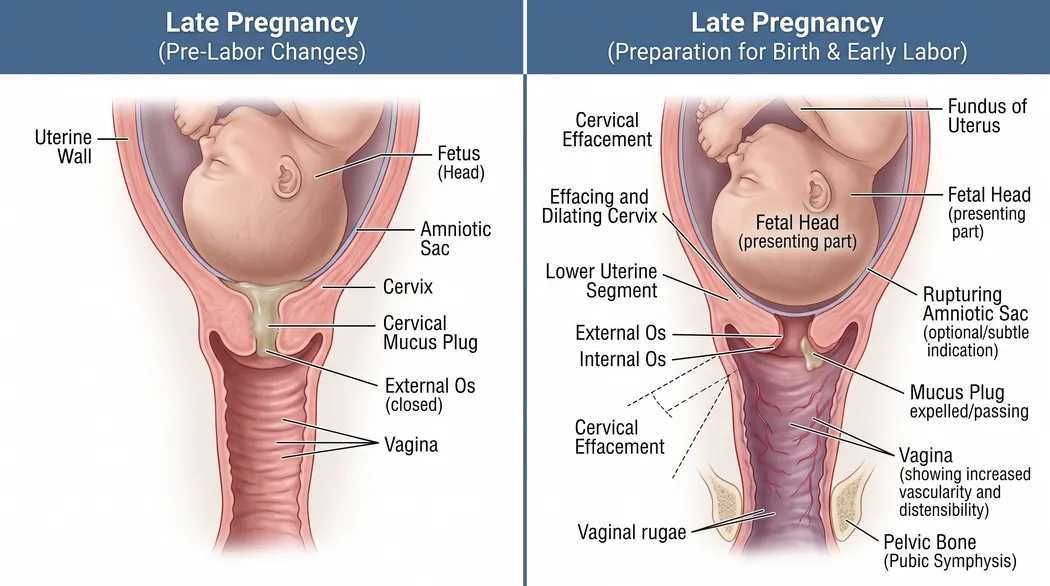
Throughout pregnancy, your cervix produces a thick collection of mucus that acts as a physical seal between the uterine cavity and the outside world. This seal is the mucus plug. It forms early in the first trimester, shortly after conception, and stays in place until your cervix begins to soften and dilate toward the end of pregnancy.

Its job is protective. The mucus has antimicrobial properties that help shield your baby and the amniotic sac from bacteria and other pathogens that could travel upward from the vaginal canal. Think of it as a biological cork.

As the cervix ripens in late pregnancy, this seal loosens and eventually comes out, most often in the third trimester as your body edges closer to labour.

What Does Losing the Mucus Plug Look Like?

The appearance varies more than most people expect, which is part of why it catches people off guard.

In terms of texture and volume, it tends to be thick and gelatinous, similar to a large glob of nasal mucus or jelly. Some women pass it as a single noticeable clump; others lose it gradually in smaller pieces over several days and may not realise it has happened at all.

Mucus plug colour meaning at a glance:

  • Clear or white: the most common presentation, nothing concerning
  • Slightly yellow or off-white: still normal, simply reflects natural cervical mucus composition.
  • Pink-tinged or lightly blood-streaked: common and expected as small cervical capillaries break when the plug dislodges
  • Brown-tinged: usually dried old blood from minor cervical changes, generally not alarming at full term

Colour becomes a concern when the discharge is bright red in significant quantity, green, foul-smelling, or resembles heavy bleeding. Those situations require prompt medical attention.

Some women never consciously notice losing their mucus plug, especially if it happens during a shower or blends with normal vaginal discharge.

Mucus Plug vs Bloody Show: How to Tell the Difference?

Bloody show vs mucus plug is one of the most searched questions in late pregnancy, and for good reason: the two are related but not the same thing.

The mucus plug is the physical plug itself. Bloody show is a mucousy, blood-tinged discharge that occurs as the cervix dilates and small blood vessels rupture. It can happen at the same time as the plug is lost, or it can appear hours to days afterwards.

A quick comparison:

Feature

Mucus Plug

Bloody Show

Consistency

Thick, gelatinous

Thinner, more fluid

Color

Clear to pink-streaked

Pink to red-tinged

Blood present

Sometimes, lightly

By definition, yes

Timing

Can precede bloody show

Often follows plug loss

The key question most patients ask is how much blood is too much. A light pink or brown streak mixed with mucus is expected. Bright red blood that soaks a pad, or anything resembling a period, is not normal and should be evaluated immediately regardless of gestational age.

How Soon After Losing the Mucus Plug Does Labour Start?

This is the question almost every expectant parent asks, and the honest answer is: it varies enormously.

For some women, labour begins within hours of losing the mucus plug. For others, it does not start for two to three weeks. In some cases, especially earlier in the third trimester, it can be longer still. Mucus plug loss on its own signals that your cervix is changing, but it is not a reliable predictor of exactly when labour will begin.

A few points worth knowing:

  • First-time mothers tend to have a longer gap between losing the plug and active labour.
  • The plug can regenerate if lost very early, so losing it at 34 weeks does not necessarily mean delivery is imminent.
  • Losing it at or after 37 weeks alongside other signs such as regular contractions or your water breaking carries more significance.

If you are wondering about the mucus plug and how many days before labour, most full-term women who notice the plug go into labour within roughly one to two weeks, but this is not a rule. Do not use this window to delay seeking care when other warning signs are present.

When to Contact Your Doctor?

Losing the mucus plug after 37 weeks without other symptoms generally does not require an emergency call, but do mention it at your next appointment or ring your provider's triage line.

Contact your doctor or go to the hospital promptly if:

  • You are less than 37 weeks pregnant and notice any mucousy discharge or plug loss, as this can signal preterm labour.
  • There is bright red bleeding or bleeding heavier than a light period.
  • The discharge has a foul or unusual odour, which can indicate infection.
  • You see green or brown fluid, which may suggest amniotic fluid leakage or meconium.
  • You have regular painful contractions alongside the discharge.
  • Your baby's movements feel reduced.

Early loss, particularly before 36 weeks, should always prompt a call to your obstetrician or midwife the same day.

Contraindications and Precautions

Self-monitoring has real limits. Observing your discharge can help you recognise changes, but it cannot replace a clinical assessment.

Do not attempt to self-treat any symptom associated with mucus plug loss. This means avoiding inserting anything into the vagina, using unprescribed herbal preparations, or trying home remedies intended to speed or slow labour. None of these is safe without direct medical guidance.

If any medication is prescribed in connection with preterm labour symptoms or infection, take it exactly as directed and do not adjust the dose without speaking to your provider first. Report adverse events to your healthcare provider or the relevant regulatory authority.

Cervical checks, fetal monitoring, and any decisions about induction or intervention must be made by a qualified clinician, not on the basis of home observation alone.

Planning for what comes after delivery is just as important. Reading up on newborn care after delivery can help you feel more prepared once your baby arrives.

Conclusion

Losing the mucus plug is a common change during late pregnancy and may happen before labour or during early labour. It can appear as clear, white, pink or slightly blood-stained, jelly-like mucus and may come away in one piece or several smaller pieces. However, losing the mucus plug alone cannot predict exactly when labour will begin.

If you are less than 37 weeks pregnant and notice possible signs of labour, or if you have vaginal bleeding, regular contractions, leaking or coloured fluid, or reduced baby movements, contact your maternity team promptly.

FAQS

Can you lose your mucus plug and not be in labour for weeks?

Yes, this is entirely possible. Many women lose the mucus plug two to three weeks, or sometimes longer, before labour begins. It signals cervical change, not the immediate onset of labour.
Does losing the mucus plug mean you will go into labour soon?

Not necessarily. It means your cervix is ripening, which is a step toward labour, but labour can still be days or weeks away. Track other signs such as contractions, water breaking, or reduced fetal movement alongside it.

What colour should the mucus plug be?

Clear, white, off-white, or lightly pink-tinged are all normal. A small amount of brown or old blood is also common. Bright red blood, green colour, or a foul smell are not normal and need prompt evaluation.

Can the mucus plug regrow after being lost?

Yes, particularly if it is lost before 37 weeks. The cervix can produce enough mucus to partially or fully reform the plug, which is one reason early loss does not always lead to early delivery.

Is it normal to lose the mucus plug in pieces?

Completely normal. Many women shed it gradually over several days rather than in one distinct clump. Because it can mix with routine vaginal discharge, some women miss it entirely.

Apollo 247 Floating Action Button