logo
0

NAN for Newborn: A Complete Guide to Nestlé NAN Formula

Learn about NAN formula for newborns, including age suitability, types, nutritional features, preparation, feeding guidance, precautions and storage tips.

article image

Dr.Vasantha Sree

Choosing the right infant milk formula for a newborn is one of the most anxious decisions a new parent can face. Whether breastfeeding is not possible or needs to be supplemented, understanding NAN for newborn options helps parents make informed, safe choices. This guide covers what NAN formula is, how its stages work, how to prepare it safely, and when to involve a paediatrician.

What Is NAN Infant Formula?

NAN is a range of commercially prepared infant milk formulas made by Nestlé. It belongs to a category of products designed to serve as a breast-milk substitute or supplement when breastfeeding is not possible, insufficient, or chosen against for personal or medical reasons.

NAN formula is a food product, not a medicine. It is manufactured to meet regulatory standards for infant nutrition, but it should not be seen as a medical treatment. If your baby has a health condition that affects feeding, a paediatrician or a paediatric dietitian should guide the choice of product.

Is NAN formula good for newborns? It can be appropriate when used correctly and under medical guidance, but suitability depends on the individual baby's health, weight, and any specific nutritional needs.

NAN Formula Stages Explained (NAN 1, NAN Pro, NAN Optipro)

Nestlé offers nan formula for newborn babies and older infants in age-specific stages because nutritional needs change significantly in the first two years. Using the correct stage matters.

Stage Overview
 

Stage    Typical Age RangeIntended Use
NAN 1 (Starter)Birth to 6 monthsSole source of nutrition when breastfeeding is not possible
NAN 2 (Follow-on)6 to 12 months    Used alongside complementary foods
NAN 312 to 24 monthsToddler milk, used with a varied diet

NAN Pro and NAN Optipro

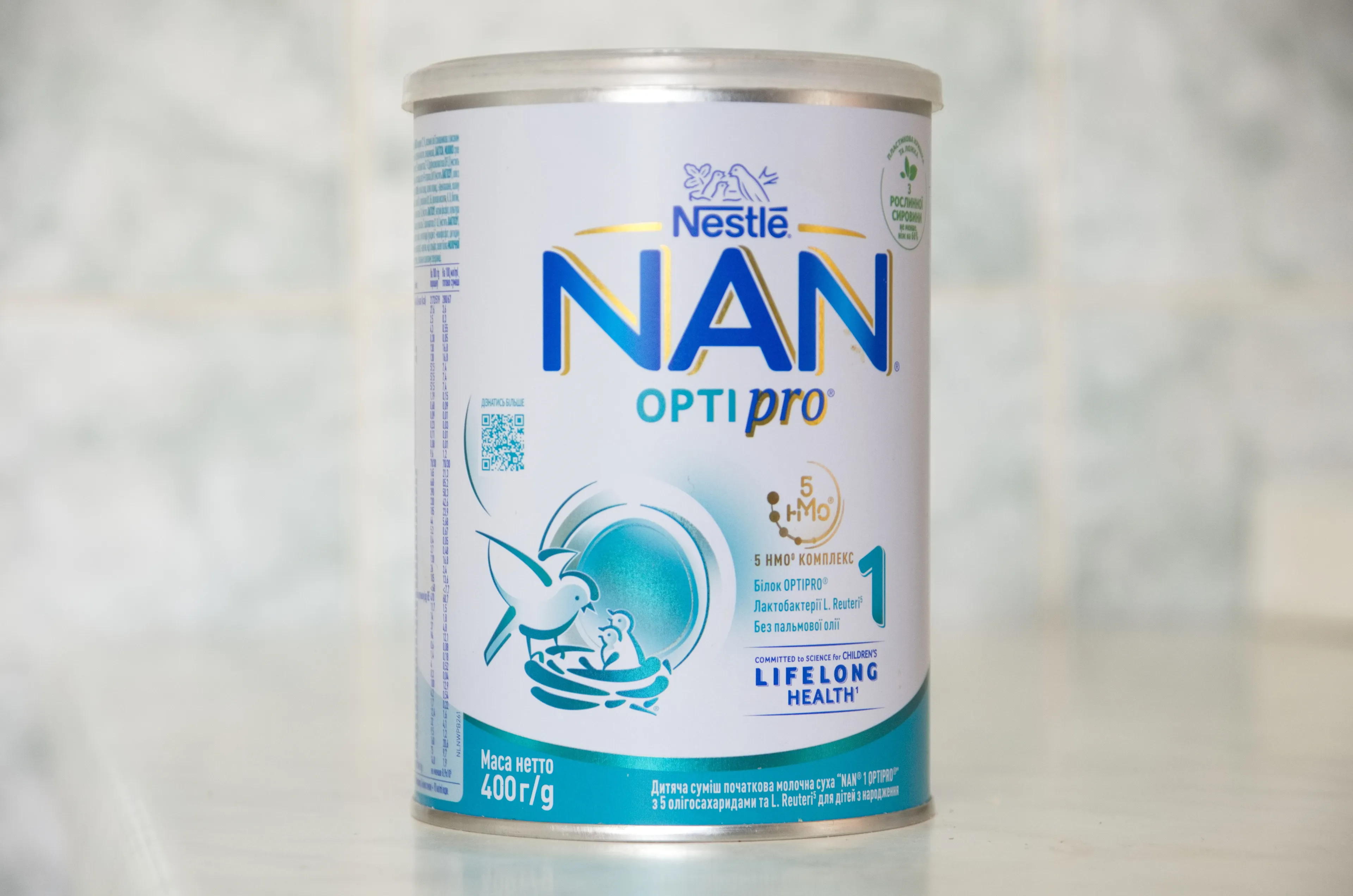
Nestle NAN Pro is a variant within the NAN range that includes added probiotics, intended to support digestive comfort. Some formulations include Lactobacillus reuteri, though the specific strains vary by product version and market. NAN Optipro is formulated with an optimised protein profile, aimed at providing adequate protein without excess, which some research suggests may support healthy weight development in infancy.

For a newborn specifically, NAN 1 or its Pro or Optipro equivalent at the starter stage is the relevant product. The primary difference between NAN 1 and NAN Pro 1 is the inclusion of probiotics in the Pro variant. Neither is superior in all situations; the right choice depends on your baby's tolerance and your paediatrician's recommendation.

Nutritional Composition and Benefits

Infant milk formula for newborns is designed to approximate the nutritional profile of breast milk as closely as current science allows. A typical serving of NAN 1 infant formula contains:

  • Proteins, including whey and casein in a ratio intended to support easier digestion
  • Lactose as the primary carbohydrate and energy source
  • Fats, including added DHA (docosahexaenoic acid) and ARA (arachidonic acid), fatty acids that support brain and eye development
  • Vitamins A, C, D, E, and B-group vitamins
  • Minerals including calcium, iron, phosphorus, and zinc
  • Nucleotides, naturally present in breast milk and added to many formula products

Some NAN Pro formulations include probiotics, which may help reduce crying associated with colic and support softer stools, though results vary between babies.

Is NAN formula as good as breast milk? No formula fully replicates breast milk. Breast milk contains living immune cells, antibodies, and bioactive compounds that no formula can replicate. When breastfeeding is possible and chosen, it remains the recommended first option. Formula meets the nutritional role when needed, but not the immunological functions of breast milk.

When Should You Use Formula for a Newborn?

Guidelines from major health organisations consistently recommend exclusive breastfeeding for the first six months of life, continuing alongside complementary foods up to two years and beyond. Formula is appropriate when:

  • The mother has a medical condition that prevents breastfeeding, such as certain infections or medication needs
  • The baby has a condition that makes direct breastfeeding difficult, such as a cleft palate
  • Milk supply is genuinely insufficient despite lactation support
  • The parent has made an informed personal decision not to breastfeed

Can newborns have formula from day one? Yes, if the clinical or personal situation requires it. This decision should ideally involve a paediatrician or lactation consultant to confirm the reason and ensure the correct product and preparation method are used.

Formula feeding is a valid and safe way to nourish a baby. Getting feeding right matters far more than the source of the milk. For newborn care essentials beyond feeding, including umbilical cord care and hygiene basics, Apollo's newborn guides offer practical, trusted guidance.

How to Prepare and Store NAN Formula Safely

Incorrect preparation is one of the most common risks with infant formula. Both under-diluting (too concentrated) and over-diluting (too weak) can harm a newborn.

Step-by-Step Preparation

  1. Wash your hands thoroughly with soap and water.
  2. Sterilise the feeding bottle, teat, and any utensils by boiling for at least 5 minutes or using a steam steriliser.
  3. Boil fresh drinking water and allow it to cool to around 70 degrees Celsius. This temperature is hot enough to eliminate most harmful bacteria that may be present in the powder.
  4. Measure the correct amount of water into the sterilised bottle first.
  5. Use only the scoop provided in the tin. Level each scoop without pressing the powder down. Add the number of scoops specified on the packaging for the volume of water used.
  6. Cap the bottle and swirl gently until the powder dissolves completely.
  7. Cool the bottle under running cold water and test the temperature on your inner wrist before feeding.

Always follow the preparation instructions printed on the specific NAN tin you are using, as guidance can vary slightly between formulations.

Storage

  • Prepared formula should be used within 2 hours if kept at room temperature.
  • If refrigerated promptly at 4 degrees Celsius or below, prepared formula may be stored for up to 24 hours.
  • Discard any formula left over after a feed; never reheat or reuse it.

Contraindications and Precautions

NAN formula, like all standard cow's-milk-based infant formulas, is not suitable for every baby. Do not use standard NAN products if your baby has been diagnosed with:

  • Cow's milk protein allergy (CMPA): Babies with confirmed CMPA require a hydrolysed or amino acid-based formula prescribed by a doctor.
  • Galactosemia: A rare metabolic disorder in which lactose and galactose cannot be properly processed. Lactose-containing formulas are contraindicated.
  • Lactose intolerance (clinically confirmed): While uncommon in newborns, some infants require a lactose-free formulation.

If your baby shows signs of formula intolerance, such as persistent vomiting, blood in stools, severe eczema, or excessive distress after feeds, stop feeding and consult a paediatrician promptly.

Report adverse events to your healthcare provider or the relevant regulatory authority.

Parents should also never add extra scoops, dilute formula with additional water, or mix formula with anything else unless specifically instructed by a doctor. These practices can cause serious harm.

Conclusion

NAN infant formula may be used when an infant needs or requires formula feeding, depending on their age, nutritional needs and the specific product formulation. Newborns should receive breast milk when possible, while appropriate infant formula can be used when breastfeeding is not possible, insufficient or otherwise not chosen. Parents should select a formula labelled for the baby's age, prepare it exactly according to the manufacturer's instructions and follow safe hygiene and storage practices. Do not dilute or concentrate formula unless advised by a healthcare professional. If the baby has feeding difficulties, poor weight gain, persistent vomiting, suspected allergy or other concerns, consult a paediatrician before changing the formula.
FAQS

Is NAN formula good for newborn babies?

NAN's starter-stage formula (NAN 1 and its Pro or Optipro variants) is designed for use from birth when breastfeeding is not possible or is being supplemented. Whether it is the right choice for your baby depends on individual health needs, so a paediatrician's input is important before starting.

How much NAN formula should a newborn drink?

Newborn feeding amounts vary by weight, age, and individual appetite. As a general guide, newborns typically feed 8 to 12 times in 24 hours, with volumes increasing gradually over the first weeks. Always refer to the feeding guide on your NAN tin and confirm amounts with your baby's doctor.

What is the difference between NAN 1 and NAN Pro 1?

Both NAN 1 and Nestle NAN Pro 1 are starter formulas intended for babies from birth to 6 months. The main difference is that NAN Pro 1 includes added probiotics, which some parents find helpful for babies with digestive discomfort. Nutritional differences beyond this are minor; speak to your paediatrician about which variant suits your baby.

Can I switch my baby between NAN and other formulas?

Switching between the best formula milk for newborn baby options is generally possible, but sudden changes can cause temporary digestive upset such as loose stools or increased gas. If a switch is needed, transition gradually over several days and always seek advice from a paediatrician, especially for newborns.

What are the side effects of formula feeding in newborns?

Some babies experience constipation, gas, or spit-up when starting formula, which often settles within a few days. Persistent symptoms, blood in stools, significant vomiting, or signs of allergic reaction require prompt medical attention. Report any adverse events to your healthcare provider.

Apollo 247 Floating Action Button