logo
0

NAN Formula Milk: How to Choose the Right One

Learn about NAN formula milk, including its different stages, ingredients, age suitability, nutritional features, preparation, and how to choose the right formula.
 

article image

Dr. Mayank

Choosing the right formula milk is one of the earliest and most significant decisions a new parent makes. Whether breastfeeding is not possible, needs to be supplemented, or you are simply preparing ahead, understanding nan formula milk, its stages, ingredients, and safety profile can help you feel confident rather than overwhelmed. This guide covers everything in plain language so you can walk into your next pediatrician appointment with the right questions.

What Is Infant Formula Milk and Why Stages Matter?

Infant formula milk is a manufactured food designed to replicate the nutritional profile of breast milk for babies who cannot be exclusively breastfed. It is typically made from processed cow's milk protein, vegetable oils, vitamins, and minerals, balanced to support an infant's growth at specific ages.

Babies grow rapidly, and their nutritional needs shift considerably in the first three years. A newborn's digestive system is immature and requires a protein composition very different from what a toddler needs. Age-based staging reflects these real physiological changes. Each stage adjusts the protein ratio, calorie density, iron levels, and fat composition to match a baby's developmental phase. Using the wrong stage, such as giving an older-infant formula to a newborn, can place unnecessary metabolic stress on a baby's kidneys and gut.

NAN Formula Stages Explained (Stage 1 to 4)

NAN is a product line by Nestle  designed for different age groups. The nan formula stages are based on age and nutritional need, not arbitrary marketing divisions.

Stage 1 (Birth to 6 Months)

This stage is intended for newborns and very young infants as a formula milk for newborn use when breastfeeding is not possible. It is formulated to be the sole source of nutrition, with a gentler protein blend and calorie density calibrated for a still-developing digestive system. NAN Pro 1 falls into this category.

Stage 2 (6 to 12 Months)

Once solid foods are introduced around six months, nutritional needs shift. Stage 2 formulas are designed as a complementary food alongside weaning, with adjusted iron levels to support increasing activity and growth. NAN Pro 2 is meant for this phase. The nan pro 1 vs nan pro 2 distinction comes down primarily to the protein ratio and iron content, both adapted for post-weaning needs.

Stage 3 (12 to 24 Months)

Stage 3 is a growing-up milk rather than a primary nutrition source. By one year, toddlers get most of their nutrition from family foods. Stage 3 formula acts as a nutritional top-up, covering micronutrients that can be inconsistent in a toddler's varied diet.

Stage 4 (2 Years and Above)

Intended for children aged two and older, Stage 4 formulas have higher protein and additional micronutrients to support continued growth. At this age, regular cow's milk or a well-balanced diet is generally preferred, and formula becomes optional. Consult your pediatrician before continuing formula past age two.

StageAge Range Primary Role
1 0 to 6 monthsSole nutrition when breastfeeding is not possible
2 6 to 12 monthsComplementary to solid foods
3 12 to 24 monthsNutritional top-up for toddlers
42 years and above Optional growing-up support

Key Ingredients in NAN Formula Milk

Understanding nan formula ingredients helps parents assess whether a product suits their baby's specific needs.

Protein Source

NAN formulas typically use whey and casein from cow's milk, processed to make the protein easier for an infant to digest. The whey-to-casein ratio is higher in Stage 1 to mirror breast milk more closely. Some variants use partially hydrolysed whey protein, broken into smaller fragments that may suit sensitive digestive systems better.

Fats and DHA

Vegetable oils, including palm oil, sunflower oil, and rapeseed oil, form the fat base. Docosahexaenoic acid (DHA), an omega-3 fatty acid important for brain and eye development, is added to most modern infant formula milk powder products including NAN. The source is typically fish oil or microalgae.

Carbohydrates

Lactose is the main carbohydrate in Stage 1, closely matching breast milk. Some formulas include small amounts of maltodextrin for additional energy, particularly in later stages.

Probiotics and Prebiotics

NAN Pro variants include live probiotic cultures, such as Lactobacillus reuteri or similar strains, depending on the product variant. Prebiotics such as galacto-oligosaccharides may also be present to support gut flora. The evidence for probiotic benefit in formula-fed infants is still developing, so do not treat probiotic content as a guaranteed remedy for digestive issues.

Vitamins and Minerals

All NAN stages include iron, calcium, phosphorus, zinc, and a full vitamin panel covering vitamins A, C, D, E, and K, calibrated to meet infant nutritional requirements.

How to Choose the Right Stage for Your Baby?

The stage on the tin should match your baby's current age, but age alone is not the only guide.

Practical cues that it may be time to consider switching include:

  • Your baby has crossed the recommended age threshold for the current stage
  • Your pediatrician advises a change based on growth monitoring
  • Your baby has started solid foods and is eating them consistently

Knowing when to switch formula stages is a decision best made with your doctor. Switching too early or without clinical guidance can lead to digestive upset or nutritional gaps. If your baby shows signs of discomfort, poor weight gain, or unusual stools on the current formula, speak to your pediatrician before making any change rather than switching stages independently. For more on caring for your baby's overall wellbeing, see newborn care essentials beyond feeding.

Contraindications and Precautions

NAN formula milk, like all cow's milk-based formulas, is not suitable for every infant. Parents should be aware of the following situations that require medical guidance before use.

  • Babies diagnosed with galactosemia should not use standard lactose-containing formulas. A specialised metabolic formula is needed.
  • Infants with a confirmed or suspected cow's milk protein allergy should not use standard NAN formulas. An extensively hydrolysed or amino acid-based formula is usually recommended instead.
  • Premature or very low birth weight infants have specific caloric and protein needs that standard term-infant formulas may not meet. Always follow a neonatologist's advice.
  • If there is a strong family history of allergy, inform your pediatrician before starting any formula.

Never switch to or from a specialised formula without medical supervision.

Report any adverse reactions, such as rash, vomiting, blood in stool, or breathing difficulty after a feed, to your healthcare provider or the Central Drugs Standard Control Organization (CDSCO) at its pharmacovigilance portal, or to the manufacturer's pharmacovigilance department immediately.

Safe Preparation and Storage Tips

Correct preparation of infant formula milk powder is critical. Errors in mixing or storage can cause serious harm.

  • Water and temperature: Use freshly boiled water that has been allowed to cool to no less than 70 degrees Celsius. This temperature is hot enough to eliminate most pathogens that can survive in powdered formula. Do not use mineral water as the primary source without checking with your doctor, as sodium levels can vary.
  • Sterilisation: Sterilise all feeding equipment including bottles, teats, and lids before each use. A cold-water sterilising solution or steam steriliser both work well.
  • Measuring: Always use the scoop provided in the tin and level it off with a straight edge. Adding extra scoops does not make a stronger or better feed; it concentrates the formula beyond safe limits and can strain your baby's kidneys.
  • Storage: Prepare formula fresh for each feed where possible. If you must prepare in advance, refrigerate immediately at 5 degrees Celsius or below and use within 24 hours. Discard any formula left in the bottle after a feed. Never refreeze or reheat formula more than once.
  • Tin storage: Once opened, store the tin in a cool, dry place with the lid firmly closed. Use within four weeks of opening, or follow the guidance printed on the pack.

Conclusion

NAN formula milk is available in different stages and formulations designed to meet the nutritional needs of infants at various ages and feeding stages. Understanding the differences in ingredients, nutritional composition, age suitability, preparation, and specific formula types can help parents make informed feeding decisions. The right formula depends on the baby's age, nutritional needs, growth, and individual health requirements. Parents should follow the manufacturer's preparation instructions carefully and consult a paediatrician before choosing or changing formula, particularly when a baby has feeding difficulties, allergies, intolerance, or other health concerns.

FAQS

Is NAN formula milk good for newborns?

NAN Stage 1 (NAN Pro 1) is designed for use from birth when breastfeeding is not possible or needs to be supplemented. Always confirm with your pediatrician that it is appropriate for your specific newborn, particularly if your baby was born premature or has any health concerns.
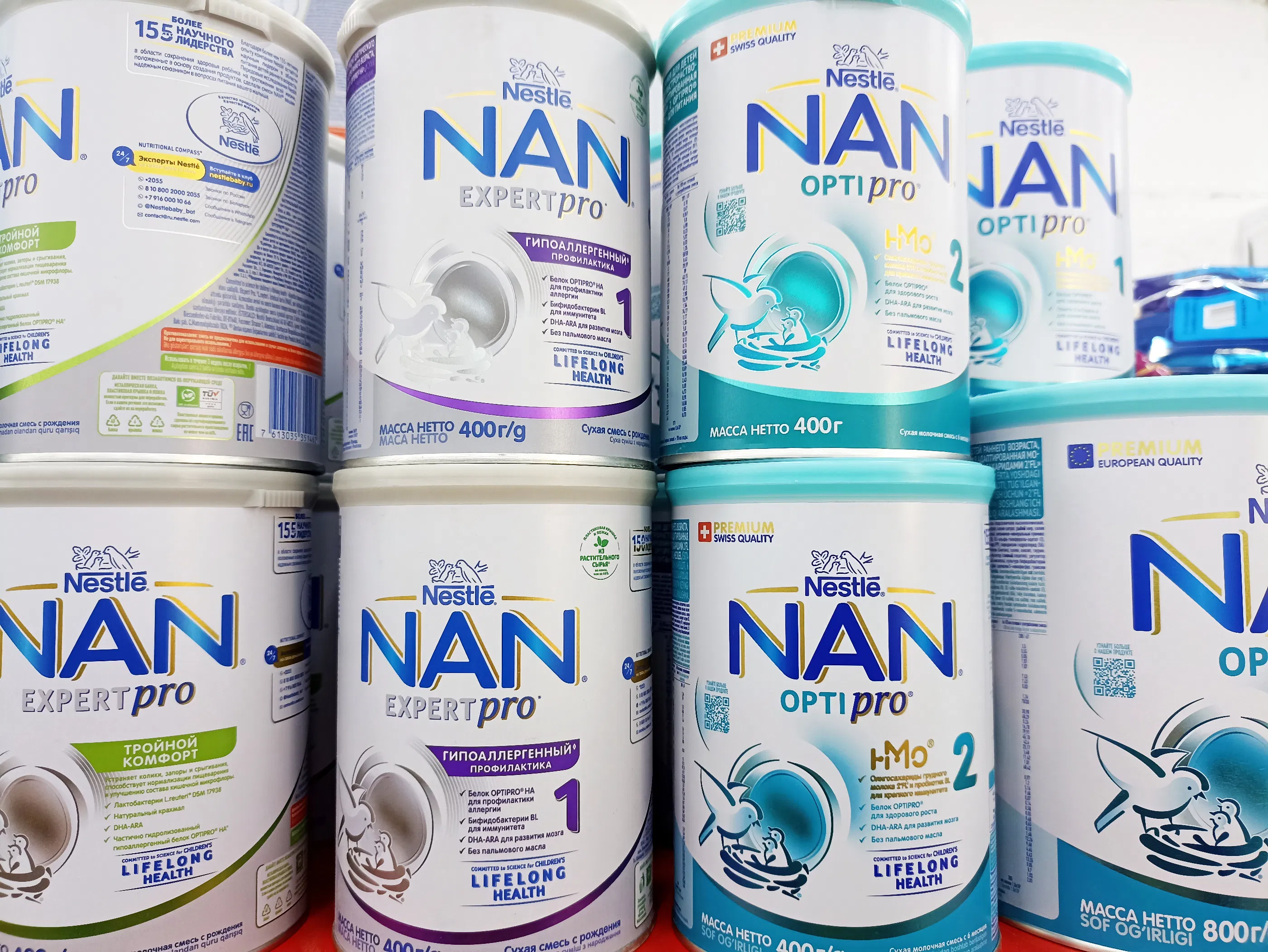
What is the difference between NAN Pro and NAN Optipro?

NAN Pro and NAN Optipro are variants within Nestle's NAN range with differences in protein processing and composition. NAN Optipro uses an optimised protein blend at a lower overall protein level, intended to be closer to the protein quality of breast milk. Your pediatrician can advise which variant better suits your baby.

Can I mix two different formula stages?

No. Mixing stages alters the nutrient balance each stage is designed to provide and is not recommended. If you are unsure whether your baby is ready to move to the next stage, speak to your pediatrician rather than blending the two.

How long does an opened NAN formula tin last?

Once opened, use the tin within four weeks. Store it in a cool, dry place with the lid tightly closed after every use, and always check the expiry date on the base of the tin before preparing a feed.

When should I consult a doctor about formula feeding?

Speak to your pediatrician if your baby is refusing feeds, showing poor weight gain, has persistent vomiting or loose stools, or develops a rash or any sign of an allergic reaction after feeds. These symptoms need clinical assessment before you change formula or stage.

Apollo 247 Floating Action Button