logo
0

NAN Formula: Pro Newborn, Excella & Comfort by Age

Compare Nestlé NAN formulas in India: understand NAN Pro Stage 1, Excella Stage 2, and NAN Comfort, safe 70°C preparation, and paediatric feeding advice.

article image

Dr.Bhanu Prakash

Choosing the right infant formula can feel overwhelming, especially when a brand like NAN infant formula offers several variants for different stages and needs. Whether you are supplementing breastfeeding or replacing it entirely, understanding what sets each product apart helps you make a confident, informed choice for your baby.

What Is NAN Infant Formula?

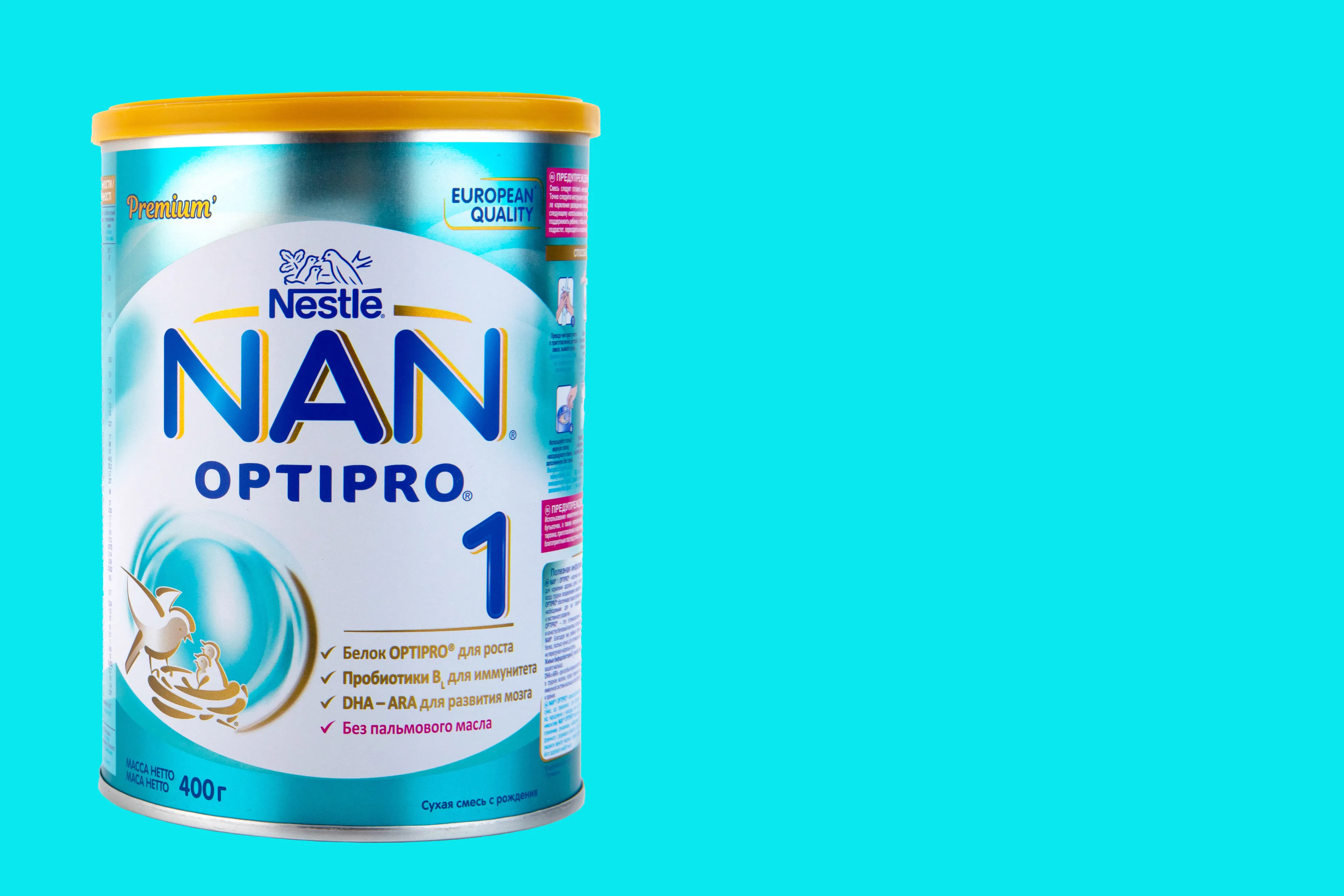
NAN is a range of infant milk formulas manufactured by Nestlé. Like all infant formulas, it is designed to supplement or replace breast milk when breastfeeding is not possible, insufficient, or medically contraindicated. It is a nutritional substitute, not a medicine, and does not cure or treat underlying paediatric conditions.

The formulation is cow's milk-based and modified to bring its macronutrient and micronutrient composition closer to human milk. Key components typically found across NAN variants include:

  • Protein distribution: Whey and casein proteins blended in specific ratios (such as whey-dominant profiles in starter formulas) to aid gastrointestinal transit and gastric emptying.
  • Carbohydrate base: Lactose as the primary carbohydrate source, providing readily available energy and supporting healthy gut microbiota.
  • Essential fatty acids: Long-chain polyunsaturated fatty acids (LCPUFAs), including docosahexaenoic acid (DHA) and arachidonic acid (ARA), to support cognitive and visual development.
  • Vitamins and minerals: A balanced spectrum of micronutrients including iron, calcium, zinc, and vitamin D, calibrated to support bone ossification and physical growth.

In India, the nutritional composition and microbiological safety of infant formulas are strictly regulated under the statutory standards of the Food Safety and Standards Authority of India (FSSAI). Concurrently, the Infant Milk Substitutes, Feeding Bottles and Infant Foods (Regulation of Production, Supply and Distribution) Act (IMS Act) strictly prohibits the advertising, promotion, and commercial endorsement of infant milk substitutes for infants and young children up to two years of age (24 months). Always purchase formula from a licensed pharmacy or authorised retailer, verifying the batch number, expiry date, and tamper-evident seal before use.

NAN Pro Newborn vs NAN Pro Excella vs NAN Comfort: Key Differences

The three most commonly compared variants in India are NAN Pro Newborn (Stage 1), NAN Pro Excella (Stage 2), and NAN Comfort. Here is a quick comparison using this infant formula age chart as a starting guide:
 

Variant    Approximate Age RangeProtein TypePrimary Clinical Use Case
NAN Pro Newborn (Stage 1)0 to 6 monthsIntact whey-dominant proteinRoutine starter nutrition when maternal breast milk is unavailable or insufficient
NAN Pro Excella (Stage 2)6 to 12 monthsIntact whey and casein blendFollow-on formula feeding alongside introduced complementary solid foods
NAN Comfort0 to 12 months (under paediatric supervision)00% partially hydrolysed whey proteinDietary management of minor digestive discomfort, infantile colic, or constipation

NAN Pro Newborn and NAN Pro Excella suit healthy babies with no specific digestive concerns. NAN Comfort uses partially hydrolysed protein, broken into smaller fragments, making it gentler on a sensitive gut. It also typically contains reduced lactose to ease digestion.

The difference between NAN Pro and NAN Comfort is not about age: it is about the baby's digestive tolerance. A newborn without digestive issues does not need NAN Comfort.

Age-Wise Recommendations: Which NAN Formula for Which Stage

Selecting the appropriate formula stage ensures the nutrient profile aligns with your infant's gastrointestinal maturity, renal capacity, and dietary stage.

0 to 6 Months: NAN Pro Newborn (Stage 1)

  • Sole liquid nutrition: Formulated for healthy, full-term infants from birth to six months when maternal breast milk is unavailable or insufficient.
  • Renal and gut protection: A newborn’s kidneys and digestive tract are still developing. Stage 1 formulas maintain a lower protein density and a carefully calibrated renal solute load to prevent metabolic stress on immature kidneys.
  • Strict stage boundary: Stage 2 formulas must never be given to a newborn. The higher mineral content and elevated protein concentration of follow-on milks are inappropriate for infants under six months of age.

6 to 12 Months: NAN Pro Excella (Stage 2)

  • Complementary feeding support: Once weaning commences around six months, NAN Pro Excella is designed to accompany the progressive introduction of solid complementary foods.
  • Nutritional adjustments: Follow-on formulas provide higher concentrations of specific micronutrients, particularly iron, calcium, and phosphorus, to compensate for the natural depletion of stored maternal iron reserves after six months.
  • Paediatric assessment: Transitioning to Stage 2 should be guided by your paediatrician. If an infant is thriving and gaining weight steadily on Stage 1, many paediatricians recommend continuing Stage 1 alongside solid foods rather than switching immediately at the six-month mark.

Clinical Guidance on Stage Transitions

  • Gradual transition protocol: Move between formula stages gradually over three to five days to allow the infant’s gut microbiome and enzyme production to adapt smoothly.
  • Bottle-by-bottle replacement: Rather than mixing powders from two different tins within the same bottle, which risks inaccurate scoop-to-water dilution and osmolality errors, replace feeds one bottle at a time. For example, offer one bottle of the new formula on Day 1, two bottles on Day 2, and progressively replace the remaining feeds over subsequent days.
  • Monitoring tolerance: Observe your baby for transient signs of digestive intolerance during the changeover, including loose stools, constipation, vomiting, excessive flatulence, or new skin rashes. If persistent symptoms emerge, revert to the previous formula and consult your paediatrician.

When to Choose NAN Comfort for Colic or Digestive Discomfort

NAN Comfort is formulated specifically for the dietary management of functional gastrointestinal disorders, infantile colic, and bowel irregularity in non-breastfed infants. Its clinical utility relies on combining 100% partially hydrolysed whey protein with a moderated lactose concentration.

Target Symptoms and Physiological Mechanisms

  • Excessive flatulence and bloating: Young infants often experience transient physiological lactase insufficiency as their gut matures. By reducing the overall lactose load, NAN Comfort lowers the volume of unabsorbed sugar reaching the colon, thereby decreasing bacterial fermentation and painful gas accumulation.
  • Constipation and hard stools: Enzymatically broken-down whey protein produces fine, soft protein curds upon contact with gastric acid. This facilitates faster gastric emptying, promotes smoother intestinal motility, and results in softer, more comfortable bowel movements.
  • Infantile colic and abdominal cramping: Smaller peptide fragments place less digestive demand on immature mucosal enzymes, helping alleviate the visceral tension and prolonged crying spells associated with evening colic.
  • Frequent minor regurgitation: Gentler curd formation and accelerated transit through the stomach can help reduce benign spit-ups driven by digestive immaturity, provided there is no underlying gastro-oesophageal reflux disease (GORD).

Medical Evaluation and Critical Contraindications

  • Mandatory paediatric assessment: If your infant exhibits persistent feeding distress, consult your paediatrician before changing feeds. Infantile colic has multifactorial origins, including immature nervous system regulation, rapid feeding rates, or aerophagia (air swallowing), rather than milk composition alone.
  • Contraindicated in Cow's Milk Protein Allergy (CMPA): NAN Comfort is not a hypoallergenic treatment for CMPA. The partially hydrolysed peptides remain large enough to trigger an immune-mediated allergic reaction in sensitised infants. Confirmed or suspected CMPA strictly requires an extensively hydrolysed formula (eHF) or an amino acid-based formula (AAF) under specialist supervision.
  • Contraindicated in galactosaemia: Because NAN Comfort still contains residual lactose (which hydrolyses into glucose and galactose), it is unsafe for infants with galactosaemia. These infants require an immediate prescription for a strictly galactose-free formula.

How to Prepare and Feed NAN Formula Safely

Safe preparation matters as much as choosing the right formula. Follow these steps every time:

  • Hand hygiene: Wash hands thoroughly with soap and water before preparing formula.
  • Equipment sterilisation: Sterilise all feeding equipment, including bottles, teats, and measuring spoons, before each use.
  • Water temperature: Use water that has been boiled and cooled to approximately 70°C (not cold, not at a rolling boil) to reduce the risk of bacterial contamination from the powder.
  • Scoop-to-water ratio: Follow the exact scoop-to-water ratio printed on the product tin. Adding extra scoops does not make the formula more nutritious and places unnecessary strain on your baby's kidneys.
  • Mixing and temperature check: Swirl gently rather than shaking to mix. Test the temperature on your inner wrist before feeding.
  • Storage and handling: Prepared formula should be used within two hours if kept at room temperature. If you prepare it in advance, store it in the back of the refrigerator (not the door) and use it within 24 hours. Discard any leftover formula after a feed. Never reheat formula in a microwave, as it creates uneven hot spots.

Precautions and Contraindications

NAN infant formula is not suitable for every baby. Do not use it without medical guidance if your baby has:

  • Cow's milk protein allergy (CMPA): A confirmed cow's milk protein allergy (CMPA). All NAN Pro and NAN Comfort variants contain cow's milk protein and can trigger allergic reactions in susceptible infants.
  • Galactosaemia: Galactosaemia, a rare metabolic condition in which the body cannot metabolise galactose. Standard infant formulas contain lactose, which breaks down into galactose.
  • Specialised formula requirement: Any condition requiring a specialised medical formula as prescribed by a doctor.
Signs of a possible allergic reaction include skin rashes or hives, persistent vomiting, blood in stools, or breathing difficulty. Seek medical attention immediately if these occur.

Report adverse events to your healthcare provider or the relevant regulatory authority.

Conclusion

While exclusive breastfeeding remains the gold standard for infant health during the first six months, Nestlé NAN formulas provide an evidence-based milk substitute when formula feeding is clinically indicated or necessary. Choosing between variants depends on developmental stage and digestive tolerance: use NAN Pro Newborn as a sole liquid diet from birth to six months, transition to NAN Pro Excella alongside complementary solids under medical guidance, and reserve NAN Comfort specifically for functional colic or constipation rather than milk allergies. Always prepare feeds with water cooled to 70°C, follow exact scoop dilution ratios, and consult your paediatrician before altering your baby's feeding regimen.

FAQS

Which NAN formula is best for a newborn baby?

NAN Pro Newborn (Stage 1) is designed for babies from birth to six months and is the right starting point for healthy newborns who cannot be fully breastfed. Always confirm the choice with your paediatrician before starting any formula.

Can I switch between NAN Pro and NAN Comfort?

Yes, but only under your paediatrician’s guidance. Switching should be gradual over three to five days, and your doctor needs to assess whether digestive symptoms like colic or constipation are formula-related before recommending a change.

How much NAN formula should I feed my baby per day?

Feeding volumes vary by age and individual baby weight. The product tin provides a general feeding guide, but your paediatrician will give you the most accurate recommendation based on your baby's growth and feeding pattern.

Is NAN formula equivalent to breast milk?

No infant formula fully replicates breast milk, which contains live cells, antibodies, and nutrients that change with the baby's needs. NAN infant formula is designed to be a nutritionally adequate substitute when breastfeeding is not possible, not an equivalent.

What are signs my baby is not tolerating NAN formula well?

Watch for persistent vomiting, watery or bloody stools, skin rashes, unusual bloating, or failure to gain weight. If you notice any of these, stop the formula and consult your paediatrician promptly.

Apollo 247 Floating Action Button