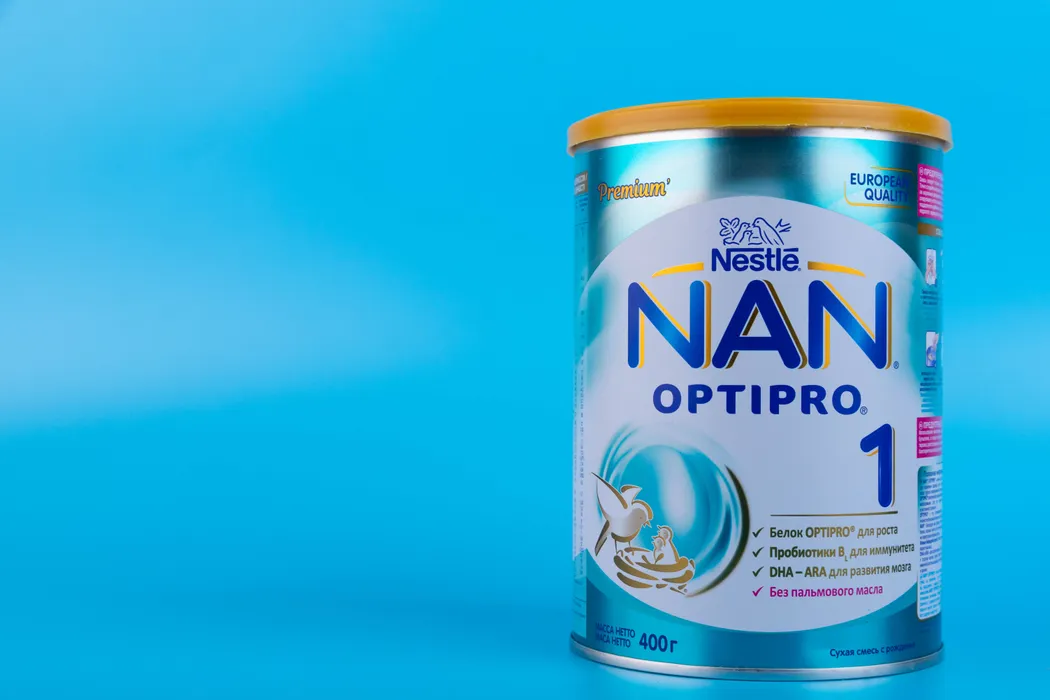
Nan pro 1 Compared: Choosing Baby Formula in India
Compare NAN Pro 1 with other baby formulas in India, including age suitability, ingredients, nutritional features, preparation, safety, and factors to consider.
Dr. Kamran
Choosing the right starter feed for a newborn is a major decision for any parent. While exclusive breastfeeding is the recommended gold standard for infant nutrition, specific medical needs, supply difficulties, or maternal health factors sometimes necessitate the use of an infant milk substitute. In India, nan pro 1 is among the most commonly prescribed starter formulas for infants who cannot be exclusively breastfed or who require supplementation under medical advice.
Navigating the infant nutrition section in an Indian pharmacy can feel overwhelming. Formulas vary in their whey-to-casein balance, lipid blends, micronutrient fortifications, and price points. Understanding the composition of infant formula for 0-6 months helps you make informed choices in partnership with your pediatrician, ensuring your baby receives safe, nutritionally complete care during their first six months of life.
NAN Pro 1 is a spray-dried infant milk substitute formulated specifically for non-breastfed or partially breastfed infants from birth up to 6 months of age. It represents Stage 1 in the standard infant formula staging system. Stage 1 formulas are engineered to approximate the macronutrient distribution and physiological osmolarity of mature breast milk, matching the limited digestive and renal capacities of a newborn.
The core of nan pro 1 ingredients begins with demineralized whey protein and skimmed cow milk. Fresh, unmodified animal milk is unsuitable for infants because its excessive protein and electrolyte load can stress immature kidneys. NAN Pro 1 alters this balance by using a whey-dominant protein structure. Whey empties from the gastric tract faster than casein, which helps reduce digestive discomfort and curd formation in early infancy.
Key functional elements in the formulation include:
DHA (docosahexaenoic acid) and ARA (arachidonic acid), which are long-chain polyunsaturated fatty acids that support brain and visual development.
Probiotic cultures (Bifidobacterium lactis), incorporated to help establish healthy intestinal microflora.
Nucleotides, which play a structural role in mucosal lining health and immune system maturation.
Essential micronutrients, including bioavailable iron, zinc, calcium, and vitamin D, balanced to meet regulatory standards without straining metabolic pathways.
Stage 1 formula is intended only for the 0 to 6 month window. As infants cross the six-month threshold, their iron requirements, caloric needs, and renal solute tolerance change, requiring a transition to Stage 2 formulations alongside the introduction of complementary foods under medical guidance.
Top Infant Formula Brands in India: Side-by-Side Comparison
Parents searching for the best infant formula in india will find several established brands on pharmacy shelves. While Indian regulatory frameworks mandate strict baseline nutritional standards for all commercial infant formulas, manufacturers differentiate their products through specialized fat blends, protein modification techniques, and functional additives.
The table below outlines how common Stage 1 commercial formulas in India compare:
High DHA/ARA levels, dual prebiotic blend (GOS/PDX)
Premium
Dexolac 1
0 to 6 months
Milk solids, demineralized whey
36 vital nutrients, lecithin, adjusted mineral ratios
Economy / Standard
nan pro 1 vs lactogen
A frequent question among caregivers concerns nan pro 1 vs lactogen, both manufactured by Nestlé India. The primary differences lie in functional ingredient fortification, protein processing, and retail cost.
NAN Pro 1 uses a higher proportion of demineralized whey protein and integrates live probiotic cultures (Bifidobacterium lactis) along with structural DHA and ARA lipids. These additions are designed to support gut microbiota establishment and neurodevelopment. Lactogen 1 serves as a dependable, nutritionally complete baseline formula that meets all mandatory regulatory requirements for infant growth, but it omits the specialized probiotic cultures and long-chain fatty acid concentrations found in the NAN range.
Because of these added ingredients and processing methods, the nan pro 1 price is higher per 400-gram tin compared to Lactogen 1. Both support healthy weight gain and growth when prepared correctly, but pediatricians may select one over the other based on an infant's digestive tolerance and family budget.
Similac and Enfamil Options
Similac Stage 1 uses a distinctive vegetable oil blend that is free from palm olein oil. Clinical evaluations indicate that palm olein-free fat blends may promote softer stools and enhance calcium absorption in select infants prone to constipation.
Enfamil A+ 1 emphasizes high concentrations of DHA and ARA structured to match global neurodevelopmental feeding guidelines, paired with a specialized prebiotic blend to encourage beneficial bifidobacteria growth.
Dexolac Stage 1 is an accessible, standard option widely utilized in Indian clinical settings, providing balanced energy density and vital minerals tailored for term infants.
How to Choose the Right Formula for Your Baby?
Knowing how to choose baby formula milk requires balancing pediatric assessment, digestive comfort, and sustained household affordability.
Formula should never be selected solely based on marketing or peer recommendations. An infant's gastrointestinal tract undergoes rapid development during the first six months, and individual reactions to protein loads or lipid profiles vary widely.
Key factors to evaluate with your doctor:
Pediatric Assessment: Your pediatrician will evaluate gestational age at birth, birth weight, growth curve trajectory, and family history of atopy or allergies before suggesting a starting feed.
Digestive Tolerance: Normal infants may experience mild physiological reflux or pass stools varying from mustard yellow to light green. Signs of poor tolerance include persistent projectile vomiting, blood in stools, severe abdominal distension, or inconsolable crying after every feed.
Affordability and Availability: Infant formula must be fed consistently for several months. Switching brands back and forth based on temporary pharmacy stock or pricing fluctuations can upset your baby's digestion. Choose a brand that is reliably stocked and sustainable for your family budget.
Preparation Requirements: Powdered infant formula is not sterile. Caregivers must have access to potable water, reliable boiling facilities, and proper sterilization equipment to prepare feeds safely. Managing day-to-day feeding is only one part of early parenting; learning newborn care essentials beyond feeding is equally important for keeping your baby healthy.
When to Change Baby Formula?
Parents often worry when a baby is fussy or passes infrequent stools, assuming the formula must be changed immediately. However, changing formulas too frequently can destabilize the infant's gut microflora and make it difficult to identify the true cause of distress.
Only change your baby's formula under direct medical advice. Your doctor may recommend a change if your baby displays:
Stalled weight gain or falling percentiles on standard growth charts.
Severe skin reactions, such as widespread eczema or sudden hives.
Chronic, forceful regurgitation that leads to respiratory distress or poor feeding.
Stools that are persistently hard, pebble-like, and painful to pass, or watery diarrhea containing visible mucus or blood.
Important Safety Information
The World Health Organization (WHO) and healthcare authorities worldwide recommend exclusive breastfeeding for the first six months of life, followed by the introduction of safe, adequate complementary foods alongside continued breastfeeding up to two years of age or beyond. Infant formula should only be used on the advice of a medical doctor or trained health worker regarding the need for its use and the proper method of preparation and administration.
Report adverse events to your healthcare provider or the relevant regulatory authority.
IMPORTANT NOTICE: MOTHER'S MILK IS BEST FOR YOUR BABY.
Conclusion
NAN Pro 1 is an infant formula intended for a specific early stage of infancy, and choosing a formula should consider the baby's age, nutritional needs, growth, and individual feeding requirements. Comparing NAN Pro 1 with other available formulas based on ingredients, nutritional composition, preparation, suitability, and specific health needs can help parents make an informed decision. No single formula is ideal for every baby, and parents should follow the manufacturer's preparation instructions and consult a paediatrician before choosing or changing infant formula.
FAQS
Is NAN Pro 1 good for newborn babies?
NAN Pro 1 is clinically designed to provide complete nutrition for healthy, full-term newborns from birth up to 6 months who cannot be breastfed. It must only be introduced after consultation with a pediatrician to ensure it meets your baby's specific developmental needs.
What is the difference between NAN Pro 1 and NAN Pro 2?
NAN Pro 1 is formulated specifically for infants from birth to 6 months with higher whey ratios to suit immature digestive systems. NAN Pro 2 is a Stage 2 follow-up formula designed for infants aged 6 to 12 months, featuring adjusted protein, iron, and mineral levels to complement weaning foods.
Can I mix breastfeeding with NAN Pro 1?
Yes, combination feeding (supplementing breast milk with formula) is possible when medically indicated or necessary for the family. You should consult a pediatrician or lactation consultant before introducing formula, as improper combination feeding can reduce maternal milk supply.
How much NAN Pro 1 should I feed my baby daily?
Feeding volume depends entirely on your baby's age, weight, and individual metabolic rate, typically starting at small, frequent volumes in the first weeks and increasing as stomach capacity grows. Follow the standard feeding table on the product packaging as a baseline, and adjust only under your pediatrician's explicit guidance.
Is NAN Pro 1 safe for babies with lactose intolerance?
No, standard NAN Pro 1 contains lactose from cow milk solids and is not suitable for infants diagnosed with galactosemia or lactose intolerance. If your baby exhibits symptoms of carbohydrate malabsorption, consult your doctor for an appropriate lactose-free or specialized medical formula.