logo
0

Nestle Infant Formula Recall: Safety Standards Explained

Learn what parents should know about the Nestlé infant formula recall, including affected batches, possible health risks, how to check a product and what to do if your baby has consumed recalled formula.

article image

Dr.Kamran

Hearing that an infant formula has been recalled can be worrying, particularly when formula is an important part of your baby's feeding routine. Parents may wonder whether the product they have at home is affected, whether their baby is at risk and what they should do next.

A recall applies to specific products, batches or markets, not necessarily to every product from a manufacturer. The safest approach is therefore to check the exact product and batch information against the latest official recall notice and follow the instructions provided.

What Triggered Past Nestle Infant Formula Recalls?

Infant formula recalls can occur for several reasons, including microbial contamination, foreign material, labelling errors, nutritional problems or chemical contamination. Nestlé has been involved in recall events in different markets over the years, but the details and products involved have varied.

One notable incident occurred in France in late 2021 and early 2022, when certain infant formula products manufactured at a Nestlé facility in Crolles were recalled following concerns about possible contamination with Cronobacter sakazakii. Production at the facility was suspended while the situation was investigated, and affected batches were withdrawn from the market.

In 2008, Nestlé products in China were also affected by the wider melamine contamination crisis involving dairy products. Melamine, an industrial chemical, had been illegally added to some milk products to make their apparent protein content appear higher during testing.

These historical events should not be used to determine whether a Nestlé product currently available for purchase is affected by a recall. Current recall information should always be checked by product and batch.

Common reasons for infant formula recalls include:

  • Microbial contamination, including organisms such as Cronobacter and Salmonella
  • Foreign materials, such as fragments of metal, plastic or other materials
  • Incorrect labelling or allergen information
  • Nutritional or compositional problems
  • Chemical contamination or adulteration
  • Problems involving ingredients or manufacturing processes

How Is Infant Formula Tested for Safety?

Infant formula is subject to strict food-safety and nutritional requirements because it may provide a major or sole source of nutrition for young infants.

Safety controls can occur throughout the production process:

  • Ingredient checks: Raw materials and ingredients are assessed against applicable quality and safety requirements before use.
  • Manufacturing controls: Facilities follow hygiene, sanitation and process-control procedures designed to minimise contamination.
  • Microbiological controls: Appropriate testing and environmental monitoring are used to identify relevant microbial hazards.
  • Nutritional testing: Formula is assessed to ensure that its nutritional and compositional characteristics meet applicable standards.
  • Contaminant monitoring: Relevant chemical and biological contaminants may be monitored according to regulatory requirements and risk assessment.
  • Batch traceability: Batch and lot information allows specific products to be identified if a safety problem is discovered.
  • Finished-product controls: Manufacturers carry out quality checks before products are released for distribution.
  • Regulatory surveillance: Food-safety authorities may inspect manufacturing facilities and sample products independently.

Testing is only one part of formula safety. Not every container is individually tested for every possible contaminant. Safety depends on a combination of supplier controls, manufacturing practices, sampling, testing, traceability and regulatory oversight.

In India, infant nutrition products are regulated under applicable Food Safety and Standards Authority of India (FSSAI) requirements. Parents can use official FSSAI recall information when checking whether a particular food product has been subject to regulatory action.

How Can You Check Whether Your Formula Is Part of a Recall?

A recall notice generally identifies the affected product using information such as the product name, batch or lot number, manufacturing details and expiry date.

Before using a product that you are concerned about:

  • Find the batch or lot number: Check the base, side or other part of the packaging for the identification number.
  • Check the product name: Make sure it matches the product listed in the recall notice.
  • Check the expiry date: Compare it with the information in the recall notice.
  • Check the country or market: A recall in one country does not automatically mean that the same brand or product sold in another country is affected.
  • Check the packaging: Do not use a container with a broken seal, significant damage or evidence of tampering.
  • Use official information: Check the latest information from the relevant food-safety authority and manufacturer.
  • Do not rely solely on social media: Online recall lists may be incomplete, outdated or related to another country.

For products purchased in India, check current FSSAI recall information and manufacturer communications rather than relying on older reports.

Should You Rely on the Smell or Appearance of Formula?

No. The appearance, texture or smell of formula cannot reliably determine whether a product is safe.

Unusual odour, discolouration, visible foreign material or damaged packaging can be reasons not to use a product, but a contaminated product may look and smell normal. If a product is included in an official recall, do not use it even if there are no visible changes.

What Should You Do If Your Formula Is Recalled?

If you confirm that your baby's formula is included in an official recall, stop using it.

Follow these steps:

  • Stop feeding the recalled product.
  • Keep the packaging, including the tin, lid and batch or lot information, if possible.
  • Follow the recall instructions about returning or disposing of the product.
  • Contact the manufacturer or retailer if you need help confirming the product or arranging a refund or replacement.
  • Arrange an appropriate alternative if your baby needs formula. If your baby requires a specialised formula or has a medical condition, speak with a paediatrician before making a change.
  • Monitor your baby for symptoms if they have already consumed the recalled product.
  • Seek medical advice promptly if your baby develops concerning symptoms.

Do not attempt to make a recalled formula safe by boiling it, heating it more thoroughly or changing the preparation method. A recall caused by chemical contamination or a heat-stable toxin cannot be resolved through ordinary preparation.

Should You Continue Using a Recalled Formula Until You Find a Replacement?

No. Once a product has been confirmed as part of an official recall, it should not be given to your baby.

If formula is your baby's main or only source of nutrition, contact a paediatrician, healthcare professional, manufacturer or appropriate health service promptly for advice about a suitable alternative. Do not dilute formula to make a supply last longer.

What If Your Baby Has Already Consumed Recalled Formula?

If your baby has consumed formula from a confirmed recalled batch, stop using the product and monitor your baby.

Contact a healthcare professional if your baby develops:

  • Repeated or persistent vomiting
  • Diarrhoea
  • Poor feeding or refusal to feed
  • Unusual sleepiness or weakness
  • Fewer wet nappies
  • Dry mouth or other signs of dehydration
  • Significant changes in behaviour or general condition

Seek urgent medical attention if your baby appears seriously unwell, has severe or persistent vomiting, significant dehydration, difficulty staying awake or breathing difficulty.

Do not assume that symptoms are necessarily caused by the recalled formula. Babies can develop vomiting, diarrhoea and feeding difficulties for many reasons, so medical assessment may be needed.

What Are the Safety Precautions When Preparing Infant Formula?

A recall is different from contamination that can occur during preparation or storage at home. Powdered infant formula is not sterile, so careful preparation and handling remain important even when there is no active recall.

Follow these precautions:

  • Wash your hands before preparing formula.
  • Clean and appropriately sanitise bottles, nipples and other feeding equipment.
  • Use safe water suitable for infant feeding.
  • Follow the formula manufacturer's preparation instructions exactly.
  • Measure water and formula accurately.
  • Do not add extra powder.
  • Do not dilute formula with additional water.
  • Keep the formula container closed and stored according to the label.
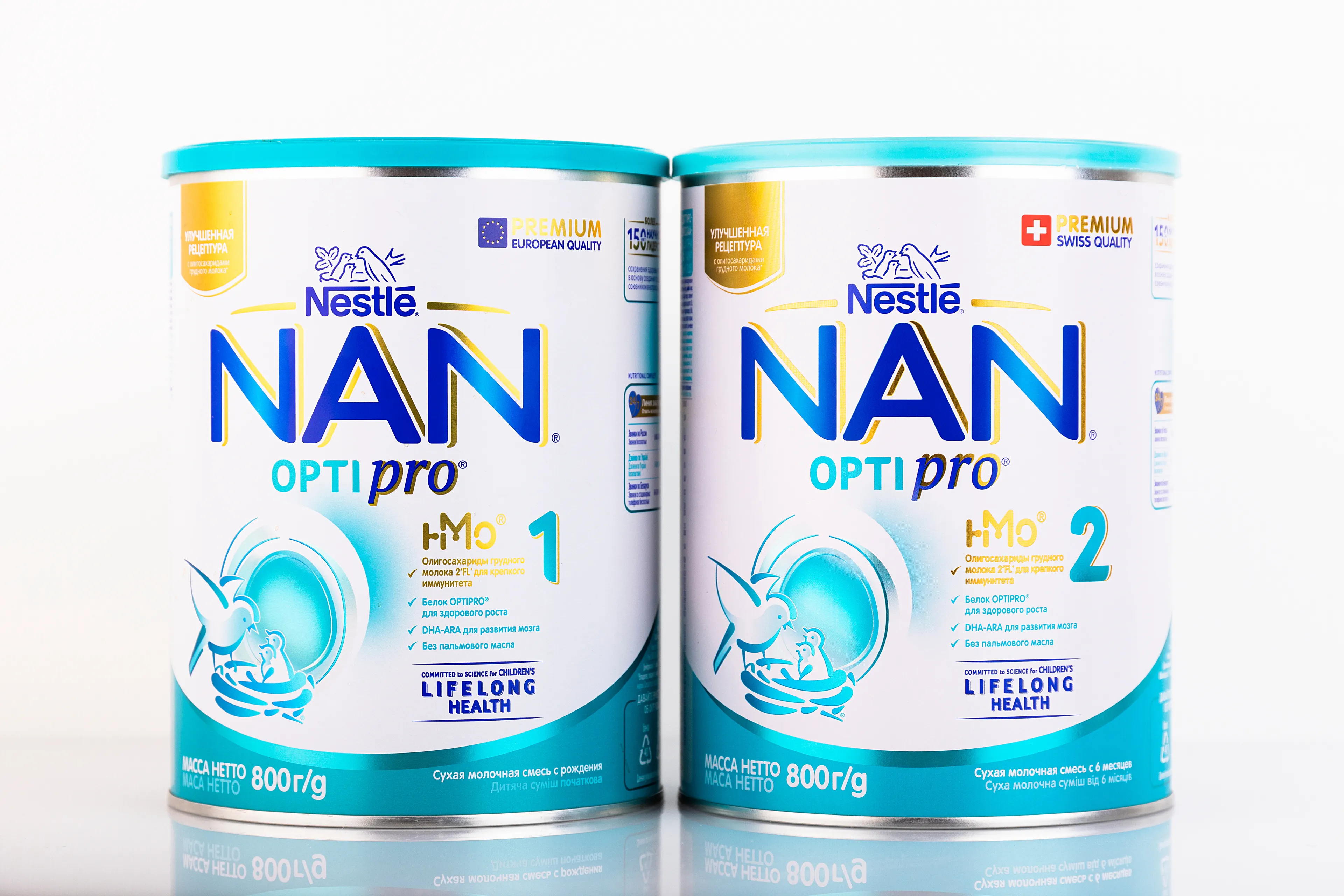
  • Keep the measuring scoop clean and dry.
  • Follow recommended preparation and storage times.
  • Discard formula left in the bottle after a feed.

Prepared formula should generally be used within 2 hours of preparation and within 1 hour after feeding begins. If it will not be used within 2 hours, refrigerate it promptly and use it within the recommended storage period, unless the product label or local guidance specifies otherwise.

Do not save unfinished formula from a feed for later use because bacteria from the baby's mouth can multiply in the remaining milk.

Babies younger than 2 months, babies born prematurely and babies with weakened immune systems may require additional precautions when powdered formula is prepared. Discuss individual preparation and feeding practices with a paediatrician when appropriate.

What Should You Know About Specialised Infant Formula?

Not every infant can use the same formula. Some babies require specialised products because of prematurity, allergies, metabolic disorders or other medical conditions.

Speak with a paediatrician before changing formula if your baby:

  • Was born prematurely and may need a preterm nutritional plan
  • Has a confirmed or suspected cow's milk protein allergy
  • Has a diagnosed soy allergy
  • Has a metabolic condition such as phenylketonuria or galactosaemia
  • Has persistent blood in the stool or significant digestive symptoms
  • Has faltering growth
  • Has significant feeding difficulties
  • Has been prescribed a specialised formula

A formula recall does not mean that parents should choose a therapeutic or specialised formula without professional guidance. The appropriate replacement depends on the baby's nutritional and medical needs.

What Should You Know About Infant Formula Recalls in India?

Food recalls can involve imported or locally manufactured products, depending on the product and distribution chain. A recall affecting a particular country does not automatically apply to the same brand sold in India.

For this reason, parents in India should check the specific product and batch information against current FSSAI notices and the manufacturer's communications.

Nestlé India has previously issued statements concerning international infant formula recalls and the applicability of affected products to the Indian market. Country-specific information should always be checked against the latest available notice rather than inferred from international news reports.

Conclusion

An infant formula recall can be concerning, but the most important step is to identify whether the specific product and batch you have are affected. Do not rely on the brand name alone, and do not assume that a recall in another country applies to products sold in India.

If your formula is included in an official recall, stop using it and follow the manufacturer's or regulator's instructions. If your baby has already consumed the product and develops repeated vomiting, poor feeding, diarrhoea, dehydration or other concerning symptoms, seek medical advice promptly. Safe preparation, storage and feeding practices also remain essential because powdered infant formula is not sterile.

FAQS

Is Nestle infant formula safe to use now?

Formula that is not included in an active recall can generally be used as directed when it has been purchased from a reputable source and the packaging is intact. Always check the specific product and batch number against the latest recall information applicable to your country before use.

How often is infant formula recalled in India?

There is no fixed frequency for infant formula recalls in India. Recalls depend on individual food-safety investigations, testing results and regulatory action. Parents should check current FSSAI recall information and manufacturer communications when concerned about a particular product or batch.

What bacteria commonly cause formula recalls?

Cronobacter and Salmonella are important bacterial hazards associated with powdered infant formula. Both can cause serious illness in young infants. Other recalls may involve different hazards, including foreign material, incorrect labelling or chemical contamination.

Can recalled formula be returned for a refund?

The return, refund or replacement process depends on the specific recall and manufacturer. Keep the original packaging and batch or lot information, stop using the affected product and follow the instructions in the official recall notice. Contact the manufacturer or retailer if you need assistance.

How can I report a formula-related adverse reaction?

If your baby develops a concerning reaction after consuming infant formula, seek medical advice promptly. Your healthcare professional can assess the symptoms and advise whether an adverse-event or food-safety report should be made. In India, food-safety concerns can be reported through the appropriate FSSAI channels.

Apollo 247 Floating Action Button