Explore Nestle baby formula stages, feeding charts, formula types, nutritional needs, and tips to choose the right formula for your baby.
Dr. Mayank
Choosing the right infant formula is one of the first major decisions new parents face, and understanding nestle products in this space can make that choice less overwhelming. India's infant nutrition market offers several options across different developmental stages, and knowing what each stage contains, how much to feed, and when to seek medical advice helps you make an informed, confident decision for your baby.
Infant formulas are categorised by age to match your baby's changing nutritional needs as their digestive system and brain develop.
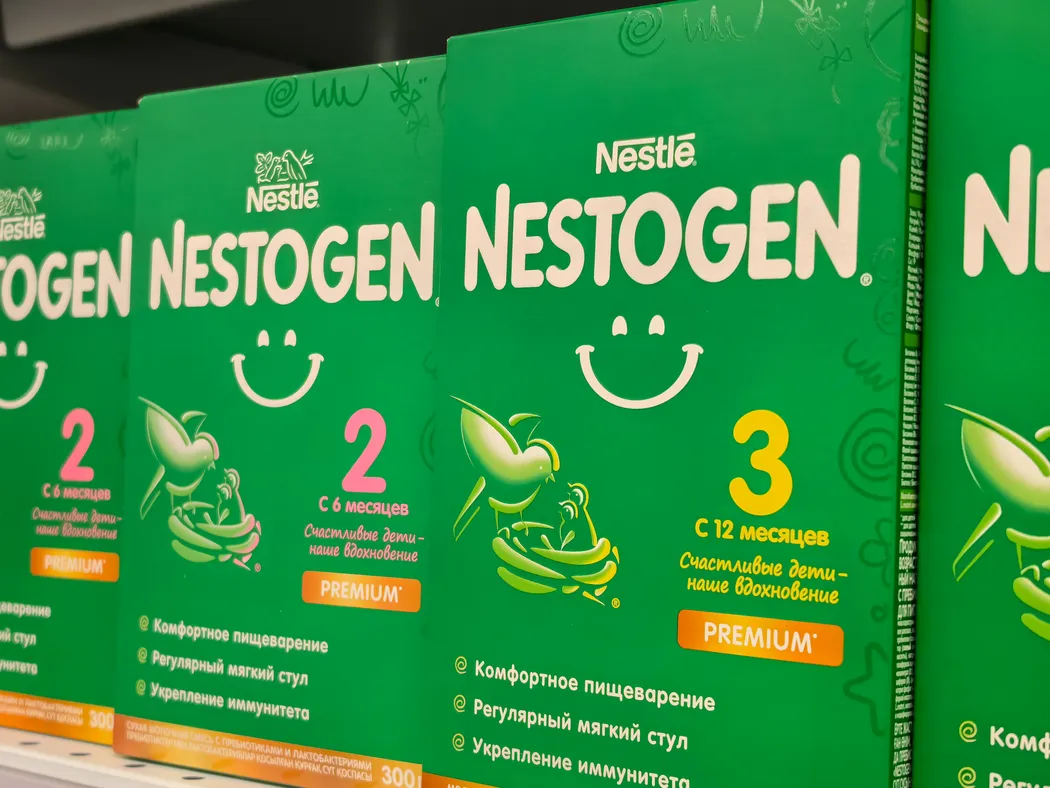
Stage 1 (0 to 6 months): Designed as the sole source of nutrition for newborns who are not exclusively breastfed. These formulas closely model breast milk composition, with a whey-to-casein ratio that is easier for immature digestive systems to handle. They contain iron, DHA, ARA, and essential vitamins to support brain and eye development.
Stage 2 (6 to 12 months): Once solids are introduced around 6 months, a baby's iron and energy needs increase. Stage 2 formulas are slightly higher in iron and have a modified protein profile to complement a mixed diet that now includes pureed foods.
Stage 3 (12 months and above): Sometimes called "growing-up milk," these are not infant formulas in the strict sense. They supplement a varied family diet rather than replace it, and typically contain more calcium and vitamins to support rapid growth between 1 and 3 years.
A baby turning 6 months can transition to a Stage 2 formula, but only once solids have been introduced and your paediatrician confirms the timing is right. Understanding the stage 1 2 3 formula difference helps you avoid switching too early or too late.
Overview of Nestle's Infant Nutrition Range (Generic Name First)
Nestle markets several infant and toddler nutrition products in India under its NAN and related sub-brands. Indian labelling guidelines require that generic composition be understood before brand names, so here is a category-first view.
Product Category
Generic Description
Nestle Brand Name
Standard whey-dominant infant formula
Whey-based formula with iron, DHA, ARA; Stage 1
NAN Pro 1
Optimised-protein whey formula
Reduced-protein whey formula; Stage 1
NAN Optipro 1
Follow-on formula
Higher-iron formula for 6 to 12 months; Stage 2
NAN Pro 2 / Optipro 2
Growing-up milk
Toddler milk supplement; 12 months+
NAN Pro 3 / Optipro 3
Partially hydrolysed formula
Hydrolysed whey protein for sensitive digestion
NAN HA (Hypoallergenic)
Specialised preterm/low-birth-weight formula
Enriched calories and protein for preterm infants
For hospital use; consult neonatologist
NAN Pro vs NAN Optipro: What is the Difference?
When comparing these two Nestlé formula options, the following points can help parents understand their key differences and why professional guidance matters:
Protein Content: Parents frequently compare nestle nan pro vs nan optipro when deciding which product suits their baby. Both are whey-dominant, iron-fortified formulas, but NAN Optipro is formulated with a lower total protein content that is closer to the protein concentration found in mature breast milk. The intention behind this design is to avoid excess protein intake in infancy, which some research links to a higher risk of rapid weight gain in early childhood.
NAN Pro Suitability:NAN Pro contains a slightly higher protein level and remains appropriate for most healthy term infants. Neither product is inherently superior; the right choice depends on your baby's growth pattern, weight gain trajectory, and your paediatrician's assessment. Do not switch between the two without professional guidance.
Professional Guidance: No medical or therapeutic claim is made above beyond what appears on product labelling. Selection among these nestle products must involve your paediatrician, not the label alone.
The quantities below are general approximations. Every baby is different, and volumes depend on weight, growth rate, and whether solids have been introduced. Always consult your paediatrician for the exact amount that suits your child.
Age
Approx. Feeds per Day
Approx. ml per Feed
0 to 2 weeks
8 to 12
30 to 60 ml
2 weeks to 1 month
7 to 9
60 to 90 ml
1 to 3 months
6 to 8
90 to 120 ml
3 to 6 months
5 to 7
120 to 180 ml
6 to 9 months
4 to 5
150 to 200 ml
9 to 12 months
3 to 4
180 to 210 ml
12 months+
2 to 3
As per toddler diet plan
This infant formula feeding chart is a starting point, not a prescription. Signs your baby is getting enough: steady weight gain tracked by your doctor, 6 or more wet nappies per day, and a settled infant after feeds. A baby who consistently refuses feeds, seems hungry shortly after feeding, or is not gaining weight needs a paediatrician review, not simply a larger bottle.
How to Choose the Right Formula for Your Baby
The best formula for your baby depends on several factors beyond brand preference.
Family history of allergy: If either parent has a cow's milk protein allergy, eczema, or other atopic conditions, discuss a partially hydrolysed formula such as NAN HA with your doctor before starting any standard formula.
Lactose intolerance or digestive sensitivity: True lactose intolerance in newborns is rare but does occur. Signs include persistent bloating, excessive crying after feeds, and watery stools. A lactose-free option may be appropriate, but only after a confirmed diagnosis.
Prematurity or low birth weight: Standard formulas do not meet the higher calorie and protein demands of preterm babies. A specialised preterm formula prescribed by a neonatologist is essential in those cases.
Consistent availability: Whichever nestle products you choose, ensure they are reliably stocked near you. Abrupt brand or stage switches can cause digestive upset.
Budget: Formula costs add up over months. Choose a product you can sustain without compromise, and ask your paediatrician if a more affordable alternative carries equivalent nutrition.
When learning how to choose baby formula, the single most reliable guide is a paediatrician who knows your baby's weight, growth curve, and medical history. Labels and comparison charts help, but they cannot replace that conversation.
Consult your paediatrician promptly if your baby shows blood in stools, refuses feeds, loses weight, or develops a rash after starting any formula.
Contraindications and When Not to Use Formula Without Medical Advice
Standard infant formulas are not appropriate for every baby.
Galactosemia: Babies with this rare metabolic disorder cannot metabolise galactose, which is present in lactose. Standard cow's milk-based and most soy formulas are contraindicated; a galactose-free specialised formula is required under medical supervision.
Cow's milk protein allergy (CMPA): Distinct from lactose intolerance, CMPA is an immune response to the proteins in cow's milk. Symptoms range from skin rashes and eczema to vomiting, blood in stools, and breathing difficulties. These babies require an extensively hydrolysed or amino-acid-based formula, prescribed by a doctor.
Preterm or very low birth weight infants: Standard formulas do not meet the elevated calorie, protein, calcium, and phosphorus requirements of babies born before 34 to 37 weeks. A neonatologist must direct feeding in these cases.
Situations where breastfeeding is contraindicated: Some maternal conditions or medications affect the safety of breast milk. In those cases, a doctor will advise on the appropriate formula.
Never self-diagnose a formula intolerance and switch products independently. Report adverse events to your healthcare provider or the relevant regulatory authority.
Preparation, Storage and Safety Precautions
Safe preparation matters as much as choosing the right formula. Contamination during mixing is a leading cause of formula-related illness in infants.
Wash hands thoroughly with soap and water before preparing any feed.
Sterilise all feeding bottles, teats, and caps by boiling for at least 5 minutes or using a certified steam steriliser.
Use water that has been boiled and cooled to around 70 degrees Celsius, not room-temperature water. Water at this temperature helps destroy any bacterial contamination that may be present in powdered formula.
Follow the scoop-to-water ratio printed on the tin exactly. Adding extra powder does not improve nutrition; it increases the risk of dehydration and kidney strain.
Prepared formula should be used within 2 hours if kept at room temperature. If refrigerated promptly after preparation (at or below 5 degrees Celsius), use within 24 hours.
Never reuse leftover formula from a feed. Discard what is not consumed within 1 hour of the baby starting the feed.
Do not microwave formula. Hot spots can form even when the bottle feels warm, and these can scald your baby's mouth.
Choosing the right Nestlé baby formula depends on your baby's age, nutritional needs, growth pattern, and any specific medical conditions. Stage 1, Stage 2, and Stage 3 formulas are designed for different developmental stages, while specialised formulas may be needed for allergies, prematurity, or specific digestive concerns. When comparing options such as NAN Pro and NAN Optipro, consider the differences in protein composition rather than relying on marketing claims alone. Safe preparation, correct feeding amounts, and proper storage are also essential. Always consult your paediatrician before changing formula or choosing a specialised product.
FAQs
What is the difference between NAN Pro and NAN Optipro?
Both are whey-dominant formulas from the same nestle products range, but NAN Optipro contains a lower total protein level designed to be closer to the protein concentration in mature breast milk. NAN Pro has a slightly higher protein content and suits most healthy term infants; your paediatrician can advise which is more appropriate for your baby's growth pattern.
Can I switch formula stages early?
Switching to Stage 2 before 6 months is generally not recommended because Stage 1 is nutritionally complete for that period, while Stage 2 has a higher iron content intended to complement solids. Always confirm the timing with your paediatrician before moving to a new stage.
Is Nestle formula safe for newborns?
Nestle's Stage 1 products are formulated for use from birth and comply with applicable food safety standards. However, baby formula milk for newborns should only be used when breastfeeding is not possible and always under a paediatrician's guidance, as breast milk remains the recommended first choice.
How long can prepared formula be stored?
Prepared formula stored in a refrigerator at or below 5 degrees Celsius can be used within 24 hours. At room temperature, it must be used within 2 hours; once a baby has started feeding from a bottle, discard any remainder within 1 hour.
When should I consult a doctor about formula feeding?
Contact your paediatrician if your baby is not regaining birth weight by 2 weeks, has fewer than 6 wet nappies a day, shows blood or mucus in stools, vomits forcefully after most feeds, or develops skin rashes after a formula change. These signs may indicate a need for a different formula or a medical evaluation.