logo
0

Newborn Grooming Kit: Safe and Gentle Hygiene Tools

Discover essential newborn grooming kit tools. Learn safe nail trimming techniques, nasal aspirator use, cradle cap care, and expert paediatric guidance.

article image

Dr. J.T.Hema Prathima

Bringing a newborn home comes with a wave of new responsibilities, and hygiene is right at the top of the list. A well-stocked newborn grooming kit helps parents care for their baby's delicate skin, soft nails, and tiny nose without fumbling for the right tool at the wrong moment. Having purpose-made baby grooming kit essentials within reach from day one means fewer panicked searches and more confident, calm care.

What Should a Newborn Grooming Kit Include?

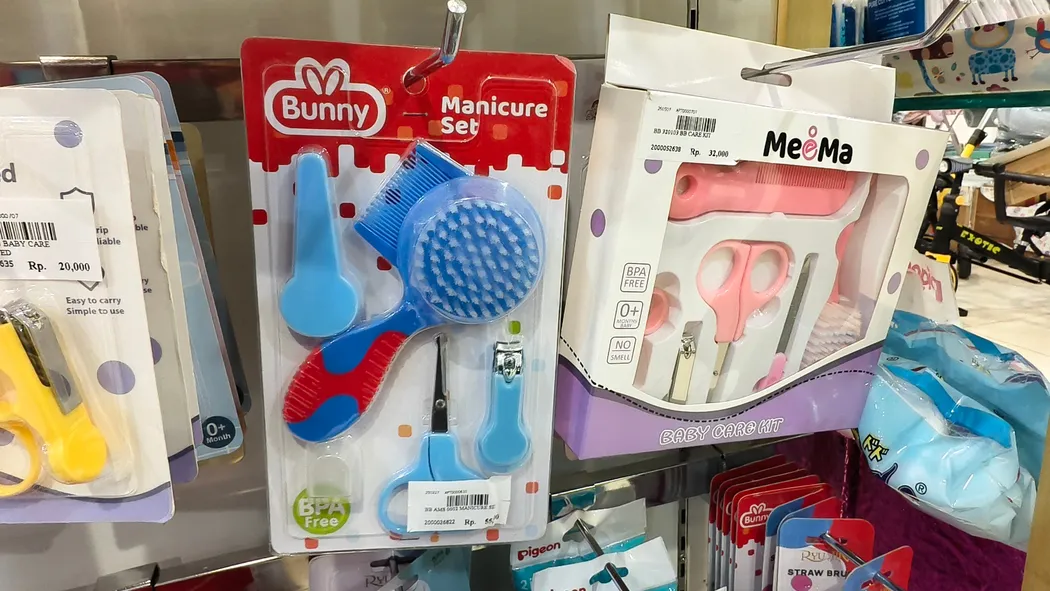
Newborns grow fast, and their hygiene needs change week by week. A practical kit covers the basics without overwhelming you. These are the core baby grooming kit items you should have ready before or shortly after coming home from the hospital.

Core Newborn Hygiene Tools

  • Nail scissors or a nail clipper designed for babies, with rounded, guarded blades.
  • A soft-bristle hairbrush and a wide-tooth comb.
  • A bulb or battery-powered nasal aspirator.
  • A digital rectal or axillary thermometer.
  • Cotton swabs with a restricted-depth collar made specifically for infants.
  • Gentle gauze pads or soft washcloths for face and body cleaning.

These newborn hygiene tools are built around the proportions of a small baby. Standard adult versions are too large, too sharp, or not calibrated for skin this sensitive.

Some kits also include a small nail file and a gentle ear cleaning tool. You do not need both a file and clippers right away. A file alone works well in the first few weeks when nails are paper-thin and flexible.

How to Choose Safe Grooming Tools for Newborns

The market is full of options, and the sheer variety can be confusing. A few clear criteria narrow things down quickly when you are building out your newborn grooming kit.

Material and Construction

Look for tools made from BPA-free plastic or stainless steel with no sharp exposed edges. Nail scissors should have rounded tips, and clippers should include a safety guard to limit how deep the blade reaches. Soft brush bristles should be genuinely soft, not just labelled that way. Run them across your inner wrist before buying.

Baby nail clipper safety features, such as depth guards and extra-wide grips, are specific to the newborn age range and are absent from tools made for older children. Packaging that reads "0 to 12 months" or "newborn" is a reliable signal.

Hygiene and Sterilisation

Newborns have immature immune systems, so every tool must be easy to clean thoroughly. Metal nail scissors and clippers can be wiped with 70 percent isopropyl alcohol or briefly boiled. Plastic handles and aspirator components should come apart for washing. Replace any tool that develops rust, cracks, or residue that cannot be removed.

What to Avoid

When selecting baby grooming kit essentials, steer clear of:

  • Tools with rough seams or sharp mould lines on plastic parts.
  • Nasal aspirators that do not let you control suction.
  • Multi-purpose kits that include adult-sized tweezers with pointed tips.
  • Cotton swabs without a depth-restriction collar around the shaft.

When in doubt about which tool suits your baby's specific skin type or nail condition, ask your paediatrician. Some babies are born with conditions like neonatal acne or cradle cap that change what you should use and how often.

Step-by-Step: Using Grooming Tools Gently and Safely

Knowing how to trim newborn nails safely is one of the skills new parents worry about most. Those nails are tiny, and babies rarely stay still. The good news is that timing and technique make the task far easier than it looks.

Trimming Nails Safely

The best moment is when your baby is deeply asleep or freshly fed and drowsy. Press the fingertip pad gently downward to expose the nail, then cut or snip in a single smooth motion following the natural curve. Cut toenails straight across to prevent ingrowth. File any rough edge afterward.

If you accidentally nick the skin, stay calm. Apply light pressure with a clean gauze pad for a minute or two. Knowing about treating accidental nicks or cuts during grooming before it happens means you will not panic in the moment.

Brushing Hair

Use the soft-bristle brush in slow, gentle strokes starting from the front of the scalp and moving backward. For cradle cap, your paediatrician may advise a specific oil and brush routine. Do not scrub or press down. The fontanelle (the soft spot on top of the head) is sensitive and needs a particularly light touch.

Cleaning the Nose

A newborn breathes through the nose almost exclusively, so a blocked nostril genuinely distresses them. Use the nasal aspirator before feeds, not right after. For a bulb aspirator, squeeze the bulb before inserting it just inside one nostril, then release slowly. Wipe the tip clean between nostrils. One or two saline drops before aspirating helps loosen dried mucus.

Face and Eye Cleaning

Use a clean, damp washcloth or gauze pad. Wipe each eye from the inner corner outward, using a fresh section of cloth each time. Never share sections between eyes to avoid cross-contamination.

Contraindications and When to Avoid Certain Tools

Not every tool is appropriate at every moment, and some situations call for a pause. Understanding these limits is part of a safe newborn skincare routine.

Situations to Avoid Grooming Tools

  • Active Skin Infections or Open Wounds: Active skin infections, rashes, or open wounds. Any broken skin needs medical assessment before you introduce tools to that area.
  • Umbilical Cord Stump: The umbilical cord stump. Keep the area dry and uncovered rather than cleaning it with buds or brushes. For detailed guidance on this, read about how to care for the newborn's belly button and umbilical cord.
  • Severe Irritation or Eczema Flare-ups: Severely irritated or eczema-affected skin, where even a soft brush can aggravate inflammation.
  • Unwell or Distressed Infants: A baby who is unwell, feverish, or very unsettled. Defer non-essential grooming until they are calmer.

If you notice persistent redness, swelling, or discharge around a nail after trimming, contact your paediatrician promptly. Report adverse events to your healthcare provider or the relevant regulatory authority.

Conclusion

Establishing a safe grooming routine for your newborn requires patience, gentle technique, and purpose-built tools calibrated for fragile infant anatomy. Using specialised infant nail clippers with rounded safety guards, soft-bristle brushes, and controlled nasal aspirators ensures daily hygiene without traumatising delicate skin or sensitive mucous membranes. Timing nail trims when your baby is deeply asleep or drowsy significantly reduces sudden movements and the risk of accidental nicks. Remember to avoid using grooming tools around the healing umbilical cord stump or on broken, inflamed, or infected skin, relying instead on sterile water and soft cotton pads. Always maintain rigorous cleaning and sterilisation standards for every implement, and consult your paediatrician promptly if you observe persistent redness, swelling, or signs of localised infection around the nails or skin folds.

FAQS

What is included in a newborn grooming kit?

A complete newborn grooming kit typically contains nail clippers or scissors with safety guards, a soft-bristle hairbrush, a wide-tooth comb, a nasal aspirator, a digital thermometer, and infant-safe cotton swabs. Some kits also include a nail file and gauze pads.

How often should I trim my newborn's nails?

Newborn nails grow quickly and may need trimming once or twice a week to prevent scratching. Check the nails every few days and trim when you can see them extending beyond the fingertip.

Is it safe to use a nasal aspirator on newborns daily?

Daily use is generally safe when your baby has congestion affecting feeding or sleep, but routine daily use without congestion is not necessary. Follow your paediatrician’s advice, and always use the aspirator gently to avoid irritating the nasal lining.

Can I use adult grooming tools on my newborn?

Adult tools are not designed for newborn proportions and carry a real risk of cuts, over-deep trimming, or skin irritation. Always choose tools labelled for newborns or infants, which include specific safety features such as depth guards and rounded tips.

What age should I start using a baby hairbrush?

You can start using a soft-bristle baby hairbrush from birth, even if your baby has very little hair. Gentle brushing stimulates the scalp and helps manage cradle cap when recommended by your paediatrician.

Apollo 247 Floating Action Button