logo
0

Nut Allergies in Babies: A Parent's Guide to Safe Feeding

Learn to recognize a nut allergy in babies, identify key symptoms, and safely introduce nuts to your infant using the latest paediatric guidelines.

article image

Dr.Mayank

Introducing your baby to solid foods is an exciting milestone. You get to watch their facial expressions transition from curiosity to delight as they try new textures and flavours. However, this milestone can also bring a wave of anxiety, especially when it comes to highly allergenic foods.

Understanding the risks of a nut allergy in babies is one of the most common concerns for new parents today. With food allergies on the rise, it is completely normal to feel hesitant about introducing peanut butter or almond paste to your infant. The good news is that paediatric guidelines have changed dramatically over the last decade. We now know that early introduction, rather than avoidance, is often the key to prevention.

In this comprehensive, evidence-based guide, we will break down everything you need to know about a nut allergy in babies. You will learn how to spot the signs of an allergic reaction, how to safely introduce nuts into your baby’s diet, and what to do if an allergic reaction occurs.

What is a Nut Allergy in Babies?

 food allergy occurs when your baby’s immune system mistakenly identifies a harmless food protein as a dangerous invader. In response, the immune system releases chemicals like histamines to fight off the protein, resulting in an allergic reaction.

When discussing a nut allergy in babies, it is important to distinguish between two distinct categories:

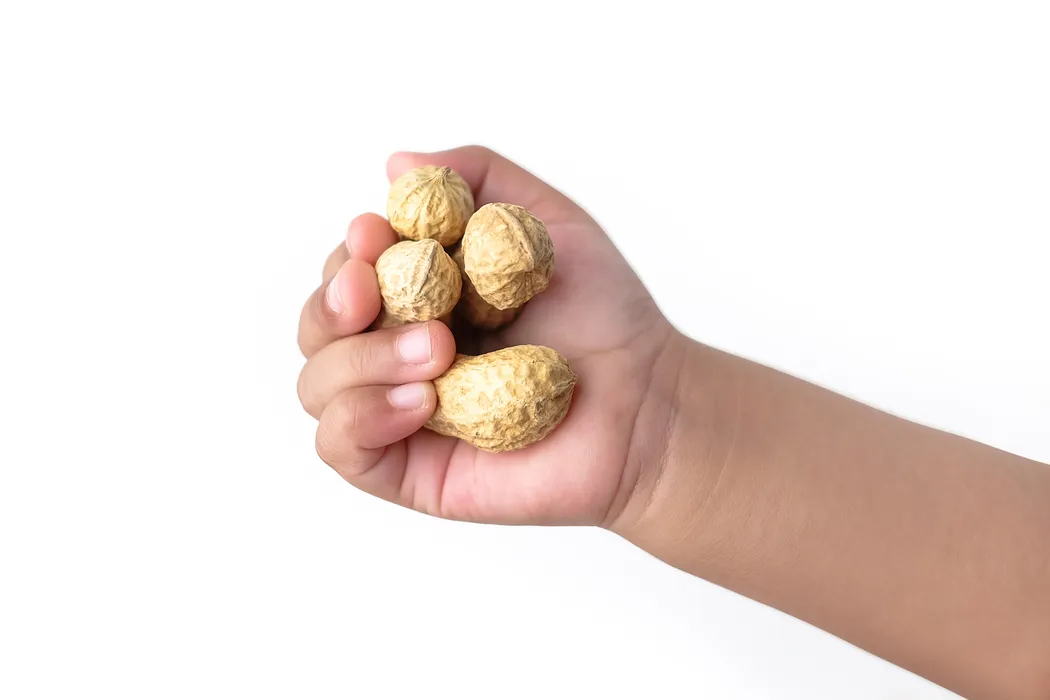
  • Peanuts: Despite their name, peanuts are not actually tree nuts. They are legumes that grow underground and are closely related to beans, peas, and lentils.
  • Tree Nuts: These are nuts that grow on trees. Common tree nuts include almonds, walnuts, cashews, pecans, pistachios, hazelnuts, macadamia nuts, and Brazil nuts.

Because the proteins in peanuts and tree nuts are different, a child can be allergic to one but not the other. However, having a peanut allergy in babies increases the likelihood of also having a tree nut allergy. Approximately 25% to 40% of infants who are allergic to peanuts will also develop an allergy to at least one type of tree nut.

Additionally, individual tree nut allergies can vary. For example, an almond allergy in babies is an example of a tree nut allergy that may occur independently, or alongside allergies to other tree nuts like cashews or hazelnuts.

Recognising the Signs: Nuts Allergy Symptoms in Babies

As a parent, your primary concern is likely identifying whether your child is having a bad reaction to a new food. Recognising nut allergy symptoms in babies early is vital so you can respond quickly and appropriately.

Allergic reactions typically happen within minutes to two hours after your baby touches or eats the nut product. The symptoms can range from mild to life-threatening.

Mild to Moderate Symptoms

Mild reactions generally affect only one area of the body. Keep a close watch for these common nuts allergy symptoms in babies:

  • Skin Changes: Mild redness, a few isolated hives (raised, red, itchy welts), or itchy patches around the mouth or face.
  • Digestive Issues: Sudden spit-up, mild vomiting, abdominal pain, or a bout of loose stools.
    Respiratory Signs: A mild, occasional cough, a runny nose, or watery, itchy eyes.

Severe Symptoms (Anaphylaxis)

Anaphylaxis is a severe, systemic, and life-threatening allergic reaction that requires immediate emergency medical attention:

  • Swelling: Swelling of the tongue, lips, throat, or airway, which can cause difficulty swallowing or breathing.
  • Breathing Problems: Wheezing, a persistent cough, or visible difficulty breathing, such as chest retractions where the skin pulls inward between the ribs.
  • Changes in Skin Tone: The baby's skin, lips, or fingernails may turn pale, blue, or grey.
  • Lethargy: The baby may suddenly become limp, floppy, extremely drowsy, or lose consciousness due to a dangerous drop in blood pressure.

When and How to Introduce Nuts Safely

Historically, paediatricians advised parents to avoid giving highly allergenic foods to infants until they reached two or three years of age. However, landmark clinical studies—such as the Learning Early About Peanut Allergy (LEAP) study—completely flipped this advice.

The latest clinical guidelines from the National Institutes of Health (NIH) and the American Academy of paediatrics (AAP) show that introducing peanut products early can help prevent a peanut allergy in babies.

The Ideal Timeline

  • High-Risk Infants: If your baby has severe eczema, an existing egg allergy, or both, they may be at higher risk for food allergies. Consult your paediatrician or a paediatric allergist before introducing peanut products. The doctor may recommend a supervised food challenge. If cleared, these infants should ideally be introduced to peanut products between 4 and 6 months of age.
  • Mild-to-Moderate Risk Infants: If your baby has mild-to-moderate eczema, peanut products can generally be introduced at home around 6 months of age, when the baby is developmentally ready for solid foods.
  • Low-Risk Infants: If your baby has no eczema or known food allergies, peanut products can generally be introduced along with other solid foods around 6 months of age, when developmentally ready.

Safe Step-by-Step Introduction Guide

To safely introduce nut products to your infant, follow these essential steps:

  1. Start with Other Foods First: Ensure your baby has already tolerated a few traditional first foods, such as oat cereal, pureed sweet potatoes, or applesauce, before introducing highly allergenic foods.
  2. Never Give Whole Nuts or Thick Nut Butter: Whole nuts are a major choking hazard for young children. Thick, sticky spoonfuls of peanut or almond butter can also block an infant's airway.
  3. Prepare a Safe, Thinned-Out Mixture: For Peanuts: Mix 2 teaspoons of smooth peanut butter with 2–3 teaspoons of warm water, breast milk, or formula until it forms a thin, runny puree. For Tree Nuts: Follow the same process using smooth almond or cashew butter.
  4. Choose a Good Time: Introduce the food when you are at home, your baby is healthy, and you can closely monitor them afterward. Avoid introducing new allergens right before bedtime or daycare drop-off.
  5. Start Small: Offer a tiny taste on the tip of a spoon. Wait about 10 minutes. If there is no reaction, offer the remaining thinned mixture at your baby's normal pace.
  6. Keep It in Their Diet: If your baby tolerates the nut product without a reaction, continue offering it regularly, about 2 to 3 times a week, to maintain tolerance. 

What Causes a Nut Allergy in Babies? Risk Factors to Keep in Mind

Medical researchers are still studying why some infants develop allergies while others do not. However, several clear risk factors have been identified that increase the likelihood of a nut allergy in babies:

  • Severe Eczema: Eczema can compromise the skin barrier. When a baby's skin is dry, cracked, and inflamed, exposure to food proteins through the skin may contribute to sensitization, potentially increasing the risk of developing a food allergy.
  • Existing Food Allergies: If your infant has already been diagnosed with an allergy to another food, such as eggs or cow's milk, they may have a higher risk of developing additional food allergies, including nut allergies.
  • Family History: A family history of allergies, asthma, eczema, or hay fever (collectively known as atopic conditions) may increase your child's risk of developing food allergies.

How is a Nut Allergy in Babies Diagnosed?

If your baby experiences a reaction, or if you suspect they are at high risk, you should seek a professional diagnosis from a board-certified paediatric allergist. They will use a combination of tools to confirm or rule out an allergy:

  • Detailed Medical History: The doctor will ask about what your baby ate, how much they consumed, how quickly symptoms appeared, and what those symptoms looked like.
  • Skin Prick Test: A small amount of allergen extract is placed on your baby's skin, usually on the back or forearm, and the skin is gently pricked. A small, itchy bump may develop within about 15–20 minutes if the test detects sensitization.
  • Blood Test (Specific IgE): A blood sample is used to measure the level of IgE antibodies directed against specific nut proteins.
  • Oral Food Challenge: If the diagnosis remains uncertain, a supervised oral food challenge may be performed in an allergist's clinic. Your baby is given carefully measured, increasing amounts of the suspected allergen while being closely monitored for a reaction.

Conclusion

Nut allergies in babies can be concerning, but early, age-appropriate introduction of peanut products may help reduce allergy risk for many infants. Introduce nuts in safe forms, avoid whole nuts and thick nut butter, and watch closely for symptoms. If your baby has severe eczema, an existing food allergy, or develops a reaction, consult a paediatrician or allergist for personalized guidance.

FAQS

Can a baby outgrow a nut allergy?

While some food allergies, such as milk or egg allergies, are frequently outgrown during childhood, peanut and tree nut allergies are more likely to persist. Some children may eventually outgrow them, but ongoing evaluation by an allergist is important.

Can I eat nuts while breastfeeding if my baby is at risk?

Yes. Current guidelines generally do not recommend that pregnant or breastfeeding mothers avoid highly allergenic foods unless they themselves have an allergy or their healthcare provider advises otherwise. There is no need to eliminate nuts solely to prevent allergies in the baby.

If my baby has a peanut allergy, can they still eat almonds?

Not necessarily, but they may be able to. Peanuts and almonds belong to different plant families, but some children can be allergic to both, and cross-contact can occur during manufacturing. Consult a paediatric allergist before introducing tree nuts to a baby with a peanut allergy.

Is coconut considered a tree nut for babies with allergies?

The FDA classifies coconut as a tree nut for food-labeling purposes in the United States. Botanically, however, coconut is a fruit. Coconut allergy is relatively uncommon, but if your baby has a tree nut allergy, ask your paediatrician or allergist whether coconut is appropriate.

What is the difference between a nut allergy and seed allergies, such as sesame?

Nuts and seeds belong to different botanical groups, but both can cause food allergies. Sesame is a recognized major food allergen in several countries. If your baby has a nut allergy, discuss with their healthcare provider whether testing for sesame or other allergens is appropriate.

Apollo 247 Floating Action Button