logo
0

Oats for Infants: A Complete Guide

Learn when babies can eat oats, their nutritional benefits, safe preparation methods, allergy signs, easy oatmeal recipes, and feeding tips for infants.
 

article image

Dr. Ezhilrasan

Starting solid foods is one of the most exciting milestones of your baby's first year, and oats for infants are among the most popular and practical first foods parents reach for. Oatmeal is easy to digest, rich in key nutrients, and simple to prepare at home. Understanding when to start, how much to give, and what to watch out for helps you make this transition safely and confidently.

When Can Babies Start Eating Oats?

Most babies are ready to start complementary foods at around 6 months when they show signs of developmental readiness. WHO recommends exclusive breastfeeding for the first 6 months, followed by the introduction of complementary foods alongside continued breastfeeding. Oats can be introduced as one of these complementary foods when your baby is developmentally ready.

Can a 4-month-old have oatmeal? Most babies should not start complementary foods before 4 months, and many are ready at around 6 months. Before introducing oatmeal or any other solid food, look for developmental readiness and discuss timing with your paediatrician. Always consult your pediatrician before starting any solid food to get advice tailored to your baby's growth. For broader guidance on your baby's early care journey, explore these newborn care essentials for new parents. 

Explore oats for infants

Nutritional Value of Oats for Infants

Oats are a nutritionally dense grain, which is why oats nutrition for infants gets so much attention from pediatric dietitians. A small portion delivers a meaningful mix of nutrients that support early growth.

Nutrient  Why It Matters for Babies
Fibre (including beta-glucan)  Supports healthy digestion and regular stools
Iron   Critical for brain development and preventing anaemia
Protein Provides amino acids for tissue growth
 B vitamins  Support energy metabolism and nervous system function
Magnesium and zinc  Important for bone development and immune function

Beta-glucan is a soluble fibre naturally found in oats. It contributes to the fibre content of oats and can support normal digestive health.

Is oatmeal healthy for infants? When prepared plainly and without added sugar or salt, oatmeal is one of the most balanced single-ingredient first foods you can offer at weaning.

Health Benefits of Oats for Babies

Beyond the nutrient profile, oats offer a few practical benefits for babies in the 6-to-12-month window.

  • Gentle on the gut: soluble fibre helps soften stools and supports regular bowel movements, which many parents find helpful during the transition to solids.
  • Steady energy: oats provide carbohydrates along with fibre, protein, vitamins, and minerals, making them a nutritious component of complementary meals.
  • Nutrient contribution: oats can contribute carbohydrates, fibre, protein, and other nutrients to complementary meals. If your baby has concerns about growth or weight gain, speak with your pediatrician rather than using oats specifically to increase weight.

Is oats good for baby weight gain? They can contribute positively, but if your baby has specific growth concerns, speak with your pediatrician before using oats as a strategy.

How to Introduce Oats: Step-by-Step

Starting oatmeal for a 6-month baby the right way makes a real difference to how well they accept it.

  1. Choose single-grain oats first. Plain rolled oats or baby oatmeal cereal without added flavours or sweeteners are the safest starting point.
  2. Cook to a smooth, thin consistency. Very runny porridge is easiest for a baby new to solids. Thicken the texture gradually over days and weeks.
  3. Offer a small amount. One to two teaspoons is plenty at first. Follow your baby's cues and never force more than they want.
  4. Introduce new foods one at a time when practical, particularly when introducing common allergens, so you can more easily identify a reaction. Follow your pediatrician's advice about introducing new foods and allergens.
  5. Gradually thicken and mix. Once oats are well accepted, blend in fruit purees or cooked vegetables to vary flavour and nutrition.

Signs of Oat Allergy or Intolerance

Oat allergy is uncommon but possible. After introducing oats, watch for symptoms of an allergic reaction such as hives, swelling, vomiting, or breathing difficulty. After introducing oats, watch for:

  • Skin rash, hives, or swelling, particularly around the mouth or face
  • Vomiting or unusual fussiness after eating
  • Diarrhoea or a significant change in stool consistency
  • Wheezing or difficulty breathing (rare but serious)

If you notice any of these signs, stop feeding oats immediately and contact your doctor. For breathing difficulties or swelling, seek emergency care without delay. Report adverse events to your healthcare provider or the relevant regulatory authority.

Contraindications and When to Avoid Oats

Oats are not suitable for every baby.

  • Family history or diagnosis of celiac disease: oats are naturally gluten-free, but oats can become contaminated with gluten during growing, processing, or packaging. If your baby has celiac disease or your doctor has advised a gluten-free diet, discuss whether certified gluten-free oats are appropriate before introducing them. Speak to your doctor before introducing any oats, and look for certified gluten-free varieties only if your doctor approves.
  • Diagnosed grain intolerances: if your baby has a confirmed intolerance to a related grain, get medical clearance before offering oats.
  • Active gastrointestinal illness: avoid introducing new foods when your baby has a stomach bug or diarrhoea. Wait until they have fully recovered.

Always follow your pediatrician's guidance if any of these situations apply.

Easy Oatmeal Recipes for Infants

These oats recipes for infants suit babies from 6 months onwards. Start with thin puree consistency and thicken gradually as your baby's swallowing improves.

Plain Oat Puree (6 months+)

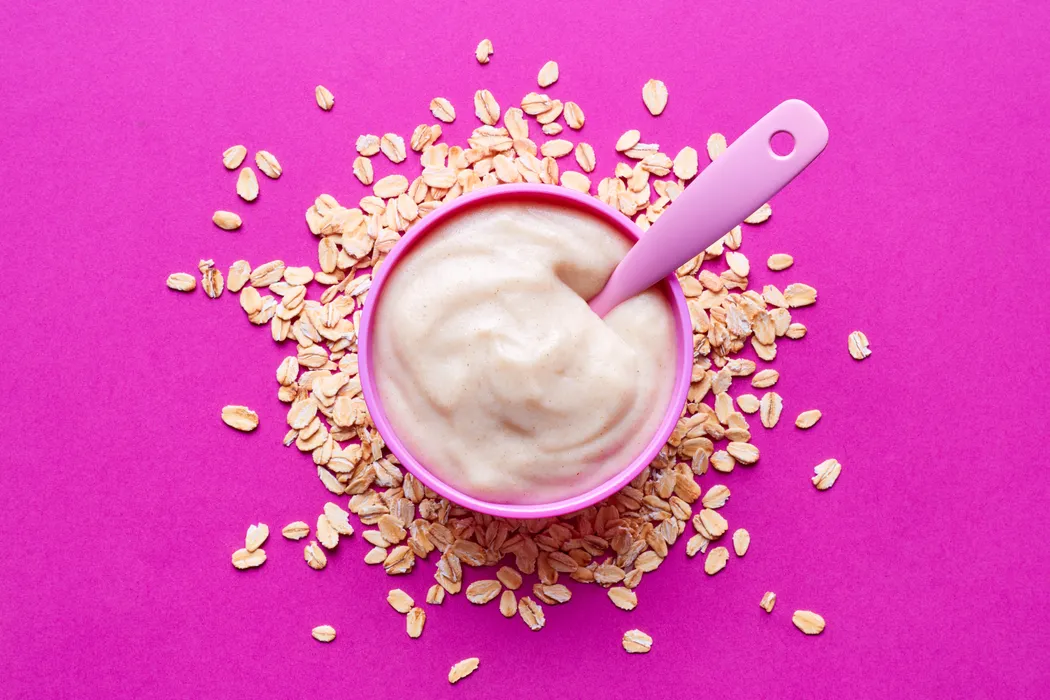
Cook 2 tablespoons of rolled oats in 120 ml of water until very soft. Blend or mash smoothly, then thin with a little breast milk or formula to a runny consistency. Serve warm, not hot.

Oat and Apple Mash (6 months+)

Peel, chop, and steam one small apple until tender. Prepare plain oat puree as above, then blend the cooked apple through it. The natural sweetness of apple makes this an easy favourite without any added sugar.

Oat and Banana Mix (6 months+)

Mash half a ripe banana until completely smooth. Stir through freshly cooked oat puree. Banana thickens the texture naturally, so add a little extra breast milk or formula if the consistency feels too dense for your baby's stage.

If preparing food in advance, refrigerate it promptly in a clean, covered container and follow appropriate food-safety guidance. Discard any portion that your baby has eaten from rather than storing it for another meal.

Tips for Buying and Storing Baby Oats

Plain, unsweetened rolled oats from any standard grocery brand work perfectly well for babies. You do not need to buy a premium baby-specific product.
  • Read the label before buying. Avoid products with added sugar, salt, honey, or artificial flavours. Some baby oatmeal cereals are marketed as iron-fortified, which can be a useful bonus.
  • Choose certified gluten-free oats if celiac disease is a concern in your family, as discussed with your doctor.
  • Store dry oats in an airtight container away from heat and moisture. Cooked oatmeal should be refrigerated and used within 24 hours. Never reheat a portion your baby has already started eating from.
  • Instant oats are convenient but often more processed and occasionally contain additives. Plain rolled oats or steel-cut oats (blended after cooking) are preferable for the youngest babies.

Conclusion

Oats can be a nutritious and versatile option when introducing complementary foods around 6 months, provided your baby is developmentally ready. Start with plain, well-cooked oats in a smooth consistency and gradually introduce thicker textures as your baby becomes more comfortable with solids. Avoid added sugar, salt, and honey, and introduce new foods thoughtfully while watching for signs of an allergic reaction. If your baby has celiac disease, food allergies, digestive problems, feeding difficulties, or concerns about growth, consult your pediatrician before making dietary changes. Oats should complement, rather than replace, breast milk or appropriate infant formula during the first year.

FAQS

Are instant oats safe for infants?

Plain, unflavoured instant oats are safe in terms of the oat itself, but many instant varieties contain added sugar, salt, or artificial flavours. Always check the ingredient list and choose the plainest option available.

How much oats should I give my baby daily?

Start with one to two teaspoons and build up gradually to two to four tablespoons as your baby gets used to solids. Oats should complement, not crowd out, breast milk or formula, which remain the main source of nutrition through the first year.

Can I mix oats with milk for my baby?

You can prepare oats with breast milk or infant formula. Cow's milk should not be used as the main milk drink before 12 months, although it can be used in small amounts in cooking as part of complementary foods. If you are unsure which milk is appropriate for your baby, ask your pediatrician.

Can oats cause constipation in babies?

Oats are more likely to help with constipation than cause it, thanks to their soluble fibre content. If your baby seems uncomfortable or has hard stools, ensure they are getting enough fluids and consult your doctor if the problem persists.

Is oatmeal better than rice cereal for babies?

Oatmeal and rice cereal can both be included in complementary feeding. Their nutritional profiles vary depending on the specific product and whether the cereal is fortified. Oats provide fibre and other nutrients, while some infant rice cereals are fortified with iron. Offering a variety of grains can help provide a broader range of nutrients.

Apollo 247 Floating Action Button